Accutane, also called isotretinoin, is best known for treating acne vulgaris, but many patients wonder how it affects wrinkles and overall skin aging. In short, Accutane can change how wrinkles look during treatment by reducing oil production and altering skin texture, but it has not been shown to speed up skin aging or permanently treat wrinkles.
This article explains what research and clinical experience, including perspectives shared by dermatologists such as Dr. Alicia Atkins, show about short-term and long-term skin changes, using the same type of educational approach found through DermOnDemand.
Key Educational Takeaways
- Isotretinoin treatment changes oil levels, not the aging process itself.
- Evidence of efficacy for wrinkle reduction is limited and mixed.
- Oral isotretinoin for photoaging is not standard care.
- Most wrinkles come from sun exposure, not acne drugs.
- Individual response varies, so expectations should stay realistic.
Does Accutane Cause Wrinkles or Aging?
Many people worry that Accutane may cause early aging or more wrinkles. Current studies do not show that isotretinoin speeds up skin aging at a biological level. Most concerns come from visible changes during treatment.
A common question is whether the drug makes you age faster over the long term. Research suggests that most changes are linked to dryness, not permanent damage. This is a key point when discussing Accutane and aging.
Does Accutane Help with Wrinkles? Benefits and Limits
Studies that look at Accutane for wrinkles are small in scope and short-term. They focus on surface changes, not lasting anti-aging results.
Interest in Accutane for anti-aging is growing, but evidence of efficacy is limited when compared with established anti-aging treatments. Results differ between patients and study designs. Doctors do not view isotretinoin as a proven anti-aging treatment.
How Accutane Changes the Skin
Isotretinoin treatment works by shrinking the sebaceous glands. This lowers oil production and helps control acne vulgaris. That is why the drug reduces acne in many patients.
Lower oil levels can also change skin texture. Skin may feel dry or tight, which can make fine lines easier to see. These changes are usually temporary and improve after treatment.
Some studies looked at collagen during treatment periods of about 12 weeks. They found short-term changes in skin structure. These findings do not prove lasting effects once treatment stops.
What Causes Most Skin Wrinkles
Most wrinkles come from sun exposure over time. Ultraviolet light breaks down collagen and elastin. This process is the main cause of visible skin aging.
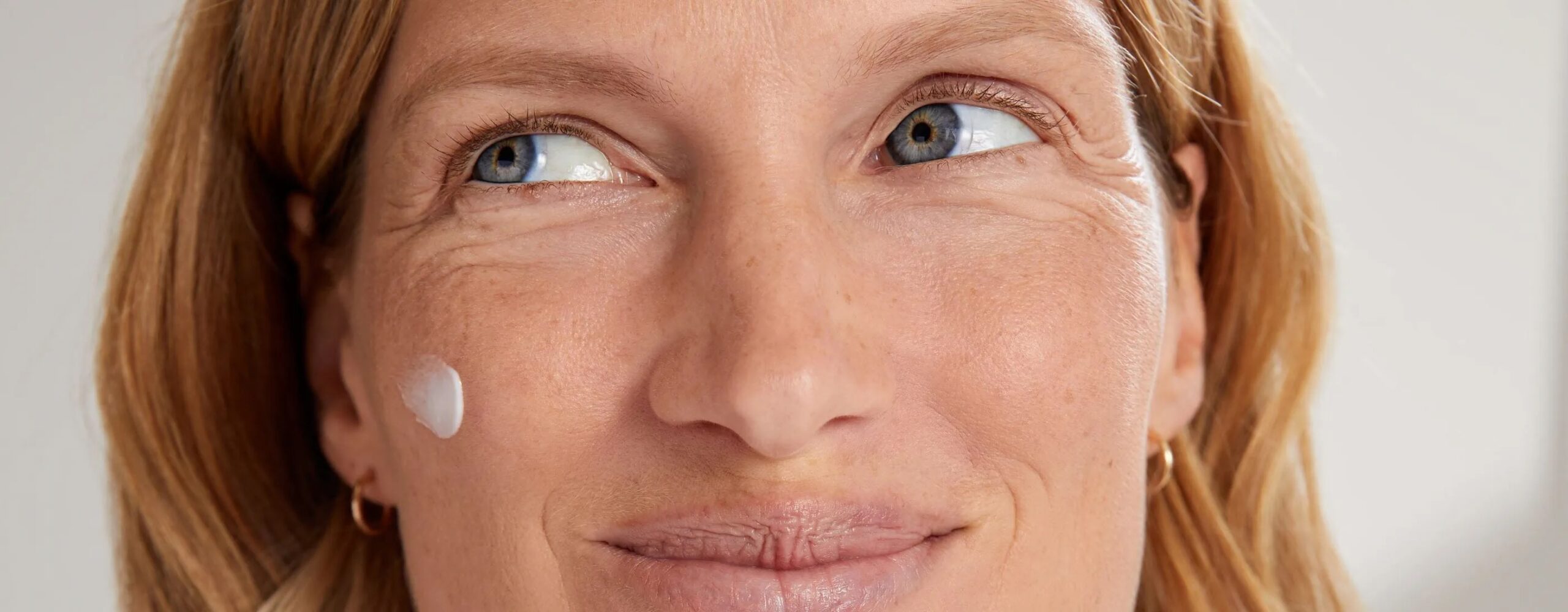
Dryness and thinner skin can also make wrinkles stand out more. When skin lacks moisture, lines look deeper. This helps explain why dryness during isotretinoin use may look like faster aging.
Accutane Wrinkles – Before and After
Searches for before-and-after Accutane wrinkles often focus on visible changes. Some people see smoother skin as acne clears. Others notice more fine lines during treatment.
Results vary from person to person. Skin type, sun history, and care habits all matter. For this reason, before-and-after photos do not predict outcomes for everyone.
Accutane Wrinkles Reddit vs Medical Evidence
Online posts about Accutane wrinkles on Reddit share personal stories. These stories reflect individual experiences, not controlled studies. Many focus on dryness or irritation.
Medical evidence relies on measured data and research methods. Online reports may highlight rare or severe cases. Knowing this difference helps readers judge claims more carefully.
Low-Dose Accutane for Anti-Aging
Some studies explored low doses of isotretinoin for photoaging, often discussed in the context of low-dose Accutane use. This approach is sometimes called oral isotretinoin for photoaging. Doses may be taken a few times a week rather than daily.
Research on oral isotretinoin in photoaging is limited. Questions remain about safety, benefit, and ideal dosing. Doctors do not consider this a standard treatment plan.
Claims about isotretinoin-related anti-aging doses often come from small trials or online posts. These do not replace large, long-term studies. Caution is needed when reading such claims.
Does Accutane Affect You Later in Life?
Large studies have not shown higher rates of early skin aging years later, which aligns with current evidence on long-term Accutane effects. Most lasting changes relate to acne control.
Some side effects of isotretinoin can last longer. These may include dry eyes or ongoing dryness. These effects are known and monitored during care.
What Patients Should Expect Long Term
During treatment, common side effects include dry skin, dry lips, and dry eyes. These changes happen because oil balance shifts. Skin care adjustments can help ease symptoms.
After treatment, oil production may slowly return. Skin texture often improves with time, while acne benefits tend to last. Understanding limits and benefits helps patients plan care with confidence.
FAQs About Accutane and Wrinkles
Does Accutane Change Facial Features?
Reports usually relate to dryness or weight shifts. There is no strong evidence of permanent facial changes.
Is low-dose Accutane safe for anti-aging?
There is no approved isotretinoin anti-aging dose. Using low doses for cosmetic reasons is off-label. Long-term safety data for this use is limited.
Do before-and-after photos online show real results?
Online photos can show real changes during treatment. They do not control for lighting, skincare, hydration, or time. They should not be taken as proof of lasting effects.
Can Accutane damage collagen?
There is no strong evidence that isotretinoin breaks down collagen in a way that causes aging. Some studies even show temporary changes in collagen organization under specific conditions. These findings do not prove long-term benefit or harm.
Can Accutane make pores smaller permanently?
Pores often look smaller during treatment because oil production decreases. After treatment, pores may become more visible again. Permanent pore reduction is not guaranteed.
Does Accutane affect skin elasticity?
Some people notice tighter-feeling skin during treatment due to dryness. This does not mean elasticity has been permanently reduced. Elasticity often improves as hydration returns.