Acne
Hyperpigmentation/Melasma
Eczema (Atopic Dermatitis)
Psoriasis
Rosacea
Fungal Infections
Cold Sores
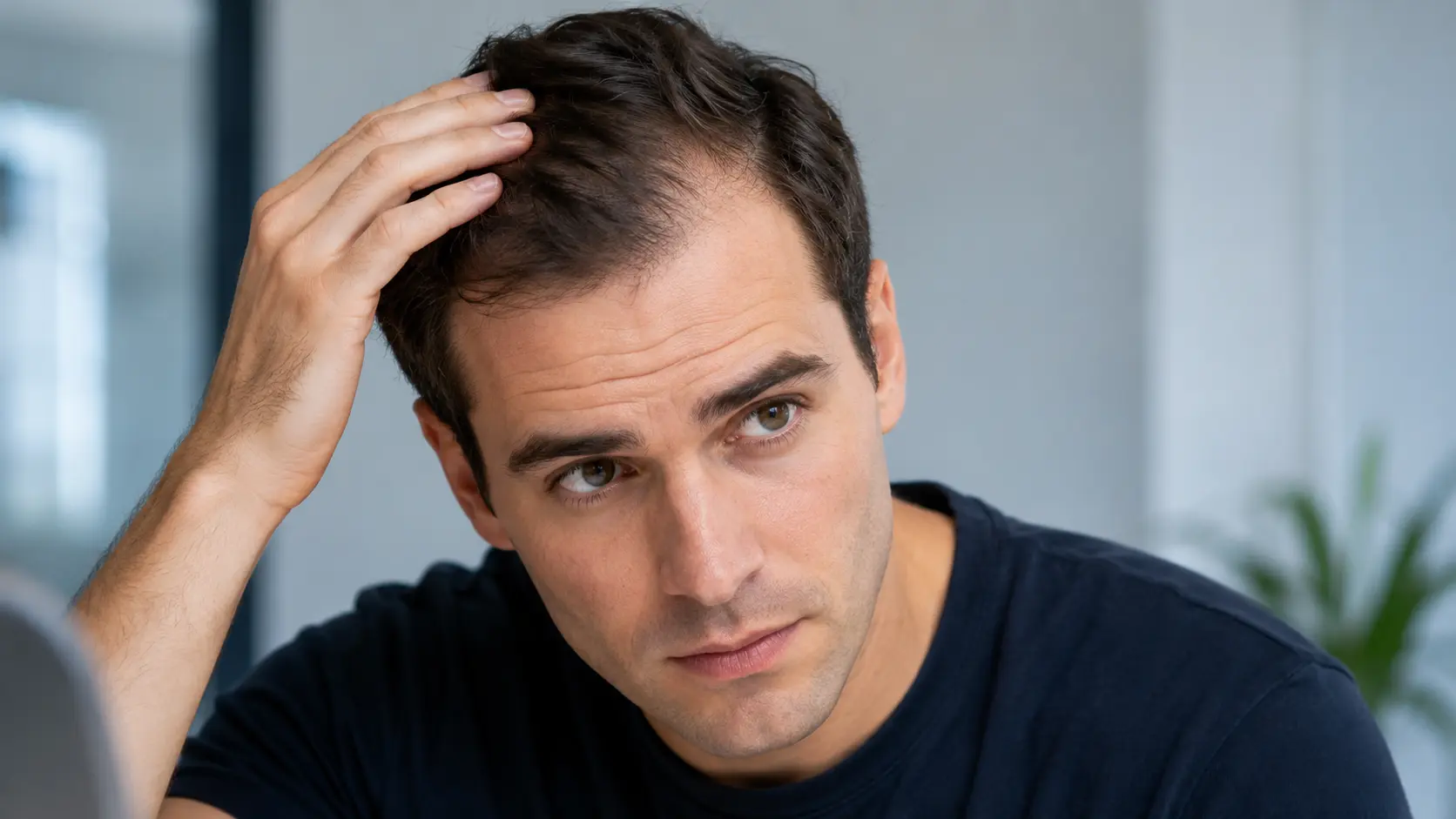
Hair
Eyelash Growth
We’re dedicated to sharing our knowledge about dermatology and skincare, aiming to guide you towards making informed medical decisions. Please consider our blog as a supportive resource rather than definitive medical advice.