
Current medical evidence does not show that Accutane commonly causes diabetes, although some people experience temporary changes in blood sugar or cholesterol during treatment. DermOnDemand shares educational skin health content written for patients, reflecting the careful, evidence-based approach used by board-certified dermatologists such as Dr. Alicia Atkins. This article explains how isotretinoin works, why blood sugar concerns come up, and what research shows about diabetes risk.
Key Takeaways
- Isotretinoin does not commonly cause diabetes, and most patients do not develop long-term blood sugar problems during or after treatment.
- Some people experience temporary changes in insulin resistance, cholesterol, or triglycerides while taking isotretinoin, but these changes usually resolve after treatment ends.
- People with diabetes or metabolic risk factors may still use isotretinoin, though they often need closer monitoring of blood glucose and lipid levels.
- Current research does not show a clear link between isotretinoin and type 1 diabetes, and reported cases remain rare and unproven.
- Open communication with a clinician helps identify side effects early and supports safe, informed care throughout isotretinoin treatment.
Diabetes and Accutane: What the Evidence Shows
- Isotretinoin, also known as Accutane, is used to treat severe acne when other treatments have failed, and patients often review details about the medication on the Accutane treatment guide.
- It is a form of 13-cis retinoic acid that affects oil glands and skin cell growth.
- The medication reduces sebum production and reduces skin inflammation.
- Because isotretinoin affects more than the skin, many people ask can cause diabetes.
- Research does not show that isotretinoin commonly causes diabetes.
- Most patients do not develop long-term complications of blood glucose, although some experience short-term laboratory changes during treatment.
Can People With Diabetes Take Accutane?
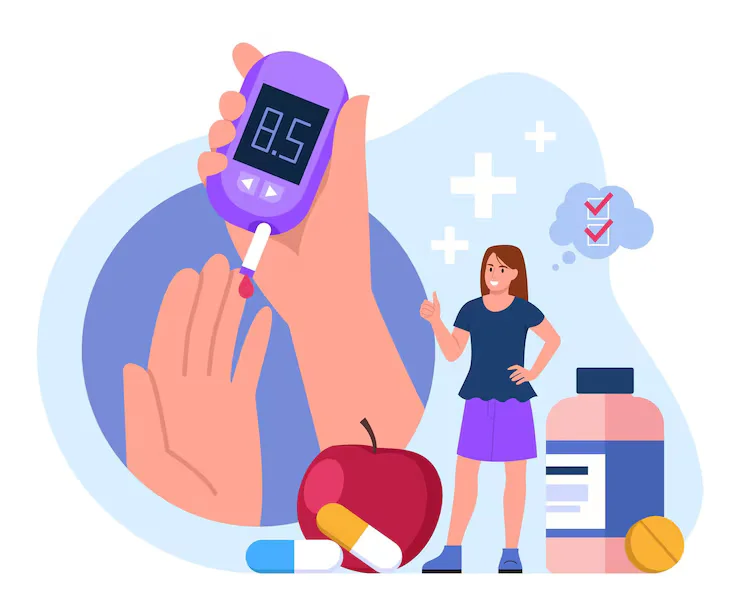
Some people with diabetes can take isotretinoin. Questions about diabetes and Accutan side effects typically focus on glycemic control. Many patients with stable diabetes use isotretinoin with close medical care.
Before starting treatment, doctors review blood glucose levels and medications. They may order lab tests more often during therapy. Diabetes alone does not always prevent isotretinoin use.
Who Should Avoid Accutane or Use Extra Caution
Some individuals require additional care before initiating isotretinoin therapy. This includes people with poorly controlled diabetes or prediabetes. Obesity and metabolic syndrome can also raise risk.
A family history of type 2 diabetes may also be relevant. Doctors also watch cholesterol and triglyceride levels. Isotretinoin increases triglyceride and decreases HDL cholesterol in some people.
How Accutane Affects Blood Sugar and Metabolism
Isotretinoin can change how the body uses sugar and fat. Research suggests the effect of isotretinoin may include short-term insulin resistance. This means insulin may not work as well during treatment.
Blood glucose levels can rise in some patients. Changes in total cholesterol and triglycerides may also occur. For most people, these changes improve after treatment ends.
Accutane and Type 2 Diabetes
The association between Accutane and type 2 diabetes is primarily mediated by insulin resistance. Type 2 diabetes develops when the body does not respond well to insulin. Weight, genetics, and cholesterol levels all play a role.
Evidence does not show that isotretinoin often causes new type 2 diabetes. It may uncover risk in people already close to diagnosis. Blood glucose levels often return to normal after stopping the drug.
Accutane and Type 1 Diabetes
Concerns about Accutane and diabetes type 1 diabetes are rare. Type 1 diabetes is an autoimmune disease. A few case reports describe latent autoimmune diabetes after isotretinoin use.
These reports do not prove a direct cause. Large studies have not found a clear link. Experts consider these cases uncommon.
What Research Says About Diabetes Risk
- Most studies do not show a long-term increase in the risk of diabetes with isotretinoin treatment.
- Some patients experience short-term changes in insulin resistance or lipid levels during therapy.
- These metabolic changes typically improve after discontinuation of isotretinoin.
- Online stories often highlight rare events rather than typical outcomes.
- Medical research focuses on trends in large patient cohorts, which explains why individual reports may appear alarming but do not reflect the overall risk.
Diet, Sugar Intake, and Daily Management on Accutane
Many people ask if sugar is safe during isotretinoin treatment. Sugar does not directly interact with the drug. High sugar intake can still affect blood glucose levels in people at risk.
Balanced meals help support steady glucose metabolism. Portion control can reduce blood sugar swings. Daily habits often matter more than strict rules.
Blood Sugar Monitoring During Accutane Treatment
Monitoring depends on personal risk. Common tests include fasting blood glucose and lipid panels. Some patients also need hemoglobin A1c tests.
People with diabetes often need more frequent checks. Doctors look at trends over time. Most changes are temporary and improve after treatment ends.
Online Claims About Accutane and Diabetes Explained
Online searches often yield results related to Accutane and diabetes, Reddit posts, or lawsuits. These sources share personal stories or legal claims. They do not reflect medical consensus.
Research does not support isotretinoin as a proven cause of diabetes for most patients. Peer-reviewed studies provide more reliable guidance than online anecdotes.
When to Discuss Concerns With a Clinician
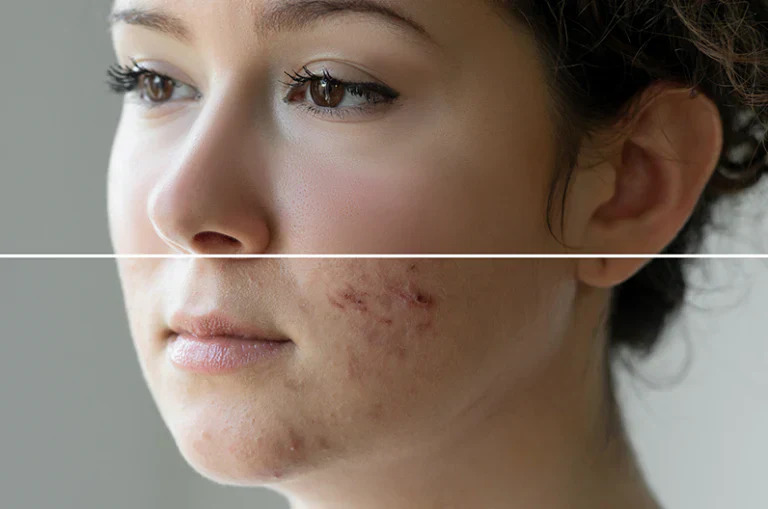
Talk to a clinician if you notice increased thirst, frequent urination, fatigue, or vision loss. These symptoms may signal changes in blood glucose levels. Early review helps protect health.
If you have questions or notice new symptoms during isotretinoin treatment, speak with your clinician. They can adjust monitoring, review side effects such as increased sun sensitivity, and help you make informed decisions about your care. Open communication supports safety throughout treatment.
If you’re unsure about the next step in your care, you can schedule a private online consultation with a licensed provider to review your options.