
DermOnDemand shares clear medical information to help patients understand common skin treatments. This article explains the relationship between Accutane and vitamin A, the safety concerns surrounding them, and what patients should know before using supplements.
The information reflects standard dermatology practice, consistent with guidance from Dr. Alicia Atkins, a medical expert specializing in the careful use of prescription retinoids.
Key Takeaways
- Accutane and vitamin A affect the body in similar ways, so taking vitamin A supplements during Accutane treatment can increase the risk of harmful side effects without added benefit.
- Accutane is not the same as vitamin A, but it is a vitamin A derivative, which explains why dosing, monitoring, and safety rules are stricter than for dietary supplements.
- There is no clear answer to the amount of vitamin A in Accutane because isotretinoin doses are measured as a drug, not as a nutrient, and cannot be safely converted to vitamin A units.
- Common side effects, such as dry skin and headaches, may indicate excess vitamin A activity, whereas more serious adverse effects can involve the liver or nervous system if exposure accumulates.
- Avoiding vitamin A supplements and consulting a clinician about all vitamins, foods, and medications helps reduce risks, such as toxicity and birth defects, during treatment.
What Happens If You Take Vitamin A on Accutane?
Accutane and vitamin A affect the body in similar ways. Taking vitamin A with Accutane can increase total vitamin A activity to unsafe levels. This can happen even if routine lab tests appear normal.
When activity is too high, side effects become more likely. Patients may notice dry skin, headaches, or nausea. These problems arise because Accutane is already a vitamin A derivative, so adding more increases the burden on the body.
Is Accutane the Same as Vitamin A?
Vitamin A and Accutane are not synonymous. Accutane is a prescription drug used for treating acne. Vitamin A is a nutrient found in foods and supplements.
The brand name Accutane refers to isotretinoin. Isotretinoin is derived from vitamin A but acts more potently and with greater control. This difference accounts for the stricter safety rules.
How isotretinoin relates to vitamin A
Vitamin A and isotretinoin share a similar structure. Both affect how skin cells grow and how oil glands work. Isotretinoin delivers this effect at a level that supplements cannot safely match.
Does Isotretinoin Increase Vitamin A Levels or Activity?
Treatment with isotretinoin typically does not increase measured serum vitamin A levels. Instead, it increases vitamin A activity inside cells. This explains why problems can occur even when lab values look normal.
Vitamin A is stored in the liver. Extra exposure builds up over time. This process accounts for many side effects of isotretinoin observed during Accutane treatment.
Why Combining Vitamin A and Accutane Is Risky
Using vitamin A supplements during Accutane treatment increases the risk of adverse effects. Clinical references and the Food and Drug Administration (FDA) advise against this combination. The concern is not the benefit but the added danger.
The increased risk includes liver stress and other adverse effects. These risks can occur even at moderate doses of supplementation. Avoiding excess vitamin A intake is a key safety measure.
Vitamin A toxicity explained
Vitamin A toxicity happens when intake is too high for the body to manage. Symptoms may appear slowly and worsen over time. High-dose vitamin A markedly increases this risk during isotretinoin treatment.
How Much Vitamin A Is in Accutane?
There is no direct answer to this question. Accutane is measured in milligrams of isotretinoin, not vitamin A units.
Doses of isotretinoin depend on body weight and acne severity. Treatment plans are set to balance results and safety.
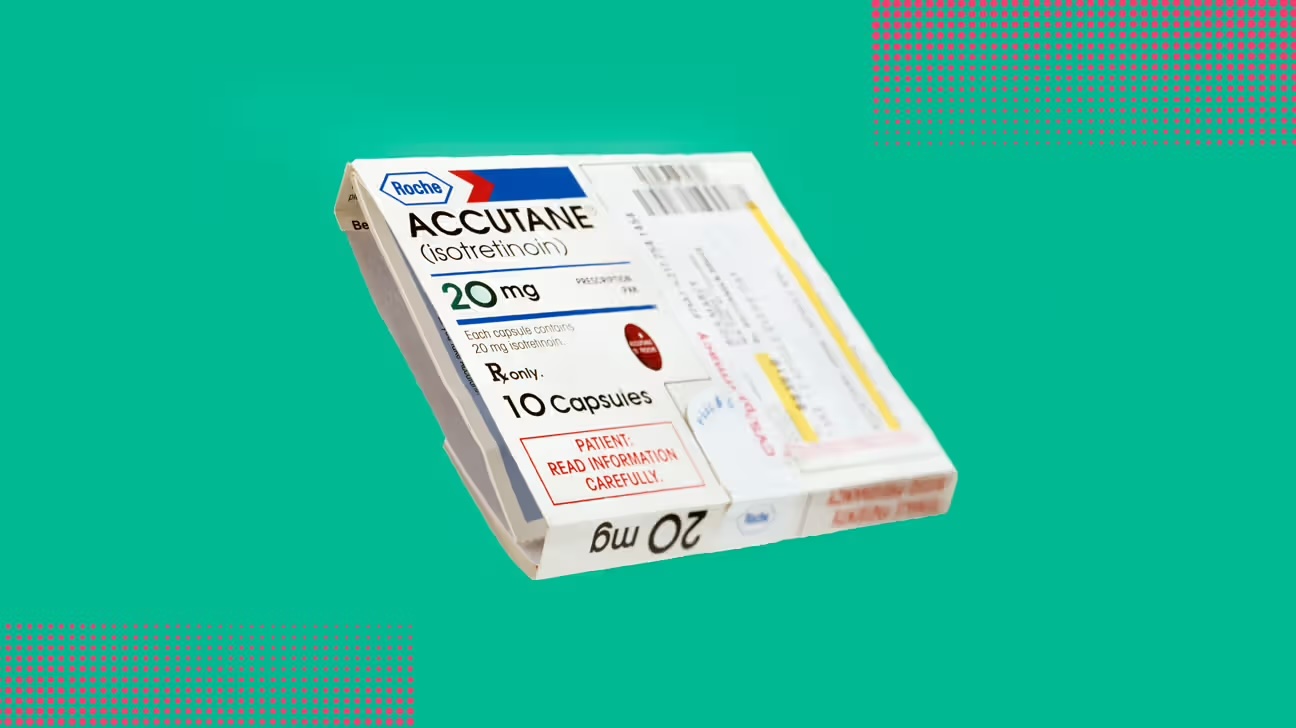
Understanding 20 mg and 40 mg doses
A 20 mg or 40 mg dose reflects drug strength, not vitamin content. Higher doses raise both the effect and the risk of common side effects. Doctors adjust dosing carefully.
Why IU comparisons are misleading
International units apply to nutrients, not drugs. Comparing isotretinoin with vitamin A supplements is confusing. This error often leads to unsafe use of supplements.
Symptoms of Excess Vitamin A Exposure
Too much vitamin A activity can cause many symptoms. Common side effects include dry skin, cracked lips, and eye irritation. Headaches and tiredness may also occur.
More serious adverse effects include liver changes and vision problems. Some patients develop pressure-related headaches. Monitoring symptoms is an important part of care.
Vitamin A Supplements, Diet, and Hidden Sources
Vitamin A supplements should usually be avoided during Accutane treatment. Many multivitamins contain vitamin A, which adds to exposure. Checking labels helps reduce risk.
Vitamin A from fruits and vegetables is less concerning. These foods contain beta-carotene, which the body metabolizes more efficiently. Problems mostly come from supplements and fortified products.
Can Vitamin A Treat Acne on Its Own?
Some people believe that vitamin A cured their acne, but results vary widely. Oral vitamin A for acne has only been studied in limited cases. These studies often used very high doses.
High-dose vitamin A can damage the liver and cause other adverse effects. It is not a safe replacement for prescription care. Treating acne requires careful medical balance.
Oral and high-dose vitamin A for acne
High-dose vitamin A overlaps with how isotretinoin works. It lacks clear dosing rules and proper monitoring. Because of safety concerns, it is not recommended.
Accutane and Other Vitamins
Patients often ask about Accutane and vitamin D. Vitamin D works through a different pathway than vitamin A. It does not increase the risk of vitamin A toxicity.
Supplement use should still be reviewed. Blood test monitoring is common during isotretinoin therapy. This helps track liver health and other changes.
Accutane and vitamin D
Vitamin D may be continued in some cases. It does not affect vitamin A levels. Decisions may differ for female patients using birth control pills.
Why Online Advice Can Be Misleading
Online posts often simplify complex medical topics. Personal accounts of Accutane treatment may not apply to others, particularly when discussing long-term effects. Health history and doses matter.
Claims about donating blood, inflammatory bowel disease, or avoiding birth defects often lack context. Medical guidance relies on broader evidence, not single experiences.
When to Talk to a Clinician About Supplements
Patients should review all supplements during isotretinoin therapy. This includes vitamins and herbal products. Extra care is needed due to risks such as birth defects.
Clinical guidance helps manage side effects of isotretinoin and reduce harm. Educational platforms like DermOnDemand support informed discussions but do not replace personal medical care.