Current research does not show a clear increase in suicide risk among most people who take isotretinoin for severe acne. Large studies have found that rates of depression, suicidal thoughts, and suicide attempts are generally low and similar to those seen in people with severe acne who do not take the medication.
Concerns about Accutane and suicide come mainly from early case reports and voluntary safety databases, which cannot prove direct cause and effect. At the same time, mood changes can occur in some individuals, so careful screening and monitoring remain important.
The sections below explain what the evidence shows, where uncertainty remains, and how patients can stay safe during treatment.
To understand the basics of this medication, patients may find it helpful to read about how Accutane works, including its effects on severe acne and related biological processes.
Key Takeaways
- Current large studies do not show a clear increase in suicide risk among most people who take isotretinoin for severe acne.
- Severe acne itself is linked to higher rates of depression and suicide, which can make it difficult to separate medication effects from underlying mental health risk.
- Reports in the FDA adverse event reporting system raised early concern, but voluntary reports cannot prove that isotretinoin directly causes depression or suicide.
- Patients should be screened for mental health history before treatment and monitored for mood changes, especially for new or worsening suicidal thoughts.
- Any signs of self-harm intent or severe emotional crisis require immediate medical attention, regardless of whether isotretinoin is being used.
Does Accutane Increase Suicide Risk?
What Large Studies Show
Researchers have studied Accutane and suicide in large groups of patients. A major meta-analysis published in JAMA Dermatology examined thousands of patients who used isotretinoin.
The study reviewed rates of depression, suicidal ideation, attempted suicide, and complete suicide. It compared these rates with those of similar groups of people with acne who did not take isotretinoin.
The results did not show an increased relative risk of psychiatric adverse disorders among isotretinoin users. In other words, people taking the medication were not more likely to have suicide-related outcomes than similar acne patients who did not take it.
Some long-term data even showed fewer suicide attempts several years after treatment. These findings suggest that severe acne itself may play a role in mental health risk.
Other large database studies reached similar conclusions. Researchers adjusted for age, gender, and prior mental health history. Even after adjustment, the risk of depression and suicide did not clearly increase with isotretinoin use. These results provide reassurance, but they do not mean risk is zero for every person.
Absolute vs Relative Risk
Understanding risk numbers helps reduce confusion. Absolute risk refers to the actual number of events that occur in a group. For example, how many patients developed mood symptoms during treatment? Relative risk compares one group to another.
In most large studies, the absolute rates of depression or suicide were low. When researchers compared isotretinoin users with similar acne patients, they did not find a significant increase in relative risk. Media reports sometimes focus on individual tragic cases. Those cases are important, but they do not reflect the overall population data.
Clear risk communication matters. A rare event can sound alarming if numbers are not explained carefully. Patients deserve context so they can weigh benefits and risks with accurate information.
Risk During and After Treatment
Researchers also looked at when symptoms occurred. Some patients developed mood changes during active treatment, while others reported symptoms months after finishing therapy.
This timing makes it harder to draw direct conclusions, especially when considering broader findings on Accutane long term effects.
Long-term follow-up studies did not show a steady increase in risk of depression and suicide after treatment ended. Many patients reported emotional improvement once severe acne cleared.
Acne often affects teens and young adults, a group already at higher risk for mood disorders. This background risk complicates efforts to prove direct cause and effect.
Accutane and Mental Health Effects
Suicidal Thoughts and Mood Changes
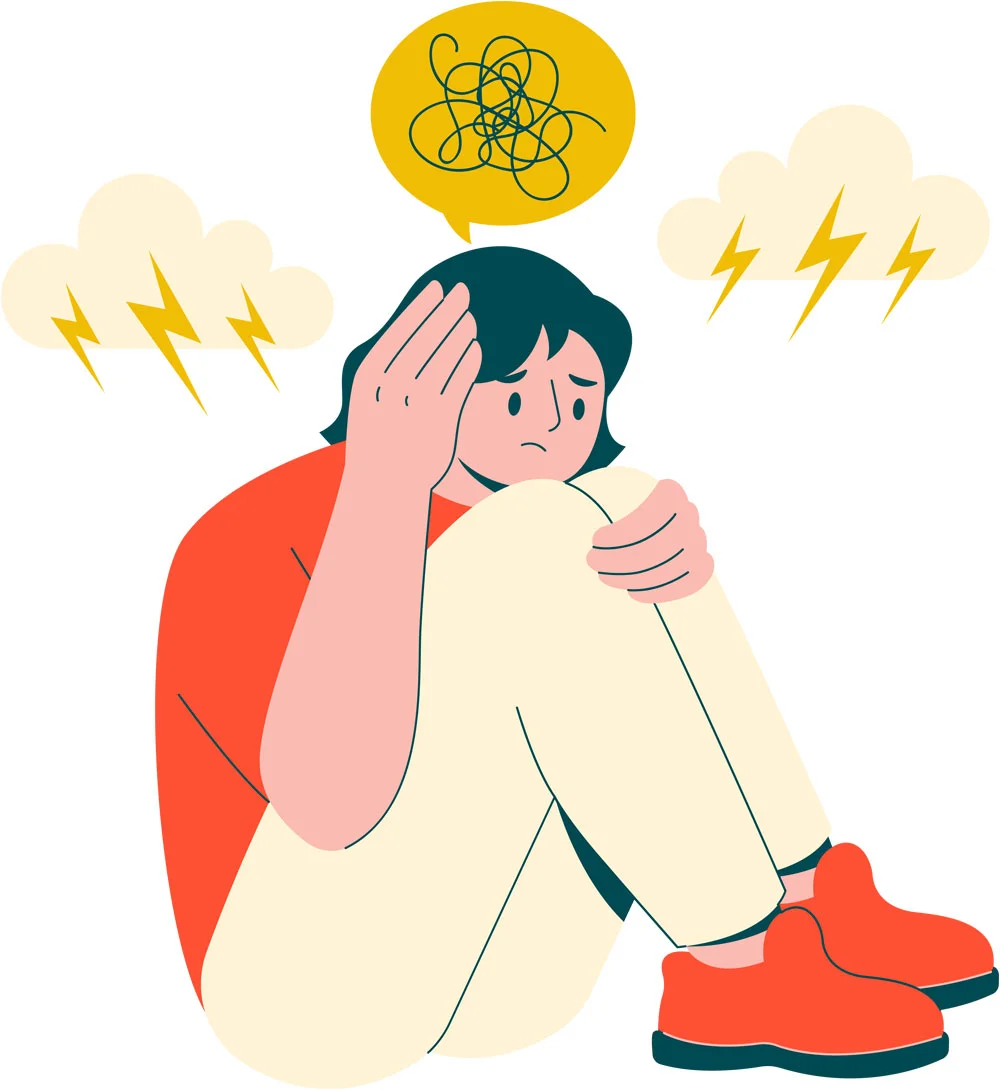
Accutane and suicidal thoughts are often linked in public discussion. Early case reports described patients who experienced suicidal ideation while taking isotretinoin. These reports were taken seriously, leading to warnings and further research.
Large population studies did not confirm a consistent increase in suicidal ideation. However, individual experiences vary. If a patient develops mood changes, feelings of hopelessness, or thoughts of self-harm, those symptoms require prompt medical review.
It is important to treat any suicidal ideations as urgent symptoms. Even if large studies show low overall risk, individual safety must come first. Clinicians monitor closely and adjust care when needed.
Depression and Anxiety Rates
Depression is another concern linked to isotretinoin. Some patients reported depression or anxiety as adverse events reported to the Food and Drug Administration.
Many patients ask whether Accutane can cause depression; this detailed explanation reviews how mood changes are studied and how depression symptoms are evaluated during isotretinoin treatment.
The adverse event reporting system relies on voluntary reports. This means it can highlight possible safety signals, but it cannot prove a direct cause. When researchers analyzed controlled data, they did not find strong evidence that isotretinoin increased rates of included depression compared to similar acne patients.
In some cases, patients felt better emotionally after their acne improved. Clear skin can reduce social stress, shame, and isolation. This emotional benefit may explain why some long-term studies found fewer suicide attempts after treatment.
Acne’s Independent Mental Health Impact
Severe acne can affect daily life. It can lower self-esteem and limit social interaction. Research shows that acne alone can increase the risk of depression or suicide, even before treatment begins.
This means that mental health symptoms may already exist when isotretinoin is prescribed. When patients improved physically, some also experienced better mood. Clinicians must separate the emotional burden of acne from possible medication effects.
Doctors also consider other stress factors. School pressure, relationship problems, and family stress can all affect mood. A careful history helps identify the real cause of emotional changes.
Monitoring and Safety During Treatment
Screening Before Starting Accutane
Before starting isotretinoin, clinicians review both medical and mental health history. They ask about past depression, anxiety, suicidal ideations, or psychiatric hospital stays. This screening helps identify higher-risk patients.
Dr. Alicia Atkins explains that patients with a history of mood disorders may benefit from closer follow-up. Some patients may already work with mental health professionals. Coordinated care improves safety and supports the whole patient.
Baseline screening also sets expectations. Patients understand that mood monitoring is part of treatment. This approach reduces stigma and encourages open discussion.
Warning Signs to Watch
Patients and families should watch for changes in mood or behavior. Warning signs include:
- Persistent sadness
- Loss of interest in usual activities
- Changes in sleep patterns
- Irritability or anger
- Thoughts of self-harm
If a patient develops mood symptoms, they should contact their prescribing clinician. Early discussion allows evaluation and possible changes in care.
Clinicians may ask direct questions about suicidal ideation during follow-up visits. This does not increase risk. Instead, it opens a safe space for honest communication.
When to Seek Emergency Care

Some symptoms require urgent attention. If a patient expresses a plan to harm themselves, attempts self-harm, or shows severe emotional crisis, emergency care is needed. Immediate safety is the priority.
In the United States, emergency departments provide crisis mental health services. Programs such as New Jersey Mental Health Cares offer phone support, referrals, advocacy, and case management. These services help connect individuals to inpatient, outpatient, and community mental health professionals.
Families should not wait if they believe someone is in danger. Quick action can save lives.
Why Accutane and Suicide Concerns Persist?
Early Case Reports
Public concern about Accutane and suicide began with case reports. Some patients who attempted suicide or died by suicide had taken isotretinoin. These cases were reported to the Food and Drug Administration.
The adverse event reporting system tracks such psychiatric adverse outcomes. Reports include depression, suicidal ideations, and other psychiatric adverse reactions. These reports prompted further research and safety warnings.
Case reports are important signals. However, they cannot prove that a medication directly caused an event. They serve as alerts that require careful study.
Limits of Current Evidence
Even strong research has limits. Many studies are observational. This means researchers cannot control every outside factor. Stress, prior mental illness, and life events may affect results.
Some reported adverse events may lack complete medical details. Not all patients seek care for mild depression. These limits make it hard to measure the exact risk.
Ongoing surveillance remains important. Researchers continue to review new data to ensure patient safety.
What the Evidence Does Not Show
Current large studies do not show a clear increase in the relative risk of depression or suicide among isotretinoin users compared to similar acne patients. Research does not confirm that isotretinoin directly causes psychiatric adverse disorders in most people. At the same time, no medication is completely risk-free.
A balanced view helps patients make informed choices. Accutane and suicidal thoughts are serious concerns, but population-level evidence suggests the overall risk is low with proper monitoring. Clear screening, open communication, and access to mental health professionals support safe treatment.
If you are considering isotretinoin, take time to learn about both its benefits and its risks. Review reliable information, discuss your mental health history openly, and ask clear questions about monitoring.
Work closely with your healthcare provider to decide whether treatment fits your needs. Ongoing follow-up and early attention to new symptoms help ensure safe, informed care.