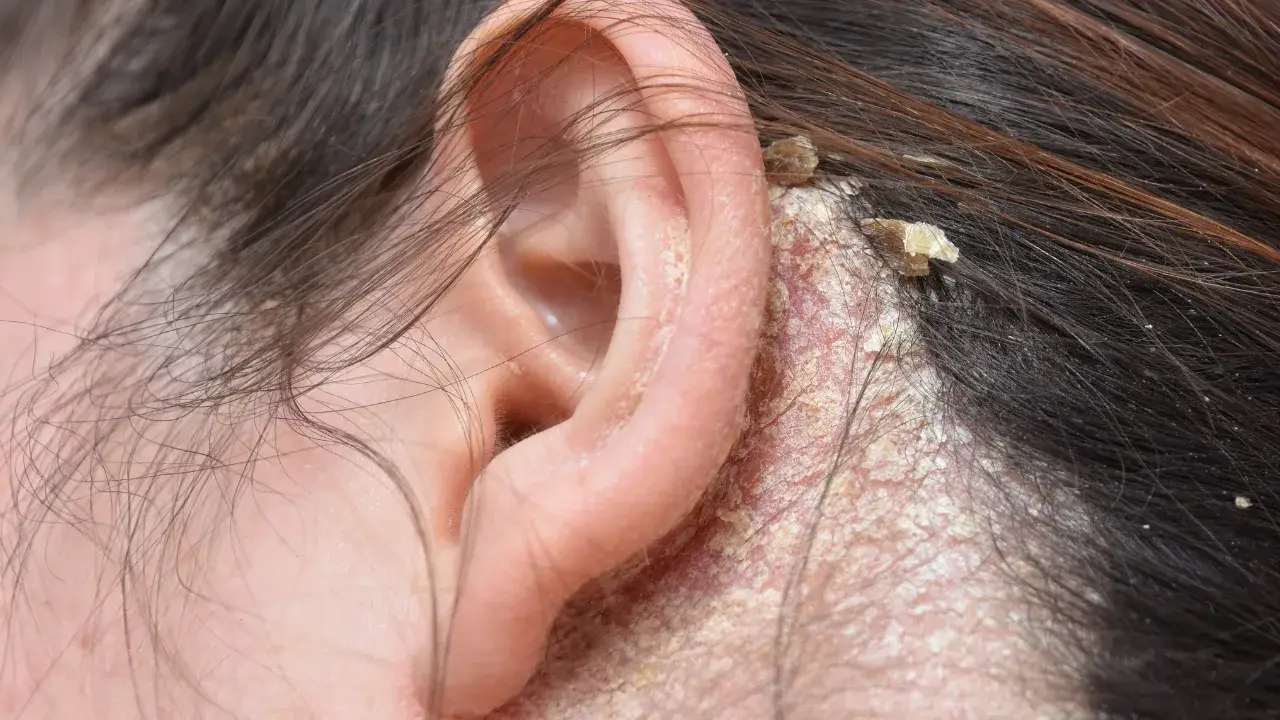
If you’ve seen white flakes on the shoulders of your dark shirts or felt an uncontrollable itch on your scalp, you understand how irritating dandruff can be. While it can be bothersome, it is a manageable skin condition with the appropriate care and understanding. Let’s learn how to control dandruff, so it doesn’t control you!
What Exactly is Dandruff?
Dandruff, which is also medically known as “seborrheic dermatitis” is actually a form of eczema. This means it is a chronic inflammatory condition that is caused by a combination of variables.
Although most people think of dandruff as happening on the scalp, the skin condition can affect any part of the body with oil-producing glands, also known as (aka) sebaceous glands. Other parts of the body that are usually affected are the eyebrows, nose, ears, upper back, upper lip, and bearded area in men.
While there is a great deal we don’t completely understand about dandruff, we do know it is an inflammatory response to the presence of a fungus on the skin, called Malassezia. Malassezia normally lives on the skin’s surface but can overgrow under certain conditions. When the fungus overgrows, the immune system overreacts which leads to skin changes and inflammation, aka dandruff.
What are the Common Symptoms?
Regardless of where you get dandruff, the symptoms are pretty similar. It is good to be aware of the most common symptoms, as dandruff can be easily confused with many other skin conditions including ringworm, psoriasis, allergic reaction (contact dermatitis), and much more.
- Flaking, dry skin – The skin flakes because of the inflammation due to the yeast overgrowth, leading to the rapid shedding of the dead skin cells from the scalp. When the dead skin cells clump together with the oil produced, they form white flakes. Many people can notice this especially when they wear darker-colored shirts, as the flaking skin from their scalp falls on their shoulders throughout the day. This obviously happens regardless of what color shirt you wear; it is simply more apparent with the dark color contrast.
- Itchiness – This is usually the most bothersome symptom for most people. Inflammation in the skin typically results in itchiness. The itchiness leads to scratching, causing the skin to become more irritated. The irritated skin causes the skin cells to overturn, increases cell signaling, and therefore increases inflammation. Now the inflamed skin once again causes an itchy sensation, encouraging one to start scratching again. Thus, the vicious itch-scratch cycle continues.
- Whitish, yellow scaling – This is quite visible in babies with cradle cap but can also be seen on the ears, eyebrows, and sides of the nose. Excess oil in dandruff contributes to the diffuse scaling of the scale. The patches of white/yellow scales on greasy skin are a typical telltale dandruff sign.
- Reddish/pink rash – This can appear differently depending on the skin type and complexion. Whereas on lighter skin patients this can be seen as pinkish rashes, on darker skin types it is seen as lighter lesions relative to the surrounding skin.
- Crusting – The irritated and scratched skin can sometimes lead to crusting due to sebum oozing. Sebum is a natural oily substance formed by the sebaceous glands. The crusting of sebum usually has a golden hue to it.
Who Gets Dandruff?
Dandruff can affect people of any age, race, and ethnicity. So basically, everyone and anyone can get this! It is most common in infants (aka cradle cap), puberty, and adults between the ages of 30-60 years. In teens and adults, it usually affects guys more than girls. To show you how common this skin condition is, almost 50 million Americans suffer dandruff! That’s a lot of flaking!
While in babies, dandruff typically resolves and does not come back, in teens and adults it often comes and goes in cycles of flare-ups. Some medical conditions that reduce the body’s immune system to fight can increase people’s risk of getting this disease. A few of these medical conditions include HIV, acne, psoriasis, Parkinson’s, alcoholism, depression, and even eating disorders like anorexia and bulimia nervosa.
Similar to other forms of eczema, this is not a contagious disease. So, you can’t “catch it” from person to person. It is mainly the result of multiple environmental and genetic factors.
What are the Triggers for Dandruff?
Understanding the causes and triggers of dandruff is necessary for treatment and keeping flare-ups mild. Here we learn more about the triggers so you can anticipate, minimize, and avoid them altogether. The most common potential triggers are:
- Stress – has been known to decrease the immune system’s ability to self-regulate. Since dandruff is an overreaction of the immune system, it’s crucial to lessen stress when possible. This goes for emotional stress (like heartbreaks) and physical stress (like being sleep-deprived), as both can cause dandruff to flare up. So, it is necessary to keep yourself as healthy as possible. Make sure you’re getting enough sleep, have effective stress-relieving mechanisms, and take care of yourself mentally and physically. This can look like yoga, going out for a walk/run, hitting the gym, or meditation. What matters most is finding a stress relief technique you actually enjoy so you will be more likely to incorporate it into your lifestyle.
- Hormonal changes – especially when there is an increase in hormones in time periods such as puberty, or pregnancy there is an increase in oil production which can trigger or worsen dandruff.
- Cold weather – may trigger dandruff because it can cause dry skin. The cold air can hurt the scalp’s protective layer and remove the natural moisture, leading to dryness. More people usually notice if they have dandruff in the winter for this reason. Winter or colder weather does not cause dandruff but makes it more noticeable because it can trigger a flare. While you don’t need to change your vacation plans or can’t change the weather, you can find ways to protect yourself. Like wearing a warm hat, dressing in layers, and making sure to moisturize!
- Medications – certain drugs can worsen dandruff. The most common culprits are fluorouracil, lithium, buspirone, methyldopa, and auranofin. Continuing the medication as prescribed by your healthcare provider is important and takes priority, but you can expect to be more susceptible to dandruff at this time. So, it can be helpful to be more proactive minimizing stress, keep your dandruff shampoo ready, and adjust other triggers that are in your control.
- Harsh chemicals – can irritate the scalp, leading the skin to produce more skin cells to repair the damage, increase skin cell turnover rates, and dry out the skin. Some chemicals responsible for dandruff flare-ups are bleach, alcohol, sulfates, parabens, triclosan, and silicones. Many of these chemicals are found in cleaning products, so be sure to use protective gear, coverings, and gloves. Don’t forget to wash your hands after using any cleaning products!
- Diet – Foods high in sugar, processed foods, and “bad” fats can lead to increased sugar or glucose in the body, resulting in insulin spikes. Insulin spikes can increase oil production and cause overgrowth of Malassezia, causing flare-ups. Just another reason to be mindful of what you eat! Enjoying a sugary treat once in a while is fine, but the key is balance and moderation.
- Excessive amounts of alcohol – Drinking large amounts of alcohol can result in dehydration, inflammation, and increased Malassezia overgrowth. This all leads to the worsening of dandruff. Also, alcohol can increase skin sensitivity, resulting in redness and further itching of the skin. If you’re out for cocktails or enjoying a drink, just be conscious of how much you’re having.
How is Dandruff Treated?
Now that we know everything we need to know about dandruff, we need to know how to treat it! Treatment mainly depends on how bad and bothersome symptoms are. The main goals of treatment are clearing or minimizing disease symptoms, especially the itchiness, and flaking.
Mild dandruff can usually be treated with over-the-counter (OTC) shampoos with ingredients that include: salicylic acid, tar, pyrithione zinc, and selenium sulfide. Some popular brands that include these ingredients are Neutrogena T/Sal Therapeutic Shampoo, Head & Shoulders Clinical Dandruff Defense, Selsun Blue, DermaZinc, and Nizoral Anti-Dandruff. It’s important to pick a shampoo you actually like, because that is the one you will actually use.
If one type of shampoo works for a period of time, but starts losing its effectiveness, you can pick another dandruff shampoo and alternate between the two bottles. Be sure to read the instructions on the bottles, as they are not ordinary shampoos. Typically, with dandruff shampoos, they are intended to cleanse and soothe the scalp. Therefore, most of the products need to be applied and lathered to the scalp and be left on for five minutes whereas others do not require sitting time.
When is it Time to See a Professional for Help?
What if you have been doing everything right, educated yourself on dandruff, made lifestyle changes, used dandruff shampoos, and are still itching and flaking away with dandruff?! If even after consistently using the OTC dandruff shampoos for several weeks, you are still suffering from dandruff it might be helpful to see a doctor or dermatologist for prescription strength medication.
Since dandruff is caused by fungal overgrowth, dermatologists may start treating it with antifungal shampoos and serums. Some commonly used antifungals include ketoconazole 2%, ciclopirox Olamine 1.5%, and zinc pyrithione 1% shampoo/cream/foam. If the dandruff is still not being treated effectively healthcare providers may consider prescribing corticosteroids such as hydrocortisone 1%, betamethasone dipropionate 0.05%, or desonide 0.05%. Corticosteroids help calm inflammation and can give the scalp time to recover. It is important to note corticosteroids can be used for about two weeks, so they are a temporary fix. Using corticosteroids long-term is linked with skin weakening, lightening, folliculitis, stretch marks, and many other things you’re not looking for.
To Wrap it Up
Dandruff is a chronic condition that many people suffer from. Even though it is not life-threatening, this skin condition can be bothersome emotionally, physically, and even socially. There is no cure currently for dandruff but there are many ways to minimize symptoms, reduce flare-ups, and live a high-quality life. With the proper education, tools, resources, and professional help you can effectively control your dandruff. Remember, you can control dandruff! Don’t let this flaky guy control you!