If you need a dermatologist for fingernail fungus, DermOnDemand offers fast and discreet care led by Dr. Alicia Atkins. Our board-certified team provides expert fingernail treatment that goes beyond home remedies and over-the-counter products.
Key Takeaways
- A dermatologist for fingernail fungus can provide accurate testing and prescription-grade treatments that outperform home remedies or over-the-counter products.
- Nail fungus often causes thick, brittle, or discolored nails, and diagnosis may require lab tests to distinguish it from other nail conditions such as psoriasis or trauma.
- Effective treatment options include topical medications, oral antifungals, and advanced procedures like laser treatment, chosen based on the severity of the infection.
- Prevention strategies such as proper hygiene, avoiding shared nail tools, and limiting nail polish use are key to maintaining healthy nails and reducing recurrences.
- Online dermatology services like DermOnDemand, led by Dr. Alicia Atkins, make it possible to have nail infections diagnosed and treated quickly without in-office visits.
What Is Nail Fungus and What Causes It?
What Causes Nail Fungus
Nail fungus develops when microscopic fungi enter the nail plate through cracks or small injuries. Warm and moist environments, such as sweaty shoes or frequent water exposure, increase the risk of nail infections. People with diabetes or weakened immune systems face a higher chance of developing a fungal nail infection.
Toenail vs Fingernail Fungus – Key Differences
Fungus can affect fingernails and toenails, but toenail infections are more common due to shoes trapping heat and moisture. Fingernail infections often result from frequent handwashing, nail polish use, or artificial nails that trap moisture. Both types are nail conditions that can spread if not diagnosed and treated early.
Fingernail Fungus Pictures – What It Looks Like
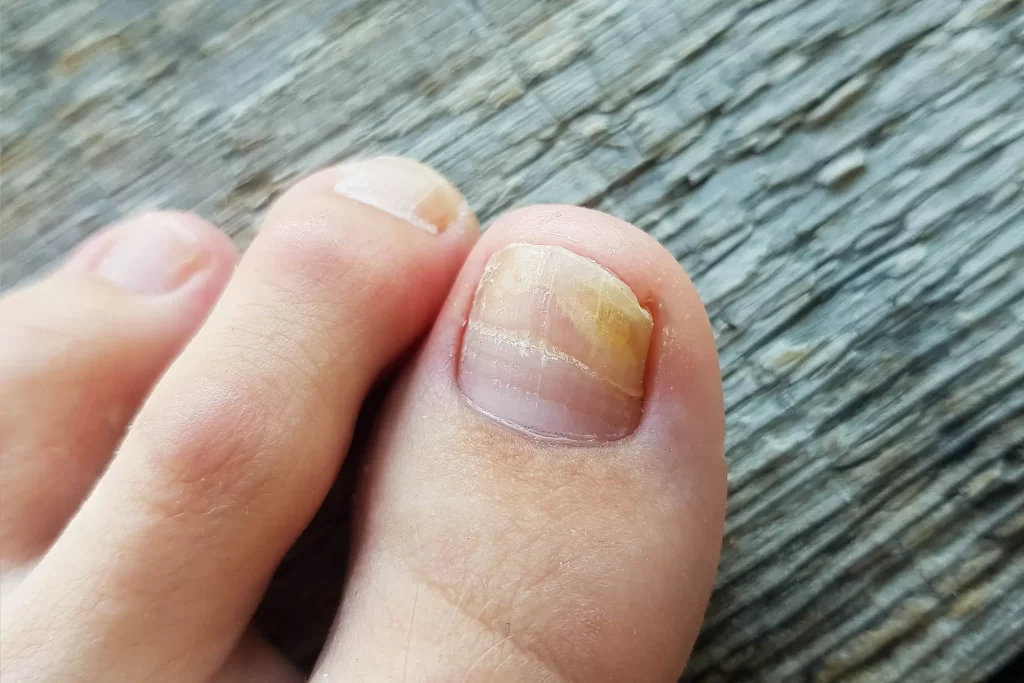
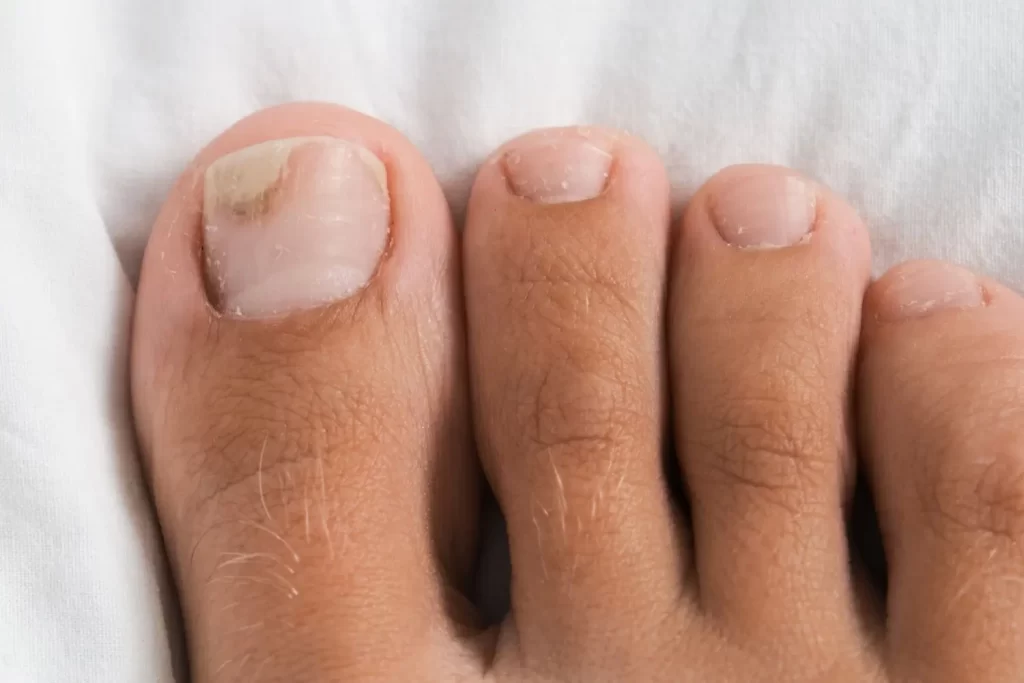
Fungal infections usually show yellow, white, or brown discoloration. The nail plate may thicken, crumble, or separate from the skin beneath. In advanced nail disorders, the nail may become brittle or painful, making daily tasks difficult.
Symptoms That Signal You Need Treatment
Warning signs include thickened nails, brittle nails, discoloration, or foul odor. If fingernails and toenails become distorted or painful, professional nail care is needed. Early attention prevents worsening nail problems and protects surrounding skin.
Which Doctor Treats Nail Fungus?
Does a Dermatologist Treat Fingernail Fungus?
Yes. A dermatologist is the right fingernail doctor for fungal nail infection. Dermatologists are trained to identify nail disorders, prescribe effective medications, and manage side effects from treatments.
Podiatrist or Dermatologist for Toenail Fungus
Podiatrists also treat nail problems, especially ingrown nails or foot-related issues. However, dermatologists specialize in nail infections, nail disorders, and skin diseases. If you have fingernail or toenail fungus, a dermatologist ensures accurate diagnosis and access to prescription-strength care.
Nail Specialist Near Me: How to Choose
When searching for a nail specialist doctor near me, patients should prioritize board-certified dermatologists. Experience in treating nail conditions, access to oral antifungals, and options like laser treatment make dermatologists the most reliable choice for long-term results.
Why Choose a Dermatologist for Nail Fungus?
Benefits of Seeing a Dermatologist
A dermatologist provides fingernail treatment tailored to your needs. Unlike over-the-counter products, dermatologists prescribe topical medications and oral antifungals that penetrate the nail plate and target the fungus directly. They also treat related nail conditions, such as brittle nails, nail disorders, or ingrown nails, ensuring complete nail care.
Finding the Best Dermatologist Near You
When comparing options, look for dermatologists with proven experience treating nail infections. DermOnDemand offers online consultations, eliminating the need for waiting rooms and delays. With guidance from Dr. Alicia Atkins, patients receive treatment plans tailored to promote healthy nails and lasting recovery.
How Dermatologists Test for Nail Fungus
A dermatologist does more than look at the nail surface. To confirm a fungal nail infection, they may collect nail scrapings or clippings for laboratory analysis. This prevents confusion with other nail conditions and ensures the right treatment plan.
Common tests include:
- KOH preparation – a quick microscope test that detects fungal elements.
- Fungal culture – identifies the exact type of fungus, which helps guide therapy.
- PAS stain or biopsy – used for complex nail disorders that mimic fungus.
These tests ensure that the condition is diagnosed and treated correctly, thereby reducing the risk of unnecessary or ineffective therapies.
How Dermatologists Diagnose Nail Fungus
Diagnosis requires more than looking at the nail. A dermatologist may take nail scrapings or clippings to test for fungus under a microscope. This prevents confusion with other nail conditions, such as psoriasis or eczema. Accurate testing ensures the right condition is diagnosed and treated with the safest medications.
Other Nail Conditions That Mimic Fungus
Not all nail problems are caused by fungus. Conditions such as psoriasis, lichen planus, or trauma to the nail plate can look similar to a fungal nail infection. These nail disorders may cause thickening, discoloration, or brittle nails that resemble fungus.
A fingernail doctor carefully distinguishes between these nail conditions using tests and clinical expertise. For example, psoriasis may affect fingernails and toenails with pitting or ridges, while trauma can lead to bruising or detachment. Accurate diagnosis ensures patients receive the right fingernail treatment and avoid unnecessary antifungal medications.
Nail Fungus Treatments That Work
What Is the Most Effective Treatment for Toenail Fungus?
The most effective treatment usually combines oral antifungals with topical medications. Oral antifungals reach the bloodstream and target the fungus beneath the nail plate, while topicals strengthen results. A dermatologist decides the right combination based on your nail disorders and health profile.
How to Cure Fingernail Fungus Fast
No treatment works instantly, but early medical care shortens recovery. Dermatologists may prescribe topical medications for mild nail conditions or oral antifungals for advanced nail infections. Fingernail treatment plans are personalized to reduce risks and improve nail health within months.
Home Remedies and Myths About Fast Cures
Some patients try tea tree oil or vinegar soaks for fungal nail infection. While tea tree oil may reduce mild symptoms, it cannot fully cure nail infections. Claims about instant cures or what kills toenail fungus instantly are myths. Professional care is required for lasting results.
Over-the-Counter vs Prescription Options
Over-the-counter creams may relieve minor nail problems but often fail to penetrate the nail plate. Prescription topical medications and oral antifungals offer deeper results. Dermatologists also monitor side effects to ensure safe and effective care.
Advanced Procedures for Stubborn Infections
If medications are not enough, dermatologists may recommend laser treatment. This therapy targets the fungus beneath the nail without damaging the surrounding tissue. In rare cases, removal of the infected nail plate may be needed to allow a healthy nail to regrow.
Prevention and Long-Term Nail Health
Daily Care and Hygiene Tips
To maintain healthy nails, keep your hands and feet clean and dry. Change socks often, avoid sharing nail tools, and trim nails straight to reduce ingrown nails. Use breathable shoes and limit nail polish use if recovering from nail infections.
Timeline for Healing and Results
Fingernails may clear in three to six months, while toenails often take nine to twelve months. Recovery depends on the severity of the fungal nail infection and adherence to treatment. Consistent nail care helps prevent new nail problems.
Start Your Online Dermatology Plan Today
DermOnDemand makes it simple to have nail infections diagnosed and treated quickly. Book your private consultation and receive prescription-grade care from Dr. Alicia Atkins and her team.