
Yes, Accutane can affect periods in some patients, while others notice no change. Studies report a mix of outcomes, including delayed or missed periods, early bleeding, and irregular cycles, often temporary during isotretinoin treatment.
Factors such as baseline cycle patterns, dose, stress, and birth control can affect results, so the answer to “Does Accutane Affect Your Period” depends on the individual context.
Track timing, flow, and cramps, and speak with your dermatologist if changes persist or are severe.
DermOnDemand provides acne treatment with prescription care reviewed by board-certified dermatologists, led by Dr. Hannah Kopelman. Patients often ask if isotretinoin affects menstrual cycles and what studies actually show. This guide explains what to expect, what to track, and when to check in with your dermatologist.
Key Takeaways
- Accutane can cause temporary menstrual changes, such as delayed, missed, or irregular periods, but many patients experience no disruption at all.
- Cycle changes are usually mild and influenced by factors like dosage, stress, and concurrent birth control use.
- Most menstrual patterns return to normal within a few months after completing isotretinoin treatment.
- Patients should track cycle timing, flow, and cramps, and contact their dermatologist if changes persist or worsen.
- Dr. Hannah Kopelman and the DermOnDemand team emphasize monitoring, clear communication, and pregnancy testing to ensure safe, effective care.
How Accutane Changes Your Period Cycle
Can Accutane Make You Miss or Delay Your Period — and for How Long?
Some patients experience menstrual irregularities during therapy, often limited to a few cycles. Hydration, stress, and weight shifts can add to variability: track start dates, flow, and symptoms to see patterns over time.
Can Isotretinoin Cause Early or Irregular Periods?
Early bleeding or spotting may appear mid-cycle. Irregular intervals can cluster early in therapy, then stabilize. If bleeding is persistent or heavy, contact your dermatology team for review.
Period Cramps, Flow, and Comfort on Accutane
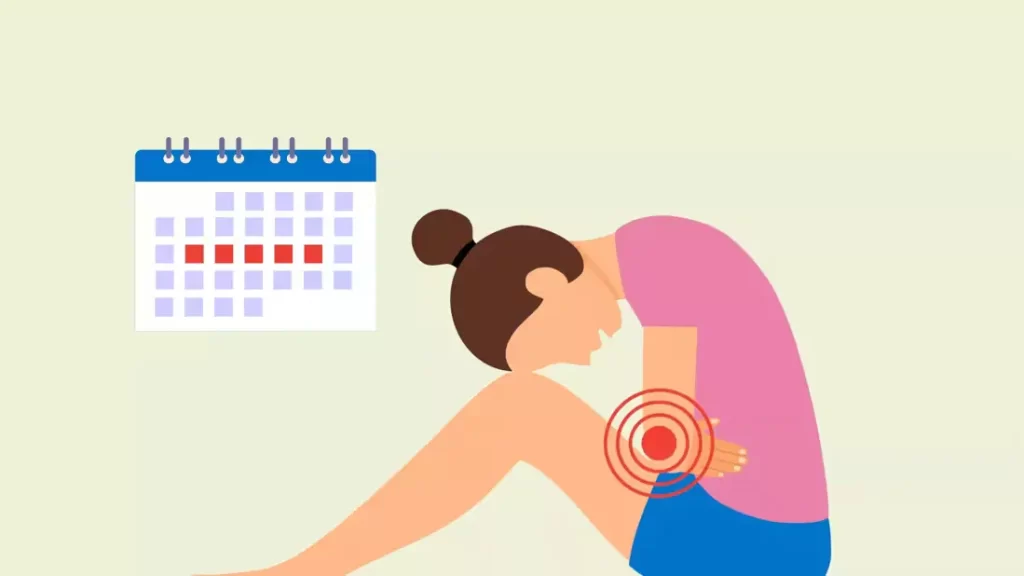
Does Accutane Affect Period Cramps, Flow, or Pain?
Some patients notice stronger cramps or a change in flow. Others feel no difference. Use a simple log to track cycle-to-cycle changes during isotretinoin treatment.
Can I Take Isotretinoin During My Period?
Yes. You can continue your medication during a period unless your prescriber advises otherwise. If cramps or bleeding patterns feel new or severe, send a message with details and timing.
After Accutane: How Your Cycle Recovers
Can Coming Off Accutane Affect Your Cycle?
Cycle timing may fluctuate briefly after you stop. Many patients return to their baseline within 1 to 3 cycles. Ongoing irregularity warrants a review to rule out other causes.
When to Expect Your Period to Normalize
Normalization varies by person. Expect gradual stabilization rather than a single perfect cycle. If timing or symptoms feel off beyond three cycles, schedule a follow-up.
What Research and Dermatologists Say
Does Isotretinoin Induce or Regulate Periods?
Data do not show a consistent inducing or regulating effect across all patients. Studies report a wide range of outcomes, reflecting different populations and methods. Individual history remains the strongest predictor of how your cycle behaves.
Key Findings From Clinical Studies
- Reports include delayed, missed, and irregular bleeding.
- Many changes are temporary and resolve after therapy.
- Sample sizes, selection bias, and self-reporting can limit certainty.
How Hormonal Birth Control Affects Study Outcomes
Birth control can mask or modify cycle changes. It may reduce cramps or stabilize timing, which complicates interpretation. Always note the method and start date when recording symptoms.
Related Questions About Tretinoin and Hormonal Effects
Can Tretinoin Affect Your Menstrual Cycle?
Topical tretinoin acts on the skin with minimal systemic absorption. It is not expected to change cycle timing. Report new symptoms to your clinician so they can check for other causes.
How Topical Tretinoin Differs From Oral Isotretinoin
Oral therapy is systemic and reaches oil glands and other tissues. Topical formulas act locally. Distinguishing these routes helps set realistic expectations for side effects.
What to Do If Your Period Changes
When to Contact Your Dermatologist
Reach out if you have any of the following:
- Heavy bleeding that soaks a pad or tampon every hour for several hours.
- Persistent missed periods for more than two cycles not explained by birth control.
- Severe cramps, dizziness, or new-onset clotting.
How to Track and Discuss Symptoms Safely
- Use a calendar or app to log cycle start, flow, cramps, and mood.
- Note dose changes, new medicines, or life stressors.
- Share screenshots or a simple table so your clinician can compare trends.
Understanding Accutane and Your Cycle
Menstrual changes can happen during isotretinoin treatment, yet many patients see little or no shift. Tracking helps you spot patterns and decide if you need an adjustment. If symptoms persist or escalate, book a quick check-in with a board-certified dermatologist at DermOnDemand.
Practical Guidance for Patients
What cycle changes look like in practice
You might see a period arrive a week late or notice spotting between cycles. Some patients report lighter flow, while others report heavier days. These shifts often settle as your body adapts.
Simple steps that help
- Keep steady sleep times and hydration.
- Log exercise, illness, or travel that can affect timing.
- Use heat packs and gentle stretching for cramps.
Questions to ask during follow-up
- Could dose adjustments ease my symptoms without lowering results?
- Do I need lab work or a gynecology referral?
- Should we change the visit frequency until my cycle stabilizes?
Safety and Pregnancy Prevention
Why pregnancy prevention matters with isotretinoin
Isotretinoin carries a known risk of birth defects. Strict prevention during therapy and for a period after treatment protects you and a future pregnancy. Your care plan includes pregnancy testing to confirm safety.
Birth control and documentation
Two forms of contraception are often required. Discuss options that fit your health and preferences. Keep records of pregnancy tests and the methods used so your file stays current.
Setting Expectations for Side Effects
What to expect beyond cycle changes
Common isotretinoin side effects include dry lips, dry skin, and temporary sun sensitivity. Some patients report joint pain after intense activity. Use lip balm, moisturizers, and sunscreen, and pace workouts as needed.
When to alert your care team
Call if you notice severe headaches, vision changes, yellowing of the eyes, or mood changes. These findings need prompt review. Save photos of rashes or unusual bruising for your message.
Who Is a Good Candidate
Matching therapy to your goals
Isotretinoin helps severe acne and other skin conditions that have not improved with standard care. If oil production is a key concern, read Accutane and oily skin. A structured plan monitors labs, cycle changes, and overall tolerance. The goal is clear skin with a safe experience.
Role of expert oversight
Dr. Hannah Kopelman emphasizes clear education and close follow-up. Expert review supports safe dosing and timely adjustments. DermOnDemand provides digital check-ins that fit busy schedules.
Evidence, Limits, and Context
What studies tell us
Studies describe menstrual changes in a subset of patients. Many changes are temporary and resolve after completion. Design limits and varied populations make precise prediction difficult.
Why context matters
Baseline irregular cycles, thyroid issues, and stress can influence timing. Birth control methods add another layer that can steady or alter patterns. Your log helps your clinician separate medication effects from other factors.
How to Prepare for Your Visit
Information to bring
- First day of your last three periods.
- Any missed pills or method changes for contraception.
- A list of new medicines or supplements.
Questions your clinician may ask
- Have you noticed changes in flow, cramps, or mood?
- Did timing shifts start before or after therapy began?
- Are you under new stress at work or at home?
Treatment Adjustments and Follow-up
Options if symptoms are bothersome
Your prescriber may suggest dose spacing, dose reduction, or supportive care. Short-term Non-Steroidal Anti-Inflammatory Drugs (NSAIDs) use may help cramps if safe for you; review Accutane and ibuprofen before taking any pain reliever. Never change dosing without guidance.
Visit cadence and communication
Digital care works best with quick updates. Send your cycle log before your check-in so your dermatologist can prepare. DermOnDemand replies with clear next steps.
Quick Reference: When to Seek Care
- Heavy bleeding, dizzy spells, or clots larger than a quarter.
- Missed periods beyond two cycles without an apparent reason.
- Any sign of pregnancy while on therapy.
- Severe new pain or symptoms that limit daily life.