
Most clinical series report a high Accutane Success Rate: about 85–95% of patients achieve complete or near-complete clearance by the end of a standard course, with one large cohort showing 92% cleared at the end of treatment.
Long-term control is standard, though relapse can occur and may call for maintenance care or a second course. Clinicians monitor labs every 30 days, manage side effects such as dryness, and adjust dosing to support durable results.
In this educational explainer prepared in consultation with medical expert Dr. Alicia Atkins, we outline the Accutane success rate, why results vary, safety considerations, including birth defects, and what to expect during a typical course of Accutane with monitoring through DermOnDemand in a neutral, factual way.
Key Takeaways
- Most clinical studies report an Accutane Success Rate of 85–95%, with most patients achieving clear or near-clear skin by the end of treatment.
- Relapse occurs in roughly 10–60% of cases over one to two years, and higher cumulative doses reduce this risk.
- Accutane works by shrinking oil glands, preventing clogged pores, and lowering inflammation, making it an effective treatment for severe or cystic acne.
- Common effects, including dry skin and lip irritation, are manageable with proper care and monitoring every 30 days during a course of Accutane.
- Long-term control often depends on reaching the full cumulative dose, following medical guidance, and maintaining gentle skincare after therapy.
How Well Accutane Works
What are the odds of Accutane working?
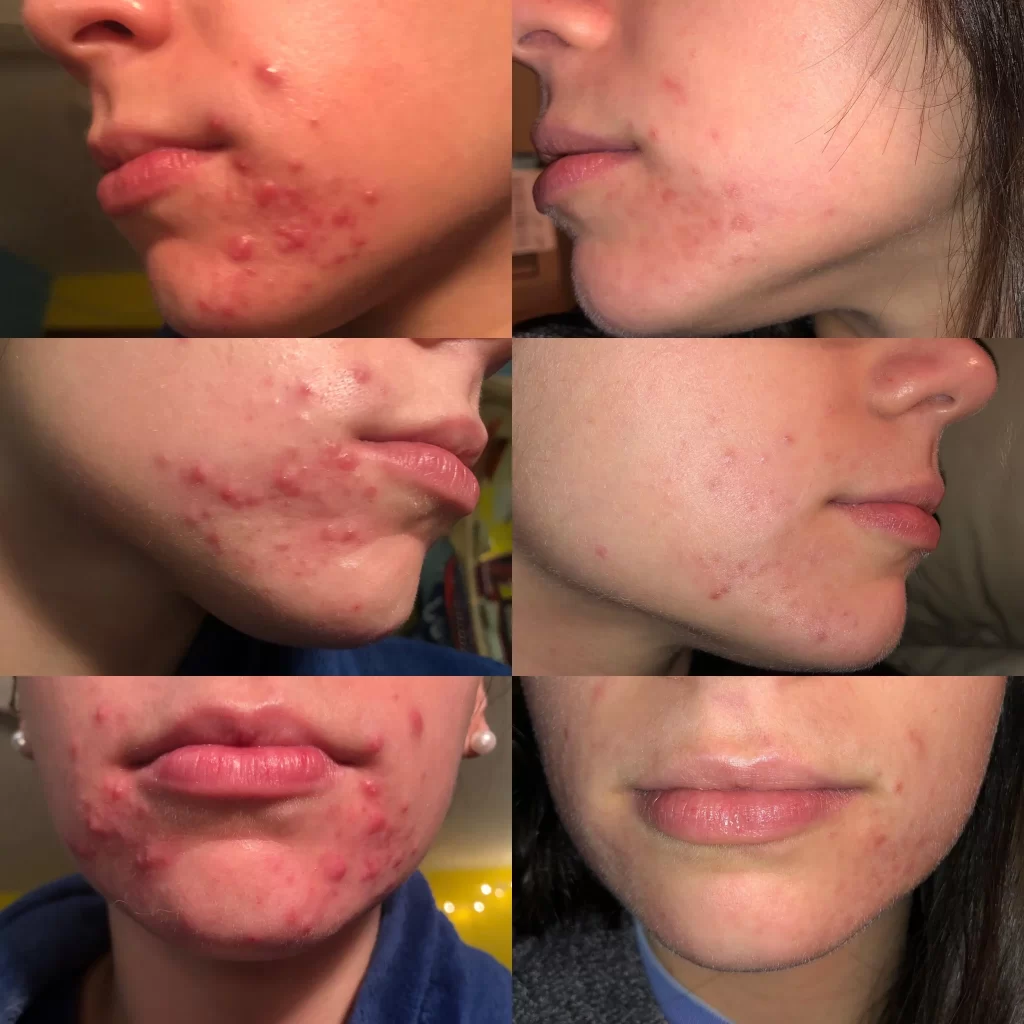
Accutane treatment is considered an effective treatment for people who need a treatment for severe acne. In clinical studies, most patients reach clear or almost clear skin by the end of therapy.
Reported figures vary, so the success rate depends on dose, duration, and acne type. These outcomes reflect controlled use under medical supervision.
Early results and treatment timelines
Most people start to notice less oil and fewer new breakouts after several weeks. Early dryness can appear before visible clearing. Typical courses last four to six months, though some schedules differ. Doctors adjust pace and duration based on progress and tolerance.
Factors That Influence Accutane Results
Accutane success rate in women
Success in a female patient often mirrors overall results, but hormonal patterns can influence timing and relapse risk. Regular pregnancy prevention steps are essential due to the risk of birth defects. Monitoring includes monthly evaluations and lab checks. Clinicians individualize the dose to balance benefit and safety.
Accutane success rate in men
Men often respond well to isotretinoin because it directly targets oil glands. A larger body weight may require dose adjustments to achieve the intended cumulative dose. Consistent use and follow-up visits support stable results. Scalp or truncal acne may take longer to clear than facial acne.
How effective is Accutane for hormonal acne
Accutane can reduce lesions in hormonal acne by shrinking oil glands and lowering inflammation. Some patients still need maintenance strategies focused on hormones after the course. Doctors may discuss adjunct options if flares cluster around cycles. Tailored plans are standard in this group.
Key factors that influence results
Key drivers include cumulative dose, adherence, baseline severity, and concurrent conditions. Missing capsules or ending early lowers the chance of full clearance. Certain medicines or skin disorders can modify the response. Practical skin care choices also matter throughout therapy.
When Accutane may not work well
Persistent hormonal triggers, severe scarring tendencies, or medically complex cases may limit response. In these situations, dermatologists layer therapies or plan retreatment. Clear expectations and close follow-up help adjust plans in real time. The goal is durable control, not short bursts.
Scarring or nodular acne patterns
Cystic acne and nodular patterns respond, but they may need longer schedules. Clearing reduces new scars, but existing acne scarring may need later procedures. Doctors often defer scar treatments until breakouts are controlled. A staged approach protects healing and results.
Underlying medical conditions
Metabolic or endocrine conditions can change outcomes or dosing. A careful medication list review is essential to avoid interactions. Routine labs assess liver function and lipids during therapy. These checks support safe, steady progress.
Long-Term Outcomes
Accutane’s long-term success rate
Long-term control is common when patients complete the planned course and reach the intended cumulative dose. Many maintain clear or near-clear skin after treatment ends. Maintenance routines focus on simple habits that protect results. Realistic planning helps patients understand expected stability.
Does Accutane fix acne forever?
Accutane does not guarantee permanent remission for every person, and dermatologists often discuss what “permanent results” mean in detail in Is Accutane permanent.
Some patients experience minimal activity after therapy, while others need limited maintenance. Dermatologists discuss the individual relapse rate and how to respond early. Transparency supports informed choices.
Why relapse happens
Relapse can occur if oil production gradually increases or if hormonal patterns persist. Genetics, baseline severity, and incomplete courses play a role. Skincare routines that clog pores may also contribute to the formation of new lesions. Early attention to small flares can limit recurrence.
When retreatment may be recommended
A second course may be considered when relapse is significant and persistent, as explained in Is a second round of Accutane the right choice for you. Doctors confirm that the previous dose and duration were adequate. They also review alternatives before repeating a complete plan. Shared decision-making guides the next steps.
How Dermatologists Assess Progress
How improvement is measured
Clinicians measure lesion counts, distribution, and changes in inflammation over time. They document function and quality of life, which often improve as outbreaks decline. Photos and structured scales add consistency to evaluations. This helps distinguish short flares from real setbacks.
Monitoring and dosing practices
Monitoring typically occurs about every 30 days during therapy. Visits review side effects, lab trends, and adherence. Dose adjustments help achieve the target cumulative dose while maintaining safety. Consistent follow-through supports steady gains.
When results may take longer
Deep or widespread involvement often requires a complete course to achieve sustained change. Some patients improve slowly and then stabilize near the end. Adjusting skincare to avoid irritants reduces setbacks. Doctors guide pacing to protect tolerance and outcomes.
Side Effects That Impact Outcomes
Common treatment effects
Common effects include dry skin, chapped lips, and eye dryness. These usually respond to moisturizers, lip balms, and gentle cleansers. Sunscreen is helpful because the skin may become more sensitive. Clear guidance helps patients stay comfortable and consistent.
Less common reactions
Less common reactions may include muscle aches, mood changes, or shifts in lab values, as outlined in isotretinoin side effects. Doctors screen for risk factors and track findings across visits. Any new or worrisome symptom deserves prompt review. Safety steps protect the overall plan.
When to seek medical guidance
Contact your care team if you experience headaches, vision changes, severe mood symptoms, or unusual pain. Report rashes, severe sun reactions, or persistent nosebleeds. Discuss all medicines and supplements to avoid interactions. Immediate help protects health and results.
Treatment Alternatives
Oral options
When isotretinoin is not suitable, oral antibiotics, hormonal therapies, or other agents may help treat severe acne. Choice depends on severity, patterns, and coexisting conditions. Doctors tailor options to risk profiles. The goal is control with an acceptable tolerance.
Topical regimens
Topical retinoids, benzoyl peroxide, and noncomedogenic routines help prevent acne lesions. Combining products can target multiple pathways that clog pores. Gentle skincare reduces irritation during and after therapy. Maintenance plans support stable skin.
In-office procedures
Light, laser, and extraction methods can complement medical care. Scar treatments usually begin after active acne has cleared. Your clinician may stage procedures to support healing. Plans align with risk, goals, and downtime needs.
How Well Accutane Works – Supplemental Context for Patients
Accutane targets oil glands to reduce sebum production and inflammation, helping unclog pores. This mechanism can treat severe acne and prevent the formation of deep lesions during therapy. Many people view isotretinoin as an effective treatment when other options fail. Clear communication about timelines supports adherence.
Safety Essentials Patients Should Know
Isotretinoin can cause birth defects, so strict pregnancy prevention and testing are required for people who can become pregnant. A female patient will receive specific guidance on contraception and monthly checks.
Everyone in therapy should avoid blood donation and discuss any planned procedures. DermOnDemand supports safe, educational guidance without promoting particular outcomes.
Practical Care Tips During a Course of Accutane
Use gentle cleansers, noncomedogenic moisturizers, and broad-spectrum sunscreen. Plan for dry skin and carry lip balm to prevent cracking. Limit harsh scrubs and avoid pore-clogging products. These steps help maintain tolerance and keep the Accutane treatment on schedule.
Setting Realistic Expectations
Accutane can treat severe acne by addressing root drivers, but it does not erase all risk of relapse. The relapse rate varies with cumulative dose, baseline severity, and ongoing triggers. Discuss acne scarring plans after active disease is controlled. Realistic goals and steady follow-up support long-term control.
If you’re considering isotretinoin or want to understand your own Accutane success rate and long-term options, you can explore personalized medical guidance through DermOnDemand to discuss safe, evidence-based treatment planning with a licensed dermatologist.