Fish Oil and Accutane: Benefits, Safety, and Evidence
This article explains current evidence on fish oil and Accutane, including how isotretinoin works, why fat intake matters, and whether supplements affect side effects or outcomes.
According to Dr. Alicia Atkins, a board-certified dermatologist, understanding both the potential benefits and clear limits of combining isotretinoin with supplements is essential for safe, informed care.
DermOnDemand offers educational dermatology content to help patients understand treatments and safety considerations.
Key Takeaways
- Fish oil supplements can usually be taken with isotretinoin if they do not contain vitamin A, but they should never replace medical guidance or prescribed treatment.
- Fish oil does not improve isotretinoin absorption or acne clearance; taking isotretinoin with any dietary fat is what supports proper absorption.
- Omega-3 fatty acids may help some patients tolerate common side effects such as dry skin or joint discomfort, but results vary and benefits are not guaranteed.
- Fish oil has not been shown to cause acne or breakouts in most people, and it does not treat acne scars or reverse existing skin damage.
- Patients should review all supplements with a healthcare professional during isotretinoin treatment, especially if side effects worsen or new symptoms appear.
Can You Take Fish Oil With Accutane?
In general, most clinicians allow fish oil supplements during treatment when there are no specific contraindications. The primary concern is avoiding excess vitamin A, which could increase the risk of an adverse effect, and understanding how isotretinoin can affect triglyceride levels during Accutane treatment.
Isotretinoin already delivers a vitamin A derivative, so adding vitamin A supplements could raise safety concerns. Fish oil products that contain only omega-3 fatty acids do not add vitamin A and are usually considered acceptable. A healthcare professional should always review supplement use before and during treatment.
Does Fish Oil Help Accutane Absorption?
Isotretinoin is a fat-soluble medication, so clinicians often recommend taking the drug with a meal that includes fat. However, fish oil does not appear to increase drug absorption more than other fats. Studies show that isotretinoin absorption depends on total dietary fat, not on a specific fat source.
The role of fish oil is more focused on side-effect management than on improving acne clearance. Some patients assume that fish oil supplements improve absorption beyond this effect.
How to Reduce Side Effects of Isotretinoin
The effect of isotretinoin on oil glands explains many of its typical side effects. Reduced oil production can lead to dry skin, lip irritation, and dryness of the eyes or nasal passages, especially for patients adjusting from very oily skin before Accutane. These changes are expected and are mostly dose-dependent.
Supportive care usually includes gentle skin care products, lip balms, and adequate hydration. Some clinicians also discuss omega-based supplements as part of a broader approach to comfort during therapy.
Omega-3 and Other Accutane Supplements
Omega-3 is considered among the top supplements to take while on Accutane. Omega-3 fatty acids have anti-inflammatory properties that supposedly support skin barrier function. They may also help with reducing inflammation related to dryness or joint discomfort.
Fish oil without vitamin A is preferred during isotretinoin therapy. Supplements that contain vitamin A, beta-carotene, or retinoids should be avoided. This precaution reduces the risk of vitamin A toxicity and related complications.
The Best Omega-3s for Accutane
The best omega-3 options during treatment are purified fish oil supplements that list EPA and DHA content clearly. These formulations focus on omega-3 supplements without added vitamins. Quality and dosing consistency matter more than brand names.
Dosing varies because patient needs differ. Body weight, baseline diet, and tolerance all influence how supplements affect symptoms. A healthcare professional can help determine whether supplementation is appropriate in a given case.
What Supplements to Avoid on Accutane
Certain supplements raise safety concerns when used with isotretinoin. Vitamin A products, high-dose multivitamins, and herbal supplements with unclear effects should be avoided. These products may increase the risk of an adverse effect or interfere with monitoring.
Patients should also avoid supplements marketed for rapid skin changes or detox effects. These claims often lack evidence and can complicate treatment. Clear communication with a clinician remains essential.
Fish Oil and Accutane: Patient Experiences
Online forums often include discussions about fish oil and Accutane use during treatment. Many patients report reduced discomfort from dry skin or joint stiffness. These reports reflect personal experiences rather than controlled evidence.
Patient anecdotes can help identify common concerns, but cannot replace clinical guidance. Bodily responses to supplements vary widely, and improvement regarding side effects is not guaranteed. Online advice should always be weighed against medical recommendations.
Does Omega-3 Cause Acne or Breakouts?
Current evidence does not support omega-3 fatty acids as a direct cause of acne vulgaris. In some cases, omega-3 intake may actually support reducing inflammation associated with acne lesions.
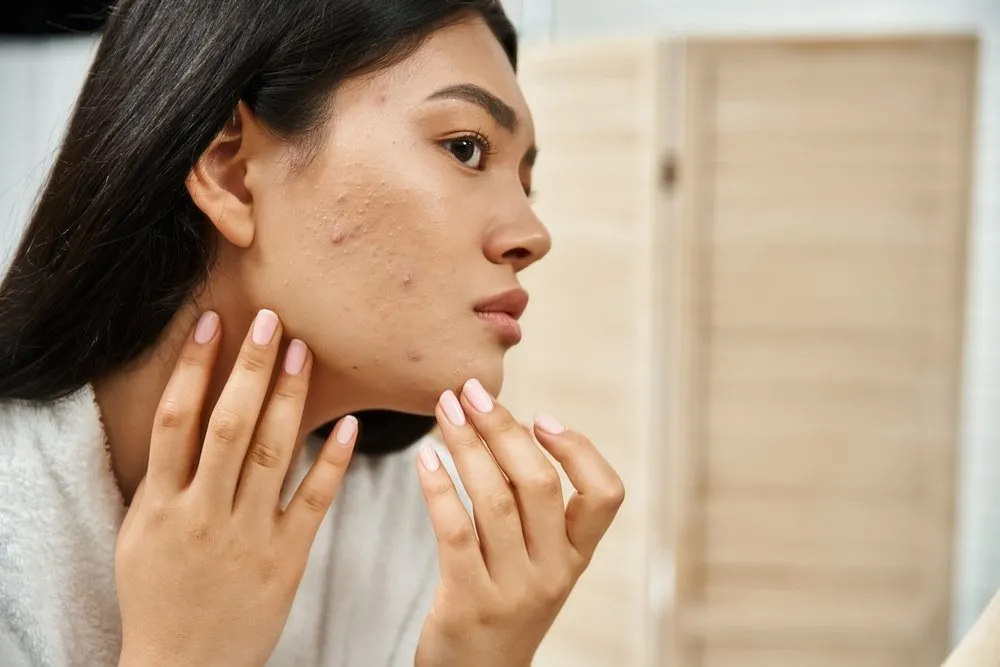
Breakouts, on the other hand, are more likely related to other factors such as diet, skin care products, or hormonal changes. Fish oil itself has not been shown to clog pores or directly worsen acne.
Inflammation and Acne Myths
Some myths suggest omega-based supplements lead to clogged pores or worsening acne. These claims are not supported by any clinical evidence. Omega-3 fatty acids are non-comedogenic and do not block follicles.
Acne activity depends on multiple factors, including genetics, hormones, and the effect of isotretinoin on sebaceous glands. Supplements alone do not determine outcomes. Careful skin care, skin-care products and adherence to treatment plans matter more.
Fish Oil for Acne Scars
After completing treatment, patients will probably want to know how to deal with acne scars. Supplements do not remodel scar tissue or reverse established scarring. Scar changes involve deeper skin structures that supplements cannot alter.
Fish oil may support general skin health by reducing inflammation, but it does not treat acne scars. Procedures such as laser therapy or microneedling address scars more directly. Realistic expectations help prevent frustration in the future.
Antihistamines and Accutane
Some clinicians discuss the use of antihistamines during isotretinoin therapy for itch or allergic-type symptoms. Antihistamines do not affect acne treatment outcomes and may provide comfort for selected patients.
Combining antihistamines with isotretinoin should be guided by medical advice. Patients should report new symptoms or concerns promptly. This approach supports safety and treatment adherence.
Common Myths About Fish Oil and Accutane
A common myth is that fish oil improves absorption or speeds up results. Studies show no evidence that fish oil enhances isotretinoin effectiveness or accelerates the improvement of acne. Its role remains supportive rather than therapeutic.
Another myth is that supplements can replace prescribed acne treatment. Isotretinoin remains the primary therapy for severe acne vulgaris, though outcomes vary and patients often ask whether Accutane results are permanent.Supplements may assist with comfort, but do not treat acne on their own.
When to Talk With a Clinician
Patients should contact a healthcare professional if side effects become severe or unexpected. Symptoms such as persistent joint pain, mood changes, or signs of vitamin A excess require evaluation. Safe care depends on monitoring and communication.
Growth-related concerns sometimes arise, especially for adolescents. Extensive studies show no link between isotretinoin use and reduced adult height, which helps address these fears. Discussing concerns early on supports informed and safe treatment decisions.
This article reflects current evidence and clinical understanding as part of DermOnDemand’s educational mission. It aims to clarify how supplements fit into acne treatment while emphasizing safety, accuracy, and realistic expectations.
FAQs About Fish Oil Use and Accutane
Can fish oil cause breakouts?
Fish oil does not usually cause breakouts. Most evidence suggests omega-3 fatty acids are non-comedogenic and do not clog pores, though individual responses can vary.
Can I take fish oil while using Accutane?
Fish oil intake is safe for many patients during isotretinoin treatment if the supplement does not contain vitamin A. However, always confirm with your healthcare professional before using any kind of supplement.
Does fish oil make Accutane work better?
Fish oil does not increase the effectiveness of isotretinoin or speed acne improvement. Isotretinoin absorption depends on taking it with dietary fat, not on specific supplements.
Can fish oil help with Accutane side effects?
Some patients report less dry skin or joint discomfort when using omega-3 supplements. These effects are supportive and vary from person to person.
Should I stop fish oil if my acne worsens?
If acne worsens or new symptoms appear, stop the supplement and speak with a clinician. This said, changes in acne are often due to multiple factors, not supplements alone.