Accutane can cause temporary hair shedding in some patients, but this effect is uncommon and does not occur in most people taking isotretinoin.
This article reviews the relationship between Accutane and hair loss, how isotretinoin can affect hair growth, how often this occurs, and what most patients can expect over time.
This educational overview reflects the type of clinical guidance shared by dermatology experts such as Dr. Alicia Atkins, a physician affiliated with DermOnDemand. It is intended to help readers understand evidence rather than outcomes.
Key Takeaways
- When hair changes occur, they are usually related to telogen effluvium, a reversible shift in the hair growth cycle rather than permanent damage to hair follicles.
- Hair thinning linked to Accutane is typically diffuse and mild, and actual permanent hair loss or balding from Accutane is considered rare based on available clinical evidence.
- Supportive measures such as gentle hair care and avoiding harsh chemical treatments may help reduce shedding, though they cannot entirely prevent medication-related changes.
- A medical professional should evaluate persistent, severe, or long-lasting hair loss to rule out other causes and guide appropriate care.
Can Accutane cause hair loss?
Yes, Accutane can be linked to hair changes in some patients, but it does not affect everyone. It depends on dose, duration, and individual response to isotretinoin therapy. Hair changes are considered a potential side effect, similar to other isotretinoin side effects, not a guaranteed result.
Accutane (isotretinoin) works by reducing sebum production, helping control severe acne. This same process can influence the normal hair growth cycle in a small percentage of patients. When hair loss includes increased shedding, it is usually temporary.
How common is hair loss on Accutane?
Research suggests that hair changes are uncommon compared with other isotretinoin-related effects. Estimates vary, but studies indicate that only a minority of patients experience this issue. Most data points to a low single-digit percentage.
In clinical settings, hair shedding is not considered a common side effect for most users. Many patients complete treatment without any noticeable change in hair density. Those who do experience hair changes often notice mild thinning rather than clear patches.
Who is more likely to have hair loss?
Certain factors may increase the chance of experiencing hair changes during isotretinoin therapy. Higher cumulative doses and longer treatment courses appear more often in cases where patients experienced hair loss. Individual sensitivity also plays a role.
Some patients report hair loss only after several months of treatment. Others may notice changes after stopping medication and then report hair loss during recovery. These patterns vary and do not follow a single predictable timeline.
Why Accutane can trigger hair shedding
Accutane can affect how hair follicles move through their typical growth phases. Hair grows in cycles, and disruptions to these cycles can cause more hair follicles to enter the resting phase at the same time. When this happens, shedding becomes more noticeable.
Changes in sebum production may also affect scalp conditions. Reduced oil can make hair feel drier and more fragile, especially when combined with frequent washing or chemical treatments. These factors can contribute to hair shedding without permanently damaging follicles.
Telogen effluvium from Accutane explained
The most common pattern associated with Accutane is telogen effluvium. This is a condition in which stressors, including medications, shift hair follicles into a resting state earlier than usual. Several months later, increased shedding becomes visible.
Telogen effluvium is widely recognized as a reversible process. The hair follicles remain intact, which means regrowth is expected once the trigger resolves. This explains why many cases linked to isotretinoin improve over time.
Hair thinning vs permanent hair loss
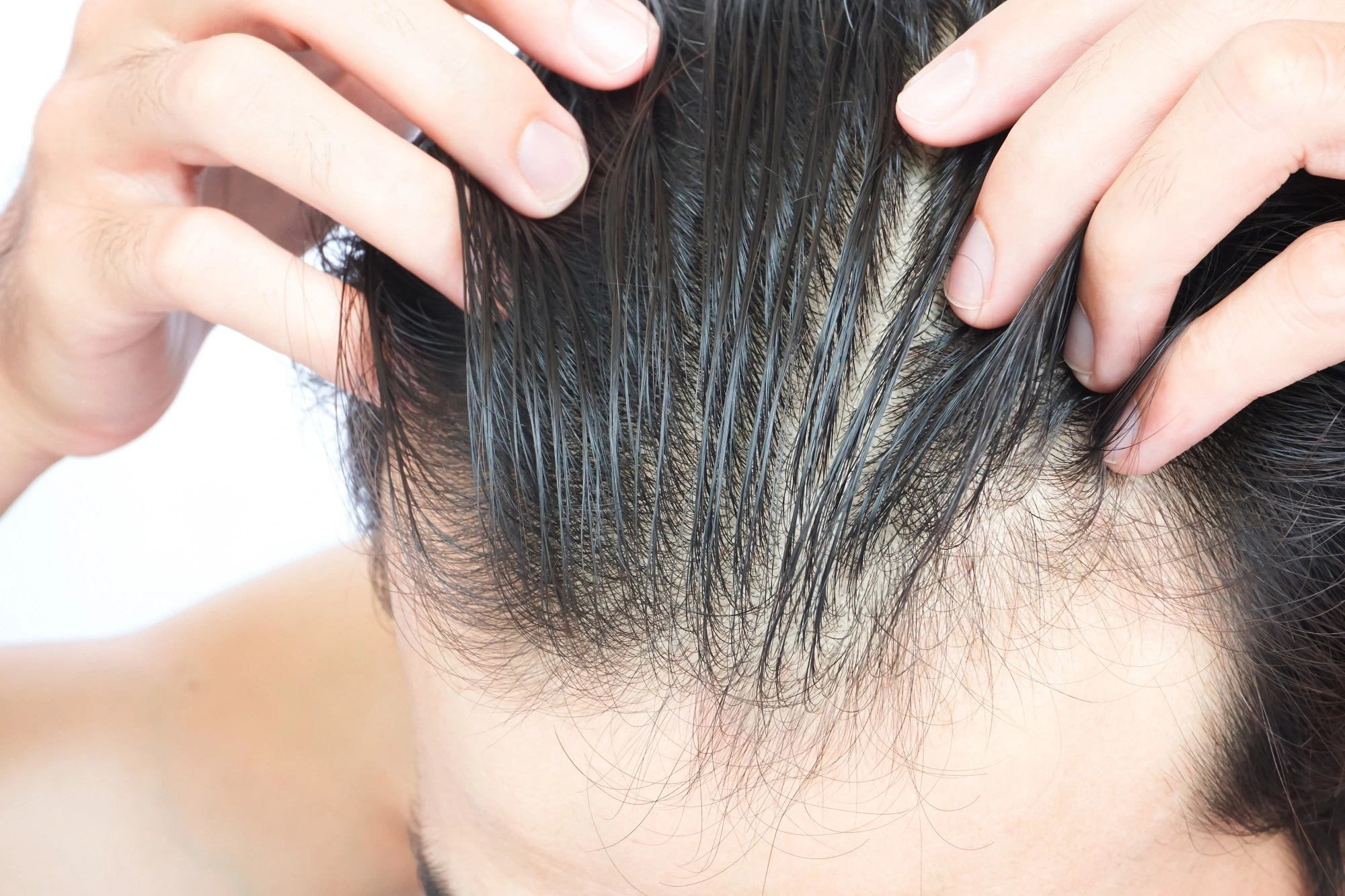
Accutane-related hair thinning is not the same as scarring or genetic hair loss. Thinning usually appears as diffuse shedding across the scalp rather than distinct bald areas. This distinction helps separate temporary changes from permanent hair loss.
Concerns about balding from Accutane are common but rarely supported by clinical evidence. Permanent changes are uncommon, and most cases do not involve damage to hair follicles. Understanding this difference can reduce unnecessary worry.
Is balding from Accutane possible?
True balding from Accutane is considered rare. In most reports, patients experienced hair thinning rather than irreversible loss. When hair density changes persist, other causes should be evaluated.
Dermatologists often assess family history, nutrition, and other medical factors when hair changes continue. This helps determine whether hair loss is related to medication or another underlying condition.
Is hair loss from Accutane permanent or reversible?
For most patients, hair loss associated with isotretinoin is reversible. Once treatment ends and the hair cycle normalizes, regrowth typically follows within several months. This pattern aligns with what is known about telogen effluvium.
Permanent hair loss has not been consistently linked to isotretinoin in medical studies. When patients experience hair loss that does not improve, clinicians look for additional explanations rather than attributing it solely to Accutane.
How to reduce or prevent hair loss on Accutane
It is not always possible to entirely prevent hair loss, but supportive steps may help reduce shedding. Gentle hair care is often recommended during treatment. This includes limiting heat styling and avoiding harsh chemical treatments.
Practical measures may include:
- Using mild shampoos and conditioners
- Reducing tension from tight hairstyles
- Supporting overall nutrition
These steps do not guarantee prevention, but they may support scalp comfort and hair health.
Other Accutane side effects people ask about
Hair changes are only one of many topics patients research during treatment. People also ask about weight changes and changes in body hair. These concerns often arise from online discussions rather than clinical data.
Weight changes and body hair growth
Weight gain or weight loss is not considered a direct effect of isotretinoin. Studies have not shown a consistent link between Accutane and changes in body weight. Facial hair growth is also not a typical side effect of Accutane.
When these changes occur, they are usually related to other factors such as hormones or lifestyle. A medical evaluation can help clarify the cause if concerns persist.
Medication interactions and safety questions
Accutane requires careful monitoring due to its known risks. Patients should review all medications with their clinician before starting treatment. This includes antibiotics and supplements.
Can doxycycline and Accutane be taken together?
Accutane and doxycycline are generally not used together due to the risk of increased intracranial pressure. Clinicians usually space these treatments apart. This is a safety consideration rather than a hair-related issue.
Common misconceptions from online discussions
Online forums often amplify isolated experiences without a medical context. This can make side effects appear more common or severe than they are. Reading anecdotal reports does not replace clinical evidence.
What forums like Reddit often get wrong
Discussions may suggest that everyone will experience hair loss. In reality, most patients do not experience hair loss, and those who do often see recovery. Understanding the limits of anecdotal information helps set realistic expectations.
When to talk to a medical professional
Patients should seek medical advice if hair shedding becomes sudden or severe, or persists long after treatment ends. Reporting symptoms early allows clinicians to assess whether the changes fit known patterns. It also helps rule out other causes.
A healthcare professional can evaluate scalp health, review medications, and discuss appropriate hair loss treatment options based on individual risk. Educational platforms like DermOnDemand aim to support informed discussions by providing accurate, clinically grounded information.