
accutane for acne

How to Use Drug Accutane Safely With Dermatologist Support

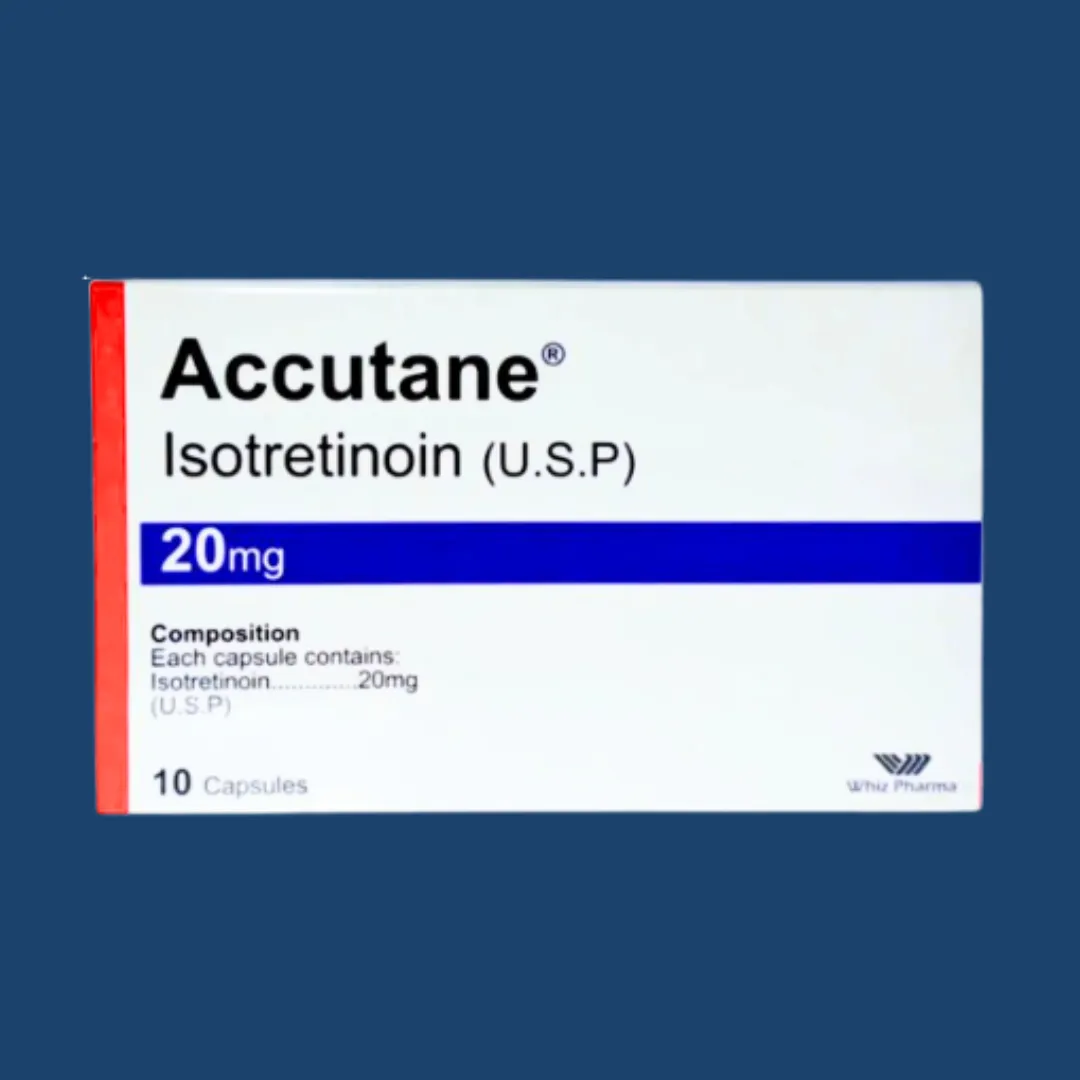
Accutane is the brand name for isotretinoin, a prescription medicine used for severe acne that has not improved with other treatments. The drug Accutane works in oily skin by reducing oil production, shrinking oil glands, and lowering inflammation in a controlled way.
Dermatologists prescribe it when breakouts are deep, painful, or causing scarring, and when standard options no longer help. Treatment requires close monitoring because the medicine carries significant risks, especially for patients who can become pregnant.
accutane for acne
This guide explains how the drug works, who qualifies for it, and the steps needed to use it safely.
DermOnDemand helps patients understand medications that require careful medical guidance, and the drug Accutane is one of the most important examples. Dr. Hannah Kopelman leads our dermatology team and provides expert oversight for treatments that demand precise judgment.

What Accutane Is and How It Works

Accutane is the common name for the isotretinoin drug, a prescription medicine used for severe acne that has not improved with other treatments. It belongs to a class of drugs that target oil glands and reduce inflammation in a controlled way.
Many patients know it by different names, including Accutane Tablets or Roaccutane, but the effects of isotretinoin remain consistent across these formulations. Each form works by reducing excess oil, shrinking oil glands, and slowing the buildup of dead skin inside pores.
You can learn more about the Accutane mechanism of action, which explains this process in detail.

When Accutane Is Indicated

Accutane is prescribed when acne is severe, persistent, or has caused scarring. Dermatologists consider it for patients who have tried oral antibiotics or strong topical treatments with little success.
It is also an option for acne that affects quality of life, including cases that cause pain during flare-ups. Most patients must be at least 12 years old, since the medicine is not recommended for younger children.
Some patients should avoid isotretinoin entirely. These include people with certain liver conditions, unmanaged depression, or allergies to vitamin A-based drugs.
Anyone who cannot commit to pregnancy prevention rules or regular blood tests is also not a candidate. If you are unsure about eligibility, call your doctor before taking the first dose.

Accutane Side Effects and Safety Risks

Risk Awareness

Critical Warnings

Interactions, Monitoring, and What to Avoid

Certain medicines and supplements can interfere with isotretinoin. Avoid products that increase vitamin A levels, such as high-dose multivitamins or herbal supplements like St John’s Wort.
Some antibiotics, acne creams, and steroids can also react poorly with this drug. Always tell your dermatologist about every prescription, over-the-counter product, or supplement you use.
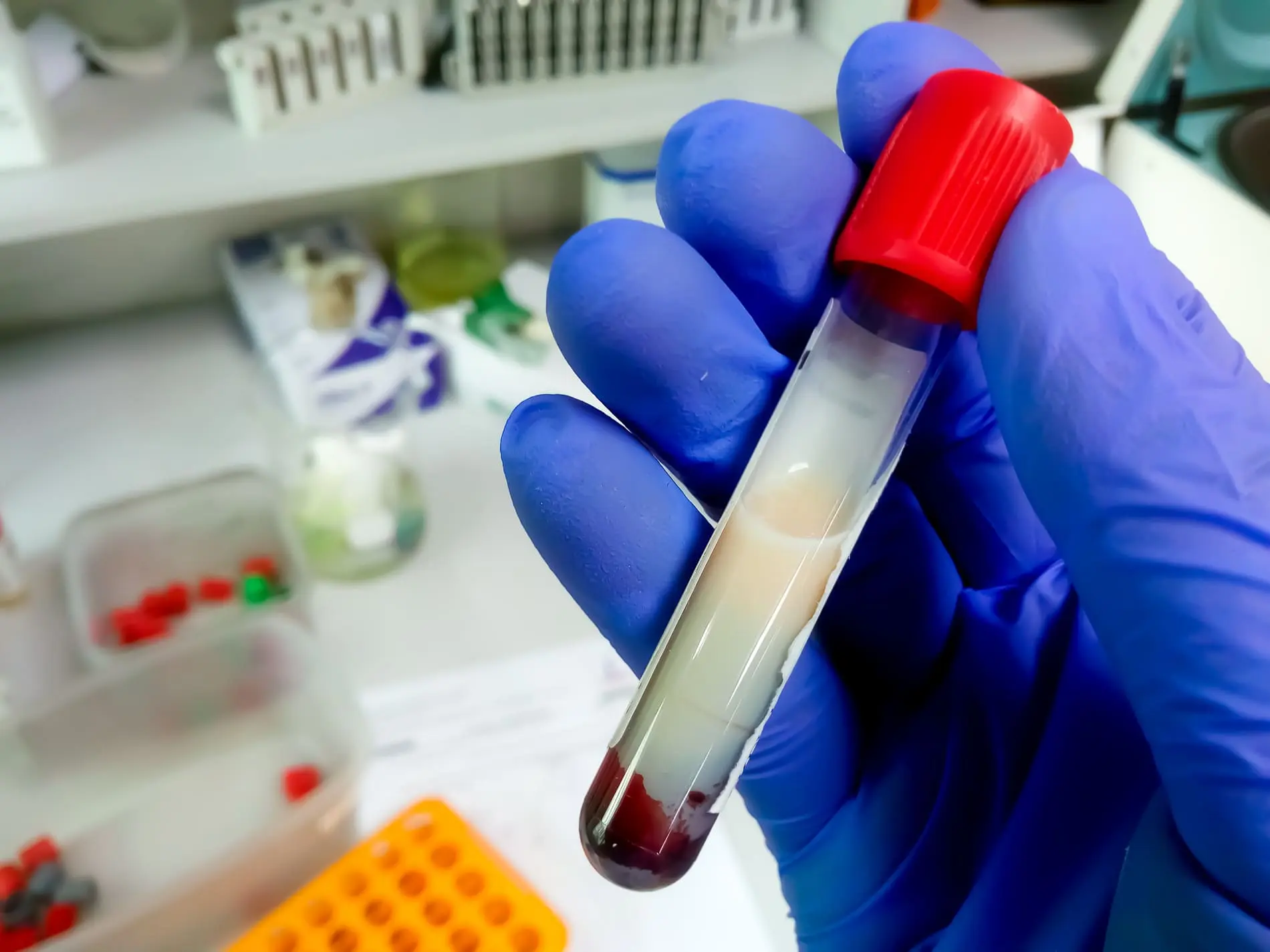
Alcohol can affect liver function during treatment. You may need regular blood tests to check liver enzymes, cholesterol, and other markers that help monitor safety. These tests often happen once a month, which keeps your care plan on track. If any results change significantly, your dermatologist may adjust your dose to protect you better.

Patients should also avoid specific procedures, such as waxing, laser treatments, or other skin resurfacing procedures. The skin becomes more sensitive to isotretinoin and needs time to recover.

Contact lens users may notice increased dryness, making it harder to wear contact lenses for long periods. Simple steps like using lubricating eye drops can make this easier.

Do not donate blood while taking isotretinoin and for at least 30 days after stopping the medicine. This prevents potential exposure to pregnant recipients. Also, avoid tanning beds or prolonged sun exposure, as both increase the risk of burns.

Store your medication in a safe place and remember to keep it at room temperature to maintain its quality.


How to Take Isotretinoin

Your dermatologist will recommend a dose based on your weight and the severity of your acne. Most patients take the medicine once or twice daily with food, which helps the body better absorb it. If you miss a dose, take it later that day, but skip it if it is close to the next scheduled dose. Do not double up on tablets.
During treatment, you may notice daily changes in your skin. Dryness is common, and using gentle cleansers and moisturizers can help manage discomfort. Breakouts may get worse before they improve, which is a normal response to the medicine. Your dermatologist will guide you through this early phase to keep you comfortable.

Accutane Compared With Other Acne Treatments

Your dermatologist will recommend a dose based on your weight and the severity of your acne. Most patients take the medicine once or twice daily with food, which helps the body better absorb it. If you miss a dose, take it later that day, but skip it if it is close to the next scheduled dose. Do not double up on tablets.
Low-dose or maintenance plans may be considered for certain patients. These approaches aim to reduce side effects while keeping acne under control. Your dermatologist will determine if this method is appropriate for you. Each plan depends on your skin type, health history, and long-term goals.

Expected Results and Long-Term Outlook

Most patients see improvement within two to three months. Deep cysts shrink, redness fades, and breakouts occur less often. These changes can boost confidence and reduce pain from inflamed lesions. Keep taking the medicine as directed to maintain progress.
Results often last after treatment ends because isotretinoin alters oil gland activity in a long-term way. Some patients need a second course, especially if acne returns after several months. Your dermatologist will evaluate whether additional treatment is necessary. Follow-up visits ensure your skin receives ongoing support.

Start Your Online Dermatology Plan

You can begin your treatment by completing a short medical form and sending clear photos of your skin. A DermOnDemand dermatologist will review your case and create a tailored care plan. This first step helps you access expert support and start treatment with clarity and confidence.

Online Isotretinoin Care With DermOnDemand

DermOnDemand gives patients direct access to a board-certified dermatologist like Dr. Alicia Atkins without waiting rooms or video calls.
You complete a secure medical form, upload photos, and receive a personalized plan within about 24 hours. This process keeps care private, simple, and responsive. It also lets you manage treatment from any location.
Your intake form should include past treatments, allergies, and current medications. Clear photos help your dermatologist evaluate severity and identify the right plan. In some cases, we may recommend alternatives if isotretinoin is not appropriate based on your history or lab results.
Our goal is to provide safe and effective care every time.