
Smoking while taking isotretinoin is not recommended, even though there is no clear evidence that it completely blocks how the medication works. Most dermatologists advise caution because smoking adds strain to the liver and may worsen common side effects like dry skin and irritation.
When patients ask can you smoke on Accutane, the safest answer is that it increases uncertainty and potential risk rather than offering any benefit. The rest of this article explains what is known, what remains unclear, and how to think about smoking during treatment.
This article explains what is known about smoking, vaping, and cannabis use during isotretinoin therapy, often called Accutane. You will learn how smoking may affect the body, the possible risks, and what remains uncertain.
The information reflects clinical guidance commonly discussed by dermatologists, including perspectives shared by Dr. Alicia Atkins, and is presented for patient education only. DermOnDemand offers dermatology care and publishes educational resources like this to help patients understand treatment considerations.
Key Takeaways
- Smoking during isotretinoin treatment is not considered safe, because it can add strain to the liver and may worsen common side effects like dry skin and irritation.
- There is limited direct research on cannabis and isotretinoin, so medical guidance relies on known effects on liver function, inflammation, and mental health.
- Nicotine from cigarettes, cigars, vaping, or other sources can reduce blood flow to the skin, which may slow healing and increase dryness during treatment.
- Smoking does not usually stop isotretinoin from working, but it can increase discomfort and uncertainty, especially during longer treatment courses.
- Patients should talk to their dermatologist about smoking, vaping, or cannabis use so care decisions can reflect individual health factors and lab results.
Can you smoke on Accutane safely?
Many patients ask can you smoke on accutane while taking isotretinoin for acne. There is no clear evidence that tobacco directly blocks how the medication works, but safety is not guaranteed.
Smoking adds stress to the body systems that isotretinoin already affects, especially the liver and skin. For this reason, most clinicians advise caution rather than calling it safe.
Another common question is, can you smoke while on Accutane if symptoms feel controlled? Feeling well does not remove potential risks.
Accutane treatment already requires close monitoring, and adding smoking can complicate how the body responds. This is why guidance often focuses on reducing avoidable strain during therapy.
What happens when you smoke on Accutane
Smoking does not create a single predictable reaction during isotretinoin use. Effects vary based on dose, duration, and overall health. Some patients notice no immediate changes, while others report worsening irritation or fatigue. Understanding the body processes involved helps explain this variability.
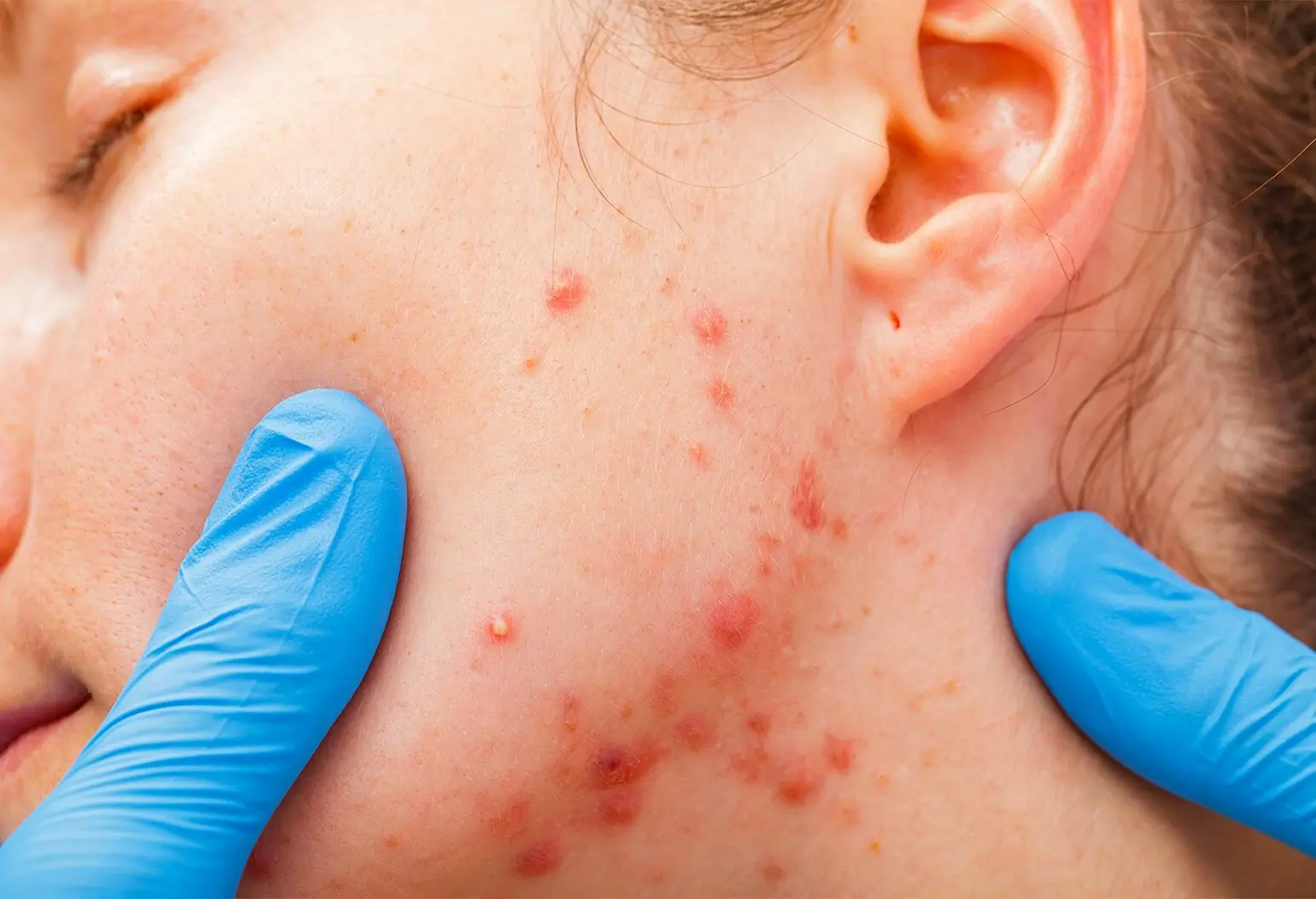
Liver metabolism and added strain.
Isotretinoin is metabolized by the liver, and routine blood tests during treatment check liver enzymes. Smoking may increase liver stress by adding toxins that also require liver metabolism. This overlap can affect liver function in some patients. Monitoring remains essential, especially during long-term courses.
Inflammation and skin healing
Smoking increases inflammation and reduces oxygen delivery to tissues. Accutane works by shrinking oil glands to treat acne, including cystic acne. This process is explained further in this guide on Accutane and oily skin.
Inflammation can slow skin healing and may counter some anti-inflammatory benefits of treatment. This does not mean treatment fails, but it may influence recovery.
Smoking, nicotine, and Accutane
Smoking involves more than one exposure, including nicotine and combustion byproducts. These elements can affect circulation, hydration, and healing. Grouping them helps explain why clinicians discuss Accutane and smoking as a broader concern.
Can you smoke cigarettes or cigars on Accutane?
Cigarettes and cigars both expose the body to smoke and toxins. These substances can worsen irritation and dryness during isotretinoin therapy. Patients often notice dry skin and lip cracking as common side effects. Smoking may intensify these effects, especially with frequent use.
Nicotine effects on blood flow and skin
Nicotine narrows blood vessels and reduces blood flow to the skin. Reduced circulation can affect how skin repairs itself during acne treatment. This effect applies regardless of whether nicotine comes from cigarettes, cigars, or other sources. These changes may increase irritation rather than cause sudden harm.
Vaping while on Accutane
Some patients assume vaping avoids the risks of smoking. Vaping still delivers nicotine and other chemicals to the body. These exposures can contribute to dry mouth, throat irritation, and dehydration during isotretinoin use. Research comparing vaping and smoking during Accutane treatment remains limited.
Vaping does not address concerns about interactions with Accutane. The body still processes added substances alongside the medication. Because evidence is limited, clinicians usually recommend caution with any inhaled nicotine during therapy.
Does smoking worsen Accutane side effects?
Smoking may not create new side effects, but it can worsen existing ones. Isotretinoin has well-known effects on skin, lips, and mucous membranes, which are outlined in detail in this overview of isotretinoin side effects. Adding smoking can amplify discomfort rather than cause a distinct reaction.
Dryness and dehydration
Dry skin is one of the most common side effects of isotretinoin. Smoking can worsen dehydration by affecting circulation and the balance of moisture. Patients may also experience dry mouth and throat irritation. Good hydration and moisturizers help, but smoking may reduce their effectiveness.
Mood and mental health changes
Isotretinoin has been linked to mood changes in some patients, though evidence remains mixed. Smoking and cannabis use can also affect mood and anxiety. Combining these factors may increase emotional strain in susceptible individuals. Monitoring mental health remains part of responsible care.
What can you not do while on Accutane?
Smoking is only one of several behaviors discussed during isotretinoin therapy. Patients are often advised to avoid activities that increase medical risk. These precautions aim to protect health rather than unnecessarily restrict lifestyle.
Alcohol and liver stress
Alcohol and isotretinoin both affect the liver. Combining them increases liver stress and may alter liver enzymes. Many clinicians recommend limiting or avoiding alcohol during treatment. This guidance is similar to advice about smoking.
Sun exposure and skin sensitivity
Isotretinoin increases sensitivity to sunlight. Patients may burn more easily and heal more slowly. Sun protection remains essential throughout therapy. Smoking does not cause sun sensitivity, but it can slow recovery from skin damage.
Blood donation and pregnancy risks
Isotretinoin is known to cause congenital disabilities if exposure occurs during pregnancy. Patients must avoid blood donation during and after treatment to prevent accidental exposure. These precautions highlight the seriousness of isotretinoin.
Common myths about smoking on Accutane
A common myth is that smoking cancels the effects of isotretinoin. Accutane can still treat acne in smokers. Another myth is that vaping or smoking weed is always safer. These assumptions ignore differences between short-term symptoms and long-term health considerations.
Some believe that if blood tests look normal, smoking has no impact. Standard tests do not remove all risk. Monitoring helps guide care, but it does not predict every outcome.
When smoking may increase risk
Smoking may pose a greater risk in certain situations. Higher isotretinoin doses, existing liver disease, or heavy nicotine use can raise concern. Combined exposures may increase the risk of irritation or abnormal labs. These factors vary by individual.
Patients with persistent dryness, fatigue, or mood changes should consider reducing smoking. Increasing the risk is not guaranteed, but patterns matter. This approach supports safer health care decisions.
When to talk to your dermatologist
Patients should talk to their doctor if questions arise about smoking or cannabis use during therapy. Honest discussion helps clinicians provide appropriate medical advice. This includes sharing use patterns and any new symptoms.
DermOnDemand clinicians and other dermatology providers commonly address these questions during visits. The goal is informed care, not judgment. Open communication supports safer Accutane treatment decisions over time, especially when considering different acne treatment options.
If you are taking isotretinoin and have questions about smoking, vaping, or cannabis use, discussing them with a licensed dermatologist is an important step. Providers at DermOnDemand review your medical history, lab results (such as liver enzymes), and current symptoms to provide guidance tailored to your situation.