Accutane, also known as isotretinoin, is widely used to treat severe acne, but it can affect multiple areas of the body, including the skin and mucosal tissues.
This article explains the relationship between Accutane and hemorrhoids, including possible mechanisms such as dryness and constipation, common symptoms, and safe ways to manage discomfort.
For a broader understanding of outcomes, you can review how treatment performs overall in this overview of the Accutane success rate. DermOnDemand presents this topic as an educational resource, with clinical input aligned with the approach of Dr. Alicia Atkins, a dermatology expert.
Key Takeaways
- Accutane does not directly cause hemorrhoids, but side effects like dryness and constipation can increase the risk of irritation and swelling in the rectal area.
- Dry mucosal tissue and harder stools can lead to straining during bowel movements, which is a key factor in hemorrhoid development during treatment.
- Common symptoms include itching, discomfort, swelling, and mild bleeding, but similar signs may also indicate anal fissures, which require different care.
- Most cases improve with simple measures such as hydration, fiber intake, gentle hygiene, and avoiding strain during bowel movements.
- Symptoms often resolve after stopping Accutane, but long-term prevention depends on maintaining healthy bowel habits and reducing irritation.
Can Accutane Cause Hemorrhoids
Accutane can contribute to hemorrhoid symptoms in some individuals, although it is not considered a direct cause. The connection between Accutane and hemorrhoids is usually linked to side effects such as dryness of mucosal tissues and constipation, which can increase strain during bowel movements.
These factors may lead to irritation, swelling, or discomfort in the rectal area.
Understanding Accutane and hemorrhoids involves examining how the medication affects the body, which symptoms may appear, and how to manage them safely. Most cases are mild and improve with supportive care, including hydration, diet changes, and gentle hygiene.
To better understand how the medication works overall, you can review the effectiveness of Accutane and its impact on the body. The following sections explain why these symptoms occur, how to recognize them, and what steps can help reduce discomfort during treatment.
Are Hemorrhoids a Side Effect of Accutane
Does Isotretinoin Cause Piles
Hemorrhoids are not considered a primary or common side effect of isotretinoin. Clinical data do not list them as a direct adverse reaction. However, indirect factors linked to the medication can create an environment where hemorrhoids may develop.
These factors include dehydration, reduced tissue lubrication, and changes in bowel habits. When stool becomes harder and more difficult to pass, the need to strain increases. This strain is a major contributor to hemorrhoid formation.
The term “piles” refers to the same condition as hemorrhoids. Some patients report symptoms during treatment, but these reports are usually tied to secondary effects rather than the drug itself. Understanding this distinction helps patients avoid unnecessary concern while still monitoring symptoms appropriately.
Can Accutane Make Your Anus Dry
Yes, isotretinoin can reduce moisture in mucosal tissues, including the anal area. This occurs because the medication decreases sebaceous gland activity, which helps maintain hydration of the skin and lining tissues.
As moisture levels decrease, the skin may become thinner and more fragile. This can lead to increased sensitivity, especially in areas exposed to friction or pressure. The anal region is particularly vulnerable during bowel movements.
Dryness in this area can also lead to discomfort or a burning sensation. In some cases, it may contribute to minor tears or irritation, which can worsen existing symptoms. Maintaining hydration and gentle care can help reduce these effects.
What Are Hemorrhoids
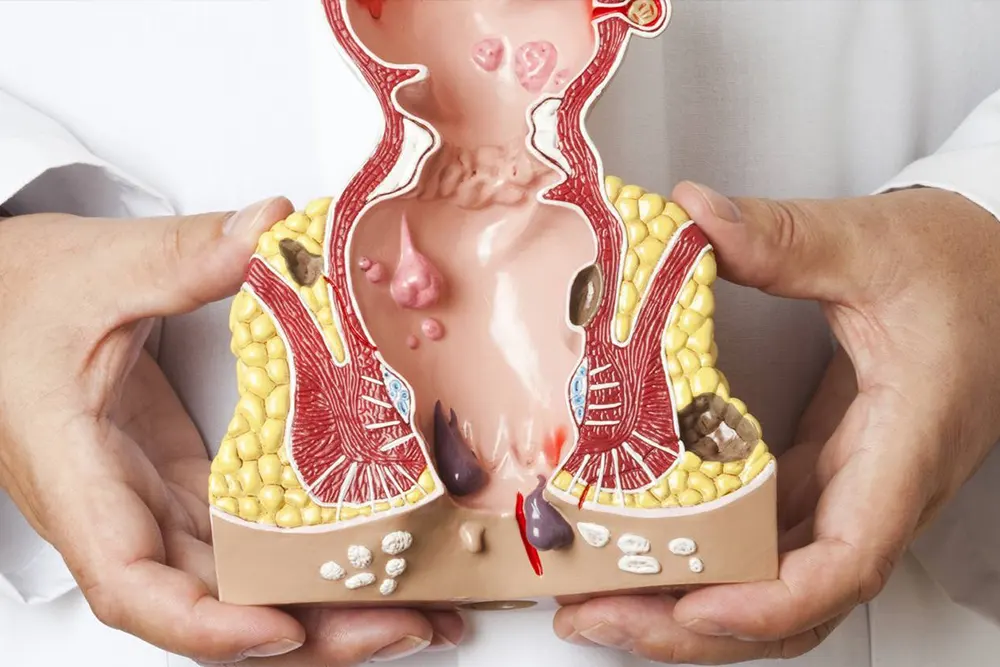
Hemorrhoids are swollen veins located in the lower rectum or around the anus. They develop when pressure builds in these veins, causing them to stretch and become inflamed. This condition is common and affects people across different age groups.
Some hemorrhoids remain internal and may not cause noticeable discomfort. Others develop externally and can lead to pain, swelling, or irritation. The severity varies depending on the level of pressure and inflammation.
Although hemorrhoids can be uncomfortable, they are usually manageable. Many cases improve with simple lifestyle changes and supportive care.
Why Accutane May Trigger Symptoms
Skin And Mucosal Dryness
Accutane reduces oil production throughout the body, affecting both the skin and mucosal surfaces. These surfaces rely on natural moisture to maintain flexibility and protection. When this moisture decreases, the tissue becomes more prone to irritation.
In the anal region, dryness can increase friction during bowel movements. This can lead to mild inflammation or discomfort. Over time, repeated irritation may contribute to swelling of nearby veins.
Dryness may also affect the healing process. Minor irritation that would normally resolve quickly may take longer to improve when moisture levels are low.
Constipation And Straining Risk
Some individuals experience changes in bowel habits while taking isotretinoin. Reduced fluid intake or dietary changes may lead to harder stools. This makes bowel movements more difficult and increases the need for straining.
Straining creates pressure in the rectal veins. This pressure can weaken vein walls and lead to swelling. Over time, this process may contribute to hemorrhoid formation or worsen existing symptoms.
Addressing constipation early can reduce this risk. Simple measures such as hydration and diet adjustments often help maintain regular bowel movements.
Symptoms and Related Conditions
Common Hemorrhoid Symptoms
Hemorrhoids can present with a range of symptoms depending on their type and severity. Common signs include itching, discomfort, swelling, and pain during bowel movements. Some individuals also notice bright red blood on toilet paper.
Symptoms may appear intermittently. Mild cases often resolve on their own, while more severe cases may persist and require additional care. Monitoring changes in symptoms can help guide appropriate management.
It is also important to note that symptoms can vary between individuals. Some may experience minimal discomfort, while others may have more noticeable irritation.
Anal Fissures vs Hemorrhoids
Anal fissures are small tears in the lining of the anus. They can cause sharp pain during bowel movements and may be associated with bleeding. Although similar to hemorrhoids, fissures often produce more intense and localized pain.
Dryness caused by isotretinoin may increase the risk of fissures. Reduced tissue elasticity can make it more susceptible to small tears. This is especially true if stool is hard or difficult to pass.
Distinguishing between hemorrhoids and fissures is important. Each condition may require a slightly different approach to care. Accurate identification helps guide proper management.
Accutane Constipation Relief and Hemorrhoid Treatment
Hydration And Fiber Intake
Maintaining adequate hydration is essential during isotretinoin treatment. Drinking enough water helps soften stool and supports regular bowel movements. This reduces the need to strain and lowers pressure on the rectal veins.
A high-fiber diet also plays an important role. Foods such as fruits, vegetables, and whole grains increase stool bulk and improve consistency. These changes help reduce irritation and support digestive health.
Consistency in dietary habits is key. Regular intake of fiber and fluids can prevent fluctuations in bowel patterns.
Stool Softeners And Bowel Habits
In some situations, stool softeners may be used to ease bowel movements. These products help retain water in the stool, making it easier to pass. They are typically used for short periods under medical guidance.
Healthy bowel habits also reduce strain. Responding promptly to the urge to use the bathroom can prevent stool from becoming harder. Avoiding prolonged sitting during bowel movements can also help reduce pressure.
Establishing a routine can improve bowel function. Small adjustments can have a meaningful impact on symptom control.
Topical Treatments for Relief
Topical treatments are commonly used to reduce discomfort from hemorrhoids. Creams and ointments may contain soothing agents that help calm irritation and reduce swelling. These treatments provide temporary relief for mild symptoms.
Warm sitz baths are another helpful option. Sitting in warm water for several minutes can relax the area and improve blood flow. This may reduce discomfort and support healing.
These approaches are often used together. Combining topical care with lifestyle adjustments can improve overall comfort.
Lifestyle Changes That Reduce Swelling
Daily habits influence symptom severity. Regular physical activity supports digestion and reduces the risk of constipation. Even light exercise can promote bowel regularity.
Reducing prolonged sitting can also help. Sitting for extended periods increases pressure in the rectal area. Taking breaks and moving regularly can reduce this effect.
Clothing choices may also play a role. Loose, breathable fabrics can reduce irritation and improve comfort during treatment.
What Medications Aggravate Hemorrhoids
Drugs That Cause Constipation
Certain medications are known to slow bowel movements. These include some pain medications, iron supplements, and specific antihistamines. When combined with isotretinoin, the effect on bowel habits may become more noticeable.
Constipation increases the need for straining. This can worsen existing hemorrhoids or contribute to new symptoms. Monitoring bowel habits during treatment is important.
If symptoms develop, reviewing medications with a healthcare provider may help. Adjustments can reduce the impact on bowel function.
Medications That Increase Dryness
Some medications contribute to dryness in the body. These include certain acne treatments, antihistamines, and drugs that reduce secretions. When used alongside isotretinoin, the combined effect may increase tissue sensitivity.
Dryness can make the skin more vulnerable to irritation. This is especially relevant in areas exposed to friction. Managing dryness can help reduce discomfort.
Understanding how different medications interact helps support safer care. Awareness allows for better symptom management.
Daily Care and What to Avoid
Hygiene and Skin Protection
Gentle hygiene is important when managing symptoms. Using soft, unscented products helps reduce irritation. Harsh soaps and wipes can worsen dryness and sensitivity.
Cleaning the area with lukewarm water is often sufficient. Patting the skin dry instead of rubbing helps protect delicate tissue. These simple steps support healing.
Maintaining a clean environment reduces the risk of further irritation. Consistent care can improve comfort over time.
Avoiding Irritation and Straining
Avoiding strain during bowel movements is essential. This includes not delaying the urge to go and avoiding excessive pushing. Reducing strain helps protect rectal veins.
It is also helpful to avoid irritating products. Scented wipes, rough toilet paper, and tight clothing may increase discomfort. Choosing gentle alternatives can reduce symptoms.
Small adjustments in daily habits can lead to noticeable improvement. Consistency is key in preventing flare-ups.
When to Seek Medical Evaluation

Persistent Pain or Bleeding
Mild symptoms often improve with basic care. However, persistent pain or bleeding should not be ignored. These signs may indicate a more significant issue.
Medical evaluation helps confirm the cause of symptoms, and in some cases, patients may consider next steps such as starting treatment under medical guidance. It also ensures that appropriate treatment is provided. Early assessment can prevent complications.
Patients should seek guidance if symptoms do not improve. Ongoing discomfort may require further evaluation.
Signs of Complications
Severe pain or sudden swelling may indicate complications. In some cases, hemorrhoids can become thrombosed, which means a blood clot has formed. This can cause significant discomfort.
Other warning signs include increased bleeding or changes in symptoms. These may require prompt medical attention. Monitoring changes helps identify when care is needed.
Timely evaluation supports safe management. It also helps rule out other conditions.
Do Hemorrhoids Go Away After Accutane
In many cases, symptoms improve after treatment ends. As the body gradually returns to normal oil production, tissue hydration improves. This can reduce irritation and support healing.
However, outcomes vary between individuals. Lifestyle factors such as diet, hydration, and bowel habits continue to influence symptoms. Maintaining healthy routines helps prevent recurrence.
Understanding this pattern helps set realistic expectations. With proper care, many people experience improvement over time.