Insomnia can occur during isotretinoin therapy, but it appears uncommon, and current evidence shows an association rather than proven causation. Safety databases report sleep complaints more often with isotretinoin than with some other acne treatments, a risk signal that deserves attention.
If you develop new or worsening sleep problems, especially with mood changes, contact your clinician for assessment. For most people, symptoms are mild and improve with routine adjustments, meal timing, dose review, or care for underlying sleep disorders.
This article explains accutane and insomnia in plain language – what symptoms look like, why they may happen, when they matter, and practical steps to take.
DermOnDemand provides this educational explainer to help readers understand how isotretinoin may relate to sleep. Dr. Alicia Atkins, a board-certified dermatologist, outlines what research suggests, what remains uncertain, and what practical steps patients can take.
Key Takeaways
- Insomnia during isotretinoin treatment is uncommon, affecting fewer than 1% of reported cases, and it often improves as routines and doses stabilize.
- Sleep and mood are closely linked, and new or worsening insomnia can sometimes signal changes in mental health that deserve monitoring.
- Most patients regain normal sleep within one to two months when they keep consistent habits and work with their clinician on sleep hygiene.
- Taking isotretinoin with food at the same time each day, morning or evening, helps maintain steady absorption and treatment effectiveness.
- Regular check-ins and open communication with healthcare providers ensure early detection of side effects and support overall safety during isotretinoin use.
Does Accutane Cause Insomnia?
How often does Accutane sleeplessness occur
Accutane sleeplessness is rare, appearing in about 0.5–1% of reported isotretinoin cases according to post-marketing safety data. Most acne patients do not report lasting sleep problems. When sleep issues occur, they vary in timing and severity. Many cases improve with simple habit changes.
Is insomnia a side effect of Accutane?
Insomnia is a rare side effect linked to isotretinoin use and insomnia in safety reports. People describe trouble falling asleep or waking up often. These symptoms can overlap with stress or schedule changes. A careful history helps your clinician sort the cause.
Why Accutane may contribute to insomnia
Retinoids can act on brain receptors that help set the sleep–wake cycle. Mood or anxiety shifts can also disturb sleep. Dryness or discomfort may change nightly routines. These effects differ by person and dose.
How Accutane Influences Sleep
Ways Accutane can affect sleep
Patients using isotretinoin may notice light sleep, early waking, or short sleep time. Poor sleep hygiene can make this worse. Caffeine, screens, or irregular hours raise risk. A steady routine often helps.
Nervous system and mood-related pathways
Isotretinoin can affect the neural pathways that regulate both mood and sleep. Research suggests that changes in serotonin and retinoid signaling may explain why some patients experience mood shifts or insomnia.
Because sleep disturbance can be an early sign of psychiatric issues, clinicians often ask about energy, concentration, and emotional balance during treatment. Regular monitoring helps detect problems early and supports both mental health and overall quality of life.
How isotretinoin can shift sleep patterns
Skin dryness, joint aches, or lifestyle shifts can push bedtimes later. Some people nap more and sleep less at night. These changes affect the impact of isotretinoin on your day. A simple plan can reset sleep times.
How to Distinguish Insomnia from Other Sleep Problems
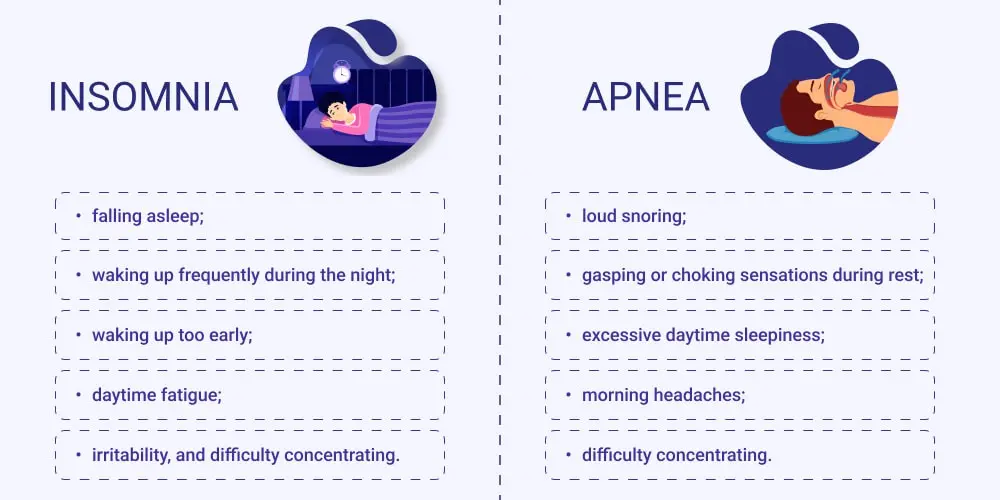
Most people say “insomnia” when they sleep poorly, but the causes differ. Short sleep from late nights is not the same as insomnia. Breathing issues, restless legs, pain, and anxiety can also disrupt sleep. A clear history helps sort these problems fast.
Common look-alikes
- Obstructive sleep apnea – loud snoring, pauses in breathing
- Delayed sleep phase – very late sleep and wake times
- Restless legs – urge to move legs at night
- Pain conditions – joint or muscle pain that wakes you
Your clinician may ask when symptoms began, how often they occur, and what makes them better or worse. They may check medicines, caffeine, alcohol, and screen time. If needed, they can screen for mood or anxiety. This step guides safe, simple next steps.
Does Accutane Insomnia Go Away?
Typical timeframe for improvement
Short-term insomnia from isotretinoin usually improves within a few weeks as the body adapts to treatment. If sleep changes appear after a dose adjustment, they often stabilize once the new dose is maintained.
Tracking bedtime, wake time, and sleep quality helps your clinician see progress and patterns. Most patients notice significant improvement within 1 to 2 months when routines and sleep habits remain consistent.
When persistent insomnia needs evaluation
Get help if insomnia lasts, worsens, or harms daytime function. Your clinician will check for adverse effects, other medicines, or sleep disorders. Patients with a history of anxiety, depression, or other conditions may need closer follow-up. Clear plans support safe isotretinoin treatment.
Other Accutane Side Effects to Consider
Common physical effects
Dry lips and skin are common Accutane adverse effects. Eyes may feel dry, and muscles or joints can feel sore. Hydration, gentle cleansers, and emollients help many people. Lab checks may be used to monitor therapy in acne vulgaris.
Less common mood or sleep changes
A small number report low mood, anxiety, or sleep disorders. Family history, current stress, and prior mental health concerns guide counseling. Early notice allows early support. Team-based care can improve safety.
Pre-Treatment Checklist for Safer Sleep
A short checklist before starting isotretinoin can reduce risk. Share any prior sleep disorders, mood concerns, or panic symptoms. List all medicines and supplements, including stimulants and sedatives. Note your usual bedtime, wake time, and naps.
Agree on how you will track sleep. A paper or phone log works well. Set a follow-up plan if sleep worsens. Decide who you will contact if your mood shifts.
Practical Guidance for Patients
Is it better to take Accutane at night?
There is no single best time to take isotretinoin. It should always be taken with food to help the body absorb it properly. Some patients prefer taking it at night if it fits their schedule or helps them remember, while others find morning dosing easier.
The most important factor is consistency; taking it at the same time each day with a meal ensures steady absorption and effectiveness.
How to track sleep-related symptoms
Use a simple sleep log. Write down bedtime, wake time, and awakenings. Note caffeine, alcohol, screens, and exercise. Add short notes on mood and stress to spot patterns.
When to contact a clinician
Reach out if sleep problems last more than a few weeks or affect daytime life. Seek urgent help for severe mood changes or thoughts of self-harm. Your clinician may adjust the dose, add monitoring, or involve mental health care. DermOnDemand stresses open communication to stay safe.
Current Evidence Limitations
Large trials on sleep outcomes are limited. Data from the adverse event reporting system (FAERS) show that sleep problems occur in a small fraction of acne patients compared with other acne treatments.
One analysis listed 218,594 individual safety reports in acne patients, and a subset noted sleep problems. These signals guide future study questions.
Monitoring Plan During Isotretinoin
Use a simple weekly check. Rate sleep quality from 1 to 5. Note bedtime, wake time, and how you feel in the morning. Add a brief mood note, such as “ok,” “low,” or “anxious.”
Seek review if poor sleep persists for 2 weeks or if daytime function declines. Seek urgent help for thoughts of self-harm or sudden severe mood change. Your clinician may adjust the dose, time of dosing, or other medicines. They may also screen for apnea, anxiety, or pain that disrupts sleep.
Evidence snapshot and context
Isotretinoin treatment is used for severe or scarring acne when other acne treatments have not worked well, and topics like Accutane and oily skin are often discussed alongside sleep-related effects.
Research reviews the impact of isotretinoin on sleep and mood to examine their connections. Reports discuss depression, psychosis, and other concerns, but results are mixed. Clinicians weigh the risks and benefits of isotretinoin to guide next steps for patients.
Practical considerations for safety
Share your medical and mental health history before starting therapy. This is key for patients with a history of anxiety, bipolar disorder, or other conditions. Your team will review possible adverse effects and signs that need attention. Clear education supports safe choices during care.
If you have ongoing sleep problems or questions about isotretinoin therapy, schedule a virtual consultation with a board-certified dermatologist at DermOnDemand to review your treatment and explore safer options.