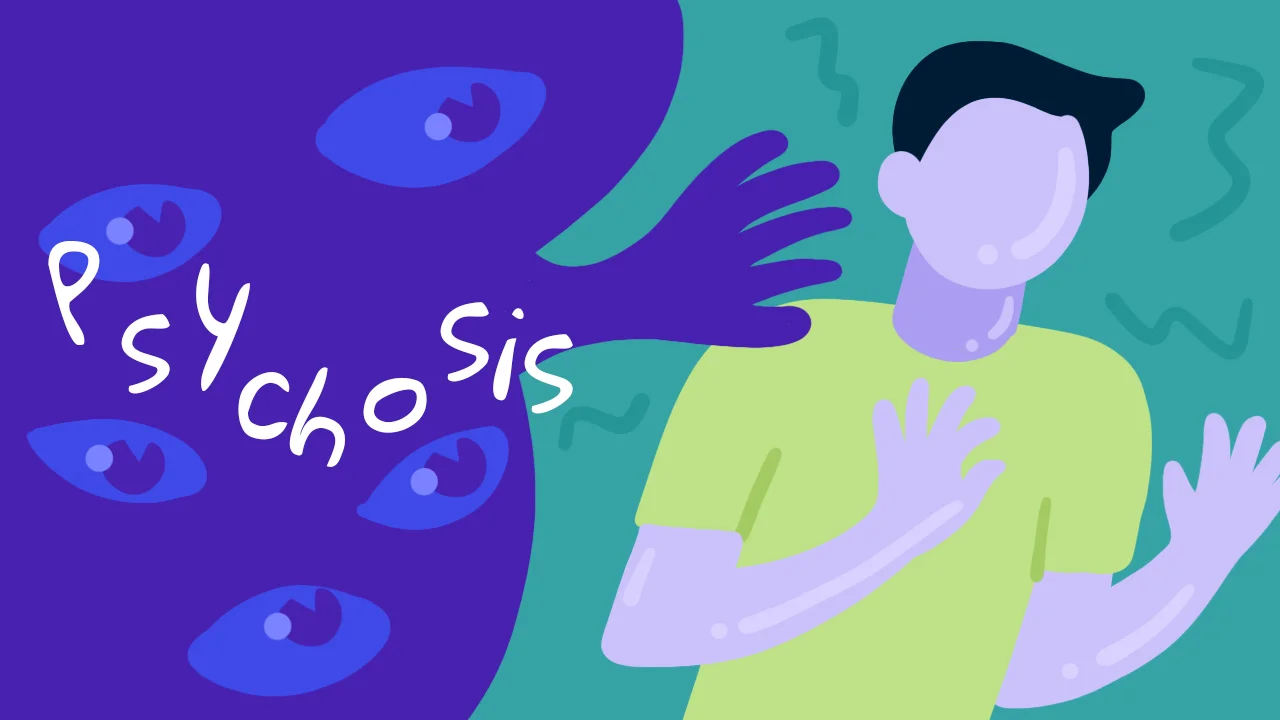
Yes, Accutane can be associated with psychosis in rare cases, but the overall evidence is limited, and not every reported case proves the medication was the only cause. Current research shows that Accutane and psychosis have been linked in case reports and safety reviews, which means new symptoms should be taken seriously, even though this reaction appears to be uncommon.
The safest next step is prompt medical review if paranoia, hallucinations, delusions, or severe confusion begin during treatment.
A careful evaluation is important because psychosis can also be triggered by other drugs, mental health conditions, substance use, or sleep disruption. In this article, you will learn what psychosis is, which symptoms matter most, what the research actually shows, and when urgent in-person care is needed.
That approach helps answer the question clearly while giving practical next steps grounded in medical evidence.
Key Takeaways
- Accutane can be associated with psychosis in rare cases, but the overall evidence is limited, and not every reported case proves the medication was the sole cause.
- Psychosis involves a loss of contact with reality and may include paranoia, hallucinations, delusions, confused thinking, and major changes in behavior or sleep.
- Mental side effects linked to isotretinoin have included mood changes, anxiety, depression, suicidal thoughts, and rare reports of psychosis, so new psychiatric symptoms should not be ignored.
- If psychotic symptoms begin during treatment, prompt medical review is important, and urgent in-person care is needed when there is severe confusion, unsafe behavior, or loss of contact with reality.
- Published case reports and broader reviews suggest that Accutane and psychosis deserve careful monitoring, especially in patients with psychiatric risk factors or other possible triggers.
What Is Psychosis?
Psychosis is a loss of contact with reality. It can affect how a person thinks, interprets events, and understands what is real and what is not. Common features include delusions, which are fixed false beliefs, and hallucinations, which are seeing or hearing things that are not there.
Psychosis is a symptom cluster, not one single disease. It can happen in conditions such as schizophrenia, bipolar disorder, severe depression, neurological illness, substance use, sleep loss, or medication-related reactions. That is why doctors do not assume one cause until they review the full picture.
Psychosis Symptoms to Watch
Psychosis symptoms can include paranoia, sudden suspiciousness, fixed beliefs that others want to cause harm, hearing voices, confused speech, disorganized thinking, and trouble separating reality from fear or fantasy.
Early warning signs may also include social withdrawal, reduced self-care, intense or unusual ideas, and significant sleep disruption. In published reports, some patients developed persecutory delusions, fear that others were contaminating food or watching them, and severe sleep changes soon after starting treatment.
These symptoms are different from everyday stress or low mood. A person with psychosis may seem convinced by beliefs that are clearly untrue, or may act in ways that feel confusing and out of character.
If symptoms are growing quickly, the situation should be treated as a medical and mental health concern, not as a routine side effect.
Accutane Side Effects and Mental Health
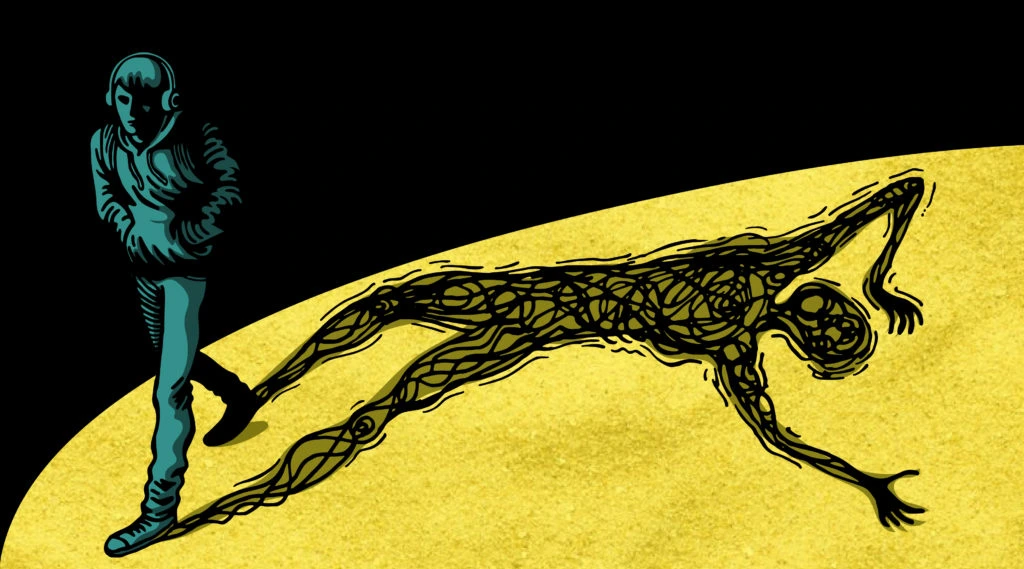
Accutane and psychosis are not the only mental health concerns discussed in the literature, and Accutane’s long-term effects may also be part of a broader treatment discussion.
Reviews of isotretinoin safety have also examined depression, suicidal thinking, anxiety, aggression, impulsivity, emotional lability, and mood changes.
That does not mean the drug causes all of these effects in every patient, but it does mean mental symptoms should be taken seriously when they appear during treatment.
It is also important to keep context, especially when reviewing related concerns such as Accutane and depression. Acne itself can affect quality of life, self-esteem, and mood, so not every psychiatric symptom during acne treatment is caused by the medication. Good care depends on looking at timing, symptom pattern, past psychiatric history, other medicines, substance use, stress, and how fast symptoms change.
What Are the Mental Side Effects of Accutane?
Reported mental side effects have included low mood, anxiety, irritability, emotional changes, suicidal thoughts, and rare reports of psychosis. The severity can vary from mild symptoms that need monitoring to urgent psychiatric symptoms that need immediate in-person care.
The key issue is not to assume that every mood change has a single cause, but also not to ignore a new symptom just because it seems uncommon.
What the Research Shows About Accutane and Psychosis
The research does not give a simple yes-or-no answer. The strongest evidence for psychosis from Accutane often comes from case reports and safety reports, while larger reviews say psychiatric events remain in the literature but appear to be uncommon.
When people ask whether Accutane can cause psychosis, the most accurate answer is that it has been reported, but the overall evidence is mixed.
This matters because isotretinoin is still an effective treatment for severe acne, and many patients take it without developing psychosis. At the same time, the medical literature does not support dismissing new psychiatric symptoms as impossible or unrelated.
A careful history, timing review, and safety assessment are important when symptoms begin during treatment.
Can Accutane Induce Psychosis?
Yes, it may in rare cases, but the evidence is limited. Some published cases describe a close time link between starting isotretinoin and the onset of psychotic symptoms, followed by improvement after the medicine was stopped. That pattern raises concern, but it does not prove the medicine was the only cause in every case.
Case Reports and Larger Studies
Case reports are useful because they show real timelines, symptoms, and treatment responses. They can show that psychosis from Accutane has been observed in clinical settings. Still, they cannot measure how often it happens or prove a direct cause with the same strength as larger studies.
Larger reviews give broader context. They suggest that serious psychiatric events can occur, but they also show that the overall picture is complex. Other factors, including prior mental health history and the emotional burden of acne itself, may affect what happens during treatment.
Who May Be at Higher Risk
No single profile predicts who will develop psychosis while taking isotretinoin. Some reports involve people with a personal or family history of psychiatric illness, but rare cases have also appeared in people without a known psychiatric history. That means risk may be higher in some vulnerable groups, but it is not limited to them.
In practice, extra caution makes sense for people with past psychosis, bipolar disorder, severe depression, major substance use, or severe insomnia. These factors do not guarantee that a problem will happen. They simply make close monitoring more important.
Which Drugs Can Trigger Psychosis?
Many drugs and medical conditions can trigger psychosis. These can include stimulants, corticosteroids, substance use, and some neurological or psychiatric illnesses. This broader view matters because isotretinoin may not be the only possible explanation when psychotic symptoms appear.
Doctors usually review all current medicines, recent changes, sleep patterns, substance use, and mental health history before deciding what is most likely. This helps avoid blaming one treatment too quickly while still acting on a possible medication-related reaction.
What to Do if Symptoms Start

If possible psychosis starts during isotretinoin treatment, the first step is to contact the prescribing clinician right away and arrange an urgent review, or start treatment if you have not yet been medically evaluated. Do not try to manage severe symptoms through online forums or wait several days to see if they disappear.
New paranoia, hearing voices, fixed false beliefs, or severe confusion need prompt medical attention.
Clear documentation also helps. Write down when symptoms started, how quickly they worsened, what the person is saying or doing, and whether any medication doses changed recently. That information can help clinicians assess whether Accutane and psychosis may be linked in that case.
When to Seek Urgent Help
Urgent in-person care is needed if the person is losing touch with reality, cannot care for themselves, is acting in unsafe ways, or has thoughts of self-harm. Rapidly worsening paranoia, hallucinations, or threatening behavior should be treated as emergencies.
In these situations, safety takes precedence over waiting for a scheduled follow-up.
What Can Be Treated Remotely?
Remote care may help with early discussion, medication questions, or follow-up after a patient has already been assessed. It may also help when symptoms are mild, the patient is safe, and there is no loss of contact with reality. Remote care is not enough when there is active psychosis, major confusion, or danger to self or others.
How Psychosis From Accutane Is Treated
Treatment depends on the clinical picture. In published cases, doctors have stopped isotretinoin and started psychiatric treatment, which may include antipsychotic medication and close follow-up. The response may vary, so the plan should align with the patient’s symptoms, risk level, and medical history.
Some patients need hospital-level care for safety. Others can be treated through urgent outpatient psychiatry if symptoms are milder and support is in place. The goal is to stabilize symptoms, protect safety, and identify the most likely cause.
What This Means for Patients
For DermOnDemand readers, the best next step is to stay informed, monitor symptoms closely, and seek prompt medical care if severe mood or psychiatric changes appear during treatment.
If paranoia, hallucinations, delusions, or major confusion develop, do not wait; contact a qualified clinician or seek urgent in-person evaluation right away.