Key Takeaways
- Accutane dry lips occur because isotretinoin reduces oil production, which weakens the skin barrier and increases moisture loss, leading to dryness, peeling, and cracking.
- Effective management focuses on protecting the lips with thick, occlusive products such as petroleum jelly and on maintaining a consistent lip care routine throughout treatment.
- Symptoms such as flaking, tightness, and cracks are expected, but severe pain, bleeding, or signs of infection may require medical evaluation.
- Not all lip products are helpful; irritants like menthol or fragrance and lightweight balms can worsen dryness instead of improving it.
- This side effect is temporary in most cases, and lip condition usually improves after treatment ends as oil production and the skin barrier recover.
Does Accutane Make Your Lips Dry
Yes, this is one of the most common side effects of treatment. Accutane works by shrinking oil glands and reducing oil production across the skin. This process helps control acne but also removes the natural oils that keep lips soft and protected.
Lips rely on a thin layer of oil to maintain moisture. When oil levels drop, the surface becomes more exposed to dryness and irritation. This leads to dry chapped lips early in treatment. Most patients notice this change within the first few weeks.
How Oil Loss Damages the Lip Barrier
The lips depend on a strong skin barrier to prevent water loss. Accutane causes dryness by weakening this barrier and reducing its ability to retain moisture. When the barrier is disrupted, water escapes more easily, and dryness increases.
This process is called increased transepidermal water loss. It affects both the skin and mucous membranes, including the lips. Without enough protection, lips become dry, cracked, and sensitive.
Why Lips Dry Faster Than Skin
Lips are more vulnerable than other areas of the body. They contain fewer oil glands and have a thinner outer layer. This makes them less able to recover when moisture is lost.
Environmental exposure also plays a role. Talking, eating, and breathing expose lips to air and friction throughout the day. These factors combine to make dry lips from Accutane more noticeable than dryness on other parts of the skin, as detailed in Accutane and dry lips.
What Do Dry Lips From Accutane Look Like
Common Symptoms and Cheilitis
The medical term for inflamed lips is cheilitis. This condition describes the typical presentation of dry lips associated with Accutane. Symptoms can vary in intensity but usually follow a clear pattern.
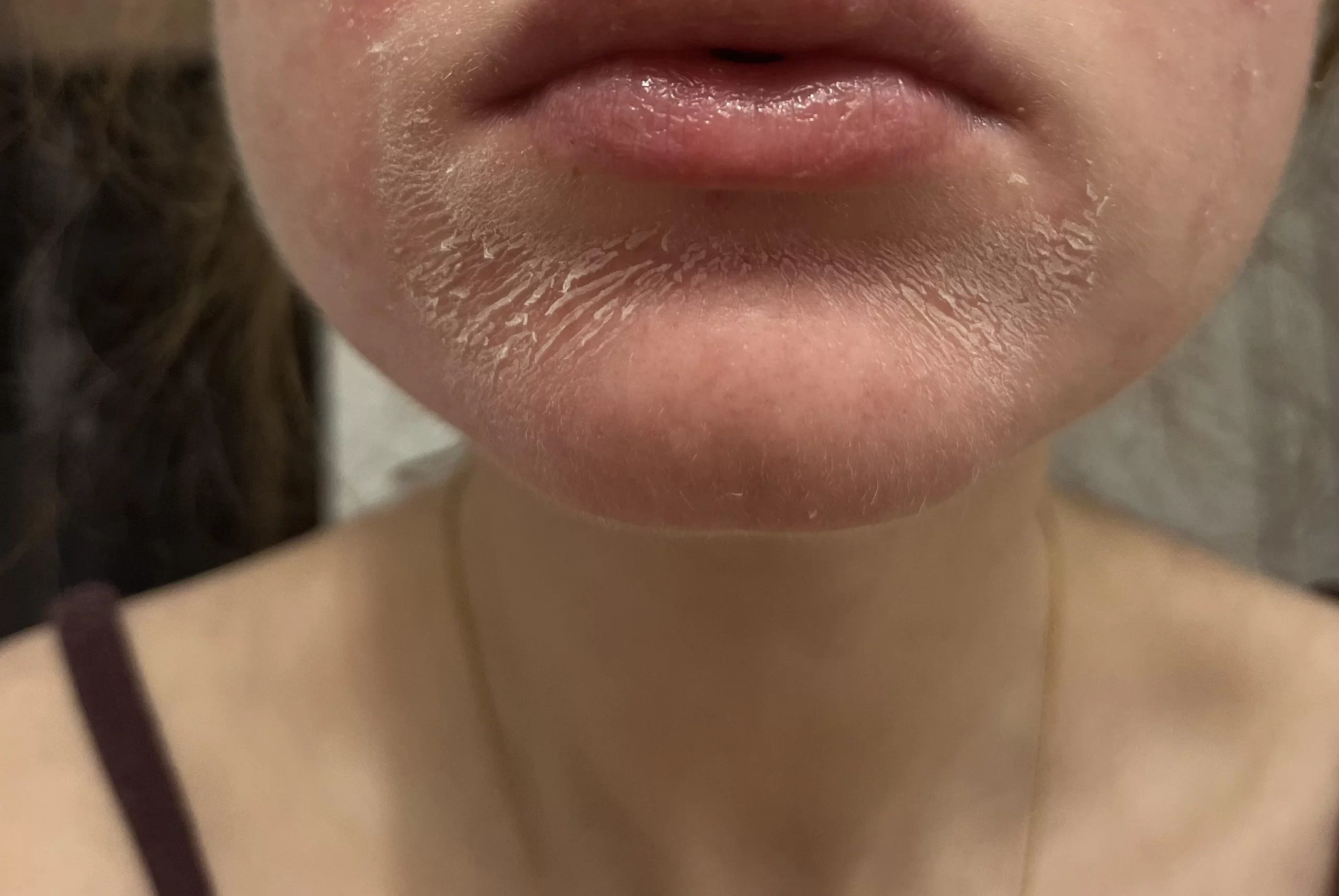
Common signs include tightness, flaking, and peeling. Some patients notice redness or irritation around the edges of the lips. These symptoms reflect changes in the skin barrier and reduced oil production.
Signs of Severe or Cracked Lips
In more advanced cases, lips may become dry, cracked, and painful. Cracks can form at the corners of the mouth and may bleed with movement. This can make eating or speaking uncomfortable.
Severe dryness may also lead to inflammation or secondary irritation. If untreated, small cracks can worsen over time. Early care helps prevent these complications.
How to Fix Dry Lips From Accutane
How to Get Rid of Accutane Dry Lips
Managing dryness focuses on restoring and protecting the skin barrier. The goal is not to stop dryness completely but to reduce discomfort and prevent damage. Consistent care is more effective than occasional treatment.
Using products that form a protective barrier helps prevent water loss. This approach supports the lips while the body adjusts to decreasing oil production.
Daily Lip Care Routine That Works
A simple routine can improve symptoms quickly. Apply a thick ointment several times per day, even before dryness becomes noticeable. Products like petroleum jelly or dermatologist-recommended lip balm create a seal that prevents water loss and protects the surface.
Look for formulas that support lip repair. Ingredients such as hyaluronic acid can help retain moisture when used with occlusive layers. Reapply after eating or drinking to maintain protection.
Night Care for Cracked Lips
Night care is important because the lips can heal during rest. Apply a thicker layer of product before sleep to support recovery. This helps reduce dryness in the morning.
Avoid licking or biting the lips, especially at night. These habits increase irritation and delay healing. A consistent routine improves comfort over time.
Best Lip Balm and Ingredients for Accutane
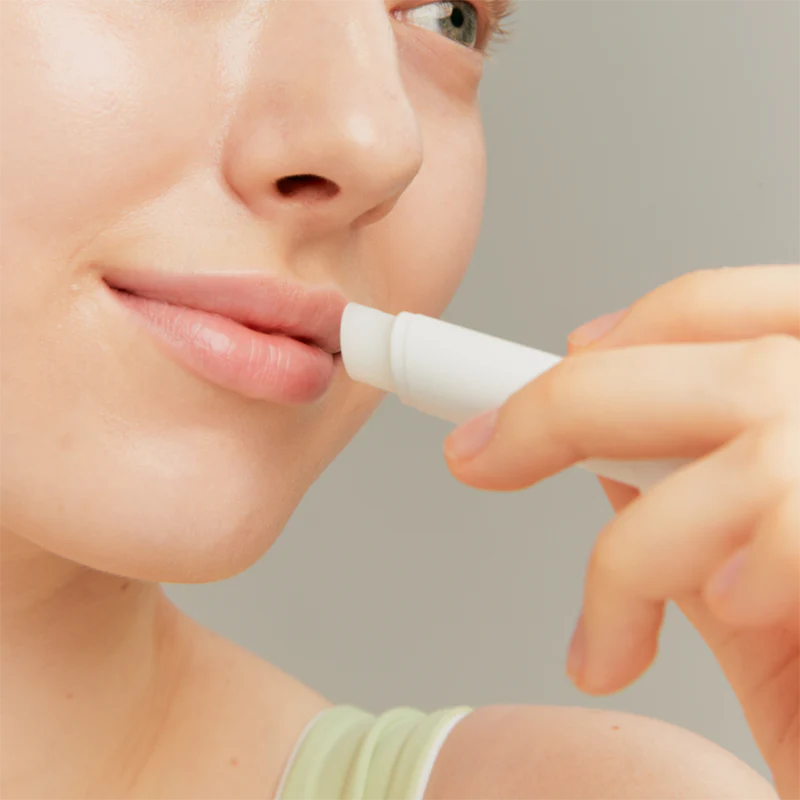
The best lip balm for Accutane dry lips focuses on protection rather than light hydration. Thick ointments work better than standard cosmetic balms. They stay on the lips longer and reduce moisture loss.
Choose fragrance-free products to avoid irritation. Simple formulas are often more effective for sensitive skin.
Ingredients That Protect and Repair
Certain ingredients help restore the protective barrier. These include:
- Petroleum jelly – creates a strong seal that prevents water loss
- Lanolin or waxes – support structure and protection
- Hyaluronic acid – helps attract and retain moisture
These ingredients work together to support healing and reduce discomfort.
Ingredients to Avoid
Some ingredients can worsen dryness or irritation. Avoid lip products with menthol, camphor, or added fragrance. These can create a temporary cooling effect but damage the skin barrier over time.
Exfoliating or medicated products can also irritate sensitive lips. Keeping the routine simple reduces the risk of further dryness.
What Does Not Help Dry Lips
Drinking water supports overall health but does not fix lip dryness caused by isotretinoin. The issue is not only hydration but also barrier damage. Without a protective layer, moisture continues to escape.
External protection is necessary to manage symptoms effectively. This is why topical care plays a central role.
Common Lip Balm Mistakes
Using light or scented balms can make dryness worse. These products often lack the ability to form a strong protective barrier.
Applying lip balm only when lips feel dry is another common mistake. Preventive use is more effective than reactive care.
Do Accutane Dry Lips Go Away
Are Dry Lips From Accutane Permanent?
Most cases are temporary. Permanent dry lips after Accutane are uncommon. The dryness is linked to how the medication works during treatment, as explained in the long-term effects of Accutane.
Once the medication is stopped, oil glands gradually return to normal function. This allows the lips to recover over time.
Recovery After Stopping Accutane
After treatment ends, the skin begins to restore its natural balance. Oil production increases, and the skin barrier improves.
Most patients notice a gradual improvement in lip condition within weeks. Full recovery can take longer depending on individual factors.
How to Avoid Dry Lips While on Accutane
Early Prevention Strategies
Starting lip care early can reduce severity. Begin using protective products as soon as treatment starts. This helps maintain the barrier before damage occurs.
Consistent use is more effective than waiting for symptoms to appear.
Daily Habits That Reduce Dryness
Simple habits can make a difference:
- Avoid licking lips
- Protect lips from wind and sun
- Reapply lip balm throughout the day
These steps support the skin barrier and reduce irritation.
When to See a Doctor

Signs of Infection or Complications
Most dryness is manageable with home care. However, some symptoms require medical evaluation. These include severe pain, swelling, or signs of infection.
Cracks that do not heal or worsen over time should also be assessed.
If symptoms persist despite proper lip care, a clinician may recommend additional treatment or guide the next steps through starting treatment. This may include short-term topical medication to reduce inflammation. At DermOnDemand, guidance focuses on helping patients understand when self-care is sufficient and when medical input is needed.