Key Takeaways
- Accutane dry skin occurs because the medication reduces oil production, which weakens the skin barrier and increases water loss across the face, lips, and other areas.
- Dryness often starts early in treatment, peaks in the middle phase, and continues throughout the course, improving after the medication is stopped.
- A simple routine with a gentle cleanser, a thick moisturizer, and frequent lip balm use helps maintain the skin barrier and effectively reduce discomfort.
- Avoid harsh products, exfoliants, and unnecessary acne treatments, as they can worsen irritation and damage already sensitive skin.
- Seek medical guidance if dryness becomes severe, especially if there is cracking, bleeding, or persistent pain that affects daily activities.
What Causes Accutane Dry Dermis
How Accutane Affects Oil Production
Accutane reduces sebum production in the sebaceous glands, helping treat acne by preventing clogged pores. Oil normally supports the skin barrier and helps keep skin hydrated. When oil levels drop, the barrier weakens and water loss increases. This leads to dryness across multiple areas of the body.
Why Accutane and Dehydrated Skin Are Expected
Accutane and dry skin are closely linked because the medication targets the same glands responsible for maintaining moisture. This effect is part of how the drug works, not a sign of harm. Most patients notice dryness early in treatment, especially on the lips and face. Understanding this helps set realistic expectations and reduces unnecessary concern.
When Accutane Dryness Starts and How Long It Lasts
When Does Dry Skin Start on Accutane
Dry skin from Accutane often begins within the first few weeks of treatment. The lips are usually affected first, followed by the face and other areas. Early dryness may feel mild but can progress if not managed. Starting a gentle routine early helps reduce discomfort.
How Long Does Accutane Dehydrated Dermis Last
Dryness typically continues throughout the course of Accutane. The severity varies based on dose, skin type, and environment. Some patients notice improvement as the body adjusts, while others experience consistent dryness. Most symptoms improve after treatment ends, although understanding long-term Accutane effects can help set realistic expectations.
Does Accutane Dryness Get Better Over Time
In many cases, dryness becomes easier to manage with the right routine. The Cutis adapts to lower oil levels, and supportive care helps restore comfort. Consistent use of moisturizers and lip balm plays a key role. Improvement does not mean dryness disappears, but it becomes more manageable.
When Does Accutane Dryness Peak
Dryness often peaks during the middle phase of treatment. This is when oil production reaches its lowest point. Symptoms such as chapped lips and dry eyes may feel more intense. Adjusting skincare during this stage can reduce irritation.
Symptoms and Severity of Dry Skin on Accutane
Mild to Severe Dryness Stages
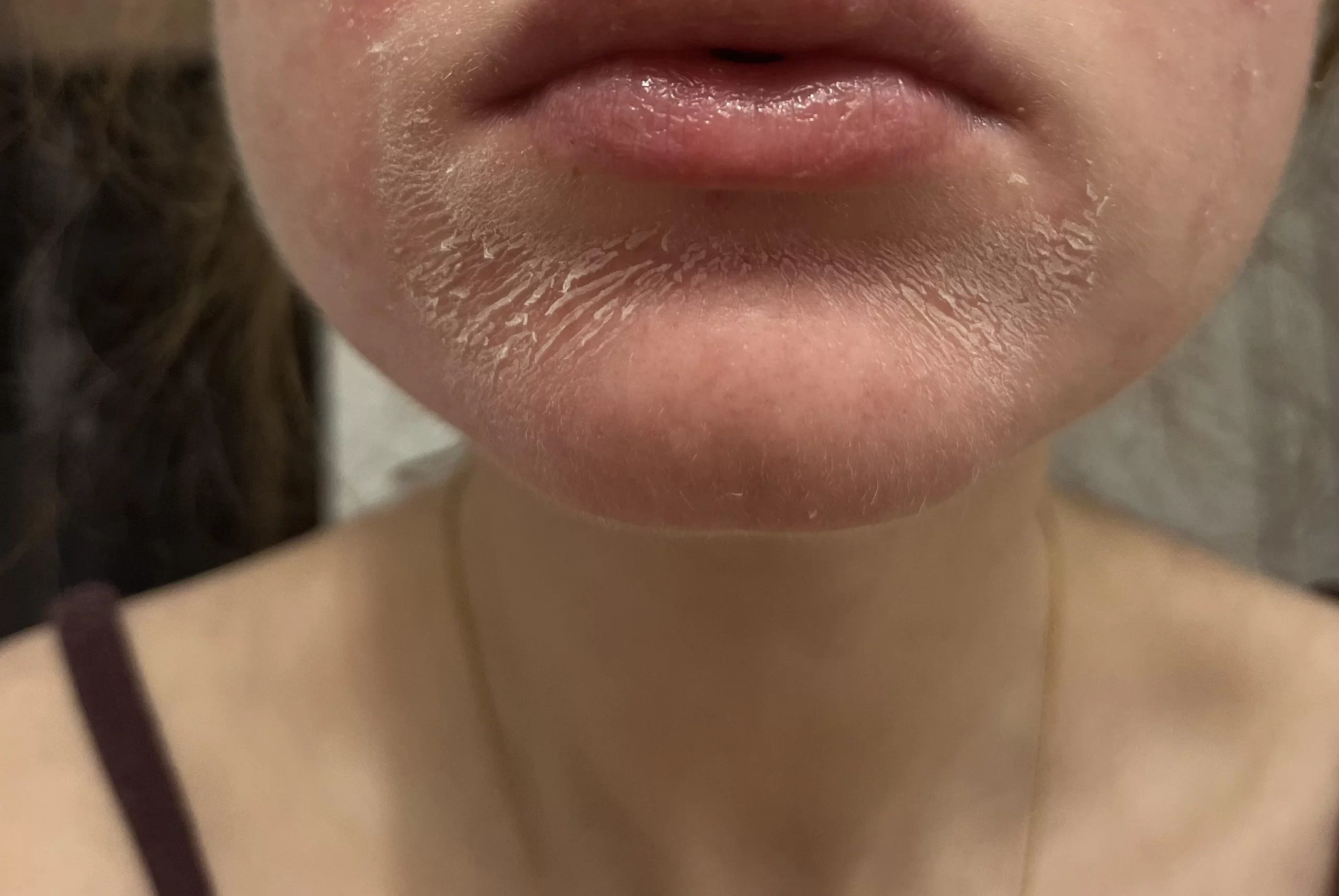
Dryness can range from mild tightness to more severe irritation. Early signs include slight flaking and dry lips. Moderate symptoms may involve redness and discomfort. Severe dryness can lead to cracking or sensitivity.
Dry Skin, Lips, and Flaking
The most common symptoms affect the face and lips. Patients often report chapped lips that require frequent lip balm use. Skin may feel rough or appear flaky, and in some cases, patients may also notice dry scalp during Accutane. These changes reflect reduced moisture retention.
Eye, Nose, and Mucosal Dryness
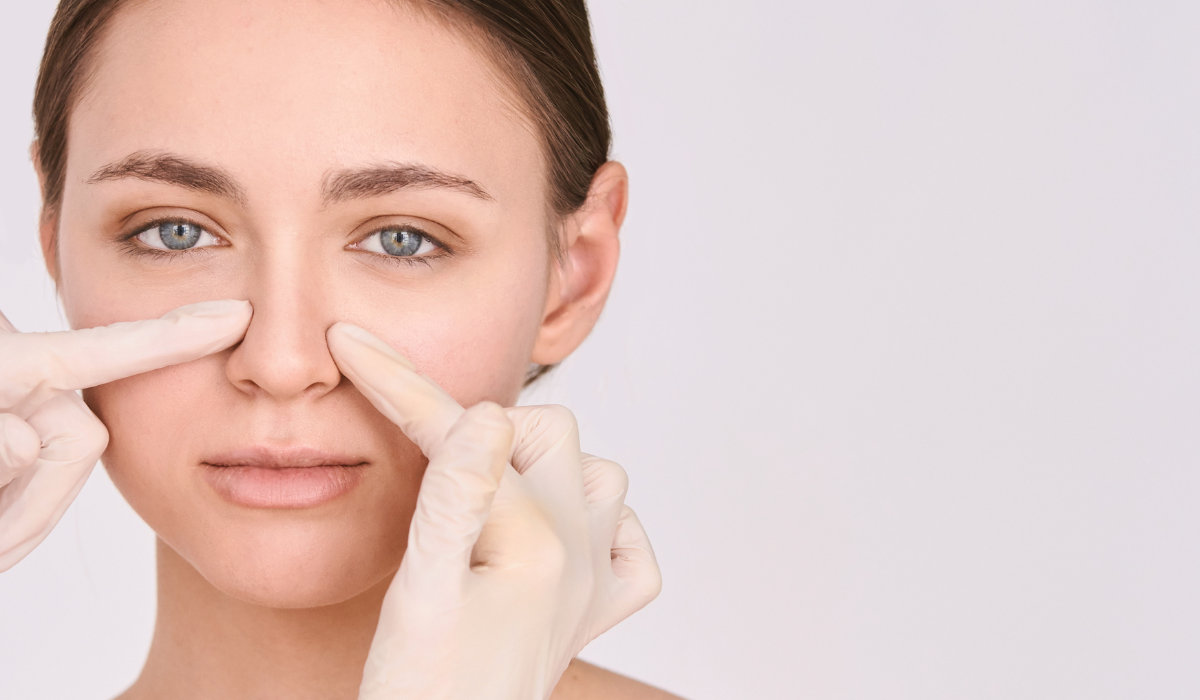
Dryness can extend beyond the skin to mucosal areas. Dry eyes may cause irritation or blurred vision, especially in contact lens users. Nasal dryness can lead to discomfort or minor bleeding. These effects are common and usually manageable with supportive care.
Retinoid Dermatitis and Irritation
Some patients develop retinoid dermatitis, which resembles eczema. This may appear on the hands or arms as red, irritated patches. The skin barrier becomes more reactive during treatment. Gentle care helps reduce these symptoms.
How to Prevent and Manage Accutane Dry Dermis
Daily Habits That Protect the Skin Barrier
Simple habits can help maintain the skin barrier. Avoid hot water, as it removes natural oils. Use a gentle cleanser that does not strip moisture. Apply moisturizer immediately after washing to lock in hydration.
Simple Skincare Routine That Works
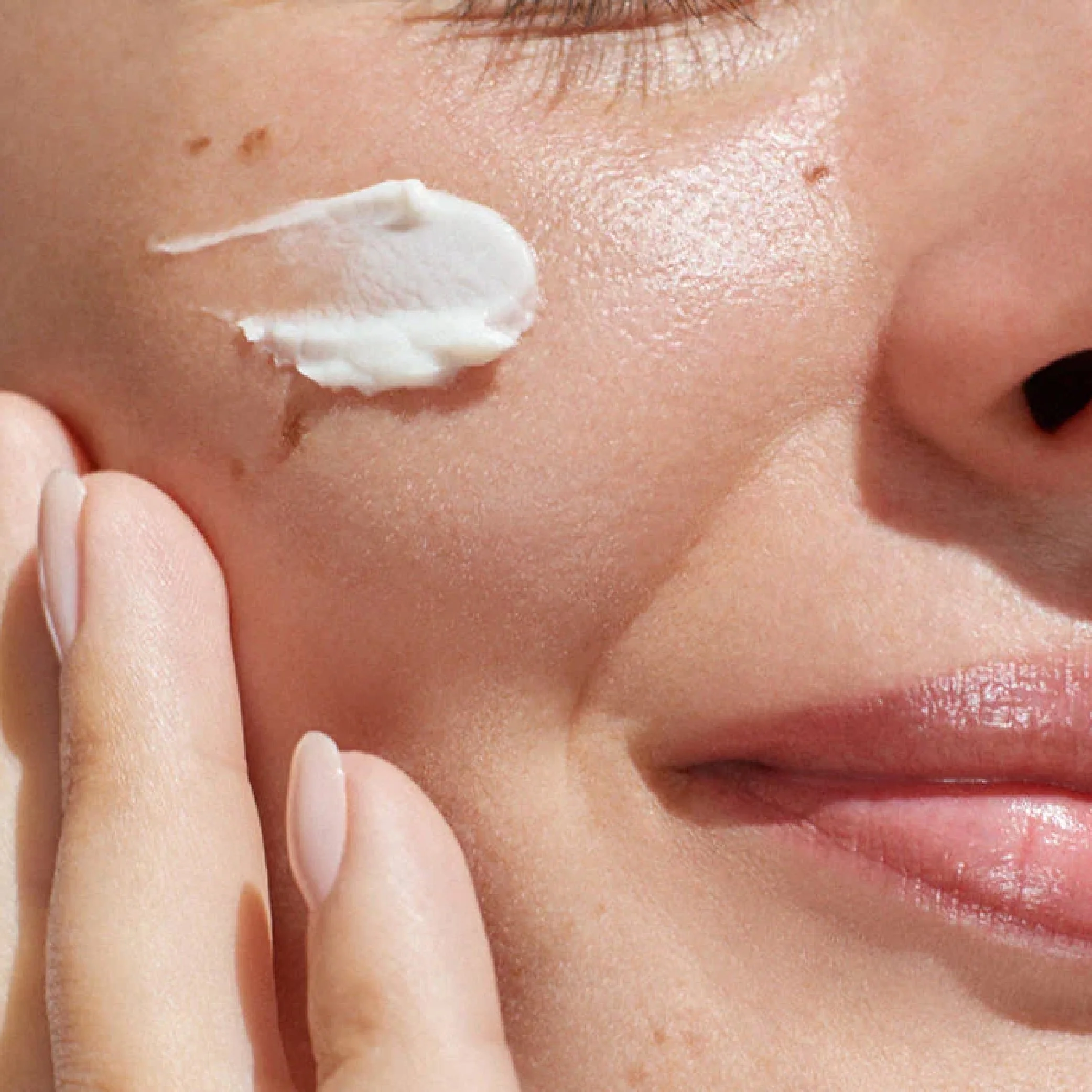
A basic routine supports the skin without irritation. Use a mild cleanser, followed by a rich moisturizer with ingredients like ceramides or hyaluronic acid. This helps keep the skin hydrated and reduces dryness. Avoid adding unnecessary products.
Barrier Repair and Moisturizing
Moisturizing is essential during Accutane treatment. Products that support the skin barrier reduce water loss and improve comfort. Thick creams or ointments work better than light lotions. Consistent use helps manage dryness over time.
Sun Protection and Environmental Care
The skin becomes more sensitive during treatment. Use sunscreen daily to protect against sun exposure. Dry air and wind can worsen symptoms, so limit exposure when possible. Indoor humidity can also affect how the skin feels.
How to Treat Accutane Dehydrated Skin by Area
Managing Dry Lips Safely
Dry lips are one of the most common side effects. Apply lip balm frequently to prevent cracking. Thick, occlusive products help seal in moisture. In more severe cases, short-term medicated ointments may be used under guidance.
Relief for Dry Eyes and Nose
Dry eyes can be managed with lubricating eye drops. These help maintain comfort and protect the surface of the eye. For nasal dryness, saline sprays provide gentle hydration. These approaches support sensitive areas without irritation.
Treating Body Dryness and Irritation
Dryness on the body often affects the hands and arms. Use thicker moisturizers after bathing to reduce water loss, especially on the hands, where dermatologist-recommended hand cream can help improve comfort. Avoid harsh soaps that strip the skin. If irritation develops, targeted treatment may be needed.
What to Avoid With Accutane and Dry Skin

Harsh Cleansers and Exfoliants
Avoid products that remove too much oil. Strong cleansers and exfoliants can damage the skin barrier. This increases dryness and irritation. A gentle approach works best.
Irritating Ingredients and Treatments
Some acne treatments become too harsh during Accutane use. Products with strong active ingredients may worsen dryness. Combining multiple treatments can increase sensitivity. Keeping the routine simple reduces risk.
Habits That Worsen Dryness
Certain habits can make symptoms worse:
- Frequent lip licking
- Long, hot showers
- Skipping moisturizer
- Using multiple active products
Small changes can improve comfort and reduce irritation.
When Accutane Dehydrated Dermis Needs Medical Attention
Seek medical guidance if dryness becomes severe. Signs include cracking, bleeding, or persistent pain. These symptoms may affect daily activities. Early evaluation helps prevent complications.
In some cases, treatment adjustments may be needed. A lower dose may reduce dryness while still helping treat acne. Additional supportive care may also be recommended.
Medical supervision ensures safe management, and guidance from a licensed provider can help determine whether to start Accutane treatment safely.