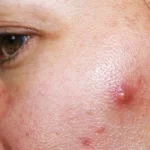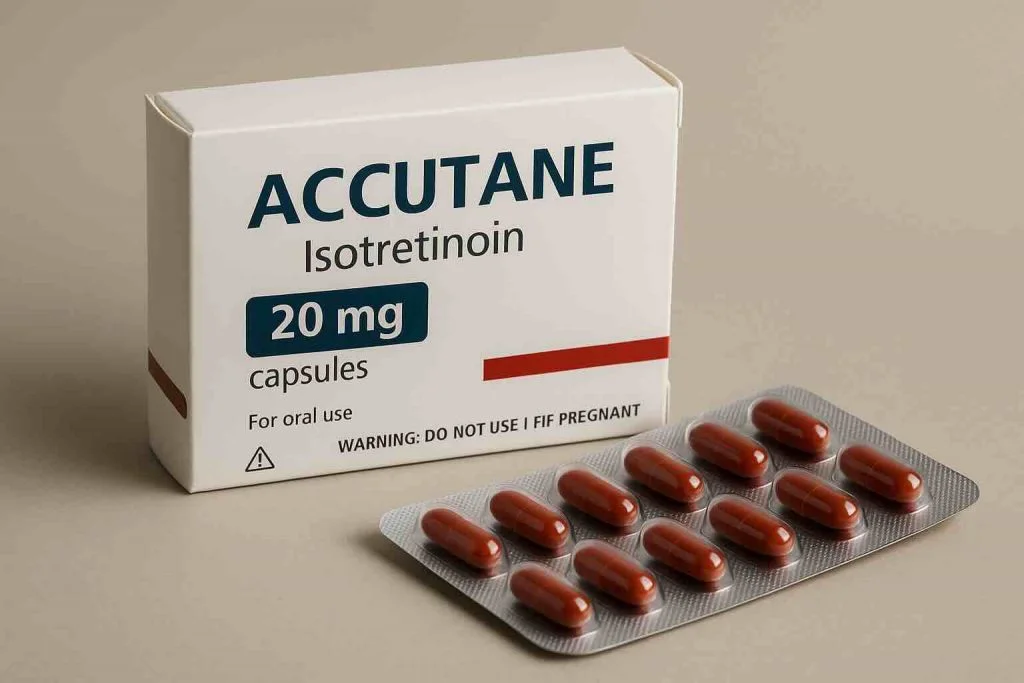
What Accutane History Means
The history and mechanism of action of Accutane explain how isotretinoin became part of modern acne care. When readers ask what it is, they usually want to know why this drug exists and why it is treated differently from other acne medications. Isotretinoin is a vitamin A derivative, also known as 13-cis retinoic acid, and it belongs to a group of medicines called oral retinoids. Its development history helps explain why strict rules and monitoring are required today.
Understanding this background is important for patients considering treatment. Accutane’s history shows how medical use changed as risks became clearer. It also explains why doctors follow detailed safety programs. This context helps set realistic expectations before treatment begins.
Key Takeaways
- Accutane history explains how isotretinoin evolved from early cancer research into a tightly regulated treatment for severe, treatment-resistant acne.
- Isotretinoin works by shrinking oil glands, reducing inflammation, and limiting bacterial growth, which is why it is for the most serious acne cases.
- Safety concerns, including congenital disabilities and mental health monitoring, led to strict controls such as FDA oversight and the iPLEDGE pregnancy prevention program.
- Common side effects include dry skin, lip irritation, and joint discomfort, while serious risks include the need for regular lab testing and medical follow-up.
- Understanding Accutane’s history helps patients set realistic expectations, recognize limitations, and see why careful monitoring remains essential today.
Why isotretinoin matters in acne care
Isotretinoin changed how doctors treat severe acne that does not respond to standard care. It works by shrinking oil glands and reducing sebum production. Less oil means fewer clogged pores and less bacterial growth. It also reduces inflammation deep in the skin.
Because isotretinoin affects acne at multiple levels, it can be effective when other treatments fail. At the same time, its strong effects explain why doctors reserve it for serious cases. It is not meant for mild breakouts or short-term use. Careful selection remains a key part of treatment.
Acne Treatment Before Accutane
Before isotretinoin, acne treatment options were limited and often inconsistent. Most treatments focused on surface symptoms such as redness or oiliness. Few addressed the deeper causes of acne. This gap explains why the history of Accutane is so important in dermatology.
Earlier treatments helped some patients but left others with ongoing acne and scars. Doctors lacked tools that could work directly on oil glands. Severe acne often lasted for years. Many patients had few effective options.
How acne was treated in the 1800s
In the 1800s, acne treatments included sulfur mixtures, alcohol solutions, and herbal products. Doctors also advised changes in diet and frequent handwashing. These approaches aimed to dry the skin or reduce visible swelling. They did not treat the root cause of acne.
Medical knowledge of oil glands was limited at that time. There were no antibiotics or retinoids available. As a result, outcomes varied widely. Scarring and long-term skin damage were common.
Acne care in the 1960s
By the 1960s, acne care had improved, but still had limits. Antibiotics helped reduce bacteria and inflammation. Early topical retinoids improved skin cell turnover. These treatments worked for mild to moderate acne.
Severe acne remained difficult to treat. Long-term antibiotic use raised concerns about resistance and side effects. Many patients continued to struggle. Doctors still needed a stronger and more targeted option.
How Accutane Was Discovered
Isotretinoin was not first created to treat acne. Its discovery was driven by research in other medical fields. This unexpected path shaped its later use.
Early isotretinoin research
Early studies at the NIH focused on retinoids for cancer-related conditions, including skin cancer. Researchers studied how these compounds affected cell growth. They noticed strong effects on skin cells and oil glands. These findings suggested wider medical uses.
At this stage, acne was not the main focus—the research aimed to control abnormal cell behavior. However, skin changes in patients drew attention. These early observations opened new research paths.
Shift from cancer research
Doctors later noticed that patients receiving retinoids experienced significant improvement in acne. This led researchers to test isotretinoin specifically for severe acne. Clinical trials were conducted to measure safety and efficacy. These studies marked a turning point in Accutane history.
The shift also revealed risks that needed to be controlled. Dosing had to be precise. Monitoring became essential. These early lessons shaped how the drug is used today.
When Accutane Was Introduced
After years of testing, isotretinoin entered clinical practice. Its release changed how dermatologists treated severe acne.
When was Accutane invented?
Isotretinoin was developed and tested in the late twentieth century. Researchers studied its benefits and risks in controlled trials. When the FDA approves a drug, it means the evidence supports its medical use. Accutane was introduced to the market with strict guidelines.
Approval came with clear warnings and monitoring rules. Doctors were trained to prescribe it carefully. Patients received detailed information. These steps were unusual for acne drugs at the time.
Early approval and adoption timeline
Early use focused on patients with scarring or long-lasting acne. Doses were calculated using mg/kg/day based on body weight. This approach helped reduce side effects. Doctors scheduled regular visits and lab tests.
These early safety steps became standard practice. They remain part of care today. The adoption process showed how strong medicines require strong oversight.
Accutane and Roaccutane History
Accutane is not the only name used for isotretinoin. In many countries, it was sold under the name Roaccutane.
Brand names and global use
Different brand names reflected regional rules and licensing. The drug formula remained the same across markets. Over time, generic versions replaced many brand names. This change increased access while keeping safety standards.
Global use highlighted the need for consistent rules. Countries adopted similar safety programs. The shared history helped shape modern regulations worldwide.
Why Accutane Was Discontinued
Many people believe Accutane was banned. This is a common misunderstanding.
Safety concerns and regulation changes
Reports of congenital disabilities, liver issues, and mood changes raised alarms. Regulators responded with stronger warnings and controls. Legal pressure and liability concerns followed. These factors led to the removal of the brand name.
The drug itself was not banned. Isotretinoin continued under generic names. Stronger safety systems replaced earlier approaches.
Why is isotretinoin still prescribed?
Isotretinoin remains an option for selected patients. The ipledge program controls how it is prescribed. Patients must show a negative pregnancy test before each refill. This pregnancy prevention program aims to reduce serious harm.
Doctors follow strict steps before and during treatment. These controls reflect lessons from the past. They allow continued use with improved safety.
Accutane Side Effects Over Time
Understanding the side effects of isotretinoin helps patients prepare for treatment. Side effects vary by dose and duration.
Common physical side effects
Many patients experience dry lips, dry skin, and dry eyes. Nosebleeds are also common. These are typical side effects, including dryness and irritation. Blood tests may show changes in liver enzymes or lipids.
Most side effects improve after treatment ends. Doctors monitor labs to catch problems early. Adjustments can reduce discomfort.
Explore common Isotretinoin Side Effects and how they may affect you in this detailed guide.
Can Accutane cause knee pain?
Some patients report joint or knee pain during treatment. This may relate to changes in the muscle or tendon. Physical activity levels can play a role. Doctors may lower the dose or recommend rest.
It is important to evaluate persistent pain. Most cases improve after stopping treatment. Monitoring helps prevent long-term issues.
Accutane and Depression Concerns

Mental health concerns are part of the public discussion around isotretinoin. These topics require careful review.
When mental health questions arose
Reports of mood changes and suicidal thoughts appeared after wider use. Researchers studied whether isotretinoin caused these effects. Early reports raised concern. This led to more research and monitoring.
Doctors began screening mental health history before treatment. Patients received guidance on warning signs. This approach remains standard.
You can learn more about Accutane mental health side effects and other long-term risks in this detailed overview.
What research shows today
Most large studies do not show a clear direct link for most patients. Acne itself can affect mood and self-esteem. This makes research complex. Doctors continue to monitor mental health during treatment.
Open discussion helps identify problems early. Shared decision-making improves safety.
Accutane Results and Limitations
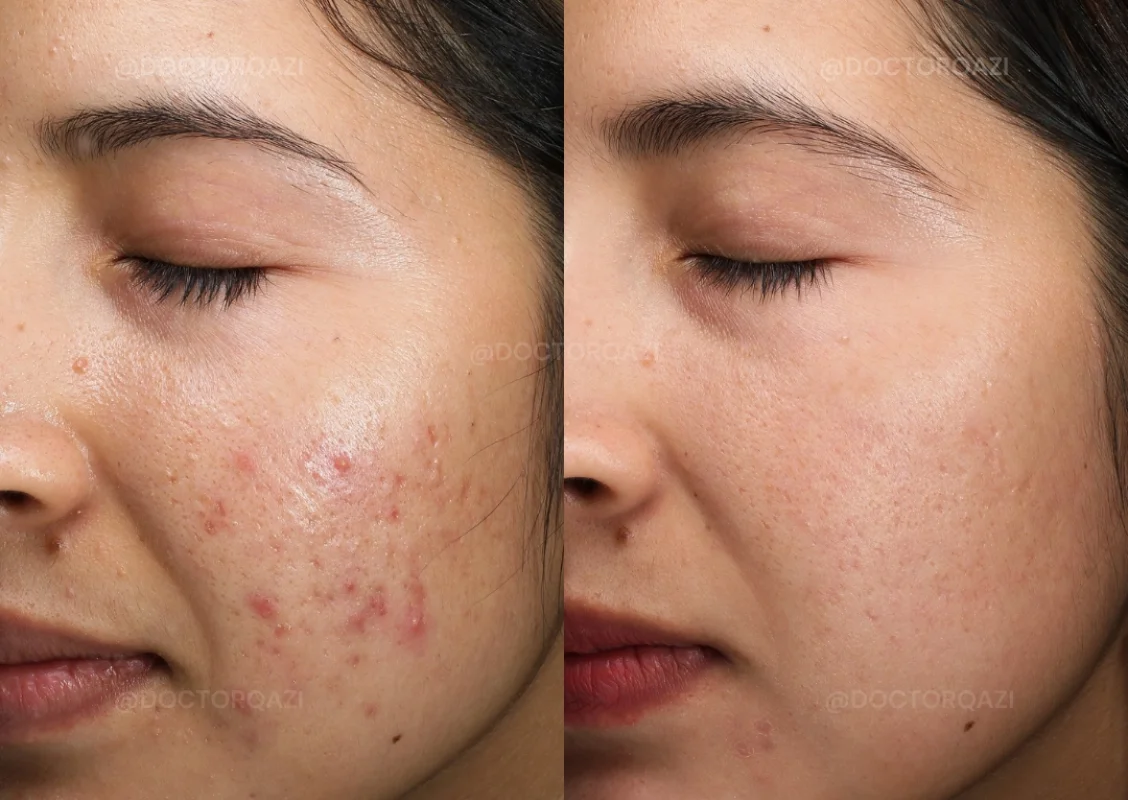
Isotretinoin can lead to significant improvement, but results vary among patients.
Accutane success stories
Many patients experience long-term acne control. Reduced inflammation lowers scarring risk. These outcomes explain continued use. Follow-up care remains important.
Why do results vary between patients?
Some patients relapse months or years later. Genetics, hormones, and acne type affect results. Isotretinoin does not treat mild acne or acne driven by outside factors. Alternatives may be better in those cases.
To explore the answer to Is Accutane Permanent?, review this detailed breakdown of long-term outcomes.
What Accutane History Means Today
What patients should understand
Accutane history shows why isotretinoin is a last-line option. It can help severe cases but needs careful use. Patients should review risks and alternatives with a doctor. Clear education supports informed choices.
You can schedule a consultation to discuss your acne history, treatment options, and next steps with a qualified provider.