Accutane is a powerful acne medication that often leads to noticeable skin changes, including redness, dryness, and sensitivity. This article explains why these changes happen, how long they last, and what they do and do not mean for skin health. Drawing on clinical dermatology principles similar to those used by board-certified dermatologist Dr. Alicia Atkins, and educational resources available through DermOnDemand, this guide is designed to help patients understand Accutane redness with clarity and realistic expectations.
Key Takeaways
- Accutane often causes facial redness because it reduces sebum production and weakens the skin barrier, thereby making blood vessels more visible and the skin more reactive.
- Redness during treatment is common and usually temporary, but red marks after acne, dark pigmentation, and true scars behave differently and fade at different rates.
- Accutane does not directly treat acne scars or post-acne marks, which is why improvement in texture or discoloration often continues slowly after treatment ends.
- Gentle skin care, consistent sun protection, and avoiding harsh products can help limit irritation and reduce redness while the skin recovers.
- Severe, painful, scaly, or spreading redness, or signs of infection, need in-person evaluation to confirm the cause and guide safe next steps.
Does Accutane Make Skin Red?
Yes, Accutane commonly causes the skin to appear red, particularly during the early and middle stages of treatment. This redness is attributable to the medication’s effects on normal skin function rather than to an allergic reaction in most cases. Many patients report flushing or a pink facial tone as the skin adjusts to treatment.
Redness may appear more pronounced because Accutane thins the outer layer of the skin. As a result, blood vessels become more visible, particularly in fair or sensitive skin types. This reaction is a common side effect of isotretinoin.
Why Red Skin Happens on Accutane
Accutane reduces sebum production in the skin. It shrinks sebaceous glands and reduces sebum production, thereby helping clear clogged pores and reduce acne-causing bacteria. These changes improve acne but also weaken the skin’s natural barrier.
When the skin barrier weakens, moisture escapes more easily. This leads to dry skin, irritation, and increased sensitivity to environmental triggers. Inflammation also plays a role, as isotretinoin modulates immune signals implicated in acne and other skin diseases.
Many patients begin by researching Accutane to understand how the medication works and whether it may be appropriate for their acne.
Where Redness Appears Most Often
Redness usually appears on the central face. The cheeks, nose, and chin are the most commonly affected areas. These regions have more sebaceous glands and blood vessels, which explains why red skin on Accutane often shows first.
The nose may look especially red because it has dense oil glands and thin skin. Even mild irritation can cause noticeable color changes in this area. This pattern does not mean acne is worsening or that treatment is failing.
You can see changes and personal stories about accutane nose before and after to understand how treatment may affect nasal appearance.
Types of Redness on Accutane
- Some patients experience general flushing that comes and goes, often triggered by heat, exercise, or stress during Accutane treatment.
- Others develop persistent pink or red patches that stay visible throughout the day due to increased skin sensitivity.
- Flat red marks can appear after acne heals; these are often referred to as accutane red marks and are medically known as post-inflammatory erythema.
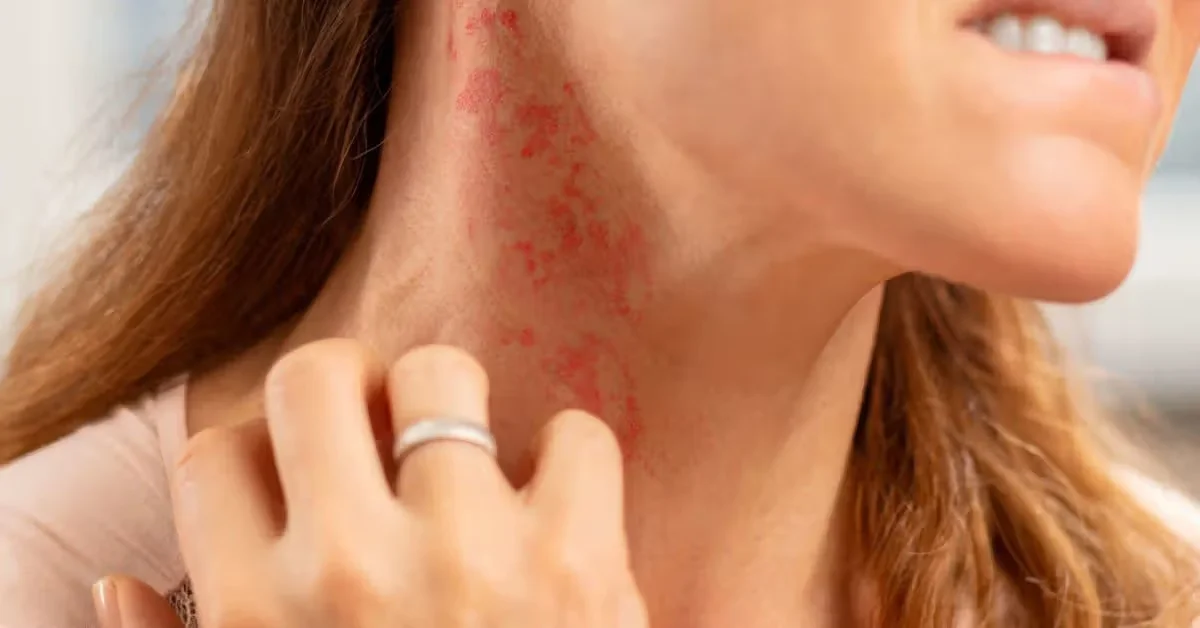
- In certain cases, redness may present as irritation or a mild rash and should be evaluated to rule out infection or allergic reactions.
Does Accutane Redness Go Away?
In most cases, redness improves after treatment ends. During active therapy, redness tends to fluctuate and may worsen when dryness or irritation increases. This phase is expected and usually temporary.
After discontinuing Accutane, the skin slowly regains its barrier and sebum balance. When comparing Accutane scars before-and-after photographs or timelines, many people observe that redness fades over several months, whereas texture and scarring change more slowly or not at all.
Red Marks, Hyperpigmentation, and Scars
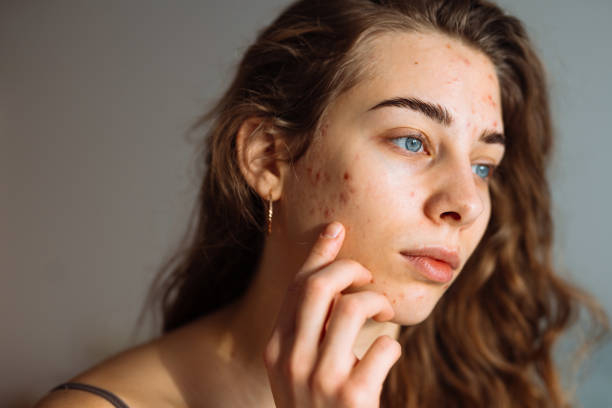
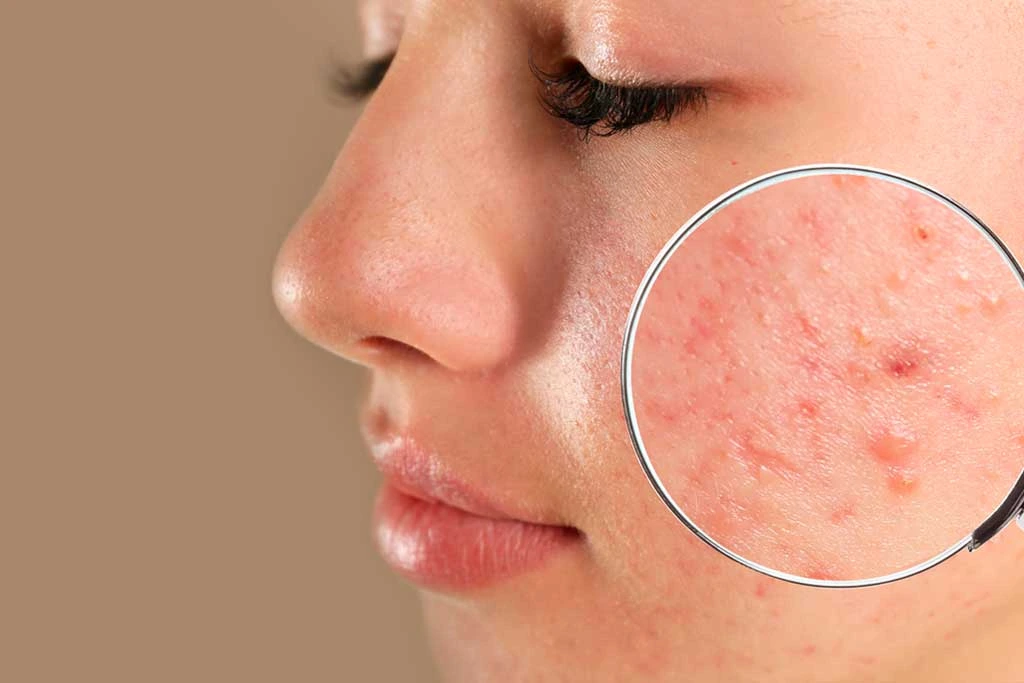
Red marks are different from dark marks and scars. Red marks come from dilated blood vessels left behind after inflammation clears. They are more common in lighter skin tones and fade with time.
Dark marks, also called post-inflammatory hyperpigmentation, result from excess pigment production. They appear brown or gray and are more common in darker skin types. True acne scars involve permanent changes in skin structure, which explains why pre- and post-AcuTane scar comparisons often show little change in scar depth.
Patients often wonder does Accutane get rid of acne scars or if additional treatments are needed after acne clears.
Accutane for Rosacea Redness
Accutane is not a standard treatment for rosacea, even though both conditions involve facial redness. In some cases, low doses may be used for specific inflammatory patterns, but this is not typical care. Using Accutane for rosacea requires careful evaluation, as the medication may exacerbate flushing and sensitivity.
Patients with rosacea-prone skin may notice increased redness during isotretinoin therapy. This does not mean the drug is unsafe, but it does highlight the need for personalized care and close monitoring.
Signs That Accutane Is Working
- Redness alone does not indicate whether treatment is effective; fewer breakouts, less inflammation, and fewer clogged pores are more reliable indicators of improvement.
- Many patients report that acne lesions heal more quickly as treatment progresses, even when redness persists.
- Temporary worsening of acne or irritation may occur early in treatment and does not indicate that Accutane is failing; however, it should be monitored.
- Regular blood tests, pregnancy tests, and symptom checks help track safety, especially given known risks such as joint pain and other potential adverse effects.
How to Reduce Accutane Redness Safely
Gentle skin care is essential during treatment. Using bland moisturizers helps repair the skin barrier and reduce irritation. Avoiding harsh acne treatments, exfoliants, and alcohol-based products is also important.
Sun sensitivity increases with Accutane, making the skin more susceptible to sun exposure. Daily sun protection reduces redness and prevents long-term damage. Patients who wear contact lenses may also need eye lubrication due to dryness.
Dryness-Related Redness and Cracking
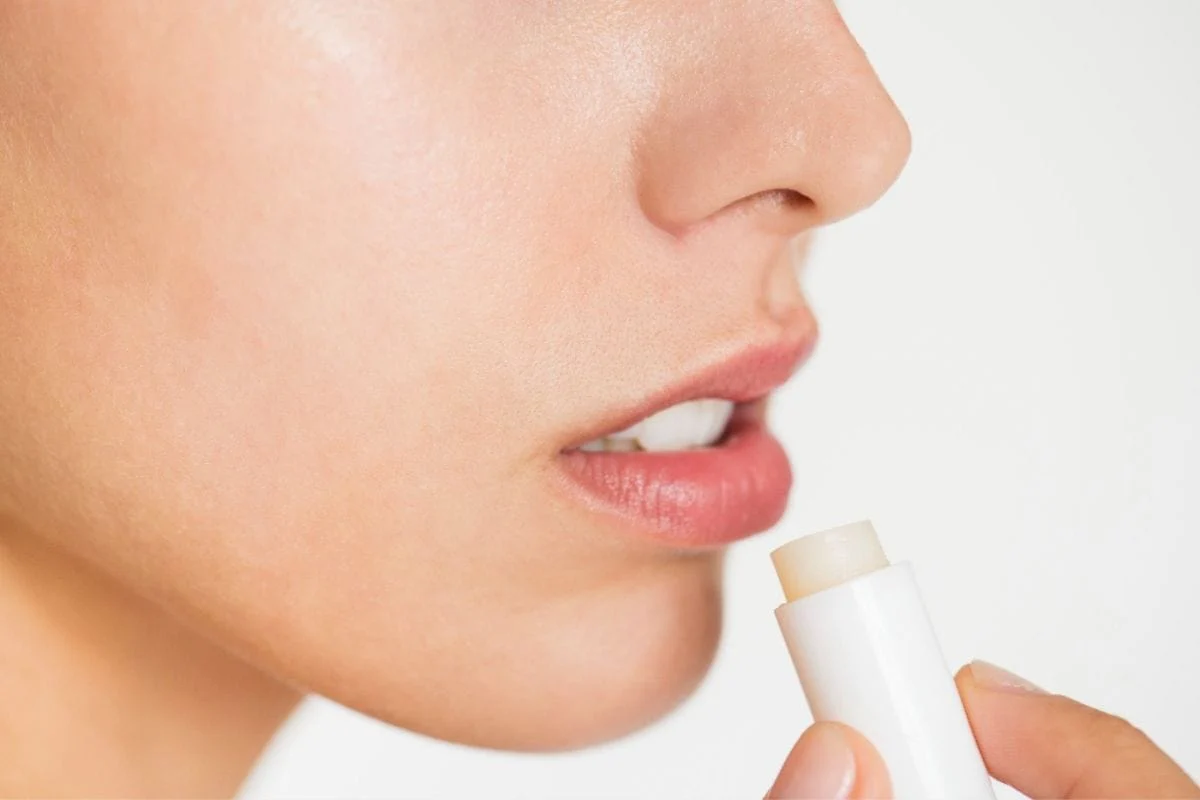
Dryness affects the lips, nose, and corners of the mouth. Angular cheilitis, which causes cracking and redness at the corners, is common during isotretinoin therapy. This occurs because moisture loss disrupts the skin’s normal defenses.
Frequent use of protective ointments can help. Persistent cracking, bleeding, or signs of infection should be reviewed by a clinician. These symptoms are usually manageable but should not be ignored.
How Long Does Accutane Treatment Usually Lasts
Treatment length depends on acne severity and response. Mild acne may require a shorter course, while severe or resistant cases need longer treatment. Most courses last several months and are designed to provide a cumulative dose.
Physicians often discontinue oral antibiotic therapy before initiating Accutane, as isotretinoin acts through different mechanisms. Adjustments may be made based on side effects, laboratory results, and overall tolerance.
When Redness Needs In-Person Care
Most cases of redness can be monitored remotely using photographs and symptom review. Education and reassurance are often enough when changes are mild and expected. DermOnDemand supports this type of guided monitoring within appropriate limits.
If redness becomes severe, painful, scaly, or starts spreading, schedule an in-person dermatology exam. New rashes, signs of infection, or symptoms that do not fit typical acne treatment also need direct evaluation. An in-person visit helps confirm the cause and ensures safe, appropriate next steps. Schedule a private online consultation to review your options with a licensed provider.