Key Takeaways
- Accutane sunburn occurs because isotretinoin reduces oil production and weakens the skin barrier, making the skin more sensitive to UV exposure and prone to faster damage.
- Even brief sun exposure can cause redness, irritation, or blistering, so consistent protection is necessary throughout treatment.
- Mild burns can often be managed with cooling, hydration, and gentle skin care, but severe symptoms like blistering or intense pain may require medical evaluation.
- Recovery time varies, but most mild cases improve within a few days, while continued sun exposure can delay healing and increase complications.
- Daily use of broad-spectrum sunscreen, protective clothing, and limiting sun exposure are key steps to reduce risk and support safer skin recovery.
Why Accutane Increases Sun Sensitivity

Skin Barrier Changes
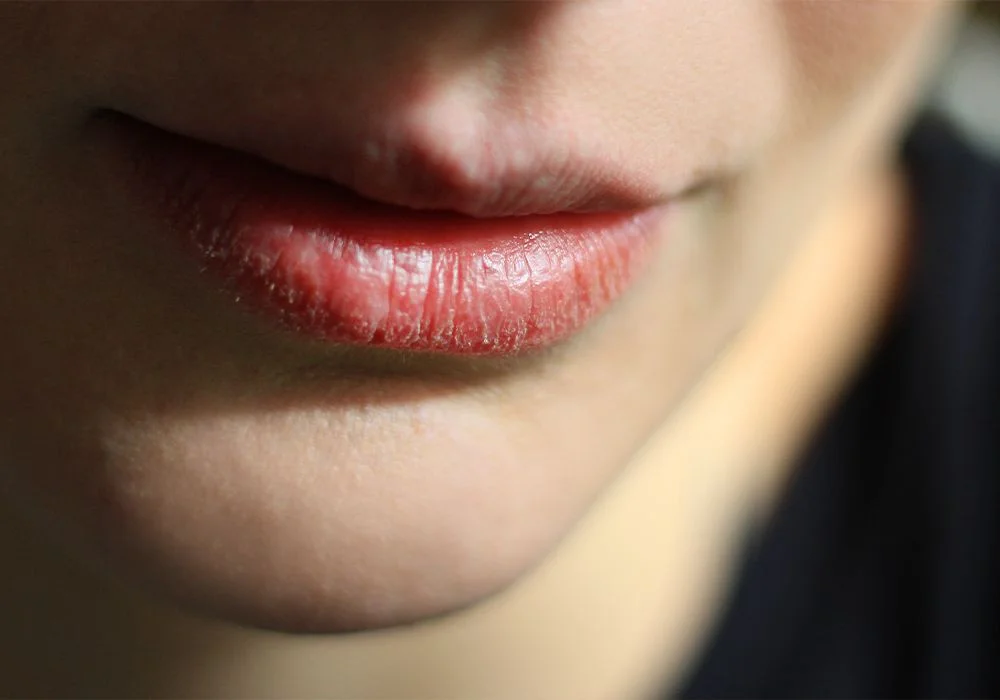
Isotretinoin reduces oil production, which weakens the outer layer of the skin. This layer normally helps protect against environmental stress, including UV radiation. When it becomes thinner and drier, the skin loses part of its natural defense.
As a result, the skin becomes more fragile and more sensitive to external triggers. This includes sunlight, wind, and heat. These changes explain why patients often feel more exposed during treatment.
Faster UV Damage
UV rays penetrate more easily when the skin barrier is compromised. This leads to quicker inflammation and visible damage. Even indirect sunlight can trigger irritation in some cases, which may present as an Accutane sun rash.
This effect is why many patients notice they burn faster than before starting treatment. The change is not gradual; it often appears early in the course of treatment.
Accutane Sun Exposure Risks
Spending time outdoors without protection increases the chance of damage. Activities like driving, walking, or sitting near windows can still expose skin to UV light. Many people underestimate these everyday exposures.
Repeated exposure without protection can increase irritation and delay healing. This is why consistent protection is important throughout treatment.
How Fast Burns Develop
Burns can develop within minutes, especially during peak sun hours. Midday exposure carries the highest risk. Even brief exposure can lead to noticeable redness.
This rapid onset often surprises patients who were previously tolerant to sunlight. The change reflects the skin’s reduced ability to protect itself.
Accutane Sunburn Symptoms and Rash
Mild Symptoms
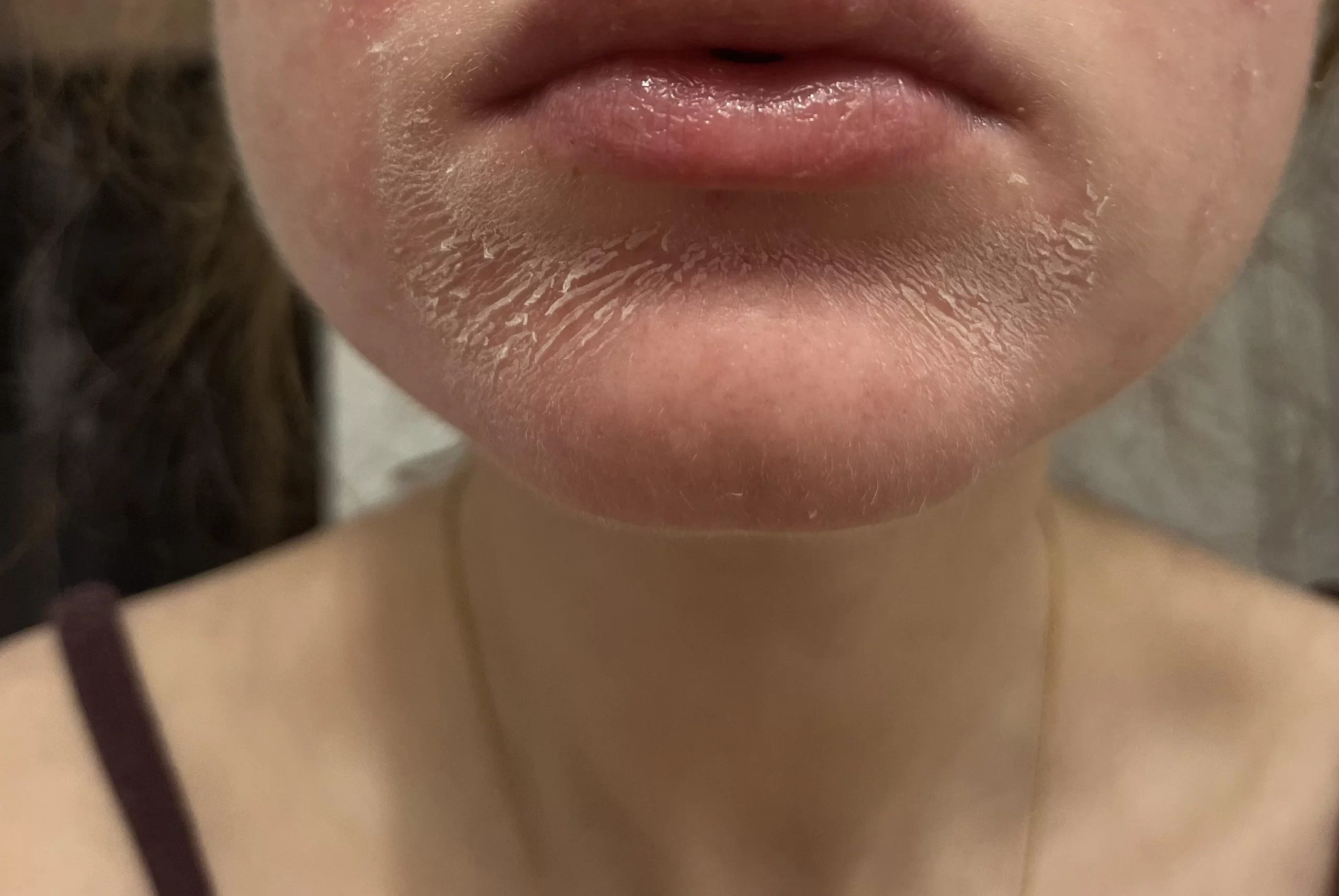
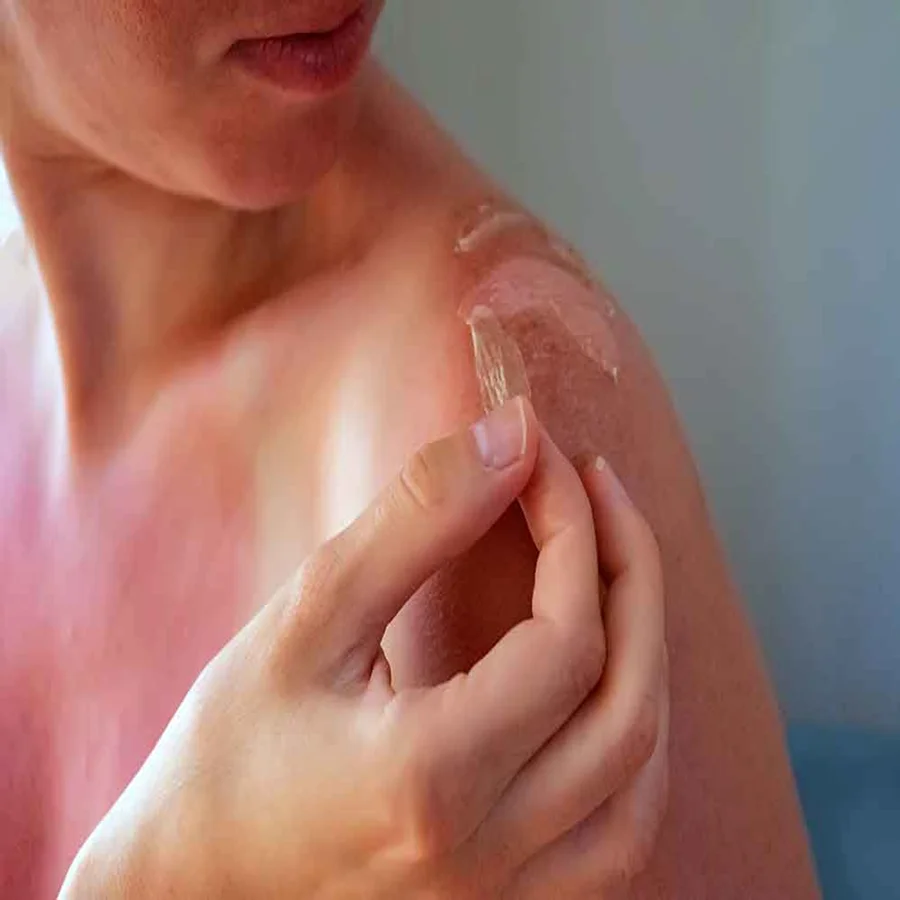
Mild cases often include redness, dryness, and a warm sensation on the skin. Peeling may occur after a few days as the skin heals. These symptoms are usually temporary.
Some patients also report a rash-like appearance with small areas of irritation. This can resemble dryness or mild inflammation rather than a classic burn.
Severe Burn Signs
More severe cases may include blistering, swelling, and intense pain. These signs indicate deeper skin involvement. The skin may feel tight and sensitive to touch.
Blistering increases the risk of infection if the skin barrier breaks. These cases require closer monitoring and sometimes medical evaluation.
Accutane Sunburn Treatment
Immediate Care Steps
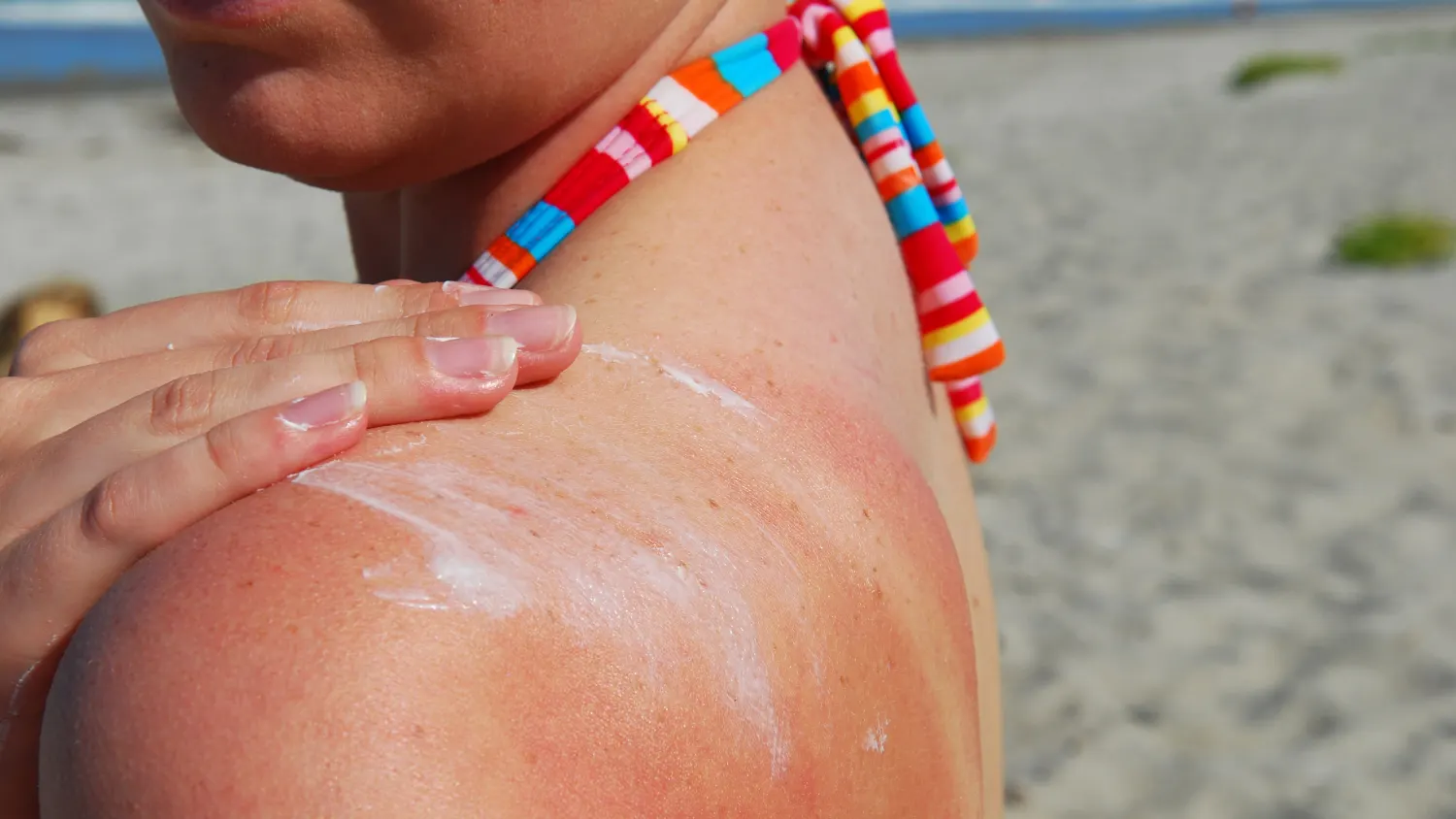
Start by moving out of direct sunlight as soon as possible. Cooling the skin with a damp cloth can help reduce heat and discomfort. Applying a gentle moisturizer supports skin repair.
Hydration also plays a role in recovery. Drinking fluids helps maintain skin balance and supports healing. These steps form the foundation of early care.
What To Avoid
Avoid using harsh products such as exfoliants or alcohol-based cleansers. These can worsen irritation and delay healing. Hot showers and friction from tight clothing may also increase discomfort.
Do not attempt to peel or remove damaged skin. This can increase the risk of infection and prolong recovery time.
Can You Treat It at Home
Mild cases can often be managed with basic care. This includes moisturizing, avoiding sun exposure, and using gentle products. Pain usually improves within a few days.
However, more severe burns may require professional evaluation, especially if symptoms worsen or if guidance on starting treatment is needed. Platforms like DermOnDemand help guide patients in determining whether their symptoms require further attention.
Factors That Affect Recovery
- Skin type influences how quickly the skin heals and how it reacts to damage
- Hydration levels affect the skin’s ability to repair itself
- Continued sun exposure can delay healing and worsen irritation
- Repeated UV exposure increases inflammation and prolongs recovery time
- Using protective measures, such as sunscreen and covering the skin, supports healing
- Gentle skin care helps maintain the skin barrier during recovery
- Consistency in daily care plays a key role in how quickly the skin improves
When To Seek Medical Help
Warning Signs
Seek medical advice if you notice severe pain, extensive blistering, or swelling. These signs may indicate a deeper burn. Fever or chills may also signal a more serious reaction.
Persistent symptoms that do not improve after several days should be evaluated. Early assessment can help prevent complications.
Infection Risk
Open blisters increase the risk of infection. Signs include pus, worsening redness, or increased pain.
Keeping the area clean and avoiding irritation reduces this risk. If infection is suspected, medical care is necessary.
Is Accutane Sunburn Dangerous or Permanent
Short-Term vs Long-Term Effects
Most cases are temporary and resolve without lasting damage. Temporary changes in skin color may occur, but often fade over time.
Long-term effects are more likely with repeated severe burns. This highlights the importance of prevention.
Risk of Skin Damage
Repeated UV exposure can increase long-term risks, such as premature aging and skin changes, especially when combined with long-term Accutane effects. While a single burn is unlikely to cause lasting harm, repeated exposure increases the risk.
Understanding these risks helps guide safer habits during treatment.
How To Prevent Sunburn on Accutane
Daily Protection
Daily protection reduces the risk of damage. Use a broad-spectrum sunscreen with SPF 30 or higher and reapply regularly.
Wear sun-protective clothing, such as hats and long sleeves, when outdoors. Seeking shade during peak hours also helps limit exposure.
Common Mistakes
Common mistakes include skipping sunscreen on cloudy days or forgetting to reapply. Relying on a single application is not enough.
Another mistake is assuming short exposure is safe. Even a brief time in the sun can lead to irritation.
How Long Does Sun Sensitivity Last
Sun sensitivity usually continues throughout the treatment period and may persist for several weeks after stopping the medication. Over time, the skin gradually returns to its baseline, but protection remains essential during this transition.
If you are noticing increased sensitivity or are unsure how your skin is responding, focus on consistent sun protection and monitor any changes closely. Understanding how your skin reacts will help you make safer daily choices while continuing your treatment.