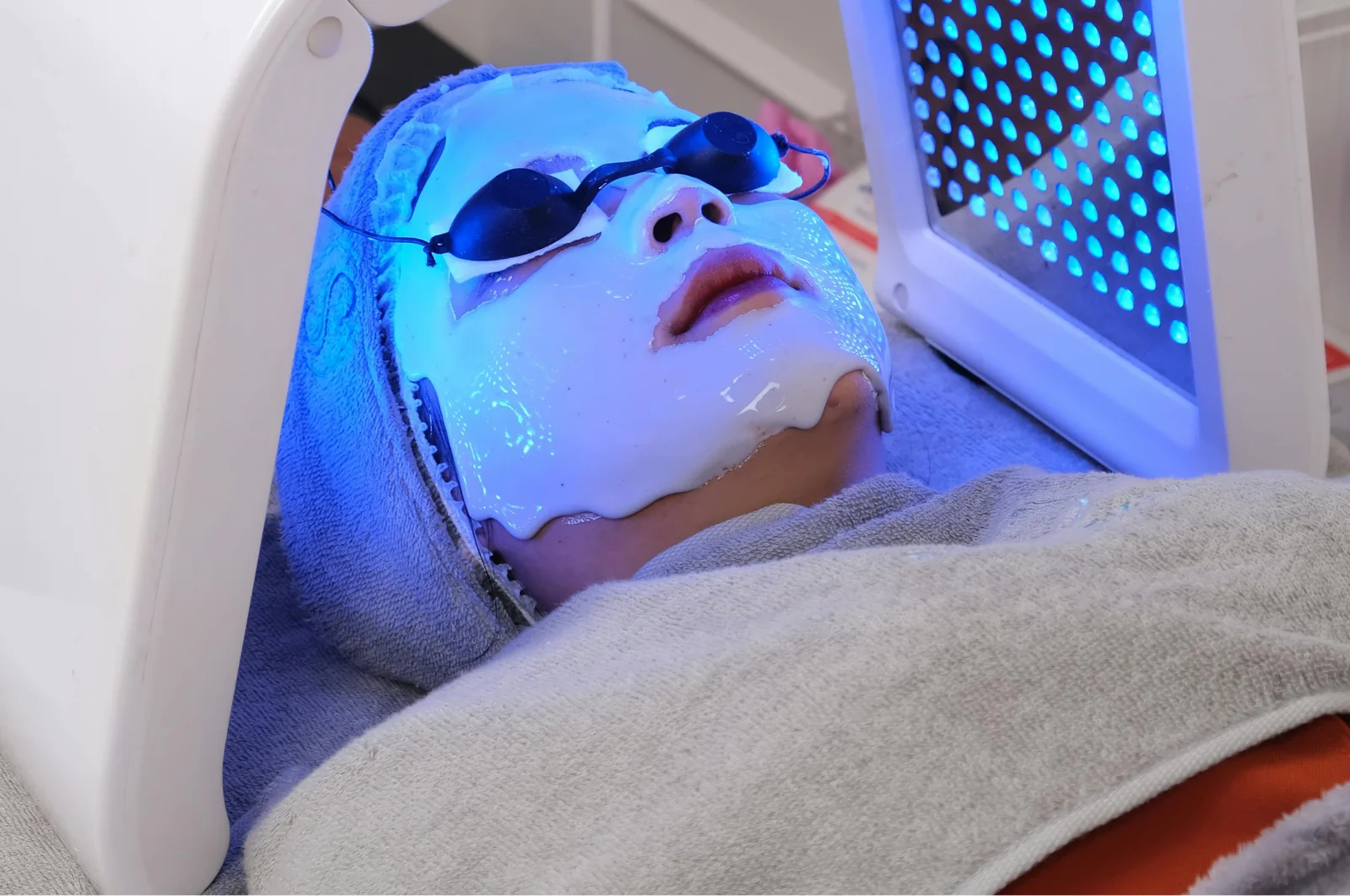
Blue light therapy is a light-based dermatology treatment most often used as part of photodynamic therapy, or PDT. In this process, a clinician applies a photosensitizing medicine, such as aminolevulinic acid, to damaged skin and then exposes the area to blue light. The treatment helps destroy abnormal cells while limiting harm to nearby healthy tissue.
DermOnDemand presents this article as an educational explainer, with clinical context informed by dermatology expertise, including Dr. Ross Atkins as a medical expert in skin health.
You will learn what blue light can treat, what it cannot treat, what recovery may involve, and when a dermatologist should evaluate a changing spot.
Key Takeaways
- Blue light therapy is usually part of photodynamic therapy.
- It is mainly used for precancerous sun damage, especially suitable actinic lesions.
- It does not treat all skin cancers.
- Recovery may include redness, burning, peeling, and sun sensitivity.
- A dermatologist should evaluate suspicious or changing spots before treatment.
Does Blue Light Help With Skin Cancer?
Blue light can help with some skin cancer-related concerns, but it does not treat every type of skin cancer.
It is most often used for precancerous lesions called actinic keratoses, which can appear after years of sun exposure. These lesions may develop into squamous cell carcinoma over time, so early evaluation matters.
What Is Blue Light Therapy?
What is blue light therapy? It is a light-based treatment that often works with a topical medicine to make damaged skin cells more sensitive to light.
In dermatology, this treatment is commonly called photodynamic therapy, or PDT.
How Photodynamic Therapy Works
During PDT, a clinician applies a photosensitizing agent to the treatment area. The medicine collects more in abnormal cells than in healthy cells. Blue light then activates the medicine and helps damage targeted cells.
You may be interested in: Best LED Face Mask: A Complete Dermatologist Guide
What Does Blue Light Therapy Do?
What does blue light therapy do? It helps destroy selected abnormal cells on the skin surface or near the surface. It may also treat broader areas of sun damage that contain visible and early abnormal changes.
What Blue Light Therapy Treats
Dermatologists may use blue light for certain Skin conditions linked to sun damage and abnormal cell growth.
The best-known use is treatment of actinic keratoses on areas such as the face, scalp, arms, or hands. Treatment depends on the diagnosis, lesion thickness, and medical judgment.
- Actinic Keratoses
- Sun-Damaged Skin
- Some Non-Melanoma Skin Cancers
Blue Light Therapy Benefits and Limits
Blue light therapy benefits include treating wider areas of sun damage, limiting treatment to the skin surface, and avoiding surgery for some precancerous spots.
The main limit is that it only fits certain diagnoses. It should not replace biopsy when a lesion looks suspicious.
The treatment can address multiple abnormal spots in one area. It can also help patients avoid repeated freezing of many small lesions. These benefits depend on the skin concern and treatment plan.
Blue Light Therapy for Skin Cancer Prevention
Blue light therapy for skin cancer prevention usually means treating precancerous sun damage before it progresses. It does not guarantee prevention. It also does not remove the need for skin checks or sun protection.
What Blue Light Cannot Treat
Blue light cannot diagnose skin cancer. It also cannot treat melanoma or suspicious changing lesions without proper evaluation. A dermatologist may need to biopsy a spot before choosing treatment.
What Happens During Dermatology Blue Light Treatment?
A dermatology blue light treatment usually happens in an office setting. The skin is cleaned, medicine is applied, and the patient waits while the medicine absorbs. The area is then exposed to blue light for a set period.
- Skin Preparation
The clinician may remove oil, scale, or crust from the treatment area. This helps the medicine reach the target cells. The preparation step can affect how well the treatment reaches abnormal skin.
- Blue Light Exposure
Blue light activates the medication in the treated area. Patients may feel warmth, stinging, burning, or tingling during this step. The sensation can vary by treatment area and skin sensitivity.
- Aftercare Instructions
After treatment, patients usually need to avoid strong sunlight for a short period. The treated skin can be sensitive because the medicine may stay active for some time.
Blue Light Therapy Recovery and Side Effects
Recovery can include redness, swelling, peeling, crusting, tenderness, or a burning feeling. These effects happen because treated abnormal cells and nearby irritated skin are reacting. Side effects are usually temporary, but severity varies.
- Common Skin Reactions
Peeling and crusting can occur as damaged cells shed. Some patients may have more discomfort than others.
- Sun Sensitivity
Patients are often told to avoid direct sun exposure after treatment. This helps prevent stronger reactions while the medication is still active.
You may also want to read: Skin Conditions
Blue Light Treatment for Skin Cancer Results
Blue light treatment for skin cancer-related lesions may reduce visible precancerous spots and improve treated sun-damaged areas. Results depend on lesion type, depth, location, and how the skin responds. Some patients need more than one session.
- Number of Sessions
Some treatment plans use one session, while others use repeated sessions. The number depends on the area treated and the response. Follow-up visits help determine whether more care is needed.
- Expected Skin Changes
The treated area may first look red or irritated. After healing, rough spots may feel smoother or appear less visible. New spots can still form later from past sun exposure.
- Why Results Vary
Results vary because skin damage is not the same for every person. Thicker lesions may respond less well than thinner ones. Missed or deeper cancerous cells may need biopsy, surgery, or another treatment.
Blue Light Therapy for Skin Cancer Cost
Blue light therapy for skin cancer cost depends on the diagnosis, body area, number of sessions, and insurance plan. Medical PDT for precancerous lesions may be covered differently from cosmetic light treatment. Patients should check benefits before treatment.
- Cost Factors
Cost may change based on office fees, medication, light treatment time, and follow-up care. Larger areas may cost more than small areas. Location and clinician setting also affect price.
- Insurance Coverage
Insurance may cover treatment when it is medically necessary for diagnosed precancerous lesions. Coverage rules vary by plan. Prior authorization may be required.
Cons of Blue Light Therapy
Treatment can cause burning, redness, peeling, and temporary sun sensitivity. It may require downtime while the skin heals. It may not work well for thick, deep, or aggressive lesions.
Who May Benefit Most
Patients with widespread sun damage or multiple thin precancerous spots may benefit most. A dermatologist must confirm that the lesions are suitable. The treatment plan should match the diagnosis, not just the appearance of the skin.
Blue Light Therapy vs Other Treatments
Blue light is one option among several skin cancer and precancer treatment approaches. Other choices include freezing, prescription creams, biopsy, excision, or Mohs surgery. The best option depends on what the lesion is and how risky it appears.
- Cryotherapy
- Topical Medicines
- Surgery or Biopsy
Best Treatment Depends on Diagnosis
There is no single best skin cancer treatment for every patient. A thin precancerous spot and an invasive melanoma require different care. Diagnosis guides safe treatment.
When to See a Dermatologist
A dermatologist should examine new, changing, bleeding, painful, or non-healing spots. Blue light therapy should not delay evaluation of a suspicious lesion. Early diagnosis helps guide the right treatment path.
Watch for growth, color change, uneven borders, crusting, bleeding, or a sore that does not heal. These signs do not always mean cancer. They do mean the spot needs medical review.
Questions to Ask
Patients can ask whether the lesion needs biopsy, whether PDT is appropriate, and what recovery may involve. They can also ask how many sessions may be needed. Clear questions help patients understand the treatment plan.