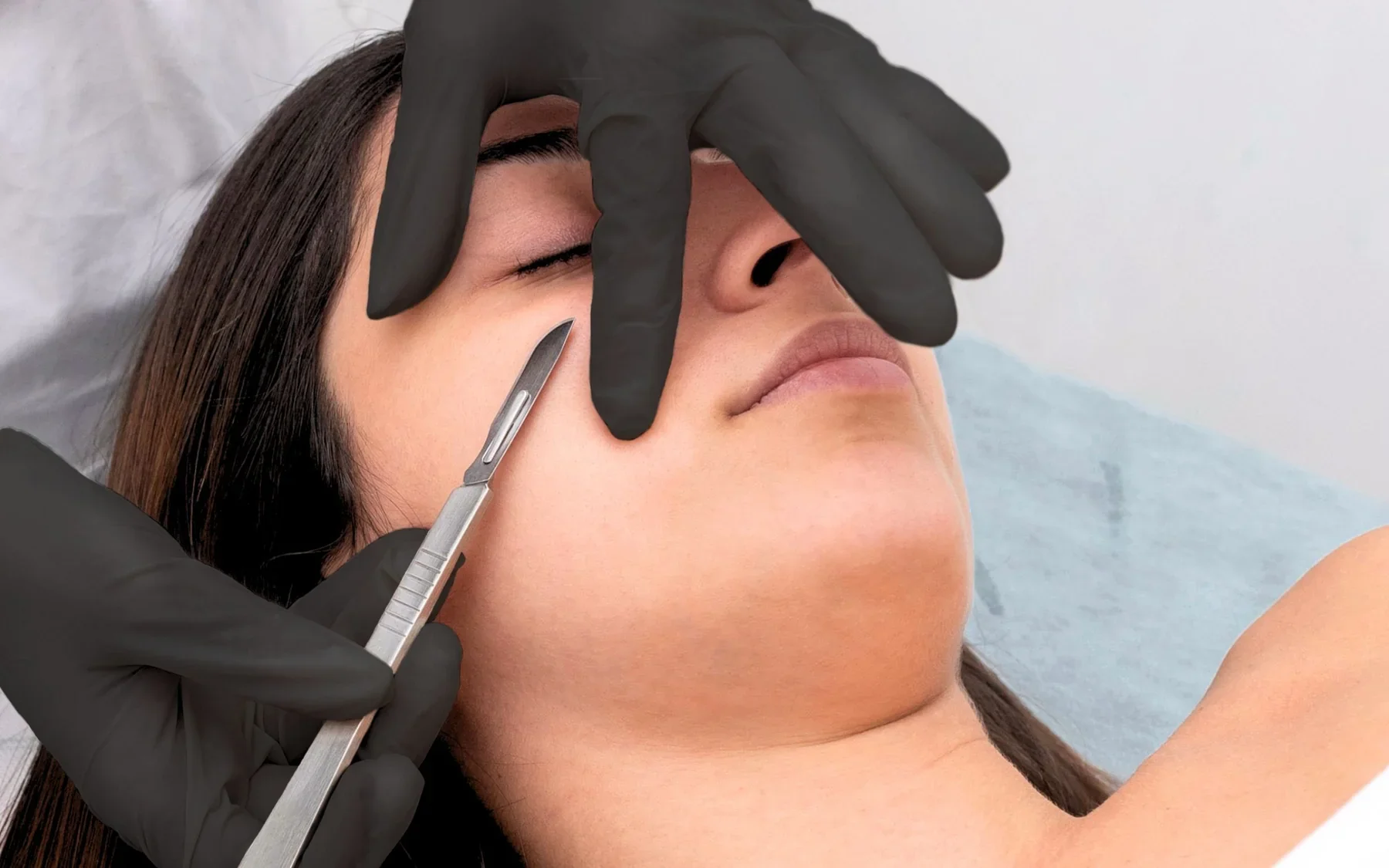
No, dermaplaning is generally not recommended while taking Accutane. If you are asking, “Can you dermaplane on Accutane?”, most dermatology guidance advises against it due to increased skin sensitivity and slower healing.
The medication thins the skin, making it more prone to irritation and increasing the risk of cuts, redness, and uneven healing after the procedure.
Even though dermaplaning is a surface treatment, it still disrupts the skin barrier, which is already weakened by the procedure. Waiting until your skin has fully recovered is usually the safer approach.
Key Takeaways
- Dermaplaning is generally not recommended during Accutane treatment because the skin becomes more fragile and heals more slowly.
- Accutane weakens the skin barrier, which increases the risk of cuts, irritation, and uneven healing after procedures like dermaplaning.
- Most dermatology guidance suggests waiting several months after finishing Accutane before considering exfoliating treatments.
- Gentle skin care, hydration, and sun protection are safer approaches while your skin is more sensitive during treatment.
- Personal experiences may vary, but medical recommendations focus on reducing risk and protecting long-term skin health.
Is Dermaplaning Safe While on Accutane
Some people may not see immediate problems, but that does not mean it is safe. Skin can react hours or days later. This delayed response is one reason why doctors advise caution.
When people ask whether you can dermaplane on Accutane, the answer is usually no. Accutane, also known as isotretinoin, makes the skin more sensitive and slower to heal. This increases the risk of irritation, cuts, and uneven healing after dermaplaning.
Dermaplaning uses a surgical blade to remove dead skin cells and peach fuzz from the skin surface. It can make the skin feel smoother and may reduce the look of fine lines and wrinkles. The process still removes part of the outer skin layer, even if it feels gentle.
Why Accutane Makes Skin More Fragile
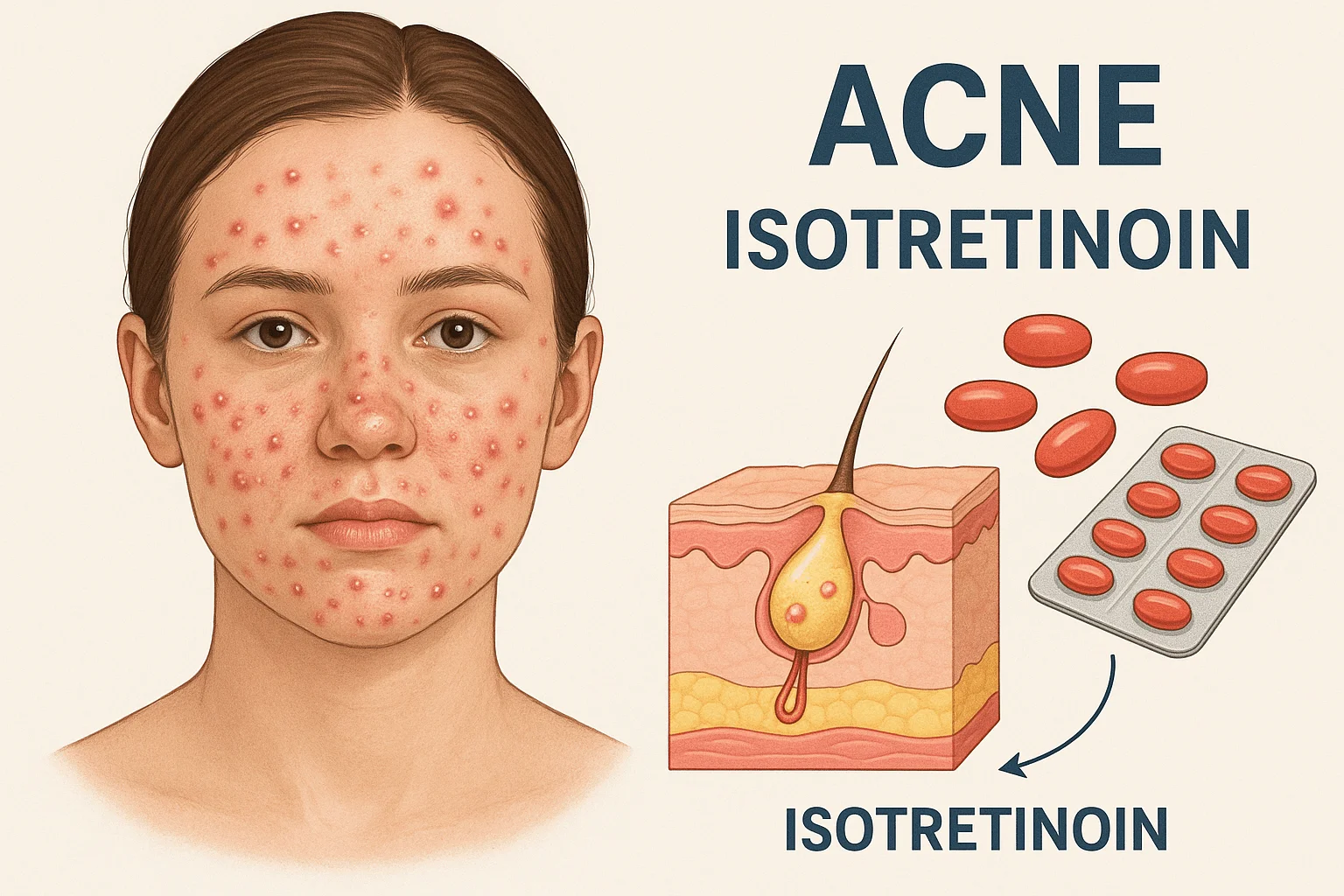
Isotretinoin (Accutane) works by reducing oil production in the skin, and its absorption can be influenced by diet, including the consumption of fatty foods. This helps treat acne, but it also changes how the skin behaves. The skin becomes dry, tight, and more prone to irritation.
Many patients notice flaking and sensitive skin during treatment. This happens because the skin barrier becomes weaker. The barrier protects the skin from damage and helps retain moisture.
When the barrier is weak, the skin cannot recover as fast. Even minor stress, such as light scraping or friction, can cause redness or damage. This is why procedures that remove layers of skin should be avoided during this time.
Risks of Dermaplaning on Accutane
A dermaplaning session may look simple, but it still affects the skin surface. When the skin is fragile, even gentle exfoliation can cause problems. The risks are higher while taking Accutane.
Common side effects and reactions.
- Small cuts or nicks from the blade
- Redness and irritation that lasts longer than usual
- Dark spots after healing
- Slower recovery of the skin
Some people may also feel burning or discomfort after the procedure. This can happen even if the dermaplaning treatment was done carefully.
Sun exposure can make these effects worse. After dermaplaning, the skin is more open to UV damage. This can lead to uneven tone or long-term marks if the skin is not protected.
What Dermatologists Recommend
Most dermatologists recommend avoiding dermaplaning during Accutane treatment, especially while evaluating whether Accutane results are permanent. This advice is based on how the medication changes the skin’s ability to heal. Even mild procedures can cause more harm than expected.
When patients ask, can you dermaplane while on Accutane, doctors usually suggest waiting. The goal is to protect the skin until it returns to a more stable state.
During treatment, it is better to follow a simple skin care routine. Focus on keeping the skin hydrated and protected. Avoid treatments that remove or disturb the skin’s outer layer.
How Long After Accutane Can You Dermaplane
After finishing Accutane, the skin needs time to recover, and understanding how long it takes for Accutane to leave the system can help explain this timeline.. Many providers suggest waiting several months before trying a dermaplaning treatment. This allows the skin barrier to rebuild and become stronger.
There is no exact timeline that works for everyone. Some people recover quickly, while others may still have dryness or sensitivity weeks later. It depends on the person and how their skin responds to treatment.
A good sign of recovery is when the skin feels normal again. This means less dryness, less irritation, and better tolerance of basic skincare products. Waiting longer often reduces the risk of problems.
Facial Hair Removal and Treatments on Accutane
Facial hair, often called peach fuzz, can become more noticeable during treatment. This can lead people to ask, can you shave your face while on Accutane. Shaving may be possible, but it must be done carefully.
Use a clean razor and avoid pressing too hard on the skin. Always follow with a gentle moisturizer to reduce irritation. Even with care, some people may still notice redness.
Other methods should be avoided. These include waxing and chemical peels. These treatments remove layers of skin or pull at the surface, which can lead to injury.
Safer options focus on simple care:
- Use a gentle cleanser
- Apply a basic moisturizer
- Protect the skin from sun exposure
These steps help support the skin while it is more sensitive.
Why Experiences Vary Between Patients
Online discussions about dermaplaning on Reddit threads about Accutane show mixed experiences. Some users report having no problems with the procedure. Others describe irritation, redness, or discomfort.
These different results occur because each person’s skin reacts differently. Factors like dose, skin type, and technique all play a role.
Personal stories can help show what might happen, but they are not a substitute for medical advice. It is important to focus on what is safest for most people, not just what worked for one person.
Does Dermaplaning Affect Female Skin Differently

Some people ask if dermaplaning affects female patients in a different way. Hormones can influence the skin, but the main effects of Accutane remain the same. The medication changes the skin barrier in similar ways for most people.
This means the risks of dermaplaning do not vary much by gender. Sensitive skin, dryness, and slow healing are the key factors to consider.
The decision should be based on the patient’s skin condition, not on whether the patient is male or female. The same safety guidance applies to all skin types.