Yes, you can take Plan B while on Accutane, but there are important limitations to understand. Plan B remains an option after unprotected sex, and it may reduce the chance of pregnancy when taken within the recommended time frame. However, isotretinoin may affect how the body processes certain hormones, introducing uncertainty.
An accurate understanding of this scenario helps reduce confusion and anxiety. Many patients encounter conflicting advice online, which can delay decision-making. Clear medical guidance supports acting quickly while also recognizing the limits of any single intervention.
Many patients ask whether oral contraceptives can be used alongside isotretinoin, particularly when considering whether Accutane is permanent and how long treatment planning may last.
Plan B works independently of isotretinoin’s acne treatment effects. However, both medications interact with hormonal pathways in different ways, which is why careful explanation is important. Patients should view Plan B as a risk-reduction tool rather than a guaranteed outcome.
It is also important to understand that emergency contraception is not meant for repeated use as a primary method. Its role is limited to specific situations where risk has already occurred. This distinction helps patients use it appropriately and avoid relying on it as a routine form of protection.
Key Takeaways
Plan B can be taken while on Accutane, but it does not guarantee pregnancy prevention, and its effectiveness depends heavily on timing and individual factors.
Accutane may slightly affect hormonal contraceptives, which is why emergency contraception should be viewed as a backup rather than a reliable standalone solution.
Plan B works best when taken as soon as possible after unprotected sex and is less effective if ovulation has already occurred.
Pregnancy during Accutane treatment carries a high risk of severe birth defects, making prevention and timely follow-up essential.
After taking Plan B, it is important to monitor for changes in the menstrual cycle and take a pregnancy test within 2 to 3 weeks if there is any uncertainty.
Is It Safe to Combine Both Medications
Taking Plan B and Accutane together is generally considered acceptable in urgent situations. The concern is not immediate harm from combining the medications, but rather how isotretinoin may alter hormone levels. This may affect how well hormonal contraception works.
Safety in this context refers to preventing pregnancy, not avoiding drug toxicity. Since isotretinoin is a known teratogen, even a small risk of pregnancy becomes clinically significant. This is why healthcare guidance emphasizes prevention and backup planning.
Patients should understand that “safe” does not mean “guaranteed.” It means the combination does not create a harmful drug reaction, but outcomes still depend on timing and biological factors. This distinction is central to making informed decisions.
Can You Take Accutane and Birth Control Together
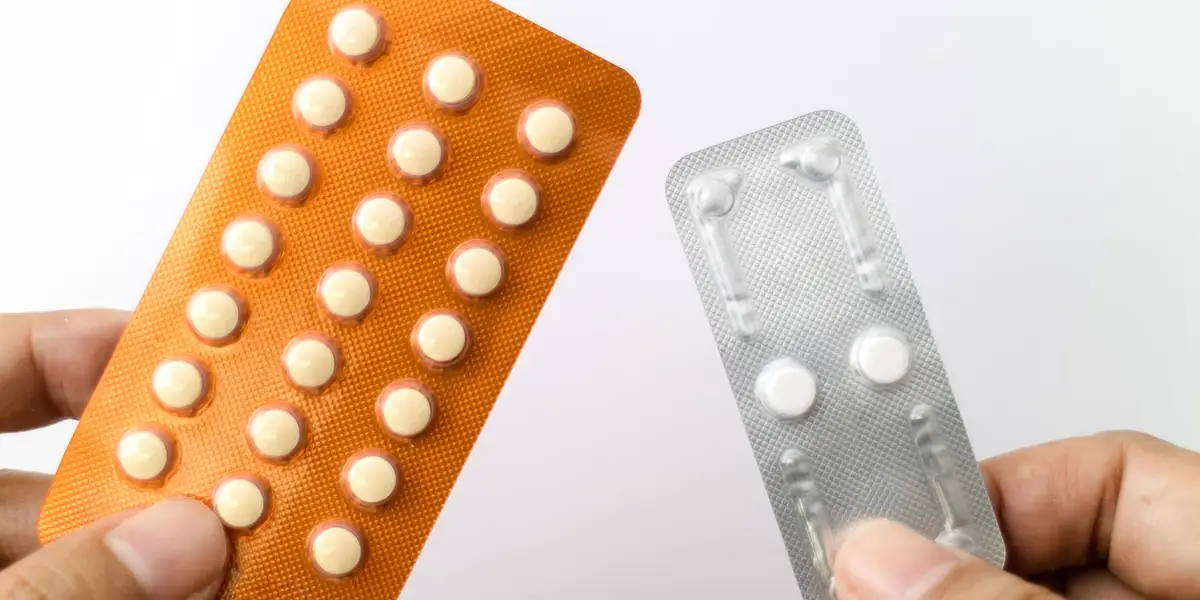
Many patients ask whether oral contraceptives can be used alongside isotretinoin. The answer is yes, and in fact, most treatment programs require at least one hormonal method combined with another form of contraception. This approach reduces the chance of unintended pregnancy.
Oral contraceptives work by regulating hormones that control ovulation. While Accutane does not fully block their effect, it may slightly lower hormone levels in some cases. This is why dual contraception is recommended instead of relying on a single method.
Using two methods addresses different types of risk. For example, combining a hormonal method with a barrier method reduces both user error and biological variability. This layered approach is considered standard practice in dermatology care involving isotretinoin.
How Plan B Works and When It Is Effective
Plan B contains levonorgestrel, a hormone that delays or prevents ovulation. If ovulation does not occur, fertilization cannot happen. This is the primary mechanism behind its effectiveness.
Timing is critical. Plan B works best when taken as soon as possible after unprotected sex, ideally within 72 hours. The longer the delay, the lower the effectiveness.
Effectiveness is not uniform across all situations. Factors such as body weight, cycle timing, and how close ovulation is can influence outcomes. Understanding these variables helps set realistic expectations.
Does Plan B Work After Ovulation
Plan B is less effective if ovulation has already occurred. In that case, the hormone cannot prevent the release of an egg. This is one of the main limitations of emergency contraception.
Ovulation timing can vary from cycle to cycle. Many people cannot accurately predict when it occurs. This uncertainty is why emergency contraception is not considered fully reliable in all situations.
Patients often assume they can estimate ovulation based on calendar tracking alone. However, hormone fluctuations and irregular cycles make this unreliable. This highlights the importance of prompt action rather than relying on assumptions about timing.
Plan B Side Effects Explained
Plan B side effects are usually mild and temporary. Common symptoms include nausea, fatigue, headache, and changes in the next menstrual cycle. Some patients may experience spotting or delayed periods.
These effects are related to the hormone dose and how the body responds. They do not indicate that the medication is working or failing. If severe symptoms occur, medical evaluation may be needed.
Changes in the menstrual cycle are one of the most noticeable effects. Periods may arrive earlier or later than expected. This can create anxiety, which is why follow-up testing is recommended when cycles change significantly.
Accutane Drug Interaction Explained
Isotretinoin may interact with hormonal medications by affecting how they are processed in the body, and understanding broader isotretinoin side effects can help provide additional context. This interaction is classified as moderate, meaning it may alter effectiveness but does not completely block it. The degree of impact varies between individuals.
This interaction does not make Plan B ineffective. Instead, it introduces variability in its performance. Patients should understand that the outcome may not be the same as in someone not take isotretinoin.
Understanding this interaction helps explain why strict contraception protocols exist. The goal is not to eliminate all risk, which is not possible, but to reduce it as much as possible.
A moderate interaction suggests that two drugs influence each other in a measurable but not extreme way. In this case, isotretinoin may slightly reduce circulating hormone levels. This could affect the effectiveness of hormonal contraception.
Patients often interpret “interaction” as a warning to avoid a medication. In this case, it means using the medication with understanding, not avoiding it entirely. This distinction is important for correct use.
Does Accutane Reduce Plan B Effectiveness
Accutane may reduce the effectiveness of Plan B in some cases, but the effect is not consistent or predictable. This makes it difficult to estimate the exact risk. Some patients may experience no noticeable change, while others may have reduced protection.
Because of this variability, medical guidance focuses on using Plan B promptly and considering follow-up steps. This includes monitoring for pregnancy and reviewing contraception methods.
This uncertainty is why emergency contraception should be paired with awareness of next steps. It is part of a broader risk management approach rather than a standalone solution.
What to Do After Unprotected Sex on Accutane
After unprotected sex during isotretinoin treatment, timing is the most important factor. Taking emergency contraception as soon as possible improves the chance of preventing pregnancy. Waiting reduces effectiveness.
Patients should also consider their recent contraceptive use. Missing pills or inconsistent use increases risk. Understanding what happened helps guide the next step.
Emotional stress is common in this situation. Clear steps can help reduce uncertainty and support decision-making. Focusing on actions rather than assumptions is key.
Steps to Take Within 72 Hours
- Take Plan B as soon as possible
- Review the timing of the last menstrual cycle
- Avoid relying on assumptions about “safe days.”
These steps help reduce risk but do not eliminate it. Follow-up remains important.
Taking action early provides the best chance of effectiveness. Delays can reduce the ability of the medication to prevent ovulation.
When to Consider Additional Options
In some cases, other forms of emergency contraception may be more effective. These include options that work beyond 72 hours or are less time-dependent. A healthcare provider can help determine suitability.
Patients should not delay action while deciding. The first step should always be taken promptly, even if additional options are considered later.
Having awareness of alternatives helps patients respond more effectively in future situations. It also supports better planning and prevention.
When to Take a Pregnancy Test After Plan B
A pregnancy test is usually recommended about 2 to 3 weeks after taking Plan B. Testing too early may not give accurate results. Waiting allows enough time for hormone changes to be detectable.
If the menstrual cycle is delayed or unusual, testing becomes more important. Follow-up ensures that any issue is identified early.
Regular monitoring is part of safe isotretinoin use. Testing is both reactive and preventive in this context.
Accutane Pregnancy Risks and Birth Defects

Accutane baby risks are a central concern in dermatology care, especially when reviewing risks of being pregnant on Accutane. Isotretinoin exposure during pregnancy can cause severe birth defects affecting the brain, heart, and other organs. This risk exists even with short exposure.
Because of this, pregnancy prevention is a strict requirement during treatment. Patients are usually enrolled in monitoring programs that emphasize contraception and regular testing. These systems aim to reduce risk as much as possible.
Understanding the severity of these risks helps explain why guidelines are strict. The goal is to prevent harm before it occurs.
What Happens If You Get Pregnant on Accutane
If pregnancy occurs during isotretinoin use, immediate medical evaluation is necessary. The situation requires careful assessment and counseling. Outcomes vary, but the risk of serious complications is high.
This is why prevention remains the primary focus. Understanding the consequences helps patients make informed decisions.
Early detection allows for timely medical guidance. This supports patient safety and informed decision-making.
Common Misconceptions About Plan B and Accutane
Many misconceptions create confusion about how these medications work together. Some patients believe that Plan B always prevents pregnancy. Others assume that Accutane makes contraception ineffective.
These beliefs are not accurate. The reality is more complex and depends on timing, biology, and consistency of use.
Clear education helps reduce reliance on misinformation. Patients benefit from understanding both the capabilities and limitations of each method.
Does Plan B Always Prevent Pregnancy
Plan B reduces the chance of pregnancy but does not guarantee prevention. Its effectiveness depends on when it is taken and whether ovulation has occurred. It is a backup method, not a primary solution.
Understanding this limitation helps set realistic expectations. Patients should not rely on it as a routine method.
Recognizing uncertainty allows for better planning and follow-up. It also reduces false reassurance.
Does Accutane Make Birth Control Useless
Accutane does not make birth control useless. It may slightly affect hormone levels, but most contraceptive methods remain effective when used correctly. The recommendation for dual methods reflects added caution, not failure of one method.
A clear understanding reduces anxiety and improves decision-making. Patients can focus on consistency rather than fear of ineffectiveness.
When to Seek Medical Care
Medical care may be needed if there are concerns after taking emergency contraception. This includes delayed periods, unusual symptoms, or uncertainty about risk. Early evaluation helps clarify the situation.
Patients should also seek care if they need guidance on contraception planning. Ongoing management reduces the likelihood of future risk.
Healthcare providers can help interpret symptoms and test results. This supports an accurate understanding and reduces confusion.
Pregnancy Testing and Monitoring
Pregnancy testing is part of routine monitoring during isotretinoin treatment. Regular testing ensures that any pregnancy is identified early. This is a standard safety measure in dermatology practice.
Monitoring also includes reviewing medication use and contraception habits. These steps support safe treatment.
Consistency in monitoring helps maintain safety throughout treatment. It also reinforces patient awareness.
How Long Does Accutane Stay in the Body
Isotretinoin remains in the body for some time after treatment is stopped. While levels decrease over time, traces may persist for weeks. This is why contraception is recommended even after treatment ends.
Understanding this timeline helps patients plan safely. It also explains why follow-up guidance extends beyond active treatment.
This extended timeframe is often overlooked. Awareness supports better long-term decisions.
Ongoing Contraception Planning
Effective contraception planning includes consistency and combination methods. Patients are often advised to use two forms of contraception during treatment. This reduces the chance of failure.
Education plays a key role in this process, and patients who are ready can start treatment with a clear understanding of safety and planning. DermOnDemand emphasizes clear, practical information to support patient understanding without relying on assumptions or incomplete knowledge.
Plan ahead with consistent contraception and informed decisions to reduce risk and support safer Accutane treatment outcomes.