Alternative options for acne treatment include a range of medical and non-medical approaches when oral isotretinoin is not appropriate or preferred.
These options may include topical treatments, oral medications such as antibiotics or hormonal therapy, and certain in-office procedures, depending on the type and severity of acne.
Unlike isotretinoin, an Accutane alternative does not permanently shrink oil glands but can still help control breakouts by reducing inflammation, bacteria, or clogged pores. Effectiveness varies, and results are usually gradual rather than immediate.
This article explains how different acne treatments work, why people look beyond isotretinoin, and what other options may fit various needs. The information aligns with the type of patient education shared by medical experts such as Dr. Alicia Atkins and platforms like DermOnDemand, with a focus on clear, factual guidance.
Key Takeaways
- An Accutane alternative includes topical treatments, oral medications, and certain procedures that can help manage acne when isotretinoin is not appropriate or preferred.
- These options work through different mechanisms, such as reducing bacteria, calming inflammation, or keeping pores clear, rather than permanently shrinking oil glands.
- Effectiveness depends on acne type and severity, with mild to moderate acne often responding better than severe or scarring forms.
Oral antibiotics and hormonal treatments may help during active breakouts, but are usually part of a longer-term plan that includes topical care. - Some cases still require isotretinoin, especially when acne does not respond to other treatments or carries a higher risk of scarring.
How Can You Clear Acne Without Accutane?
Clearing acne without isotretinoin often requires combining multiple treatments. These plans may include topical treatments and other acne treatment options, pills, or office-based care.
Each approach targets a different cause of acne, such as clogged pores, oil buildup, or bacteria. Results usually improve over time rather than all at once.
Many plans begin with basic care and adjust as needed. This step-by-step method helps manage potential side effects. It also allows doctors to match care to the person’s skin and goals. Patience is often required for steady change.
What Is an Accutane Alternative?
An Accutane alternative is any acne medication used instead of oral isotretinoin. Isotretinoin is a medication used to treat severe acne by shrinking oil glands. When people ask how Accutane works, they are asking about its strong effect on oil. Other options work in different ways.
Most alternatives aim to control breakouts rather than cure acne. They may help a skin cell shed normally or lower swelling. Because they act differently, results vary from person to person. Understanding this helps avoid confusion.
Why People Seek Alternatives to Accutane
Many people seek alternatives to Accutane due to safety concerns. Isotretinoin can cause dry skin and other isotretinoin side effects, lip irritation, and lab changes. It also carries risks such as congenital disabilities, which require strict pregnancy prevention. These concerns lead some patients to look for other care.
Others want options with fewer checks or less impact on the body. Some prefer treatments that can be adjusted over time. These reasons are common and valid. Decisions are often personal and medical.
Who Is an Accutane Substitute For?
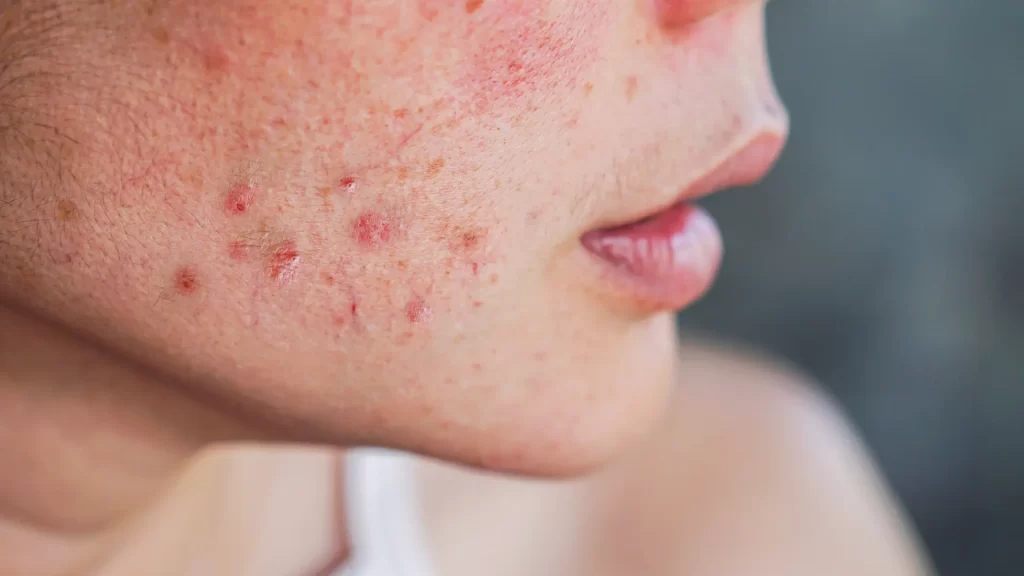
Mild to Moderate Acne
People with mild or moderate acne often improve with creams or gels alone. These topical treatments help clear clogged pores and calm redness. They are frequently used as long-term plans. Daily use is essential.
Cystic Acne
Cystic acne is deeper and more painful. Some people manage it with pills or hormone care. Others still need isotretinoin to lower scar risk. Close follow-up helps guide next steps.
Accutane Alternatives for Men
Men may need different plans due to hormones. Acne linked to testosterone can be harder to control. Care often focuses on pills, creams, or procedures. Each case is reviewed individually.
Oral Alternatives to Accutane
Accutane Alternative Pills
An oral Accutane substitute may include pills that lower swelling or bacteria. These drugs do not permanently change oil glands. They are often used for a set time. Many plans later, move to topical care.
Hormonal Treatments
Hormonal care is mainly used in women. Birth control pills can help acne linked to hormone shifts. They can reduce oil production over time. Not everyone can use this type of care.
Oral Antibiotics
Oral antibiotics are often used for active breakouts. They reduce acne-causing bacteria and swelling. Use is limited to minimize resistance. They work best with creams.
Topical and Over-the-Counter Options
Topical care is the basis of many plans. Retinoids help skin cells renew and keep pores open. Benzoyl peroxide kills bacteria. Azelaic acid calms redness.
Over-the-counter products may help maintain results. They are often part of an effective treatment plan. Stronger versions may be prescribed if needed. Using too much can irritate skin.
Natural Alternatives to Accutane
Natural care focuses on gentle cleansing, a healthy diet, and stress management. These steps support skin health. Proof that they clear severe acne is limited. They work best as support, not replacement.
Many people ask about supplements. Results vary and are not consistent. Doctors usually view these as add-ons. Clear goals help avoid disappointment.
Procedural Alternatives to Accutane
Laser and Light Treatments
Light and laser care target bacteria and swelling. Some people see fewer breakouts after several visits. These methods do not replace medication. Results differ between people.
Procedures are often paired with creams. They may help those who cannot take pills. Cost can be a factor. Daily care still matters.
What Accutane Alternatives Cannot Treat
Alternatives cannot fully replicate the effects of isotretinoin on oil production in oily skin. Very severe acne may not clear fully. Breakouts can return after treatment ends. This is important to know early.
Many plans focus on control. Some people do well without isotretinoin. Others may need stronger care later. Ongoing review guides choices.
Common Myths About Accutane Alternatives
One myth is that all alternatives work fast. Most take time. Another myth is that natural care alone treats all types of acne. Evidence does not support this.
Some think alternatives have no risks. All acne treatments can have side effects. Learning the facts helps people make wise choices.
When Accutane May Still Be Needed
Isotretinoin may still be advised for severe or scarring acne. It is often chosen after other acne medications fail. Doctors weigh risks and benefits with care. Monitoring helps protect patients.
Even after trying many options, isotretinoin can help some people. Understanding this supports informed decisions, educational services such as DermOnDemand stress balanced care.
Schedule a dermatology consultation to discuss your acne treatment options.