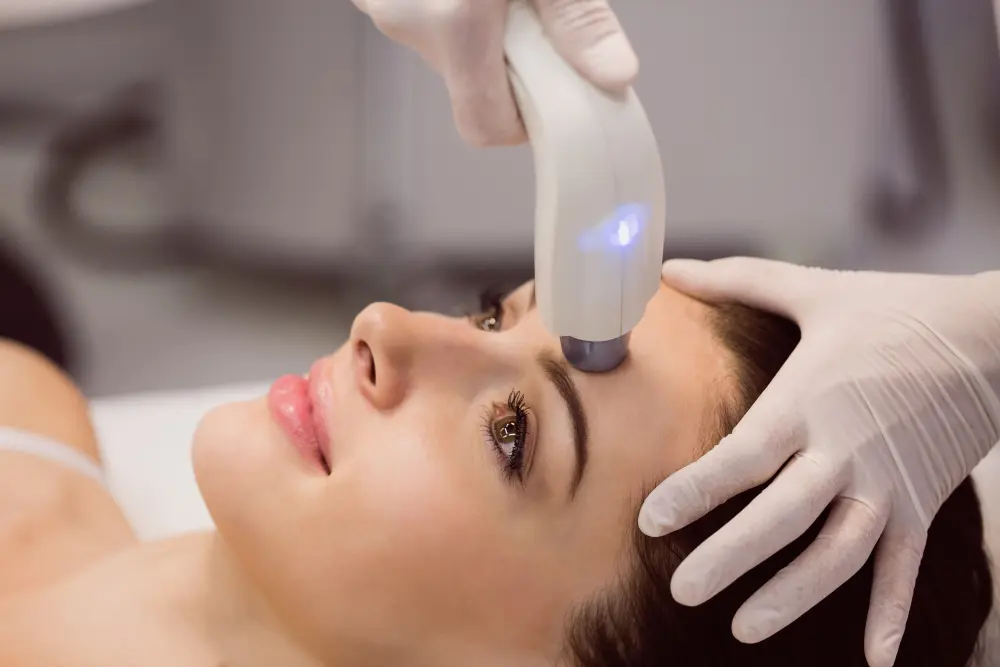
The mix of Accutane and laser therapy can be safe when done by a skilled dermatologist using modern, low-energy lasers. Studies show that Accutane laser treatment helps reduce scars and targets acne without raising the potential risk of new damage.
It works on both the cause and the marks left by breakouts, leading to clearer skin over time. Each plan is tailored to your skin type, medical history, and current medications to ensure safe and consistent results.
DermOnDemand, led by board-certified dermatologist Dr. Hannah Kopelman, offers fast, personalized digital dermatology care for patients seeking safe and effective acne solutions.
This article explains how Accutane laser treatment works, who can benefit from it, and what current research reveals about combining both therapies safely and effectively.
Key Takeaways
- Accutane and laser therapy can be safely combined when performed by a certified dermatologist using low-energy lasers and proper timing.
- Modern laser technology, such as 1726 nm and fractional lasers, helps balance oil production, smooth scars, and reduce the formation of new acne.
- Patients with severe or cystic acne often begin with Accutane to regulate oil gland activity, followed by laser treatments to achieve clearer skin.
- Waiting at least three to six months after Accutane reduces potential risk and improves safety for sensitive skin types.
- Professional evaluation through platforms like DermOnDemand ensures personalized treatment plans tailored to each skin type, minimizing side effects.
Is It Safe to Use a Laser While on Accutane?
For many years, doctors thought laser treatments were unsafe while taking isotretinoin. Recent studies have shown that specific gentle laser treatments can be safe when used correctly.
To learn more about how isotretinoin affects the skin and possible reactions, read our complete guide on isotretinoin side effects. The key is adjusting the energy level to your skin sensitivity and healing rate.
Dr. Kopelman explains that isotretinoin alters the growth of skin cells and the function of oil glands. Because of that, energy settings must be low and carefully monitored. New laser technology allows doctors to treat acne and scars without harming the skin.
CO₂ and Fractional Laser Considerations
Ablative lasers, such as CO₂ lasers, can cause more irritation and should be used only when the skin has fully recovered. On the other hand, non-ablative and fractional lasers are safer for people with mild cystic acne or old scars.
These treatments are ideal once inflammation has subsided, aiming to achieve smoother, clearer skin.
Safe Timing Before and After Laser Treatment
A common question about Accutane and laser treatment is when it’s safe to start. Most dermatologists recommend waiting three to six months after completing Accutane before undergoing a laser procedure.
Why Waiting Matters
This break allows your skin time to rebuild its natural barrier and minimize side effects. Some patients with active acne or acne scarring may be eligible for gentler laser treatment sooner, provided they are under the guidance of an expert. Skipping the waiting period can increase skin sensitivity and irritation.
Pre-Treatment Assessment
Before treatment, DermOnDemand offers an online skin assessment to determine which laser treatment is best suited for your skin type. This step helps reduce complications and ensures your plan aligns with your skin’s recovery stage.
Accutane vs Laser Treatment for Acne
Accutane and laser treatment both help fight acne, but they work in very different ways. Accutane acts inside the body, lowering oil production by shrinking the sebaceous glands.
You can also explore how this process helps manage oily complexions in our detailed post on Accutane and oily skin. Lasers work on the surface, using light energy to smooth scars, reduce redness, and kill the bacteria that target acne.
Comparing Treatment Goals
- Accutane is best for severe or cystic acne that doesn’t respond to creams or antibiotics. It treats the cause of acne by controlling the oil glands and calming inflammation.
- Laser treatments focus on the skin’s surface. They improve texture, fade marks, and reduce the formation of new pimples by clearing bacteria and shrinking pores.
When to Use Each Option
Doctors often start with Accutane to stop active breakouts and control oil production. Once the skin stabilizes, laser procedures can help fade scars, smooth the texture, and even out the tone.
When used in sequence, these treatments complement each other, helping patients achieve clearer skin and reducing the potential risk of future flare-ups.
Combined Use: Accutane and Laser Treatment
Combining isotretinoin and laser therapy can be effective if done carefully. Studies show that mild fractional lasers help heal skin and repair collagen without extra risk.
Low-Dose and Maintenance Protocols
Dr. Kopelman explains that people using low doses of Accutane can safely try gentle, non-ablative lasers spaced several weeks apart. This method helps treat acne, fade dark spots, and calm redness.
Personalized Treatment Planning
Some patients alternate between topical creams and laser sessions to achieve a balance between recovery and results. The right plan depends on how your sebaceous gland reacts and how sensitive your skin feels.
Side Effects After Laser Treatment
Most side effects are mild and short-term, like redness or dry patches. Patients who use Accutane may experience dryness for a few more days because the medication reduces oil production in the oil glands.
Post-Treatment Care Tips
To heal faster:
- Stay out of the sun for one week.
- Apply mild moisturizers and sunscreen daily.
- Avoid scrubs or oral medications that dry the skin.
When to Consult a Dermatologist
You should consult a dermatologist if your acne persists or if you plan to use Accutane in combination with laser treatment. Dr. Hannah Kopelman and her team at DermOnDemand offer quick online visits to find the best treatment for your skin type.
Results and Response Factors
The outcome of Accutane laser treatment depends on the severity of acne, the type of device used, and the individual’s recovery rate. People with acne scarring or sensitive skin conditions often see a smoother texture after two or three sessions.
Effectiveness of Modern Laser Technology
Modern laser technology, such as 1726 nm devices and fractional lasers, provides precise and controlled treatment for acne-prone skin. These tools help balance sebum levels in the sebaceous gland, prevent new pimples, and even out tone without damaging surrounding tissue.
They are designed to work safely on sensitive skin, lowering the potential risk of redness or irritation. For many patients, this approach yields faster healing and noticeable improvements in texture and clarity, leading to smoother, clearer skin.
Alternatives If You’re Not a Laser Candidate
If laser therapy is not suitable for you, there are still effective treatments available for acne. Dermatologists often recommend topical retinoids, antibiotics, or specific oral medications to calm inflammation and control oil production.
Learn about our personalized acne treatment options designed to help you achieve clearer, healthier skin safely. These methods can help reduce breakouts while protecting your skin type from irritation.
Non-Laser Options for Sensitive Skin
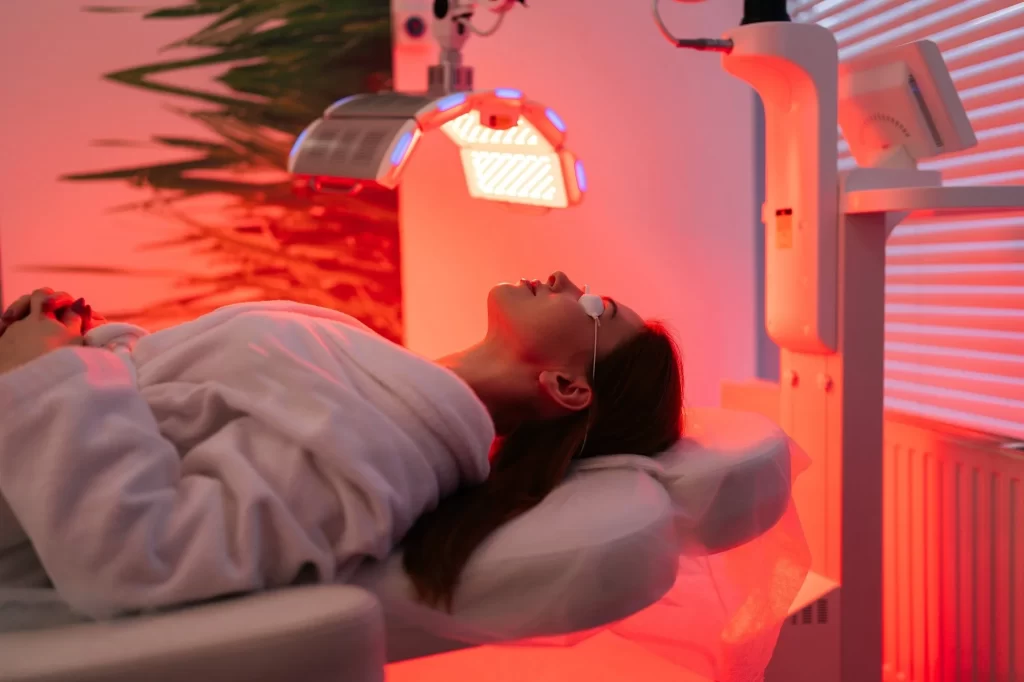
Light-based therapies, such as blue or red light, can treat acne gently by targeting bacteria without heat or abrasion.
For individuals with sensitive skin, mild chemical peels or micro-needling can also help fade scars and improve texture without causing excessive stress to the skin. These treatments support gradual renewal and are safe for most skin conditions.
Maintaining Long-Term Skin Health
Maintaining healthy skin involves consistency in treatment and protection from new breakouts. Use gentle cleansers, non-comedogenic products, and daily sunscreen to help keep your skin’s balance. Regular check-ins with your dermatologist help ensure that your acne treatment continues to match your changing skin needs.
Safe and Informed Decisions
Before starting any procedure, seek a professional evaluation to confirm what’s safe for your skin type. A dermatologist can guide you toward the best Accutane laser treatment plan or suitable alternatives. This personalized approach helps you achieve long-term, clearer skin while avoiding unnecessary potential risk.
Ready to take control of your skin?
Start your personalized Accutane plan today with DermOnDemand. Get expert guidance from Dr. Hannah Kopelman and receive a safe, effective path to clearer skin, all from the comfort of your home.