When patients ask, “Can you take ibuprofen with Accutane?”, the answer is not always a simple yes or no. In most cases, doctors advise caution rather than routine use when patients ask if Advil is safe during isotretinoin treatment.
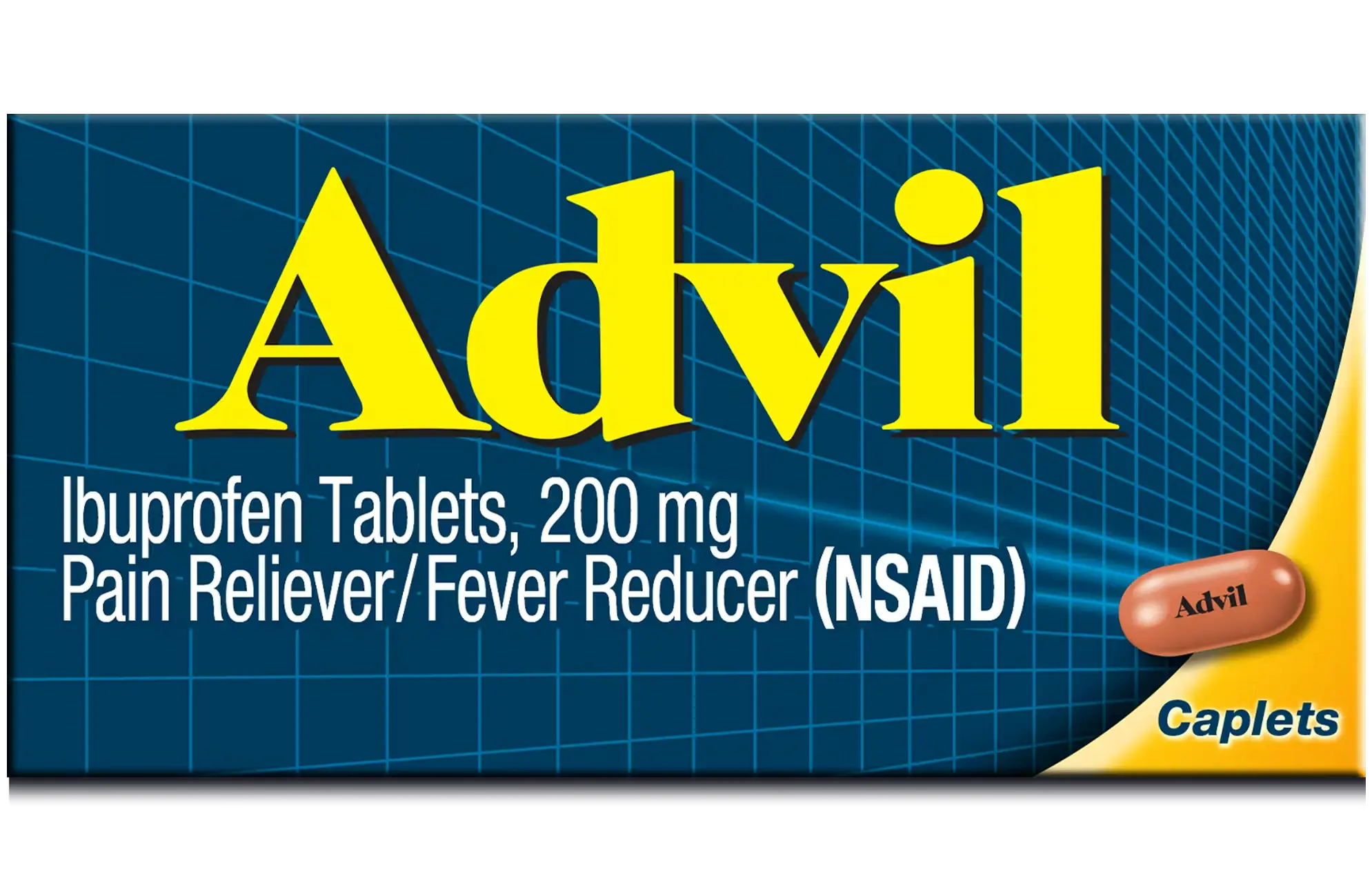
Advil contains ibuprofen, an NSAID (nonsteroidal anti-inflammatory drug) that can add strain to the liver and overlap with side effects already linked to Accutane.
Because of this, the answer to ” Can you take Advil on Accutane is usually that occasional use may be discussed with a clinician, but regular or unsupervised use is not recommended.
Many dermatologists prefer alternative pain relief options that carry less risk during treatment. The sections below explain why this caution exists and what options are typically considered safer.
Accutane places added demands on the liver and can change how inflammation and healing work. Ibuprofen also affects inflammation and is processed through similar pathways. Because of this overlap, combining Accutane and ibuprofen may increase the risk of specific side effects in some patients.
This article explains can you take Advil on Accutane, what risks may exist, and which options doctors usually consider safer. It is written as an educational overview, informed by clinical dermatology guidance from physicians such as Dr. Alicia Atkins, and reflects the patient education approach used at DermOnDemand.
Key Takeaways
- Advil, which contains ibuprofen, is not routinely recommended during Accutane treatment because both drugs can stress the liver and share similar side effects.
- Occasional use of ibuprofen may be acceptable under medical supervision, but self-directed or long-term use increases the risk of complications.
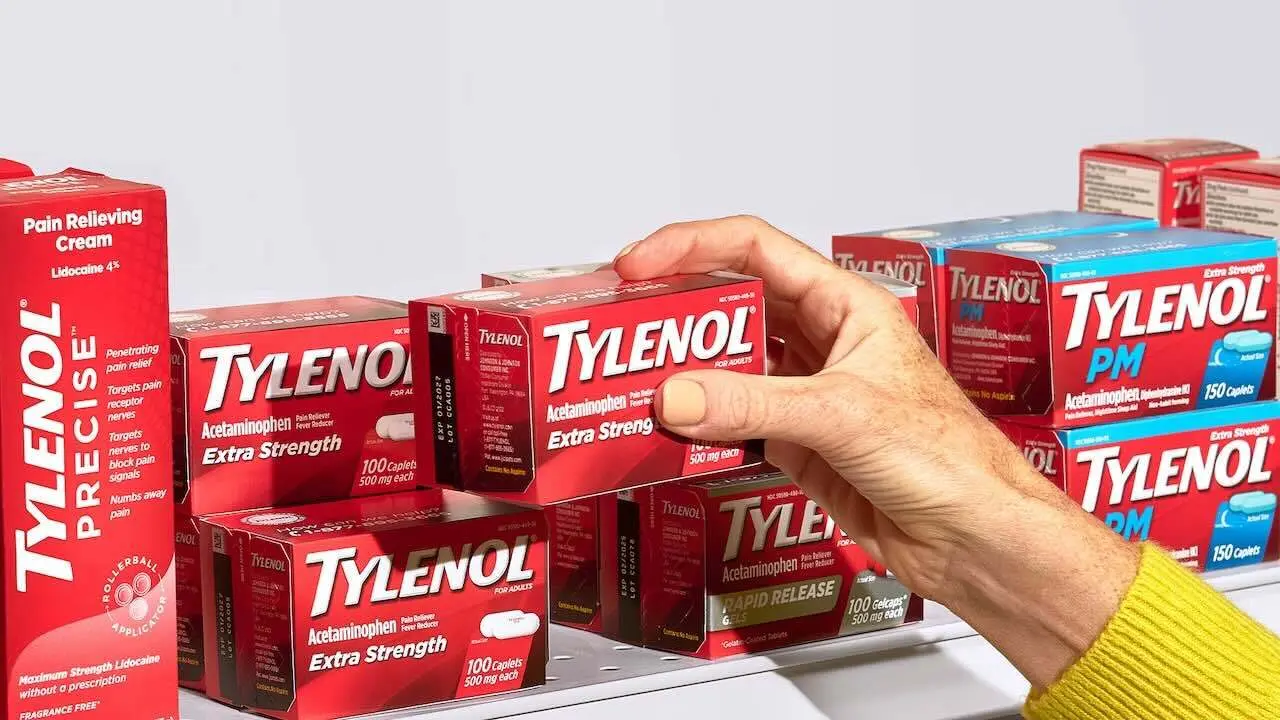
- Doctors often suggest acetaminophen (Tylenol) as a safer counter pain reliever for mild pain or fever while on isotretinoin.
- Patients should avoid combining Accutane with other medications that affect the liver or vitamin A levels without professional guidance.
- Any severe headache, stomach pain, or unusual fatigue while taking Accutane warrants contacting a clinician for evaluation.
What Happens if You Take Advil on Accutane?
Some people take Advil during isotretinoin therapy without immediate problems. Others may notice increased dryness, stomach irritation, or changes in lab results. These effects are not guaranteed, but they are possible. Understanding what may happen helps patients make informed decisions.

Possible side effects and risks
Using Advil while on Accutane may raise the chance of liver enzyme changes, especially with frequent use. Both medications can irritate the gastrointestinal tract, which may lead to stomach pain or nausea. Joint or muscle discomfort can also feel more noticeable. These risks vary by dose, duration, and personal health history.
Why Accutane and NSAIDs Can Be a Problem
The concern with Accutane and ibuprofen lies in how the medications interact with the body rather than a direct drug interaction. Isotretinoin already causes dryness, inflammation, changes, and metabolic stress. NSAIDs affect similar systems. Using them together can amplify these effects in some people.
Liver stress and inflammation
The liver processes isotretinoin, and regular blood tests are often used to monitor liver health. The liver also metabolizes ibuprofen. Taking both may increase strain on this organ, particularly with higher doses or long-term use.
Some patients also experience skin changes during treatment, as noted in DermOnDemand’s article on Accutane and oily skin. This is why many clinicians advise limiting NSAIDs unless necessary.
Overlapping side effects
Both Accutane and NSAIDs can cause headaches, muscle aches, and fatigue. When combined, it can be harder to tell which medication is responsible for a symptom. This overlap may delay recognition of a side effect that requires medical attention. Clear guidance helps reduce confusion during treatment.
What Painkillers Can You Take With Accutane?
Patients often ask what a safer option is for pain or fever relief. In many cases, doctors suggest choosing a different pain reliever that does not belong to the NSAID group. The goal is to manage discomfort without adding avoidable risk.
Why is acetaminophen often preferred?
Acetaminophen, Tylenol, is commonly recommended because it works differently from NSAIDs. It does not reduce inflammation but can help with mild pain or fever. When used at appropriate doses, it is generally considered safer for people on isotretinoin. Even so, liver limits still matter.
Safe dosing limits to know
Patients should avoid exceeding the recommended daily dose of acetaminophen. Taking more does not improve pain control and can harm the liver. Alcohol intake should also be limited. Reading labels and following clinician guidance helps prevent accidental overdose.
What Medications Should You Avoid on Accutane?
Pain relievers are not the only concern during isotretinoin therapy. Certain other medications can raise the risk of side effects or complications. Knowing what to avoid supports safer treatment.
Common drugs doctors warn against
Medications often flagged include tetracycline antibiotics, vitamin A supplements, and some herbal products. These can increase the risk of side effects, such as increased intracranial pressure or vitamin A toxicity. Patients should share a complete list of medications with their clinician before starting Accutane.
Why interactions matter
Drug interactions may not cause immediate symptoms. Some effects build slowly or show up in lab tests. Clear communication reduces these risks. This approach supports safer care throughout treatment.
For patients exploring medical acne care options, DermOnDemand’s acne treatment page explains available clinical approaches and prescription therapies.
When to Talk to a Clinician
Not every ache or headache requires medical review. Some symptoms do. Knowing when to ask for help is an integral part of isotretinoin care.
Symptoms that need medical advice
Patients should contact a clinician if they notice severe headaches, vision changes, ongoing stomach pain, or unusual fatigue. Sudden mood changes or skin yellowing also require prompt attention. These signs may indicate a reaction that involves adjustment of treatment.
Common Misunderstandings About Pain Relievers
Many people assume that nonprescription drugs are always safe. This belief can lead to unintentional misuse during prescription treatments. Education helps correct this misunderstanding.
Why over-the-counter does not mean safe
Over-the-counter medications still affect the body and can interact with prescriptions. Safety depends on dose, timing, and personal health factors. Asking questions before taking new medications supports better outcomes.
For personalized guidance about medication safety during Accutane treatment, schedule a secure online consultation with a board-certified dermatologist at DermOnDemand.