Accutane can help prevent new scars from forming by controlling severe acne and reducing repeated inflammation that damages the skin. It does not remove existing scars, as it does not rebuild lost collagen or alter established scar tissue.
Many people ask, “Does Accutane Help With Scarring?” because they notice smoother skin as breakouts stop, but that change often reflects less swelling, fading redness, or fewer new lesions rather than proper scar repair.
If you have active, severe acne, isotretinoin can lower your risk of developing additional scars while treatment is underway. For existing scars, improvement usually requires targeted acne scar treatments after acne is controlled.
This article explains what research and clinical experience show about scarring, redness, and dark spots, and what improves only after acne control.
The overview reflects educational guidance similar to that provided by clinicians such as Dr. Alicia Atkins in patient education and is consistent with the medical information approach used by DermOnDemand.
Key Takeaways
- Accutane helps prevent new acne scars by controlling inflammation and severe breakouts, but does not remove existing scars.
- The medication works by shrinking oil glands, reducing bacteria, and preventing clogged pores, which lowers the long-term risk of scarring.
- Texture changes, such as pitted or raised scars, require separate acne scar treatments, such as laser treatment, chemical peels, or microneedling, after acne is controlled.
- Isotretinoin can cause dry skin and mild healing sensitivity, so procedures like deep resurfacing are often delayed until treatment is complete.
- Clear expectations and follow-up with a dermatologist ensure safe care, effective acne control, and planning for future scar management.
Does Accutane Help Prevent Acne Scars?
When people ask, “Does Accutane help with scarring?” they often mean whether it reduces the likelihood of scars forming in the first place.
Isotretinoin is a vitamin A derivative used in acne treatment, especially nodular or cystic acne that does not respond to other therapies. By controlling active disease, the medication reduces the risk of scarring linked to repeated inflammation.
Many patients also want to know what “prevention” looks like in real life. Breakouts often improve over weeks to months, and some people flare early before acne settles.
During that time, new inflamed bumps can still appear, so gentle skin care and avoiding picking matter. Over time, less active inflammation is the key reason fewer new scars develop.
Active Acne vs. True Scars
Scars develop after inflammation damages deeper skin layers and healing changes collagen. Active acne includes inflamed papules, nodules, and acne lesions that can still change. True scars represent permanent changes in texture after healing has ended.
A practical way to think about this is in terms of “changeable vs. fixed.” Active lesions can flatten in days or weeks, even if they leave color behind. Scars feel like dents, ridges, or thickened areas that persist for months. This is why color can improve, while texture does not.
How Accutane Treats Severe Acne
Clinicians prescribe isotretinoin because it treats acne at several levels. It shrinks oil glands, helps prevent clogged pores, and lowersbacteriala growth. This is how Accutane works at the source of severe breakouts.
Isotretinoin can also make the skin barrier more fragile, which is why Accutane and oily skin concerns often appear alongside dryness. Dryness does not mean the medication is failing, but it does change daily care needs.
Many patients do better with bland moisturizers, gentle cleansers, and sun protection. Irritating scrubs and strong acids often feel worse during treatment.
Why Acne Control Reduces Scar Risk
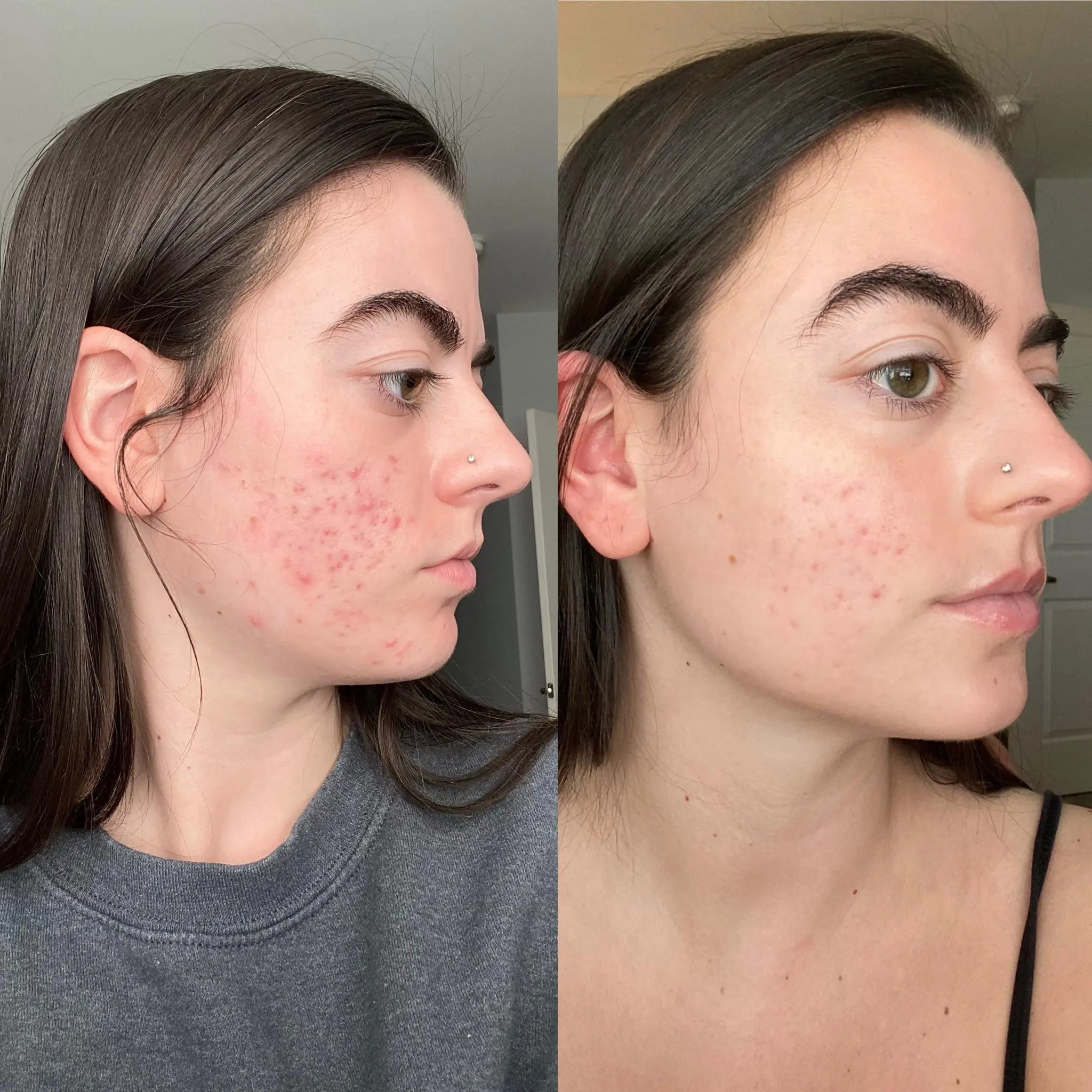
Ongoing inflammation increases tissue damage over time. By reducing inflammation, isotretinoin limits repeated injury, which can lead to scarring. This preventive effect explains why people notice fewer new scars after treatment.
Scarring risk rises with deeper, longer-lasting inflammation, which is common in nodules and cysts. Each cycle of swelling, rupture, and healing can disrupt collagen. Breaking that cycle reduces the risk of new structural damage. That is the main “scar benefit” most people get from isotretinoin.
Does Accutane Get Rid of Existing Scars?
A common follow-up question is: Does Accutane get rid of scars that have already formed? The short answer is no, because isotretinoin does not rebuild damaged collagen. Understanding this difference prevents disappointment after treatment.
Some people still feel like scars look better during or after treatment. That usually reflects fewer new bumps distorting the surface and less ongoing swelling around older scars. Skin texture can look smoother when acne is quiet, even if the scars remain. This can be a real visual change, but it is not the same as scar remodeling.
Why Scar Tissue Does Not Respond
Established scars involve altered skin structure. Isotretinoin changes oil production and inflammation, not scar tissue itself. This applies to most types of acne scarring, including atrophic and raised forms.
Changes People Often Mistake for Improvement
Some patients see smoother skin tone as acne clears. Redness, fleshy areas, and texture may feel less uneven due to reduced swelling. These changes can look like scar improvement but reflect healing around old scars, improper repair.
Redness and Dark Spots After Acne
Questions about color changes are common, including whether Accutane helps with scars that look red or dark. These marks differ from scars and often improve with time. Clear definitions help set expectations.
Redness and dark spots can last longer than people expect, even after acne stops. Sun exposure often prolongs discoloration, so daily sunscreen is essential for many skin tones.
Topical fading agents may help in some cases, but the risk of irritation can be higher while on isotretinoin. A clinician can help decide what is reasonable during treatment versus after it ends.
Does Accutane Help With Redness?
Post-inflammatory redness often follows inflamed acne. As breakouts resolve, blood vessel dilation decreases. Many patients see redness fade gradually after treatment ends.
Does Accutane Help With Hyperpigmentation?
Dark spots are a form of post-inflammatory hyperpigmentation. Isotretinoin does not directly remove pigment but reduces new inflammation that triggers discoloration. Over months, skin turnover and sun protection help spots fade.
Types of Scars Accutane Does Not Treat
Some scar forms do not change with isotretinoin alone. Knowing this helps guide planning for acne scar treatment later. Scar type matters more than medication choice at this stage.
It helps to name the scar pattern because each one points to a different approach. Pitted scars often need collagen stimulation or release of tethered bands. Raised scars need methods that calm excess collagen. This is why “one best treatment” rarely fits everyone.
Pitted and Indented Scars
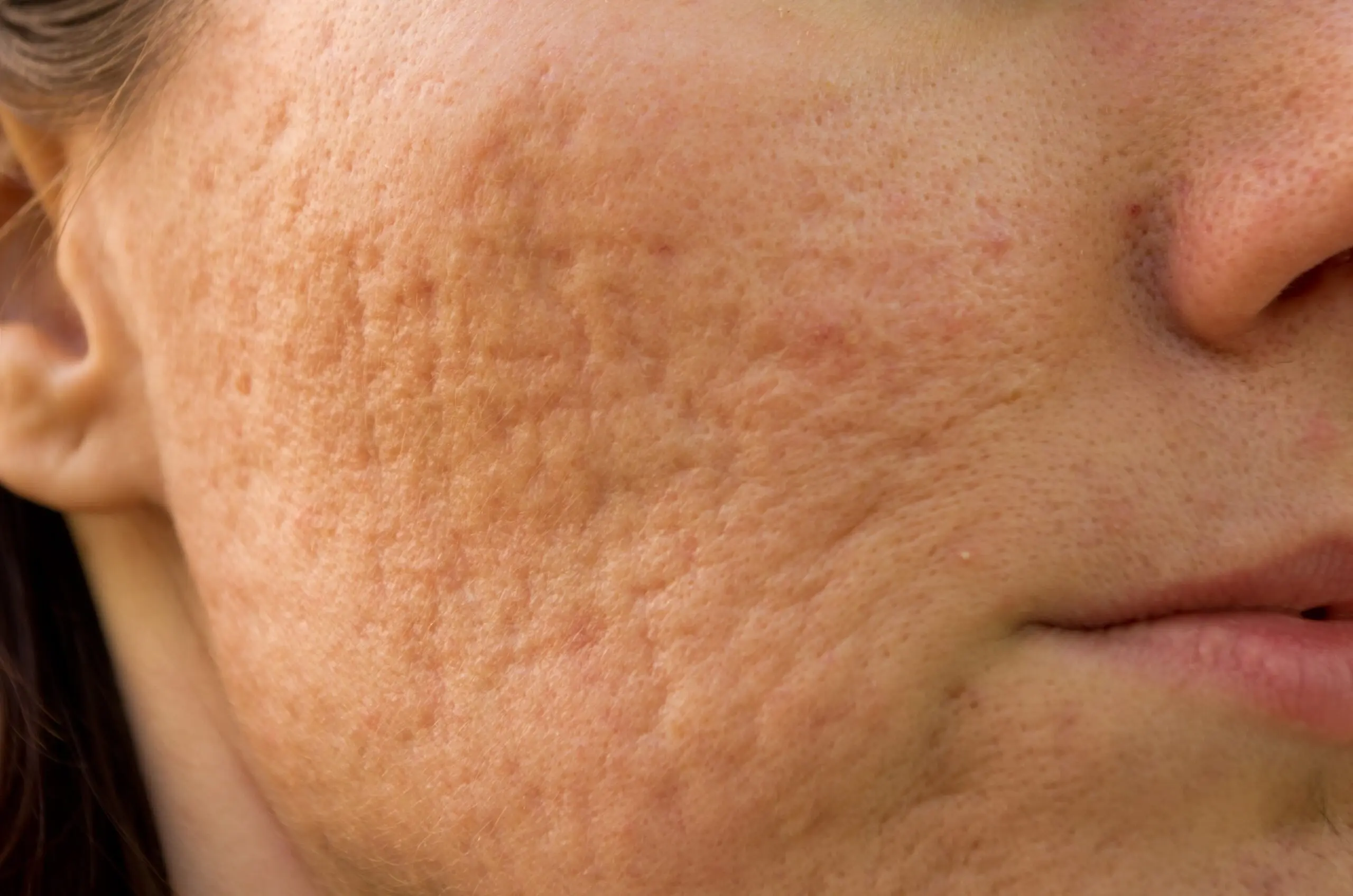
Atrophic scars form depressions due to collagen loss. These pitted areas require procedures that stimulate collagen formation. Isotretinoin does not fill or lift these scars.
Raised and Thickened Scars
Raised scars include keloids and hypertrophic scarring, which form from excess collagen during the healing process. Acne medication does not reverse this tissue growth.
Does Isotretinoin Slow Wound Healing?
Safety questions often include whether wounds heal more slowly during therapy. Understanding the timing of healing helps patients plan procedures and daily care. This section addresses that concern directly.
Healing concerns arise most often with elective procedures rather than everyday cuts. The skin can feel more fragile, and irritation can last longer while the barrier is dry. This does not mean healing always fails, but it can raise the chance of prolonged redness or sensitivity. That is why timing and technique matter.
Skin Repair During Treatment
Isotretinoin can cause isotretinoin side effects such as dry skin and mucous membranes. These effects may change how the skin feels during healing. Most routine cuts heal normally with proper care.
Why Some Procedures Are Delayed
Clinicians often delay elective procedures because the skin can be more sensitive. This includes aggressive resurfacing or deep peels. The pause reduces the risk of complications while on this powerful medication.
Scar procedures often require in-person assessment and planning, since the clinician needs to evaluate scar type, skin tone, and healing history. Remote care can support acne monitoring, side-effect management, and basic skin care guidance.
It usually cannot perform procedures such as deep resurfacing or injections. That split matters when patients want scar work while still finishing isotretinoin.
What Treatments Help Acne Scarring?
Once acne is controlled, people often ask what helps with treating acne scars. Options depend on scar type, skin tone, and goals. A clinician can explain which treatment option fits each case.
Many plans use a step-by-step approach rather than a single session. Treatment often starts with the most limiting scar type, such as bottomless pits or tethered scars. Then the plan moves to blending texture and tone. This pacing helps balance results and recovery.
Medical Treatments After Acne Control
Common approaches include:
- Laser treatment to stimulate collagen in atrophic scars
- Chemical peels for surface texture and pigment irregularities
- Microneedling or fillers for selected scars
These methods target scar tissue rather than acne activity.
Other in-office options may include subcision for tethered scars, spot treatments for bottomless pits, and steroid injections for raised scars. The right choice depends on the dominant scar pattern and skin sensitivity.
A plan can also combine more than one method, spaced over time. This is often how clinicians approach practically treating acne scars.
Matching Treatment to Scar Type
No single method treats all scars. Atrophic scars respond differently from raised scars. Care plans usually combine techniques over time for the best results.
Common Misunderstandings About Accutane and Scars
Clear education helps correct myths and supports informed decisions. Many questions conflate acne, marks, and scars into a single concept. Separating them improves understanding.
Another common misunderstanding is the idea that scar care can start before acne is stable. If new inflamed lesions keep appearing, they can create new scars while you treat old ones.
People also underestimate how much picking increases tissue damage and pigment. Fewer active breakouts and less skin trauma often improve the baseline before procedures begin.
Scars vs. Post-Acne Marks
Marks are color changes that fade, while scars are texture changes that persist. Isotretinoin helps prevent new damage but does not erase scars. This distinction answers whether Accutane practically helps with scarring?
Realistic Outcome Expectations
Isotretinoin is effective in treating severe acne and reducing the risk of future scarring. It does not replace procedures for established scars. Patients should also discuss mental health screening and monitoring during therapy, as part of safe care planning.
Learn how dermatology-guided acne care can prevent future scarring and support long-term skin health. Schedule a professional consultation to review your options safely.