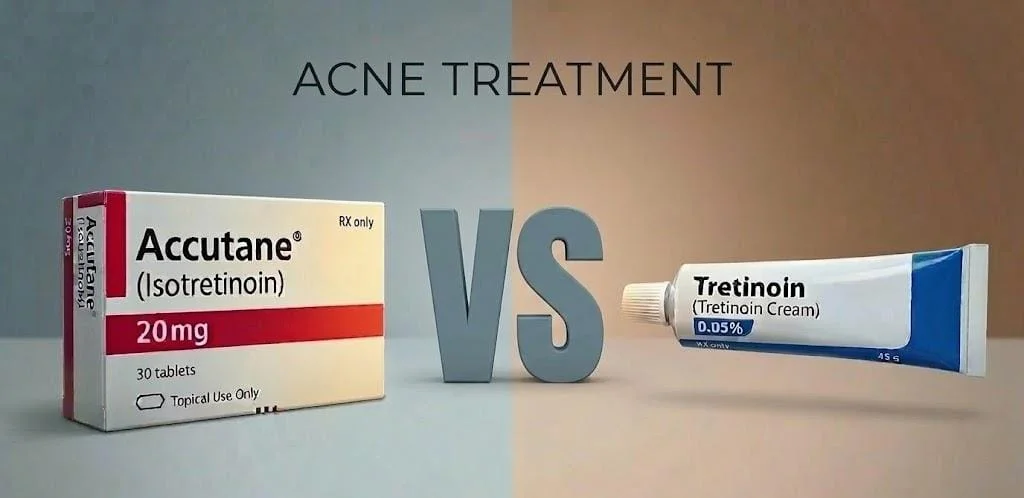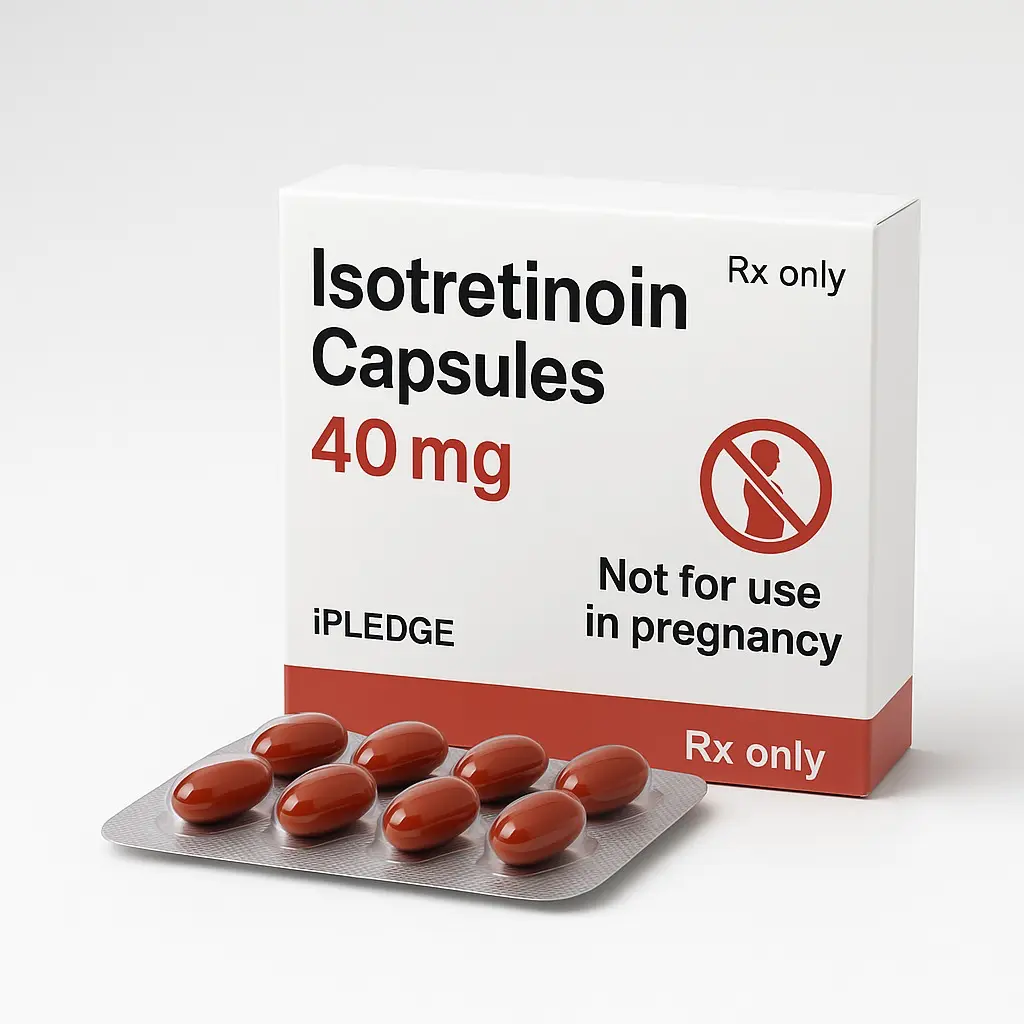
It depends on your body weight and treatment goals. Accutane dosing is weight-based, usually 0.5-1 mg/kg/day; at 50 kg, 40 mg is ~0.8 mg/kg/day (often moderate to high), while at 80 kg, it is ~0.5 mg/kg/day (often moderate).
So, the answer to Is 40 mg Accutane a High Dose? Varies by case, your labs, and side-effect tolerance. Discuss the dose with a board-certified dermatologist who can adjust it to ensure safety and optimal results.
DermOnDemand provides fast, private access to dermatologist-directed acne care. Dr. Ross Kopelman and Hanna Kopelman explain how dosing works so you can see where 40 mg fits and what to expect. Use this guide to align your treatment plan with safe, evidence-based practice.
Key Takeaways
- 40 mg of Accutane is considered moderate to high, depending on your body weight; the typical dose is 0.5–1 mg/kg/day.
- Dermatologists adjust dosing individually, using factors like acne severity, tolerance, and lab results to guide each treatment plan.
- Side effects such as dryness, joint pain, and lab changes are common but manageable with proper monitoring and care.
- Lower daily doses can reduce irritation and improve comfort, while higher doses may clear severe or nodular acne faster under close supervision.
- A board-certified dermatologist, like Dr. Ross Kopelman at DermOnDemand, can determine the safest and most effective dose for your specific needs.
Understanding Accutane Dosing
How the isotretinoin dose is calculated (mg/kg/day)
Isotretinoin dosing is based on body weight and severity, not a single number for everyone. Dermatologists calculate a daily dose in mg/kg/day to balance results and safety. Many start at 0.5 mg/kg/day and adjust as skin and labs respond.
What is considered a high dose of Accutane
Clinicians call a dose “high” when the mg per day approaches the upper end of weight-based ranges. For some patients, this means 1 mg/kg/day, while others reach that level only during flares or for short periods.
Those starting treatment often wonder how dosage affects oil production; our guide on Accutane and oily skin explains this relationship in detail. A high dose is used to speed clearance when benefits outweigh risks. Your dermatologist will weigh acne severity, tolerance, and lab trends before increasing.
Maximum recommended Accutane dose per day
There is no single universal cap for every case, but most plans avoid sustained doses beyond weight-based limits. Dermatologists may use short periods at the top of the range to control nodular acne, then step down as skin improves.
Close monitoring helps prevent unnecessary risk. Ask your doctor what the maximum safe daily dose is for your weight and labs.
What 40 mg Means for Your Treatment
Expected results and timeline of improvement
With 40 mg, many patients notice fewer inflamed lesions within several weeks. Early dryness is common and often manageable with gentle skin care and lip balm. Some patients may need dose adjustments if irritation or lab results worsen. Your dermatologist will adjust to sustain results while keeping risks low.
Managing dryness and lab monitoring safely
At 40 mg, side effects of Accutane such as dry lips, dry skin, and mild nasal irritation are common. Joint pain can occur; report new aches, decreased range of motion, or changes in exercise.
Routine labs check liver enzymes and lipids, and pregnancy tests are mandatory for patients who can become pregnant. Share all new symptoms promptly so your plan stays safe and effective.
Low-Dose vs High-Dose Approaches
Benefits of lower daily regimens
Lower daily regimens can reduce side effects and keep you on therapy consistently. Many patients prefer a smoother course with fewer flare-ups in dryness and sensitivity. This can be helpful for busy schedules and sports. Lower dosing can still achieve strong outcomes over time with the right cumulative target.
Why dermatologists prescribe higher doses
Higher doses may be used to quickly control severe or scarring-prone disease. In nodular acne, faster suppression can protect skin from long-term marks. A high dose can also shorten the total time on medication if tolerated. The trade-off is a higher chance of dryness and lab shifts that need closer follow-up.
How does the dose level affect relapse and recovery
Some patients on higher doses reach their goals sooner and complete treatment with fewer relapses. Others do well with modest dosing if they reach an adequate cumulative total.
Recovery of skin barrier comfort often improves when you step down near the end. Your dermatologist balances speed, durability, and comfort at each visit.
How Dermatologists Adjust and Monitor Accutane Treatment

Factors influencing dosage decisions
Accutane dosage changes reflect acne severity, response, tolerance, and lifestyle. Photos, lesion counts, and patient priorities shape each step. The Accutane dose can increase or decrease as labs and symptoms evolve. Your treatment plan remains personalized so you get the most benefit with the least risk.
Regular follow-ups and lab safety checks
Follow-ups track the effects of Accutane on skin, lips, eyes, and mood. Labs help ensure safe progress while you remain on therapy.
For patients who can become pregnant, monthly pregnancy tests are required throughout the Accutane treatment and for a period afterward. Clear communication at each visit keeps therapy predictable and safe.