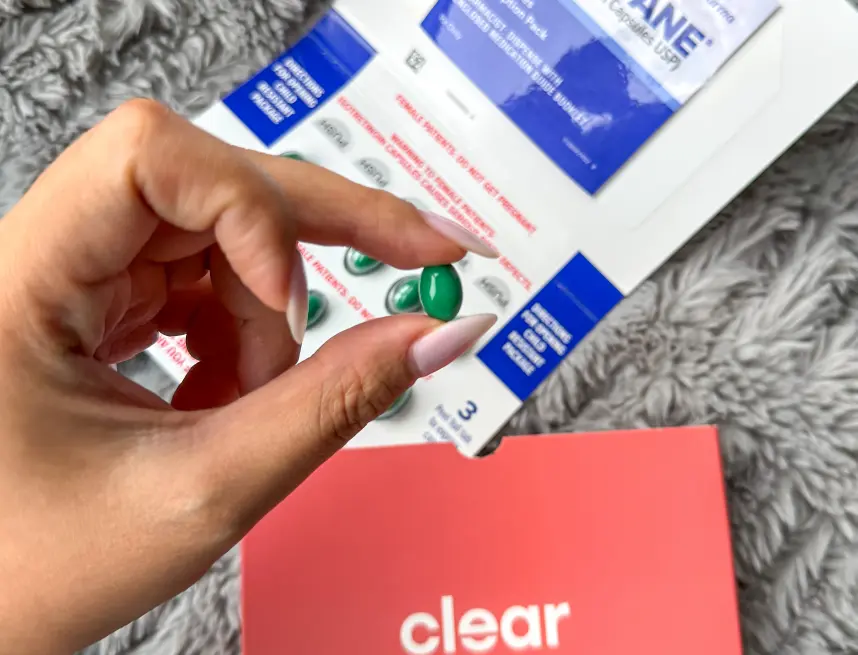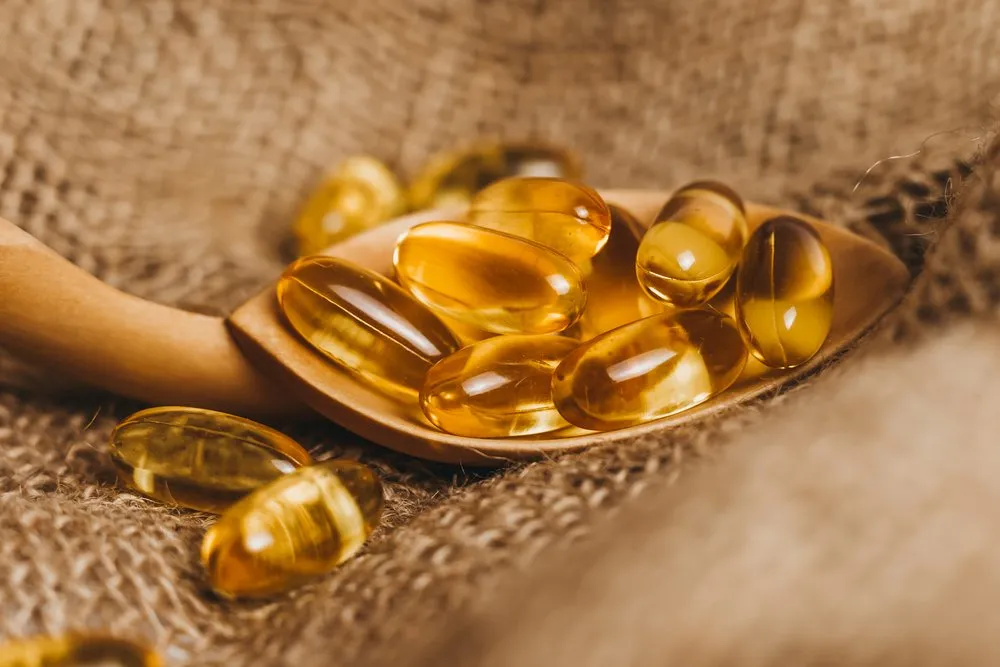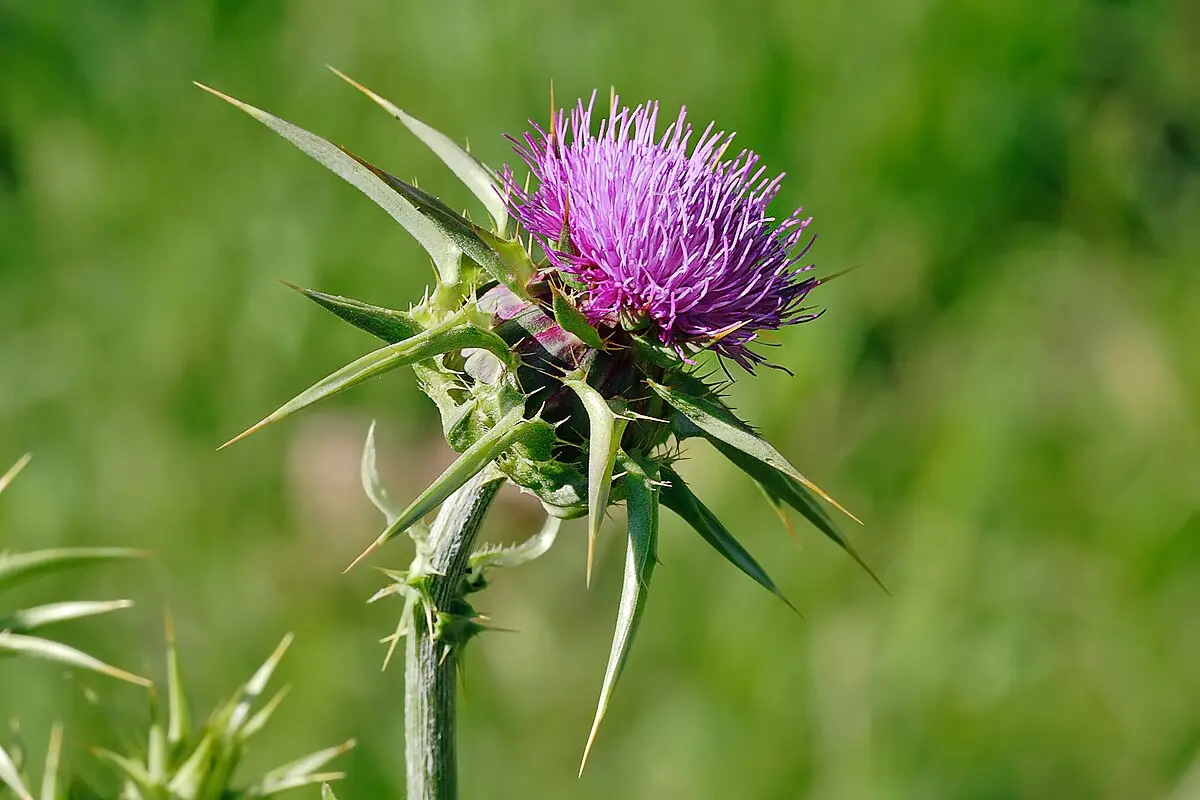
There is no confirmed drug interaction between isotretinoin and milk thistle, but evidence is limited, so routine use is not recommended. A small randomized trial found that silymarin may reduce increases in liver enzymes, but the data are short-term and product-specific.
For milk thistle Accutane decisions, maintain standard monitoring and avoid alcohol or high-dose vitamin A. People with liver disease, complex medications, pregnancy, or allergies should get a clinician’s guidance before starting any supplement. Discuss any new product with your dermatologist to align with your lab plan and risk profile.
DermOnDemand provides this educational explainer to help patients understand how supplements may relate to prescribed acne treatment. Dr. Alicia Atkins, a board-certified dermatologist, reviews what is known about milk thistle and isotretinoin, how to think about safety, and what questions to ask during care.
Key Takeaways
- Most evidence shows no confirmed interaction between milk thistle and isotretinoin, but research remains limited and short-term.
- Milk thistle may help reduce mild elevations in liver enzymes during Accutane therapy, though the evidence is insufficient to recommend routine use.
- Isotretinoin can temporarily affect liver function, so regular lab monitoring is essential even when using supplements.
- Patients with liver disease, complex medication plans, or pregnancy should avoid new supplements unless approved by their clinician.
- Discuss any milk thistle use with your dermatologist to ensure it fits safely within your treatment and monitoring plan.
Using Milk Thistle During Accutane
Can You Combine Milk Thistle and Accutane?
Most drug-interaction checkers report no confirmed interaction, yet the absence of reports is not proof of safety. Discuss any supplement before use, since isotretinoin is monitored for liver function changes. Use shared decision-making if you plan to try milk thistle during treatment.
What to Avoid on Accutane
Avoid alcohol and high-dose vitamin A, which may increase side effects. Be cautious with multi-ingredient “liver support” blends that list many herbs or proprietary extracts. Keep a simple medication list and confirm each item with your clinician.
Common Patient Concerns
Patients often ask whether combining milk thistle with Accutane can prevent abnormal labs or reduce dryness, or whether it changes how Accutane affects oily skin. Current data are limited and do not support routine use. The priority is staying on the monitoring plan your dermatologist sets.
Accutane’s Effects on Liver Health
How Isotretinoin Affects the Liver
Isotretinoin can cause temporary shifts in liver enzymes on blood tests, as part of the broader range of isotretinoin side effects observed during treatment. Most changes are mild and resolve with dose adjustment or observation. Rarely, patients with underlying liver disease need alternative plans.
Daily Habits That Protect the Liver
Do not drink alcohol during therapy. Maintain a stable weight, stay hydrated, and follow your lab schedule. Report fatigue, dark urine, or right-upper abdominal pain promptly.

Is Liver Damage From Accutane Reversible?
Most lab abnormalities improve with dose adjustments or by stopping the drug. Serious injury is uncommon when patients follow testing and clinical guidance. Long-term harm is rare with appropriate monitoring and prompt response to changes.
Evidence on Milk Thistle and Isotretinoin
Human Study Findings
A randomized study in acne patients found smaller increases in enzyme levels with silymarin than with the control. The trial was short and used a specific standardized product. Larger, longer studies are needed to confirm the benefit and define dosing.
Limitations of Current Evidence
Most data come from small cohorts with limited follow-up. Product quality and dose vary across brands, which affects generalizability. Evidence does not support replacing standard monitoring with supplements.
Safety and Interaction Considerations
Potential Risks and Unknowns
Herbal products can vary in purity and potency. Some patients may experience gastrointestinal upset or headaches. Use the lowest practical dose if your clinician agrees and stop if side effects occur.
Medications That Interact With Milk Thistle
Milk thistle may affect drug-metabolizing enzymes or transporters, potentially altering the effects of certain medications. Patients on anticoagulants, antidiabetics, or seizure medicines should review risks with their prescriber. Keep all clinicians informed.
Who Should Avoid Milk Thistle
Avoid if you have a known allergy to the Asteraceae family or are pregnant unless your obstetrician approves. People with complex regimens or active liver disease need a personalized plan. Children should not use supplements without pediatric guidance.
Practical Guidance While Taking Accutane
Questions for Your Dermatologist
Ask whether your history makes Accutane milk thistle use reasonable. Confirm the testing schedule, target ranges, and what changes would trigger dose adjustments. Clarify which symptoms require immediate contact.
Monitoring Liver Tests
Follow baseline and periodic labs as ordered. If values rise, your team may repeat labs, reduce the dose, pause therapy, or stop isotretinoin. Do not add new supplements while labs are unstable.
Milk Thistle After Accutane
When Post-Treatment Use Makes Sense
Some patients consider milk thistle after Accutane to support recovery. There is no apparent need once labs normalize and symptoms resolve. Discuss any plan at your follow-up visit.
Supporting Recovery After Accutane
Continue healthy habits and complete final lab checks: report persistent fatigue, jaundice, or abdominal pain. Most patients return to baseline without added interventions.