Accutane, also called isotretinoin, is a prescription medicine used for severe acne. This article explains whether Accutane affects sperm, how the drug works in the body, and what research shows about male fertility. The goal is to help readers understand the facts using clinical guidance referenced by Dr. Alicia Atkins, a board-certified dermatologist, and educational materials from DermOnDemand.
Key Takeaways
- Current medical evidence does not show that isotretinoin causes permanent changes to sperm quality or long-term male infertility in most patients.
- The risk of severe congenital disabilities applies to direct exposure during pregnancy, not to sperm exposure from male partners taking isotretinoin.
- Studies of sperm count, development, and hormone levels generally show no lasting adverse effects after isotretinoin treatment ends.
- Pregnancy planning guidelines differ for males and females, with strict testing and timing requirements applying only to individuals who can become pregnant.
- Ongoing research continues to monitor rare outcomes, so discussing individual fertility concerns with a qualified healthcare professional remains essential
Does Accutane affect male fertility?
Many people ask whether Accutane affects sperm and male fertility. Current medical evidence does not show that isotretinoin causes permanent male infertility in most men. Studies that examine Accutane and fertility have not found a clear link between standard treatment and lasting loss of fertility.
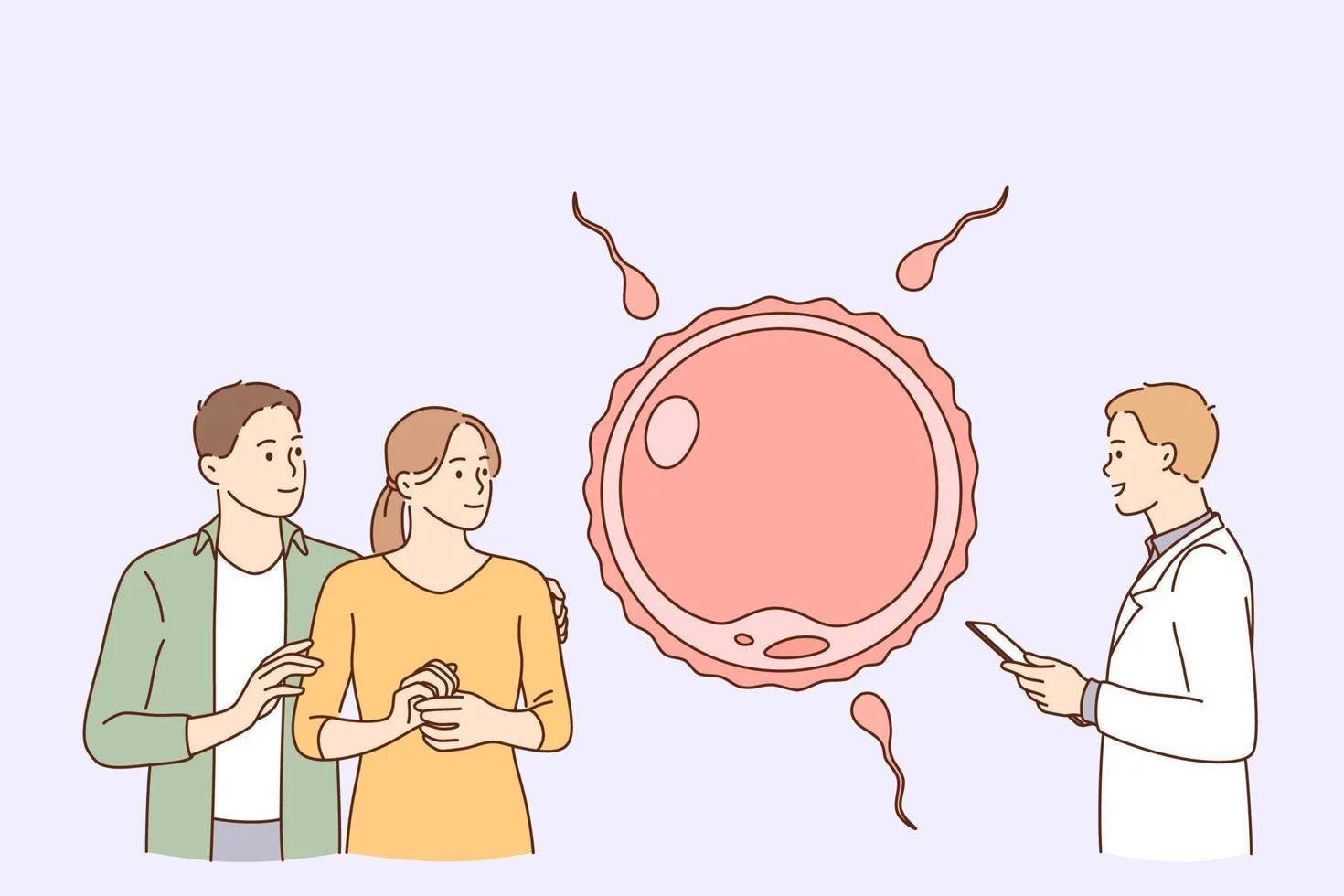
Concerns about Accutane sterility often come from confusion about pregnancy risks. Those risks apply when a pregnant person takes isotretinoin, not when a man takes it. For most men, fertility returns to baseline after isotretinoin therapy ends.
Male reproductive effects of isotretinoin
Effects on sperm health and quality
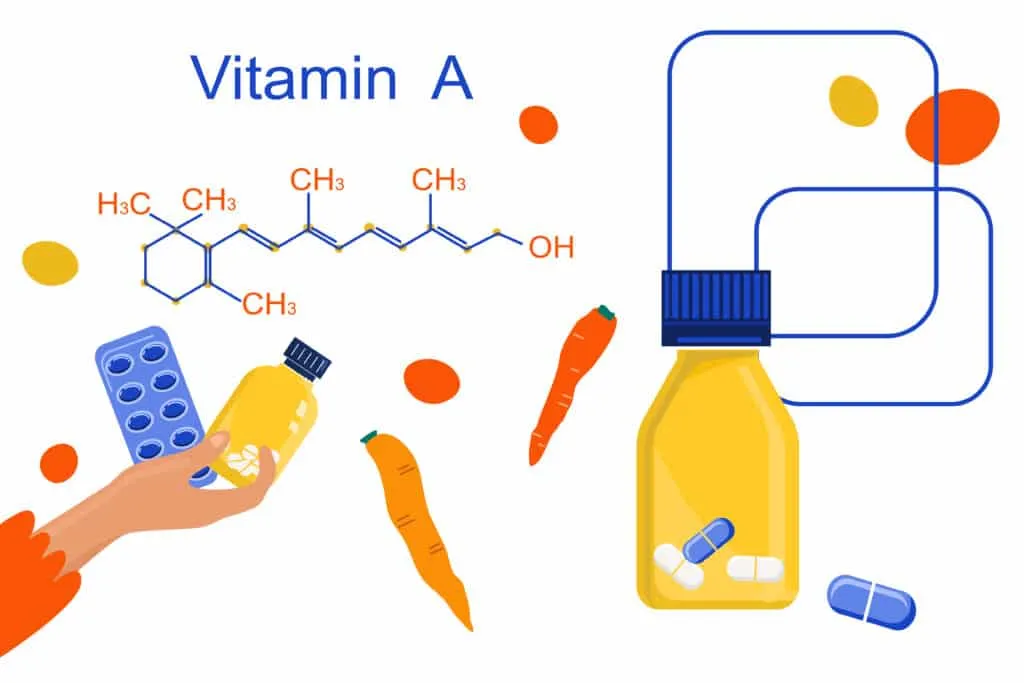
- Isotretinoin is related to retinoic acid, which helps regulate cell growth and development in the body.
- Researchers have studied whether isotretinoin treatment affects sperm production, sperm count, or sperm development. Most studies do not show harmful changes in sperm count or overall sperm quality.
- Some small studies report mixed results during treatment, with sperm measures remaining unchanged or, in rare cases, improving. This effect is not a treatment goal.
- Overall, available evidence suggests isotretinoin does not interfere with normal sperm development in most patients.
Hormonal and sexual side effects
Hormone levels have been studied during isotretinoin therapy. Most findings show no meaningful long-term change in testosterone or male fertility hormones. If hormone changes occur, they usually resolve after treatment stops.
Some men report sexual function changes, such as lower interest in sex. These reports are uncommon and do not prove a direct cause. Extensive reviews do not show a consistent link between isotretinoin therapy and lasting sexual problems.
For more information on broader treatment outcomes and safety considerations, see the review of Accutane side effects in long-term use.
Pregnancy risks with paternal Accutane use
Congenital disabilities and male exposure
- Isotretinoin causes severe congenital disabilities when taken during pregnancy, which is why strict pregnancy prevention programs are required. These risks are linked to direct exposure in pregnant individuals, not to male use.
- Studies show that isotretinoin levels in semen are very low. There is no evidence that this exposure harms an unborn baby.
- Medical guidelines confirm that men can safely father children while using isotretinoin or after stopping treatment.
Can pregnancy occur if the male partner uses Accutane
If a partner is pregnant while the male partner uses isotretinoin, research does not show an added risk of congenital disabilities. Counseling usually focuses on reassurance and clear information. This helps reduce worry during pregnancy planning.
Doctors still encourage couples to discuss all medications. Open discussion helps both partners understand what is known and what is not. Clear communication supports informed decisions.
If you are wondering how long after Accutane you can get pregnant, this DermOnDemand resource explains current guidance and safety considerations.
Fertility concerns beyond sperm
Female fertility and long-term concerns
Although this article focuses on men, questions often include males and females. In females, isotretinoin does not appear to cause permanent infertility after treatment. The primary concern is avoiding pregnancy during therapy due to the risk of congenital disabilities.
Fears about long-term fertility damage are common but not supported by substantial evidence. Research indicates that fertility returns after isotretinoin is cleared from the body. This applies to standard acne treatment courses.
Timing and pregnancy planning

When to stop isotretinoin before pregnancy
Pregnancy rules apply to people who can become pregnant. Isotretinoin must be stopped before trying to conceive, and pregnancy tests are required before, during, and after treatment. These steps protect the unborn baby during early development.
For male patients, no waiting period is required. Isotretinoin does not build up in sperm in a harmful way. This difference shows why counseling should be specific to each sex.
What evidence clearly shows
Research consistently shows that isotretinoin does not cause permanent male infertility. Measures like sperm count and sperm production stay within normal ranges for most men. Long-term safety data support these findings.
The drug’s action explains why pregnancy risks occur only with direct fetal exposure. Retinoic acid affects embryo development when present in a pregnant woman. It does not cause harm through paternal exposure.
What remains uncertain or debated
Some questions remain due to the limited number of long-term studies in large male cohorts. Rare adverse effects cannot be excluded. Case reports sometimes raise concerns, but do not prove cause and effect.
Researchers continue to study the long-term effects of isotretinoin therapy. Doctors explain the current evidence clearly while noting its limitations. This approach supports safe and honest patient education.
Common misconceptions and online claims
Some online sources claim isotretinoin causes accutane sterility or permanent male infertility. These claims often misunderstand pregnancy warnings. Confusion increases when maternal and paternal risks are mixed.
Another common claim is that sperm exposure can harm an unborn baby. Medical evidence does not support this idea. Clarifying these myths helps patients rely on evidence rather than fear.
When medical guidance is recommended
Medical advice is helpful for men with known fertility problems or those considering sperm retrieval. Individual health factors may change how risks are discussed. Personalized care helps address specific concerns.
You can schedule a consultation to discuss your symptoms, review your medical history, and get clear guidance from a licensed clinician.
If you or your partner is pregnant or planning a pregnancy, discuss isotretinoin use with a qualified healthcare professional. Educational resources from DermOnDemand can help you understand the risks and guidance, but they should never replace clinical decisions made with a licensed medical provider.