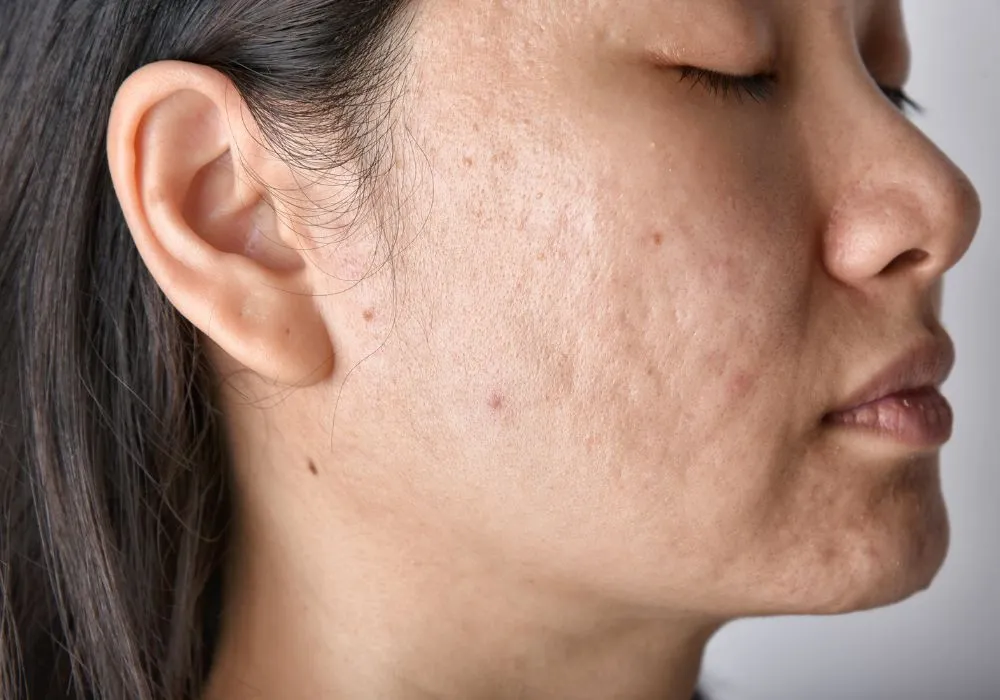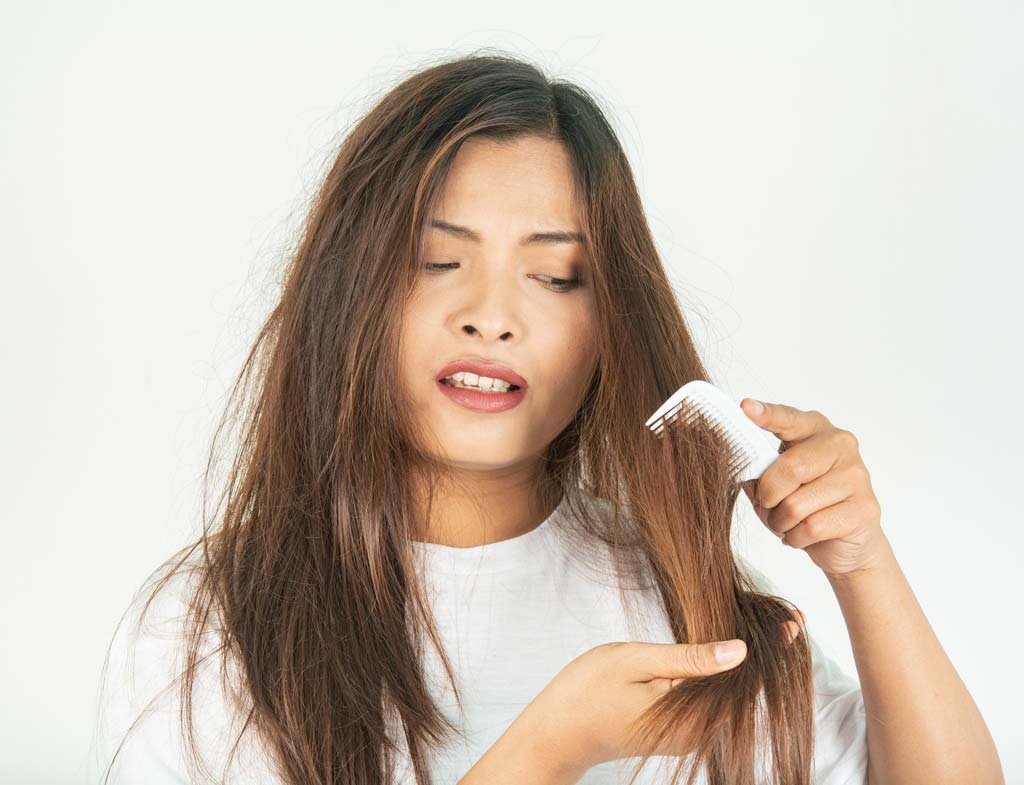
Accutane, also known as isotretinoin, is a medication that treats severe acne by reducing oil production in the skin. As noted in clinical dermatology practice, including insights from Dr. Alicia Atkins, reduced sebum affects not only acne but also the hair and scalp.
DermOnDemand provides educational guidance on these effects to help patients understand common side effects and what to expect. This article explains whether Accutane can cause dry hair, why it happens, and how to manage it safely.
Does Accutane Cause Dry Hair And Scalp Changes
Yes, does Accutane cause dry hair? is a common question, and the answer is yes for many patients. The medication reduces oil production across the body, including the scalp. This change can affect both hair texture and scalp comfort during treatment, especially in cases of Accutane dry scalp.
Some people notice their hair feels less greasy and requires less frequent washing. Others develop dryness, flaking, or irritation in the hair and scalp. These effects are part of the broader side effects of isotretinoin and are expected during acne treatment.
Why Accutane Causes Dry Hair And Skin

How Sebum Supports Hair And Skin
Sebum is a natural oil that protects the skin and hair. It helps retain moisture and supports the barrier that keeps irritation out. When sebum levels drop, both skin and hair lose this protective layer.
This is why dry skin, eyes, hair, and chapped lips often appear together. The same process affects multiple areas at once. The American Academy of Dermatology notes that reduced oil production is central to how isotretinoin works.
What Changes During Isotretinoin Treatment
During treatment, oil glands shrink and produce less sebum as part of acne treatment. This helps control acne but also leads to dryness in the hair and scalp. The change can occur within the first few weeks of use.
Patients may also notice other common side effects, such as dry lips, eye irritation, and sensitivity to sunlight. These effects reflect the medication’s systemic action. They are not limited to one area of the body.
How Severe Accutane Dryness Can Be
When Dryness Is Usually Worst
Dryness often becomes more noticeable in the early phase of treatment. For many patients, symptoms peak within the first one to two months. The intensity depends on dose and individual skin type.
In some cases, dryness stabilizes as the body adjusts. However, some patients continue to experience symptoms throughout the full course of treatment. This includes both skin and hair, as well as changes to the scalp.
Why Dryness Varies By Person
Not everyone experiences dryness in the same way. Some people have mild changes, while others have more noticeable discomfort. Factors such as baseline skin type and environment can influence severity.
For example, dry climates or frequent washing can increase symptoms. Pre-existing conditions like eczema may also affect how dryness presents. This explains why experiences vary across individuals.
Common Signs Of Dry Hair And Scalp
Dry Texture And Loss Of Shine
Hair may feel rough or less smooth than usual. This happens because natural oils are reduced. The hair shaft becomes less coated and more prone to dryness.
Flaking And Itchy Scalp
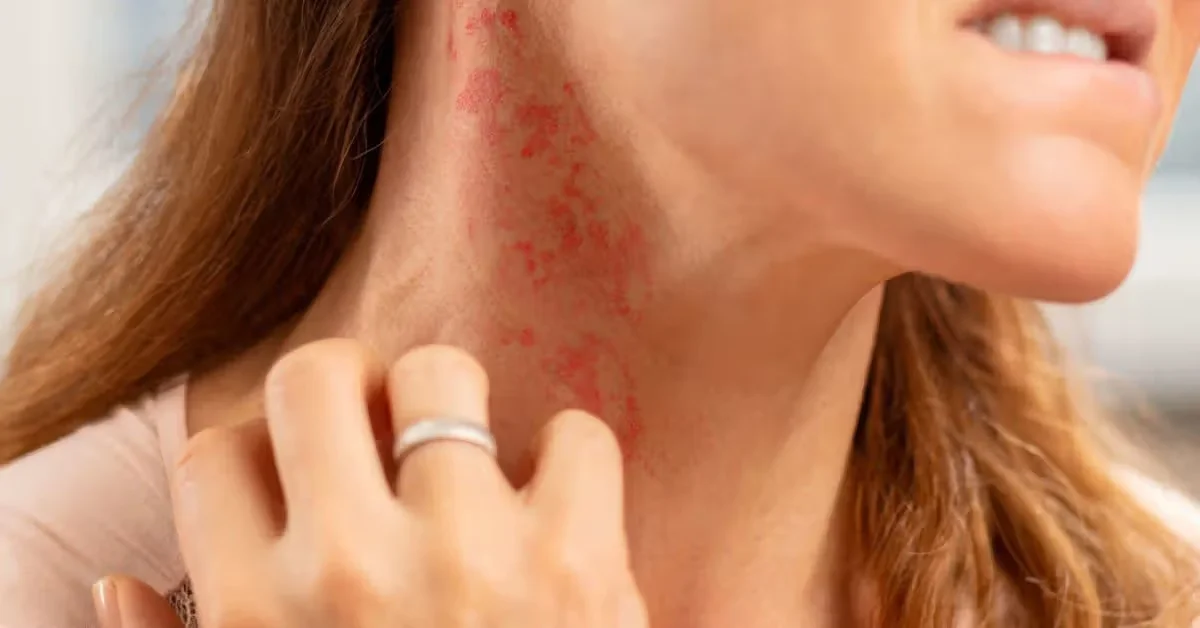
Some patients develop flaking that resembles dandruff. The scalp may feel tight or irritated. This can occur even in people who did not have scalp issues before treatment.
Hair Breakage Or Shedding
Hair may become more fragile and break more easily. In some cases, patients report mild shedding. Accutane can cause hair loss, which is less common but may occur as a temporary side effect.
How Long Does Accutane Dryness Last and Improve
Accutane Dry Skin: How Long Does It Lasts
Dryness usually begins early in treatment and continues while the medication is active. The duration depends on how long the course lasts. Most treatment plans range from several months to longer, depending on the case.
How Long After Accutane Does Dryness Go Away
After stopping isotretinoin, oil production gradually returns. This process can take several weeks to months. Hair and scalp hydration improve as sebum levels normalize.
Does Accutane Dryness Get Better Over Time
Many patients notice that symptoms become easier to manage over time. The body adapts, and supportive care helps reduce discomfort. In most cases, dryness is not permanent.
How To Reduce Dryness On Accutane
Hair And Scalp Care Tips
Simple care changes can help reduce dryness:
- Wash hair less often to preserve natural oils
- Use gentle, sulfate-free shampoos or shampoos recommended by a dermatologist designed for sensitive skin
- Avoid heat styling when possible
These steps support the scalp barrier and reduce irritation.
Products That Help Restore Moisture
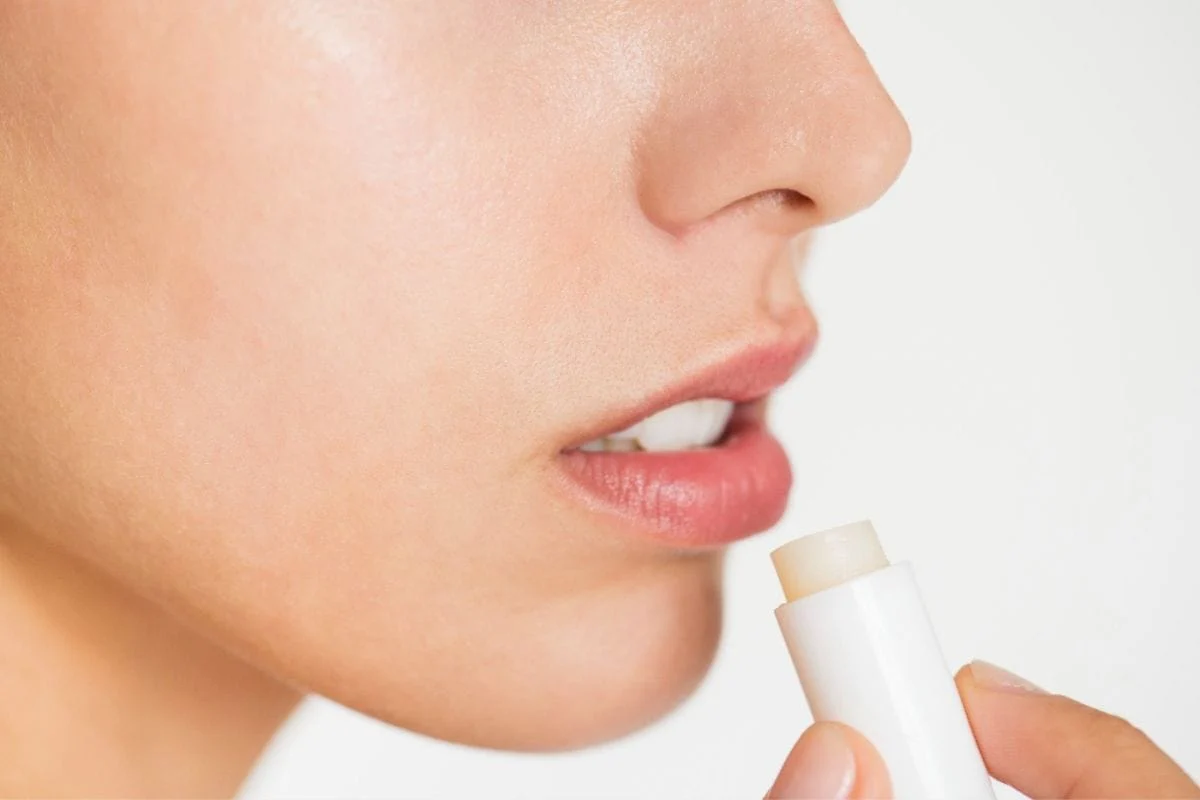
Moisturizing products can improve comfort. Conditioners and scalp treatments help retain hydration. For other areas, lip balm helps manage dry chapped lips, and eye drops can relieve dry eye symptoms.
Patients who wear contact lenses may need additional lubrication or may reduce use temporarily. DermOnDemand often highlights these practical adjustments as part of patient education.
When To Seek Medical Advice For Hair Changes

Signs Of Excessive Hair Loss
Mild dryness is expected, but significant hair loss should be evaluated. If shedding becomes noticeable or persistent, a clinician should assess the cause. This helps rule out other conditions.
- You notice more hair than usual on your pillow, brush, or shower drain every day
- Hair shedding continues for several weeks without slowing down
- Your ponytail feels thinner or less dense than before
- You see widening of the part line or a more visible scalp
- Hair comes out in larger clumps when washing or brushing
- You find short, broken hairs along with shedding
- Your hairline appears to recede or change shape
- You notice patchy hair loss instead of even thinning
- Your scalp feels irritated, painful, or inflamed, along with hair loss
- Hair loss does not improve after reducing triggers or finishing treatment
What Cannot Be Managed At Home?
Some symptoms require medical input. Severe scalp irritation, infection, or ongoing discomfort may need prescription care. In addition, discussions about forms of birth control and medication safety are part of responsible isotretinoin use.
If you have questions about dryness, hair changes, or other side effects of isotretinoin, a licensed dermatology provider can help you assess your symptoms and adjust your care plan when needed.
DermOnDemand offers access to board-certified clinicians who provide evidence-based guidance for common skin concerns, including acne treatment, and patients can begin treatment after a clinical evaluation.