DermOnDemand provides educational dermatology resources that explain treatment options in clear, clinical terms. As noted by Dr. Alicia Atkins, isotretinoin is used when acne does not respond to standard care and requires careful evaluation.
This article explains the Effectiveness of Accutane, including how it works, expected results, risks, and who may benefit from this medication.
Key Takeaways
- Accutane is one of the most effective treatments for severe acne because it reduces oil production, inflammation, and clogged pores simultaneously.
- Most patients begin to see improvement within the first 30 days, with clearer skin developing over several months of consistent treatment.
- While many people achieve long-term remission, acne can return in some cases, especially when underlying factors like hormones remain active.
- Common side effects include dry lips, dry skin, and eye dryness, while more serious risks, such as birth defects and mood changes, require close medical monitoring.
- Accutane is typically reserved for severe or treatment-resistant acne, and careful evaluation is needed to determine if it is an appropriate option for each patient.
How Effective Is Accutane for Acne
Success Rates and Clinical Outcomes
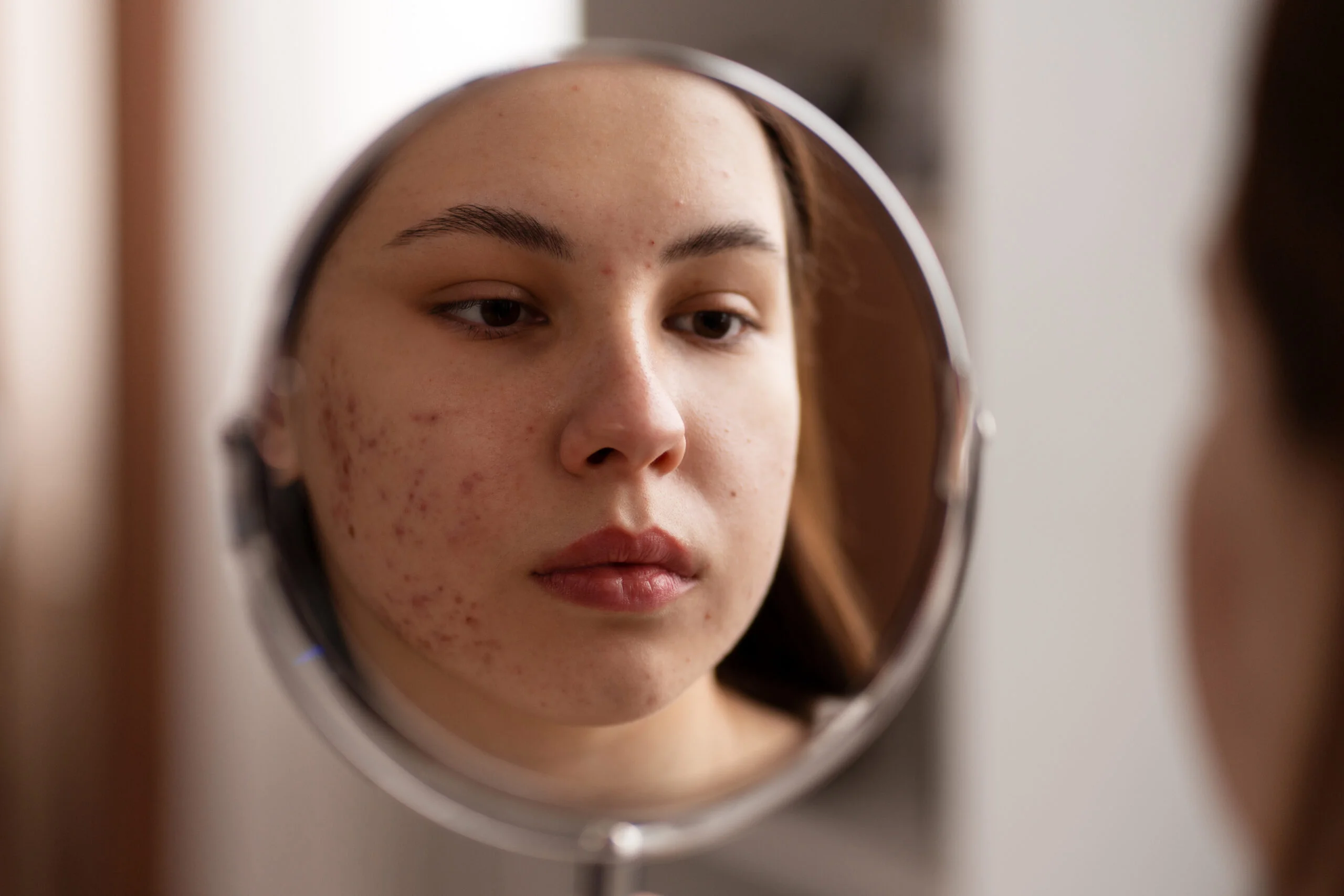
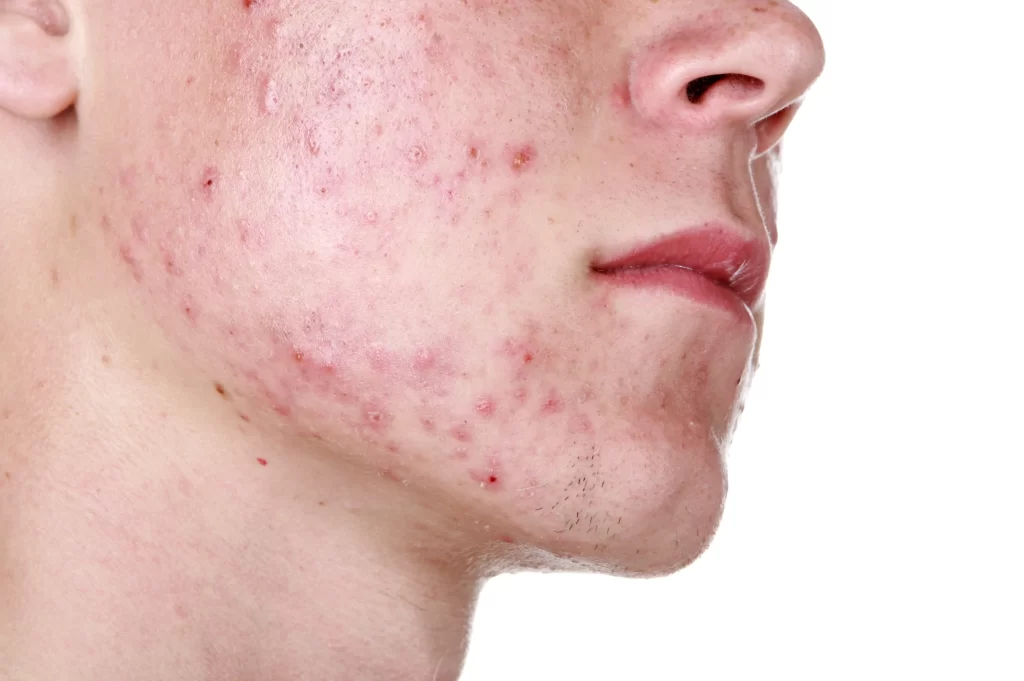
Accutane is considered one of the most effective treatments for severe acne, especially cystic acne that does not respond to other treatments. Many patients experience a significant reduction in breakouts because the medication targets oil production, inflammation, and clogged pores simultaneously.
Clinical studies show that a large percentage of patients achieve near-complete clearance after one treatment course. The effectiveness of Accutane depends on factors such as acne severity, dosage, and adherence to treatment.
When Results Typically Appear
Most patients do not see immediate improvement during the first weeks of treatment. Acne may worsen early on, which can be part of the skin’s response to the medication.
Noticeable improvement often begins within the first 30 days, with clearer skin developing over several months. Consistency is important, as stopping early can reduce the overall effectiveness.
Long-Term Acne Clearance
Many patients experience long-term remission after completing treatment. In some cases, acne does not return or returns in a milder form. Long-term results depend on factors such as skin type and underlying causes of acne. While not guaranteed to be permanent, isotretinoin often provides longer-lasting results than other treatments.
Effectiveness for Hormonal Acne
How Hormonal Acne Responds
Hormonal acne can be more resistant to standard therapies because it is driven by internal factors such as hormone fluctuations. Accutane can still be effective because it reduces oil production and inflammation, which are key contributors. However, it does not directly change hormone levels.
Patients with hormonal acne may still benefit, but response varies.
Expected Results and Limits
Results for hormonal acne are often positive but may not be permanent. Some patients may experience recurrence if hormonal triggers persist. In these cases, additional maintenance treatments may be needed. This is why dermatologists assess each patient individually before starting therapy.
Does Isotretinoin Remove Acne Permanently
Remission vs Relapse
Isotretinoin can lead to long periods without acne, known as remission, but patients often ask whether Accutane is permanent. Many patients remain clear for years after treatment. However, some may experience relapse, especially those with severe or hormonal acne. The likelihood of relapse depends on individual skin biology and treatment dose.
When Acne Can Return
Acne may return months or years after treatment, but it is often less severe. A second course of treatment may be considered if breakouts become significant again. Long-term management may also include topical care or lifestyle adjustments, especially when considering long-term Accutane effects.
What to Expect
Typical Duration of Treatment
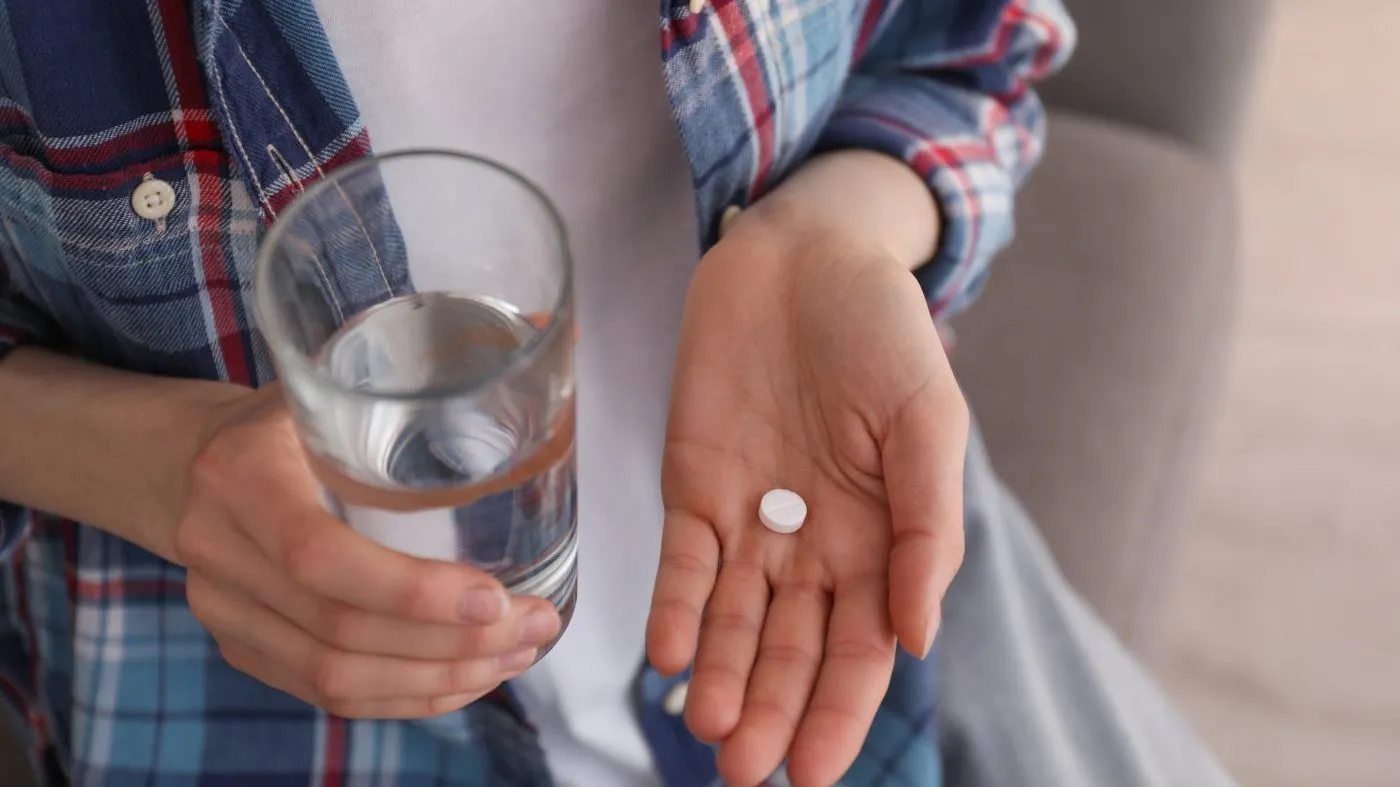
A standard course of isotretinoin lasts about four to six months. The duration depends on body weight, dosage, and response to treatment. Dermatologists adjust dosing to balance effectiveness and safety. Regular follow-up helps track progress and side effects.
Early Worsening and Improvement Phases
Some patients experience an initial flare before improvement begins. This early phase can feel discouraging but is temporary. Gradual improvement follows as oil production decreases and inflammation reduces. Over time, breakouts become less frequent and less severe.
Benefits of Isotretinoin for Skin
Reduced Oil Production
Isotretinoin significantly reduces the activity of the skin’s oil glands. Less oil means fewer clogged pores and a lower chance of acne forming. This effect is central to how the medication works. It also contributes to long-term improvement.
Fewer Breakouts and Inflammation
Patients often notice fewer inflamed lesions over time. Redness and swelling decrease as the skin becomes less reactive. This leads to a more stable skin condition. Reduced inflammation also lowers discomfort associated with acne.
Lower Risk of Scarring
By controlling severe acne early, isotretinoin can reduce the risk of permanent scarring. This is especially important in cystic acne, where deep lesions can damage skin structure. Early treatment may help preserve skin texture. However, existing scars will not be removed by the medication.
What Accutane Does Not Treat
Acne Scars and Skin Texture
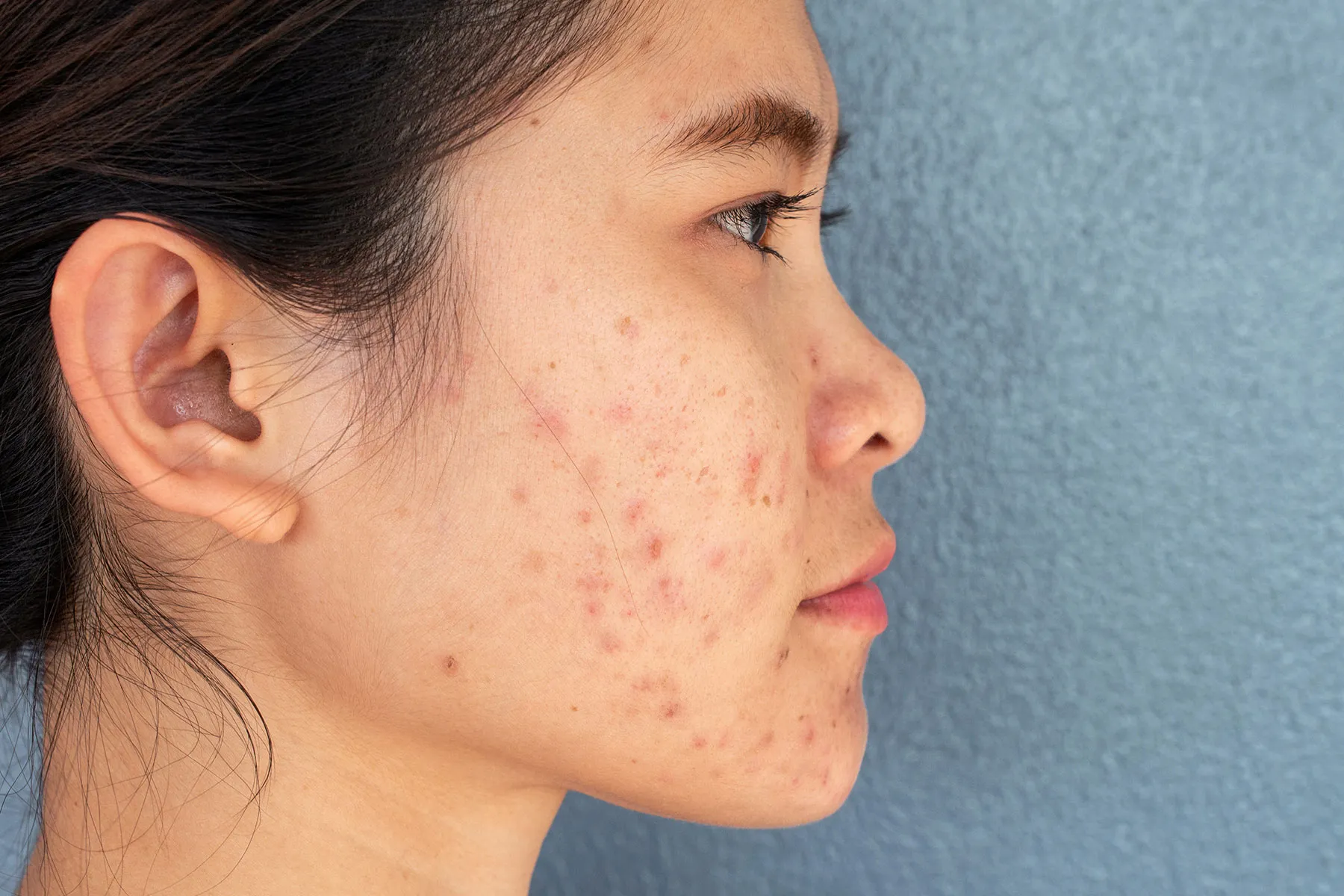
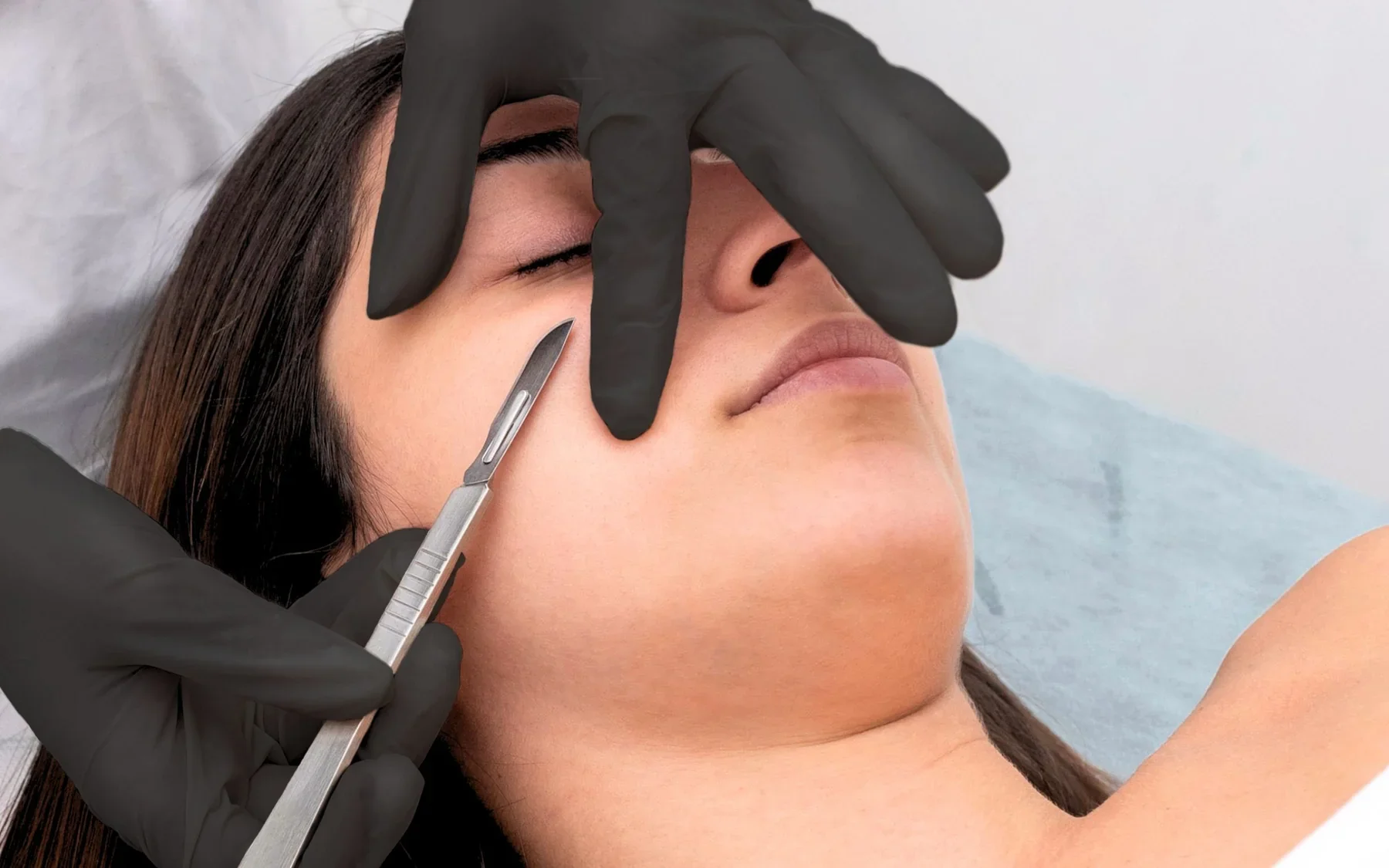
Accutane does not remove existing scars or directly improve skin texture. Treatments such as laser therapy or microneedling may be needed for scars. Patients should have realistic expectations about what isotretinoin can achieve. It focuses on preventing new lesions rather than reversing past damage.
Need for Ongoing Skin Care
Even after treatment, proper skin care remains important. Gentle cleansing and sun protection help maintain results. Some patients may need maintenance treatments to control minor breakouts. Long-term care supports overall skin health.
How Accutane Works in the Skin
Sebaceous Gland Suppression
Isotretinoin reduces the size and activity of sebaceous glands. This leads to a significant drop in oil production. Less oil reduces the environment where acne develops. This mechanism is key to its effectiveness.
Effects on Bacteria and Inflammation
The medication changes the skin environment, making it less favorable for acne-causing bacteria. It also reduces inflammatory signals in the skin. This helps decrease redness and swelling. Together, these effects improve overall skin condition.
Regulation of Skin Cell Turnover
Isotretinoin helps normalize the shedding of skin cells within pores. This reduces buildup that leads to clogged pores. Improved cell turnover keeps follicles clear. This contributes to fewer breakouts over time.
Who Should Consider Accutane
Severe or Cystic Acne
Patients with severe or cystic acne are the most common candidates. These forms of acne often cause pain and scarring. When other treatments fail, isotretinoin may be considered. It provides a more comprehensive approach.
Acne That Resists Treatment
Moderate acne that does not respond to antibiotics or topical treatments may also qualify. Persistent breakouts can impact quality of life. Dermatologists evaluate treatment history before prescribing isotretinoin. This ensures appropriate use.
Who Should Not Take Accutane
Pregnancy and High-Risk Groups
Isotretinoin can cause serious birth defects and must not be used during pregnancy. Strict safety protocols are required for patients who can become pregnant. Regular testing and prevention measures are part of treatment. Safety is a top priority.
Medical Conditions Requiring Caution
Certain medical conditions may require careful evaluation before starting treatment. Liver disease, high cholesterol, or mental health concerns may affect suitability. A full medical history helps guide safe use. Monitoring is essential throughout treatment.
Why Accutane Is a Last Resort
Risks Compared to Other Treatments
Accutane is typically used after other acne treatments have failed. This is due to its potential side effects and need for monitoring. While highly effective, it carries more risks than topical or antibiotic therapies. This places it later in the treatment pathway.
When Dermatologists Recommend It
Dermatologists consider isotretinoin when acne is severe, persistent, or causing scarring. The decision balances risks and benefits for each patient. Careful evaluation ensures appropriate use. This approach aligns with responsible medical practice.
What are The Side Effects and Effectiveness of Accutane
Common and Expected Effects
Common side effects include dry lips, dry skin, and dry eyes. Patients may need lip balm, eye drops, and moisturizers to manage symptoms. Some may experience muscle pain or difficulty with night vision. These effects are usually temporary and manageable.
Serious Risks and Monitoring
More serious risks include birth defects, mood changes such as suicidal thoughts, and changes in liver function. Patients require regular blood tests and medical supervision. Contact lens wearers may notice discomfort and may need adjustments. Any unusual symptoms should receive medical attention.
Why Ongoing Medical Supervision Matters
DermOnDemand emphasizes that isotretinoin requires careful monitoring throughout treatment. Regular check-ins help manage potential side effect risks and adjust dosing as needed. This ensures safety while maintaining effectiveness. Medical supervision is essential for responsible use.
How Accutane Compares to Other Treatments
Differences From Antibiotics and Topicals
Unlike antibiotics or topical treatments, isotretinoin targets multiple causes of acne at once. It reduces oil, inflammation, and clogged pores simultaneously. This makes it more effective for severe cases. Other treatments may only address one factor.
When It Offers Unique Advantages
Accutane is often chosen when other treatments fail or when acne causes scarring. Its ability to produce long-term remission sets it apart. However, it is not always the first choice due to safety considerations. Treatment decisions depend on individual needs.
Common Misconceptions About Accutane
Is It Only for Severe Acne
While commonly used for severe acne, isotretinoin may also be prescribed for persistent moderate acne. The decision depends on response to other treatments. It is not limited to extreme cases. Clinical judgment guides use.
Do Results Happen Immediately
Results take time and may begin after several weeks. Early worsening can occur before improvement. Patients should expect gradual progress. Understanding this helps avoid unrealistic expectations.
When to Seek Medical Evaluation
Signs Acne Needs Advanced Treatment
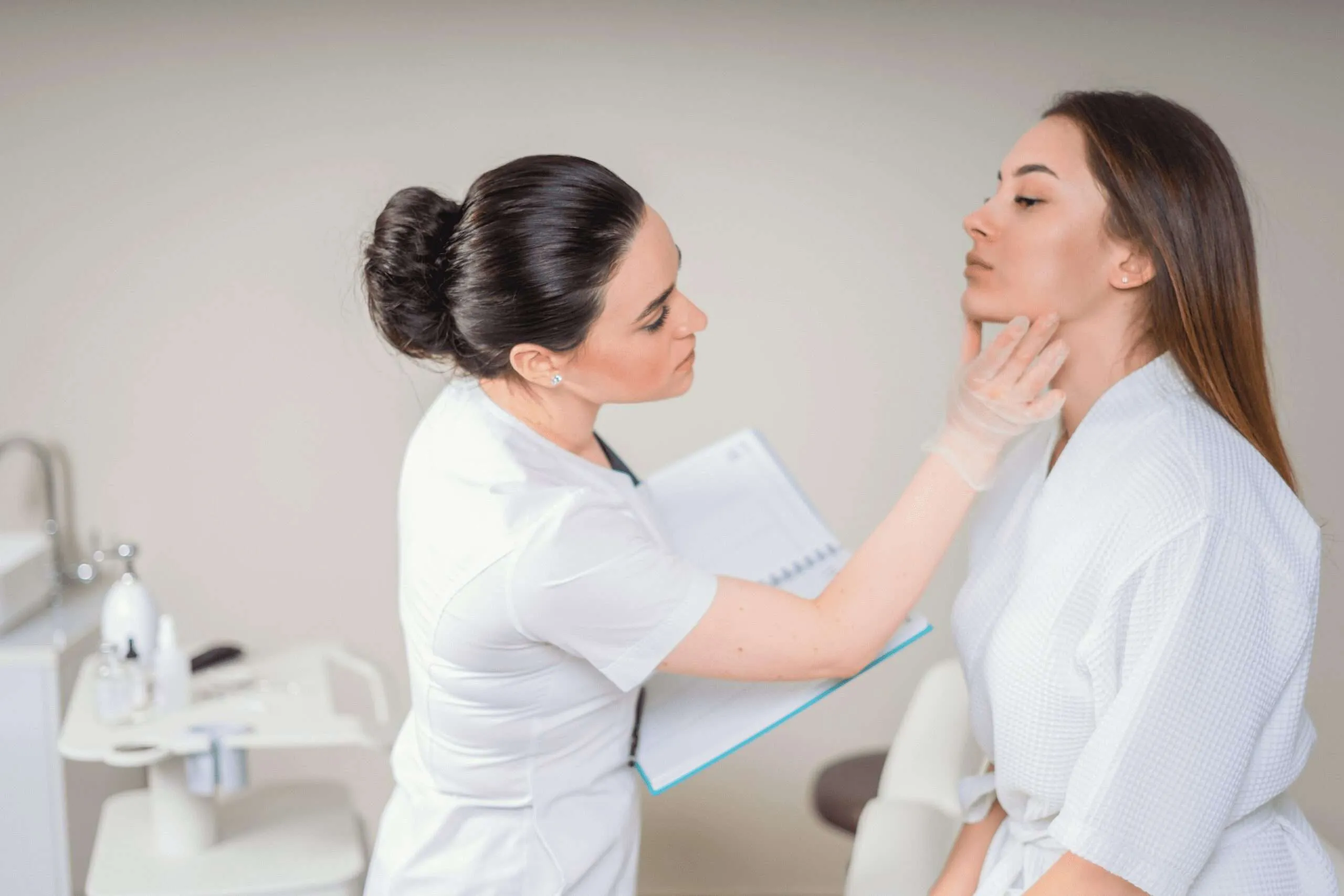
Persistent acne, painful cysts, or scarring may indicate the need for stronger treatment. When standard options fail, evaluation by a dermatologist is important. Early intervention can reduce long-term skin damage. Professional guidance helps determine next steps.
When Standard Treatments Fail
If acne does not improve after consistent use of topical or oral treatments, further evaluation is needed. A tailored treatment plan can address underlying causes, and patients may explore options to start treatment after evaluation. This ensures that care matches the severity of the condition.