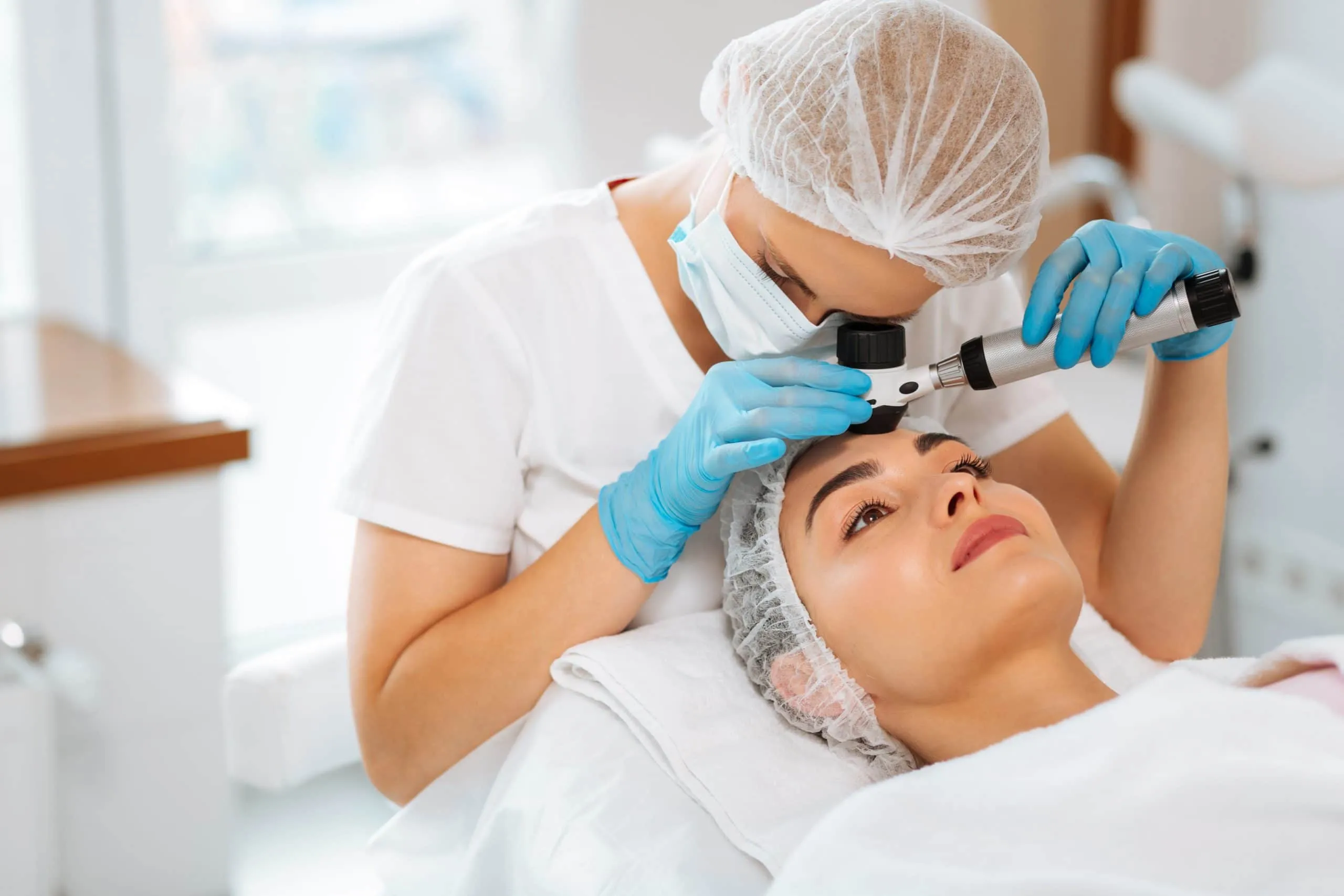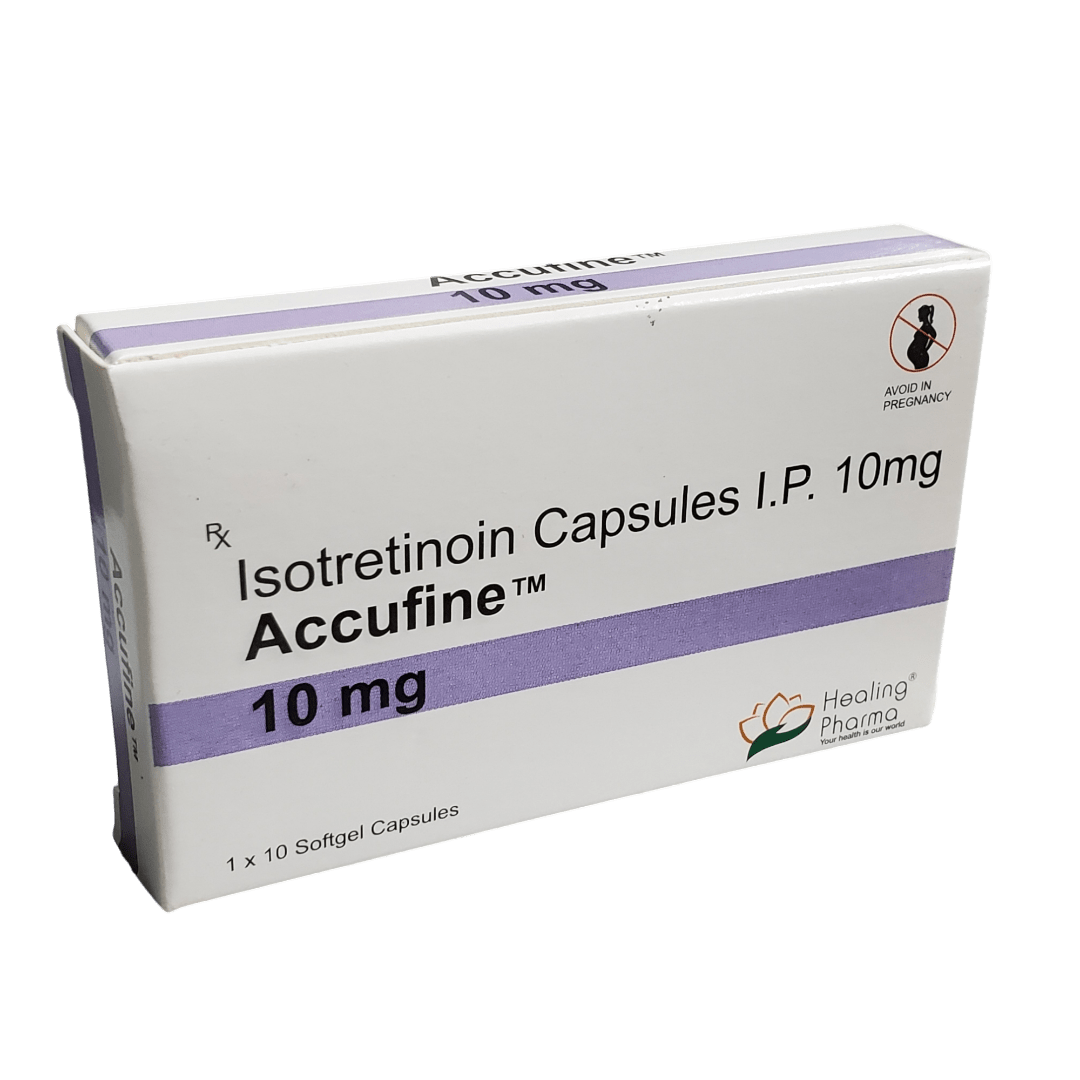
Accutane can be worth it for some people, but the answer depends on the type and severity of acne, past treatment response, and risk tolerance. It is most often considered when acne is severe, scarring, or has not improved with other therapies under medical supervision.
For these patients, the medication may offer meaningful improvement by targeting oil production and pore blockage at a deeper level. When people ask if Accutane is worth it, the decision comes down to balancing potential benefits with known side effects and strict monitoring requirements.
The sections below explain how that balance is assessed and what factors matter most.
The clinical guidance reflected here aligns with how board-certified dermatologists, including Dr. Alicia Atkins, approach patient education at DermOnDemand, focusing on safety, clarity, and realistic expectations.
Key Takeaways
- Accutane can be an effective option for severe or treatment-resistant acne, but it requires close medical supervision and a clear understanding of potential side effects.
- Its main action comes from reducing sebum production and preventing clogged pores, helping address the root causes of persistent breakouts.
- Common side effects such as dry skin and chapped lips are expected, while serious risks are rare but monitored through regular blood work and pregnancy testing.
- Sexually active patients must follow strict birth control measures, including monthly pregnancy tests, to ensure safe use.
- Whether Accutane is worth it depends on acne severity, past treatment results, lifestyle, and individual tolerance for risks and monitoring requirements.
Is Accutane Worth It for Acne?
When people ask whether Accutane is worth considering, they are usually dealing with acne that has not improved over time. This medication is reserved for specific situations, not as a first step for most patients. Doctors evaluate severity, scarring risk, and how acne affects daily comfort and confidence before recommending it.
For some patients, the question of whether Accutane is worth it comes after years of breakouts and frustration. In those cases, isotretinoin may offer a path when other options have failed. The decision always weighs potential improvement against known risks and the need for close medical follow-up.
How Accutane Works
Accutane belongs to a group of medications called vitamin A derivatives. These drugs reduce sebum production, lowering the oil levels on the skin that contribute to inflammation and bacterial growth.
By addressing oil at its source, isotretinoin targets one of the main drivers of persistent acne. Readers can explore how this mechanism affects Accutane and oily skin in more detail through clinical resources from DermOnDemand.
Another effect of Accutane is its impact on skin cell turnover. It helps prevent clogged pores, which are an early step in acne formation. Together, these actions explain why it can be effective for certain severe or resistant cases.
Is Accutane Worth It by Acne Type?

Mild acne
Mild acne usually responds well to topical treatments and lifestyle adjustments. In these cases, isotretinoin is rarely recommended because the risks outweigh the benefits. For mild breakouts, most dermatologists prefer simpler options before considering more potent medications.
Moderate acne
Moderate acne may involve deeper lesions and more frequent flares. Accutane is sometimes considered if the patient has responded poorly to other treatments. This includes cases where oral antibiotics or prescription creams did not provide lasting control.
Hormonal acne
Hormonal acne often follows patterns linked to cycles or stress. Isotretinoin can help some patients, but it does not correct the hormone signals themselves. Doctors usually explore other therapies first, especially when breakouts return after treatment.
Cystic acne
Cystic acne is a painful form of acne that can lead to scarring. In these cases, many specialists consider isotretinoin earlier. The goal is to reduce inflammation and prevent permanent skin damage when other approaches have not worked.
Is Accutane Worth It for Men and Body Acne?
Accutane is prescribed to both men and women, but the discussion may differ for each. For men with widespread or deep acne, especially on the back or chest, isotretinoin can be effective. Body acne often penetrates deeper layers of skin, making topical care less effective.
When evaluating men with back or shoulder acne, dermatologists focus on severity and impact on comfort. Treatment decisions also consider work conditions, physical activity, and prior response to therapy. The same safety rules apply regardless of gender.
Benefits Patients May Experience
The benefits of Accutane primarily include a long-term reduction in severe acne. Many patients see fewer deep lesions and less inflammation over time. This can reduce the chance of future scarring.
Improvement in skin symptoms can also affect the overall quality of life. Less pain, itching, and visible inflammation may ease daily discomfort. Results vary, and no outcome is guaranteed, but these potential benefits explain why isotretinoin remains an option in select cases.
What Are the Downsides of Accutane?
Common short-term side effects
The most common Accutane side effects involve the skin and mucous membranes. Patients often experience dry skin and chapped lips, sometimes within the first weeks. Dry eyes and nasal irritation can also occur.
These effects are usually manageable with moisturizers and supportive care. Regular check-ins help adjust treatment if symptoms become difficult. Understanding these reactions in advance helps patients prepare.
Possible long-term risks
Concerns about long-term risks are part of every discussion about isotretinoin. Blood lipid changes and liver enzyme elevations are monitored through testing. Some patients report joint discomfort or lingering dryness after treatment.
Serious complications are uncommon but require attention. This is why dermatologists stress careful selection and follow-up rather than routine use.
Daily Life on Accutane
Daily life on Accutane often includes adjustments to skin care, sun exposure, and comfort. People on isotretinoin usually need richer moisturizers, hydrating lip products, and gentle cleansers to manage dryness.
Simple steps such as avoiding harsh scrubs, limiting long hot showers, and using sunscreen every day can make treatment easier. When you read an online guide or a table of contents for Accutane topics, many of the headings on dryness, lips, and sun care describe the same day-to-day routine.
Contact lens wearers may notice increased eye dryness and may need to use artificial tears or switch to glasses more often. Athletes may experience joint discomfort and discuss training changes with their clinician.
Some people reduce alcohol intake while taking isotretinoin if liver tests or overall health raise concerns. Talking through these practical issues before starting helps patients decide whether the treatment fits with their current life obligations and comfort level.
Safety and Monitoring During Treatment
Accutane requires strict monitoring due to its potential effects on pregnancy. Patients who are sexually active and can become pregnant must use approved forms of birth control. Many are advised to combine methods, such as a barrier option and a birth control pill.
Programs mandate monthly pregnancy tests before prescriptions are renewed. Blood tests also track cholesterol and liver health. These steps aim to reduce preventable risks and ensure safe use.
What Accutane Can and Cannot Treat
Isotretinoin is approved for treating severe or resistant acne. It is not meant solely for occasional breakouts or cosmetic concerns. Doctors also explain that it does not cure underlying hormonal conditions.
Some people ask whether Accutane treats folliculitis. In some instances, it may help when folliculitis behaves like acne, but it is not a universal solution. Accurate diagnosis is key before considering this option.
Alternatives to Accutane
Many patients improve without isotretinoin. Alternatives include topical retinoids, benzoyl peroxide, and short courses of oral antibiotics.
Learn about evidence-based options for acne treatment that can help manage moderate breakouts under professional guidance. Hormonal therapies may help when breakouts follow predictable patterns.
Lifestyle changes and consistent skin care routines also play a role. Dermatologists often combine several methods before recommending more potent medications. Exploring these paths helps ensure isotretinoin is used only when appropriate.
How to Decide If Accutane Is Worth It
Deciding whether isotretinoin is right involves balancing risks, benefits, and personal priorities. Patients should consider how acne affects daily comfort, work, and emotional well-being. Medical history and prior treatment response also matter.
A discussion with a qualified clinician allows questions and concerns to be addressed clearly. At DermOnDemand, education focuses on helping patients understand options rather than pushing a single path. An informed decision is the goal, based on evidence and individual needs rather than pressure.
If you’re considering Accutane and want medical guidance before making a decision, schedule a private online consultation with a board-certified dermatologist through DermOnDemand to discuss your skin type, treatment history, and safety options in detail.