The highest dose of isotretinoin, commonly known as Accutane, is typically up to 2 mg per kilogram of body weight per day, but this is used only in select cases under close medical supervision.
Most patients are treated within a lower range of 0.5 to 1 mg per kilogram daily to balance effectiveness and safety. In more severe cases, doses may increase up to about 2 mg per kg per day under close medical supervision.
When asking about the highest dose of Accutane, it is important to understand that dosing is individualized based on body weight, acne severity, and tolerance to side effects. There is no single fixed maximum dose that applies to everyone.
Doctors adjust treatment over time to reach a safe total cumulative dose while minimizing risks.
Dosing also varies because patients respond differently to treatment. Factors such as skin sensitivity, acne severity, and prior treatment history all play a role. These differences explain why there is no single answer to what the highest Accutane dose is for every patient.
Key Takeaways
- The highest dose of Accutane is typically about 2 mg per kilogram of body weight per day, but this is used only in select cases under close medical supervision.
- Accutane dosing is individualized based on body weight, acne severity, and tolerance, which means there is no single fixed maximum dose for all patients.
- Daily doses like 20 mg to 80 mg must be interpreted in context, as what is considered high depends on the patient’s weight and treatment plan.
- The total cumulative dose over the full treatment course plays a key role in reducing relapse risk, not just the daily dose alone.
- Higher doses increase the likelihood of side effects, so treatment requires careful monitoring and dose adjustments to maintain safety and effectiveness.
Is 20 mg to 80 mg Accutane a High Dose
Many patients want to know if their prescribed dose is considered high. Common daily doses range from 20 mg to 80 mg, but these values are only meaningful when adjusted for body weight. A dose that is high for one person may be moderate for another.
For example:
- 20 mg may be a low or moderate dose for most adults
- 40 mg often falls within a standard range
- 60 mg to 80 mg may be considered higher, depending on body weight
This is why dose interpretation always depends on context rather than the number alone.
When Higher Accutane Doses Are Used

Severe or Nodular Acne
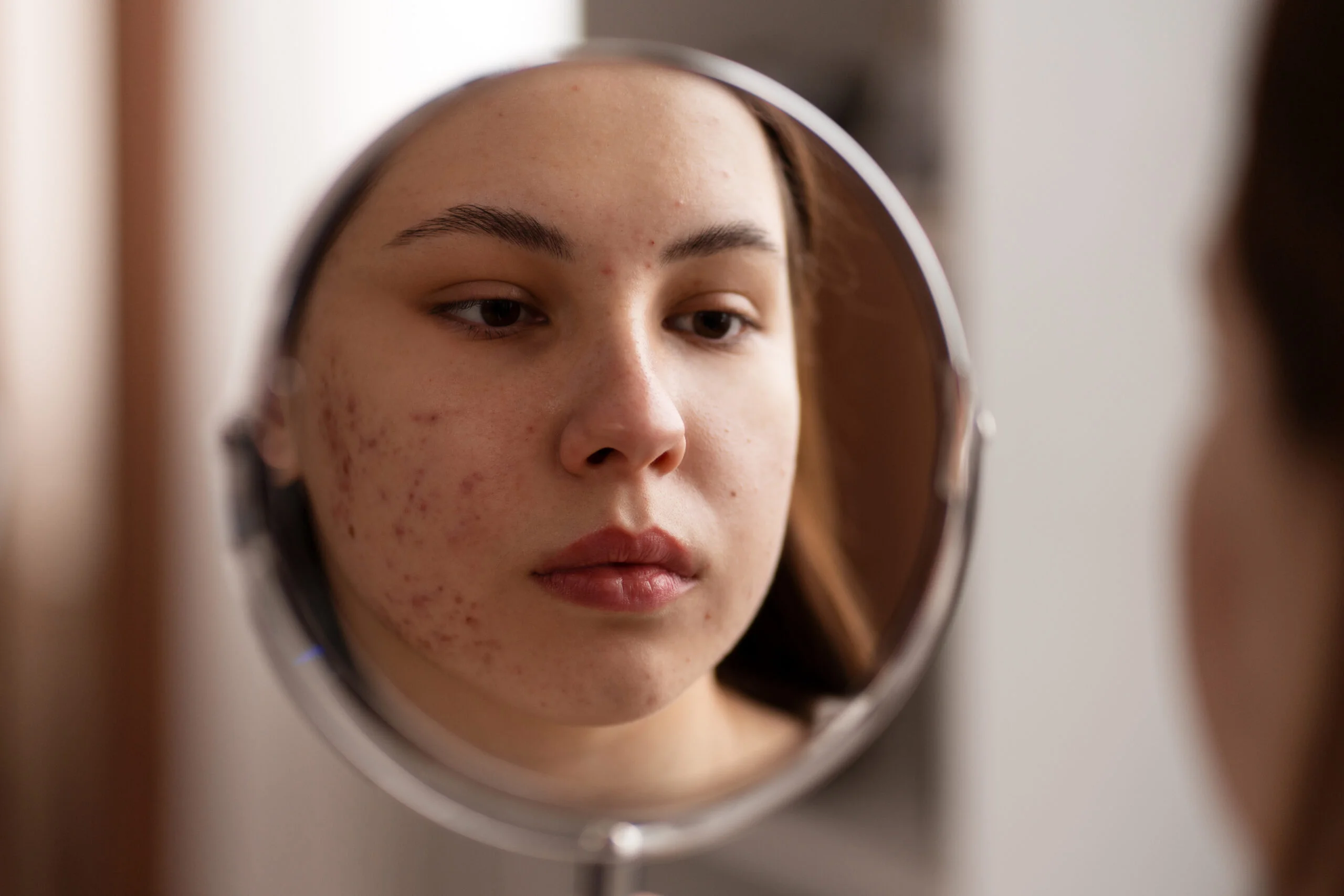
Higher doses are usually reserved for more severe forms of acne. This includes nodular or cystic acne, which can lead to scarring if not treated effectively. In these cases, a stronger dose may help reduce inflammation more quickly.
Doctors may also use higher dosing when acne affects larger areas, such as the chest or back. These areas often require higher doses of medication to achieve the same effect as on the face. Treatment decisions always balance effectiveness with safety.
How It Affects Relapse Risk
Cumulative dose refers to the total amount of medication taken over the full course of treatment. Instead of focusing only on daily intake, doctors track the total dose over time. This approach helps reduce the risk of acne returning after treatment ends.
A common target cumulative dose is around 120 mg per kg of body weight. Reaching this total is associated with longer-lasting results. This concept is key to understanding why treatment duration and daily dose are closely linked.
How Long Does Accutane Treatment Last
Accutane treatment usually lasts between 15 and 20 weeks. The exact length depends on how quickly the patient reaches the target cumulative dose. Some patients may finish earlier if they respond well to treatment.
Others may require longer or repeated courses if acne persists or returns. Treatment plans are adjusted over time based on progress and tolerance. This ensures a balance between effectiveness and safety.
Why Accutane Dose Limits and Safety Matter
Side Effects at Higher Doses
Higher doses increase the likelihood of side effects, which is why limits are carefully defined. Common side effects include dry skin, chapped lips, and increased sensitivity. These effects are often manageable but can become more intense at higher doses.
More serious risks, including potential long-term Accutane effects, require monitoring during treatment. Blood tests may be used to track liver function and lipid levels. These safety measures help ensure that dosing remains within acceptable limits.
How Doctors Adjust Accutane Dosage
Doctors often adjust dosing during treatment based on how the patient responds. If side effects become difficult to manage, the dose may be reduced. If acne does not improve, the dose may be increased within safe limits.
This ongoing adjustment is a normal part of treatment. It allows the plan to adapt to the patient’s needs over time. At DermOnDemand, this type of monitoring is presented as a core part of responsible care.
Common Misconceptions About Accutane Dose
One common misconception is that higher doses always lead to better results. In reality, increasing the dose can raise the risk of side effects without guaranteeing improved outcomes. Treatment success depends on multiple factors, not just dosage.
Another misunderstanding is that lower doses are ineffective. Many patients respond well to moderate dosing when treatment is consistent, especially when following approaches like low-dose Accutane. The goal is to find the right balance for each individual.
What Patients Should Know About Accutane Dosing

Patients should not adjust their dose without medical guidance. Isotretinoin requires careful monitoring to remain safe and effective. Dosing decisions are based on clinical judgment and individual response.
Understanding how body weight, treatment duration, and cumulative dose interact helps you follow your treatment plan with greater clarity and confidence. Clear expectations support safer and more consistent treatment outcomes, especially when patients understand their options before they start treatment.
If you need guidance based on your specific case, DermOnDemand provides educational resources and clinician-informed insights to help you better understand your treatment options.