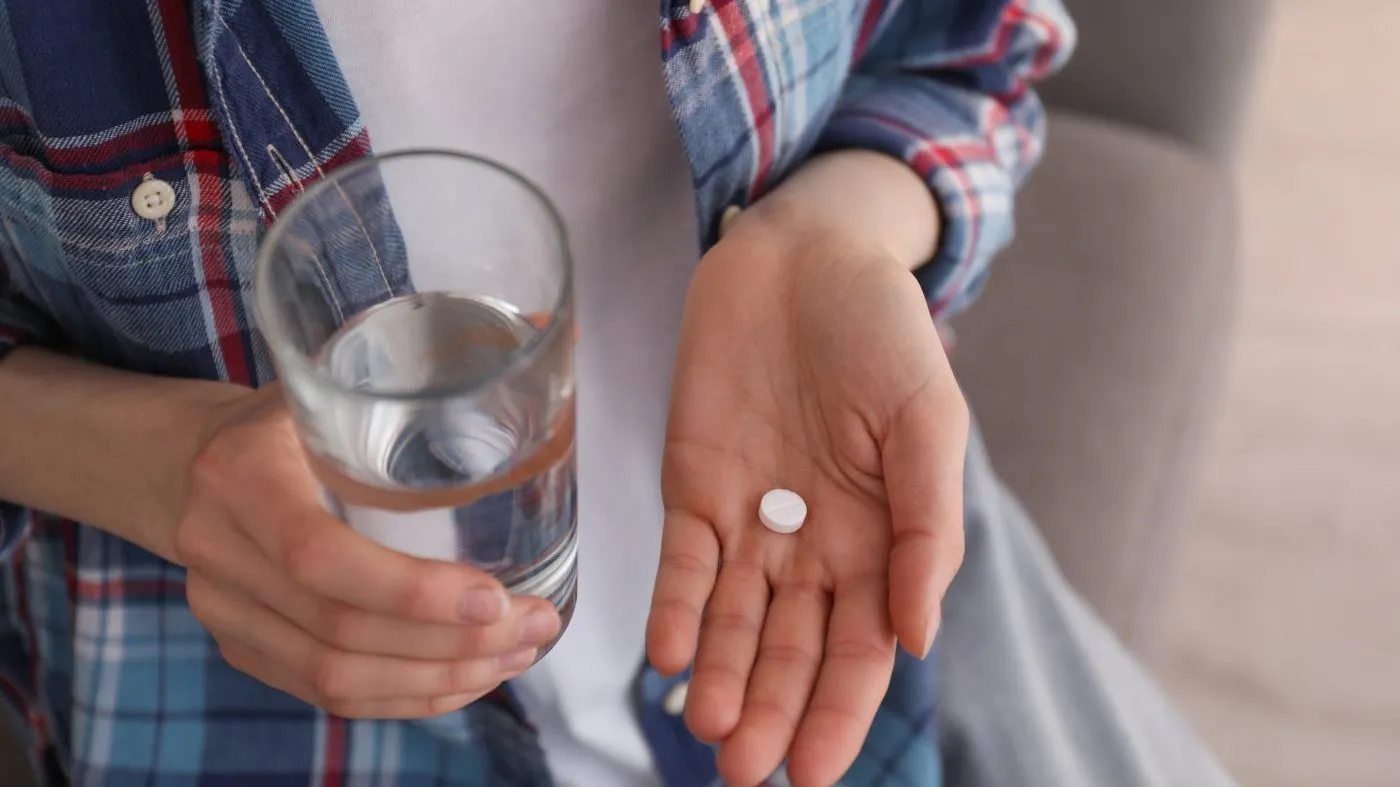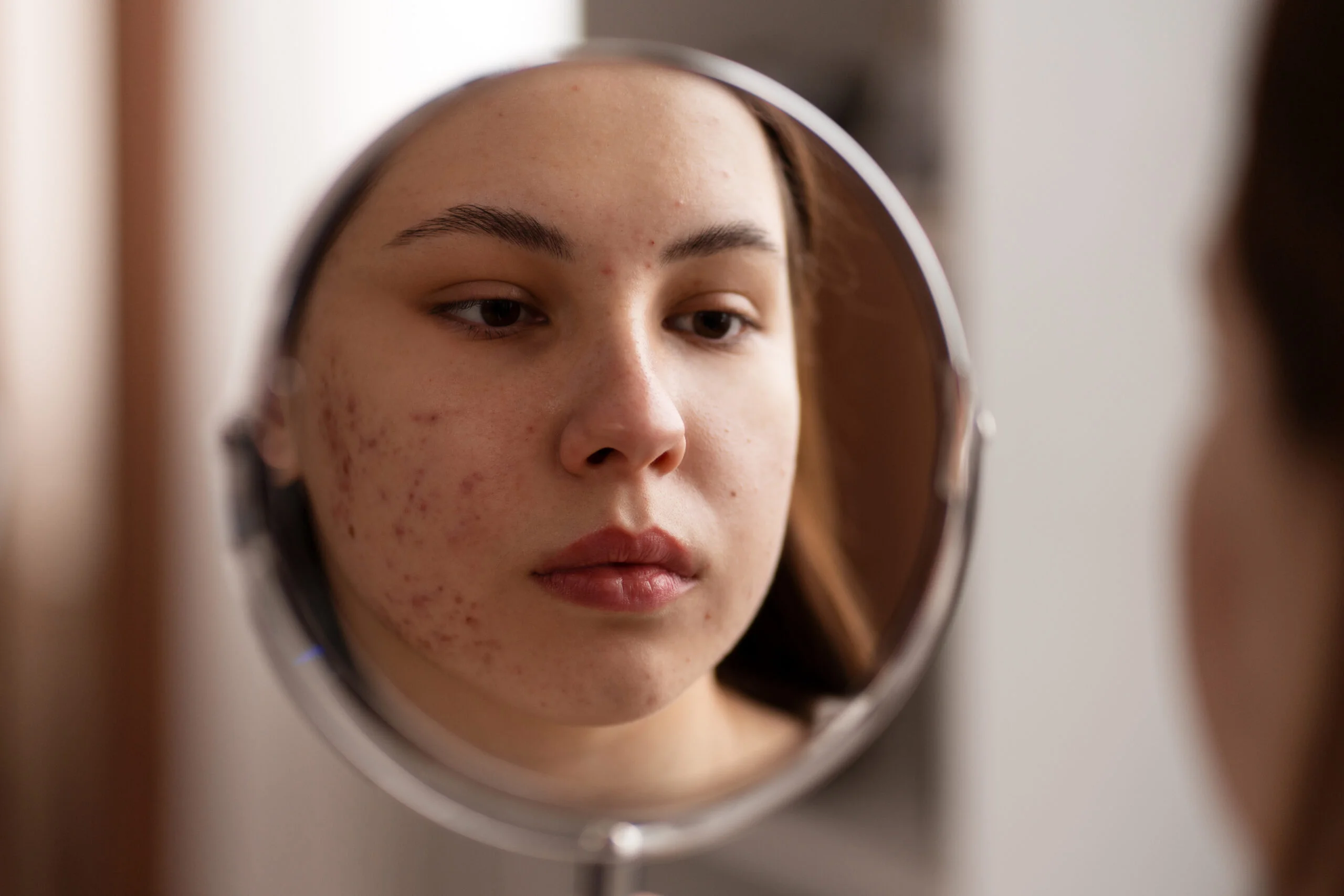
Acne can return after isotretinoin, also known as Accutane, because the treatment controls several causes of acne but does not permanently remove all underlying drivers. At DermOnDemand, this topic is often explained as part of patient education, focusing on how acne behaves over time rather than promising permanent results.
As noted by Dr. Alicia Atkins, acne is a chronic condition influenced by hormones, genetics, and skin biology, so recurrence can occur even after a successful course of treatment
.Key Takeaways
- Acne can return after isotretinoin because the treatment reduces oil production and inflammation, but does not permanently alter hormones or genetic factors that drive acne.
- The risk of relapse depends on factors such as cumulative dose, treatment duration, hormonal activity, and how well the medication was absorbed during therapy.
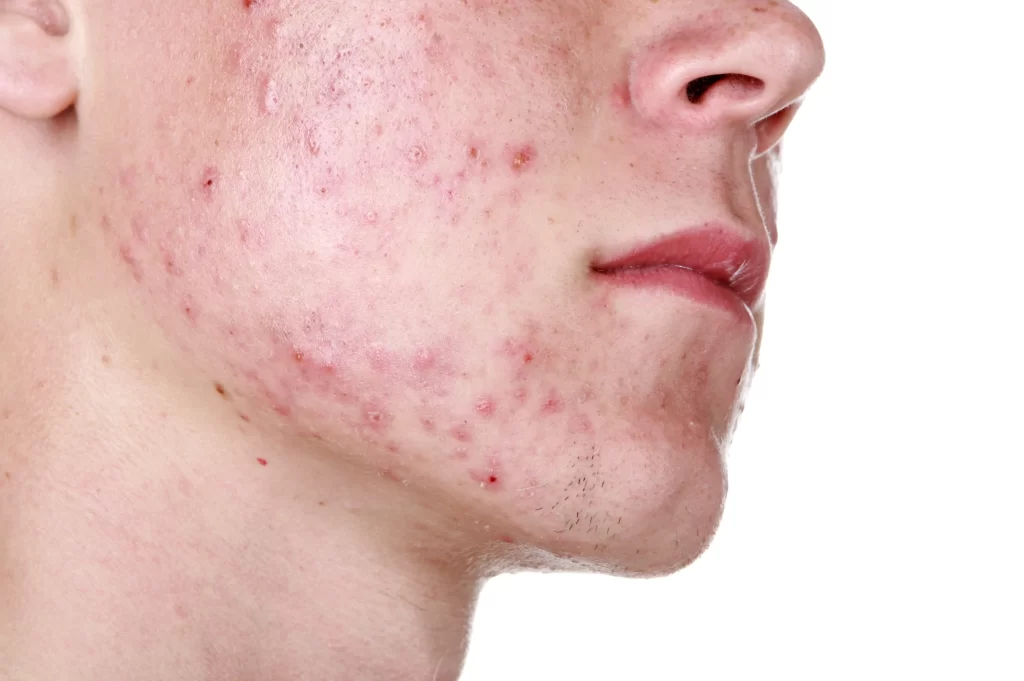
- Recurrence is usually milder than the original acne and often presents as small breakouts or localized lesions, especially in hormonally sensitive areas such as the jawline.
- Many cases of post-treatment acne can be managed with topical treatments, while others may require hormonal therapy, oral medications, or a second course of isotretinoin.
- Long-term control improves when treatment is completed properly and followed by maintenance care, such as topical retinoids and consistent skincare routines.
What Accutane Changes In The Skin
Isotretinoin treatment works by shrinking sebaceous glands and lowering oil production. It also reduces inflammation and helps prevent clogged pores, which are key steps in acne development. These changes can last for months or years after treatment ends.
However, the medication does not permanently change hormone levels or genetic tendencies. This is why acne treatment with isotretinoin can lead to long-term improvement without acting as a permanent cure. The skin may gradually return to its baseline behavior over time.
Main Causes Of Acne Relapse
Hormonal Factors And Androgens
Hormones play a central role in acne, especially in female patients. Androgens increase oil production, which can trigger new breakouts even after accutane treatment. This is why some patients benefit from options like a birth control pill or other therapies to treat hormonal acne.
Hormonal patterns often show up as breakouts along the jawline or chin. These flares may follow menstrual cycles or periods of stress. In these cases, the recurrence is not due to treatment failure but ongoing hormonal activity.
Low Dose Or Early Stopping
The total cumulative dose of isotretinoin treatment strongly affects long-term outcomes. If the dose is too low or the course ends too early, the risk of recurrence increases. Treatment is usually continued for a full month of treatment beyond visible clearance to reduce relapse risk.
Stopping early can leave underlying acne processes active. This can lead to higher relapse rates within the first year after treatment. Completing the full course is a key factor in maintaining results.
Poor Absorption During Treatment
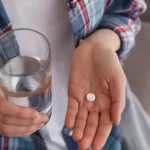
Isotretinoin is better absorbed when taken with food, especially fatty food. If patients take the medication on an empty stomach, the effective dose may be lower than intended. This can reduce how well accutane work in controlling acne long term.
This detail is often overlooked but has real impact. Even with the correct prescription, poor absorption can lead to incomplete treatment. Over time, this increases the chance that acne will return.
Genetics And Acne History
Genetics influence how the skin produces oil and responds to inflammation. Patients with a strong family history of acne may have a higher risk of recurrence. This applies even after a well-managed course of isotretinoin.
Severity also matters. Patients with long-standing or severe acne before starting Accutane are more likely to experience relapse. Their skin may require ongoing management rather than a single treatment course.
Conditions That Mimic Acne
Some skin conditions look like acne but respond differently to treatment. These include rosacea, perioral dermatitis, and Hidradenitis suppurativa. These conditions may improve during treatment but often return quickly afterward.
When this happens, the issue may not be acne relapse but a different diagnosis. This distinction is important because it changes the treatment plan. Accurate diagnosis helps guide appropriate care.
Who Is More Likely To Relapse
Younger Age And Severe Acne
Younger patients tend to have higher relapse rates. This may reflect ongoing hormonal changes or more active sebaceous glands. Acne that begins early in life often has a longer course.
Severe acne is also linked to recurrence. Deep nodules, cysts, or widespread involvement increase the likelihood that acne will return. These cases often need closer follow-up.
Hormonal Acne Patterns
Patients with clear hormonal patterns are more likely to relapse. Signs include breakouts tied to menstrual cycles or symptoms of elevated androgens. These patterns suggest that hormones remain an active driver.
In these cases, additional therapies may be needed after isotretinoin. Options may include hormonal treatments or targeted acne medicine. The goal is to control the underlying cause.
When Acne Comes Back After Accutane
Acne can return at different times after treatment. Most relapse occurs within 6 to 24 months after stopping isotretinoin. Some patients notice small breakouts sooner, while others remain clear for longer periods.
The timing depends on several factors, including dose, hormones, and skin type. Early recurrence may suggest incomplete treatment or another condition. Later recurrence often reflects a gradual return of oil production.
Is It Normal For Acne To Return After Accutane
It is common for some degree of acne to return after treatment. Studies suggest that a portion of patients experience recurrence, even after a complete course. This does not mean the treatment failed.
For many patients, the recurrence is manageable. The skin often remains less severe and more responsive to treatment. Understanding this helps set realistic expectations
How To Tell If Acne Is Returning
Early signs of relapse can be subtle. Patients may notice increased oiliness, small clogged pores, or occasional breakouts. These changes often appear before more visible acne develops.
Monitoring these signs helps guide early treatment. Addressing mild symptoms can prevent progression to more severe acne. This approach supports long-term skin stability.
What Acne Relapse Looks Like
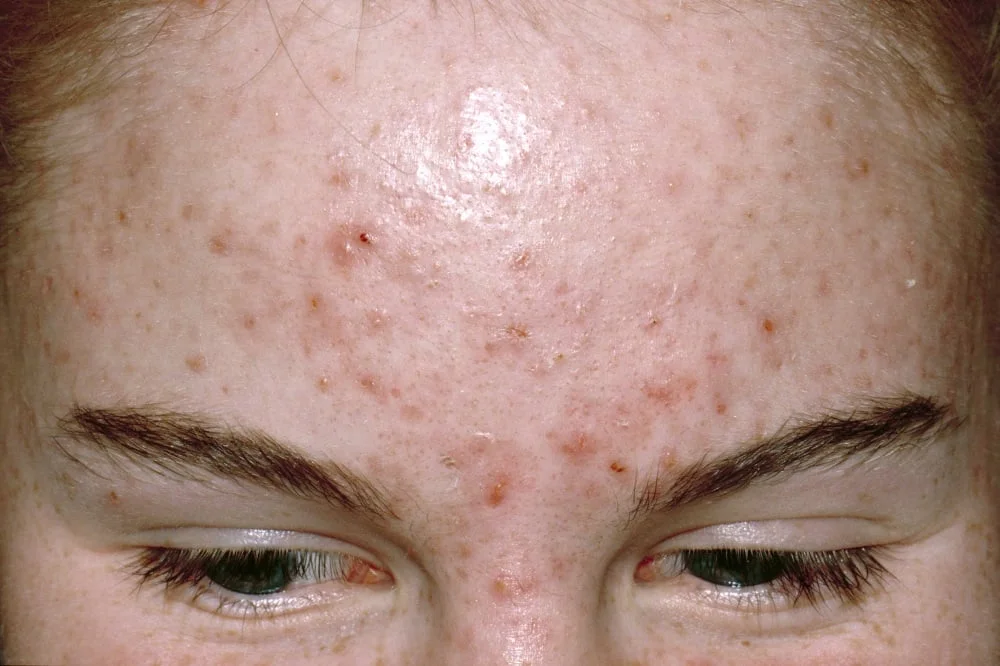
Acne that returns after isotretinoin is usually milder than before, especially compared to more severe cases discussed in Accutane before and after scars. It may appear as small pimples, blackheads, or limited, inflamed lesions. Severe cystic acne is less common after treatment.
The distribution may also change. Many patients notice breakouts concentrated in specific areas, such as the lower face. This pattern often reflects hormonal influence.
What To Do If Acne Comes Back After Accutane
When acne returns, treatment depends on severity and underlying cause. Mild cases often respond to topical treatments and consistent skincare. More persistent cases may need additional therapy.
Topical Treatments
Topical retinoid therapy is often used after isotretinoin. These treatments help keep pores clear and reduce inflammation. They are a common part of post accutane care.
Other options include benzoyl peroxide or combination therapies. These approaches target bacteria and prevent new lesions. They are effective for mild to moderate acne.
Hormonal And Oral Medications
Hormonal treatments can help patients with androgen-driven acne. Options may include a birth control pill or medications that reduce androgen effects. These treatments are often used in female patients.
Oral antibiotics may also be used in some cases. They help reduce inflammation and bacterial activity. These treatments are usually short-term and combined with topical therapy.
When Another Course Is Needed
Some patients benefit from a second course of isotretinoin treatment. This is considered when acne is persistent or significantly affects quality of life. The second course is often shorter and adjusted based on prior response.
There is no strict limit on the number of courses. The decision depends on individual factors, including side effects and treatment goals. Careful evaluation guides this choice.
How To Prevent Acne From Returning
Preventing relapse focuses on both treatment and maintenance. Achieving the right cumulative dose is one of the most important factors. Higher doses within safe limits are linked to better long-term outcomes.
Reaching Target Dose
The total dose over time influences how well accutane work. A higher cumulative dose reduces the chance of relapse. This is balanced against potential side effects, which are explained in detail in the isotretinoin side effects.
Completing Full Treatment Duration
Continuing treatment beyond visible clearance helps stabilize results. Patients are often advised to remain clear for a period before stopping. This reduces the risk of early recurrence.
Maintenance Skincare After Treatment
Maintenance care plays a key role in long-term control. Using a topical retinoid can help prevent new breakouts. Consistent skincare supports treatment results.
Small Breakouts After Accutane
Small breakouts after treatment are common and do not always indicate relapse. These may appear as occasional pimples or mild congestion. They often respond well to simple treatments.
Understanding this difference helps reduce unnecessary concern. Mild breakouts can be part of normal skin behavior. They do not always require aggressive therapy.
When To See A Dermatologist

Medical evaluation is important if acne becomes persistent or severe. Signs such as scarring, pain, or widespread lesions may require treatment. Early care can prevent complications, and some patients explore options like starting treatment after proper evaluation.
Patients should also seek evaluation if they are unsure about their diagnosis. Conditions that mimic acne require different management. Accurate assessment supports effective care.
What Accutane Cannot Guarantee
Isotretinoin is one of the most effective acne treatments available, with outcomes supported by data on the Accutane success rate. However, it does not guarantee permanent clearance for every patient. Long-term outcomes vary based on individual factors.
Understanding these limits helps patients make informed decisions. The goal is long-term control, not a guaranteed cure. This perspective supports realistic expectations.
Common Misconceptions About Relapse
A common belief is that isotretinoin always provides a permanent cure. In reality, acne can return, especially when hormonal or genetic factors remain active. This does not mean the treatment failed.
Another misconception is that recurrence will be as severe as before. In most cases, acne is milder and easier to manage. This reflects the lasting effects of treatment.