
Acne is treated with benzoyl peroxide, salicylic acid, or topical medications like retinoids. Severe acne may need antibiotics or stronger dermatology drugs for short-term or long-term use.
Psoriasis treatments often need more than creams. FDA-approved biologics calm the immune system and lower flare-ups. Mild cases use topical corticosteroids or vitamin D creams.
Rosacea is treated with prescription creams that reduce redness. Oral antibiotics or topical calcineurin inhibitors may be used for stronger care.
Eczema is often treated with topical corticosteroids. If these do not work, topical calcineurin inhibitors may be given. Moisturizers and short-term pills can also help.
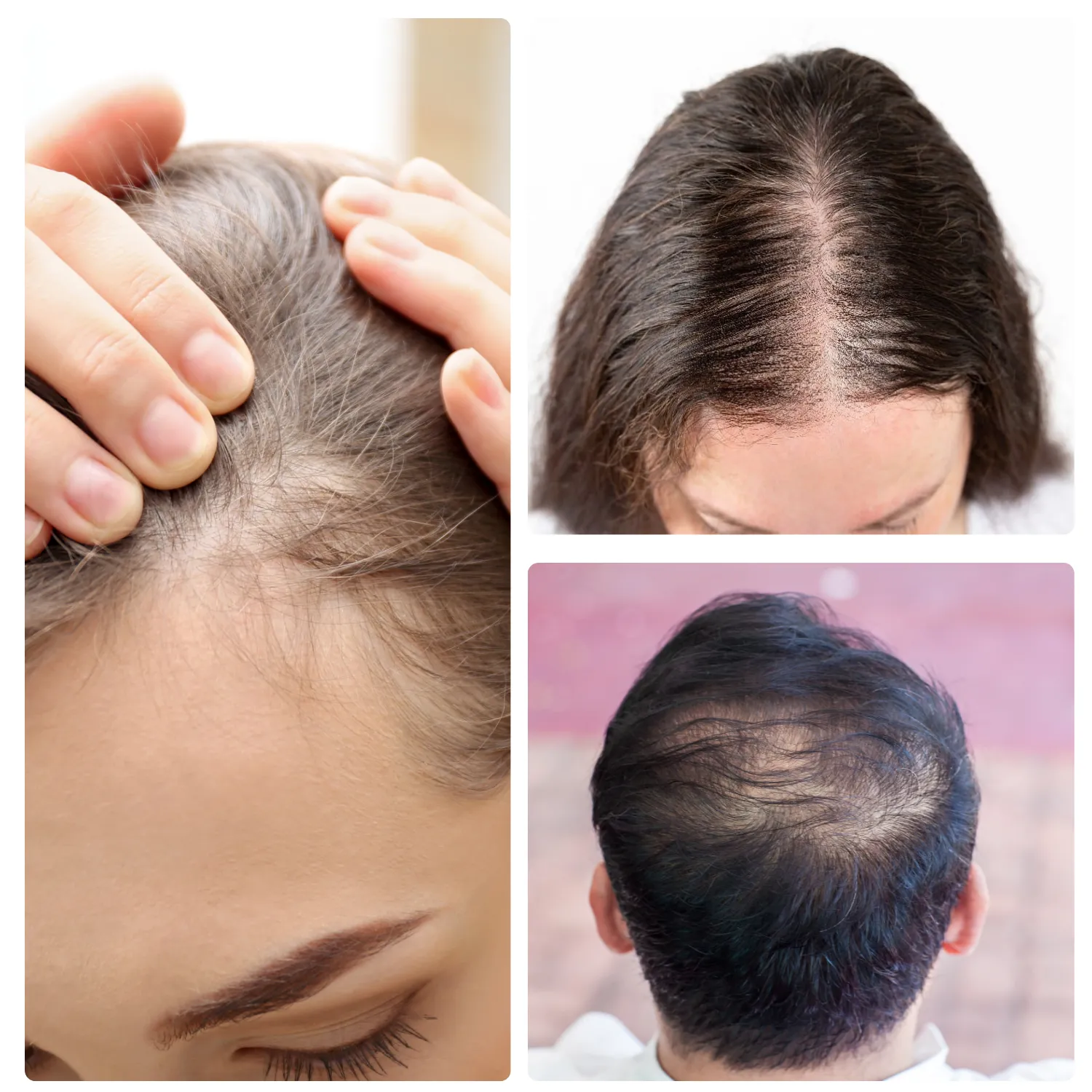
Hair loss is treated with derma medication such as topical minoxidil or oral finasteride. Newer drugs may be used if these fail.

Dermatology medications can cause common side effects like skin irritation, dryness, or redness. More serious adverse effects include allergic reactions, immune system changes, or internal problems that need medical care.
See a dermatologist if counter products fail or if side effects appear. Expert care ensures safe treatment and lowers risks. Get your Treatment with one of our doctors.
Topical treatments are often low-cost. Biologics are more expensive. Insurance may cover FDA-approved dermatology drugs, but patients should check their plan.
With DermOnDemand, patients fill out a short form and get a plan within 24 hours. This gives fast, private access to dermatology creams and prescription drugs.