doxycycline for acne
Acne Treatments
doxycycline for acne
Acne Treatments

Doxycycline

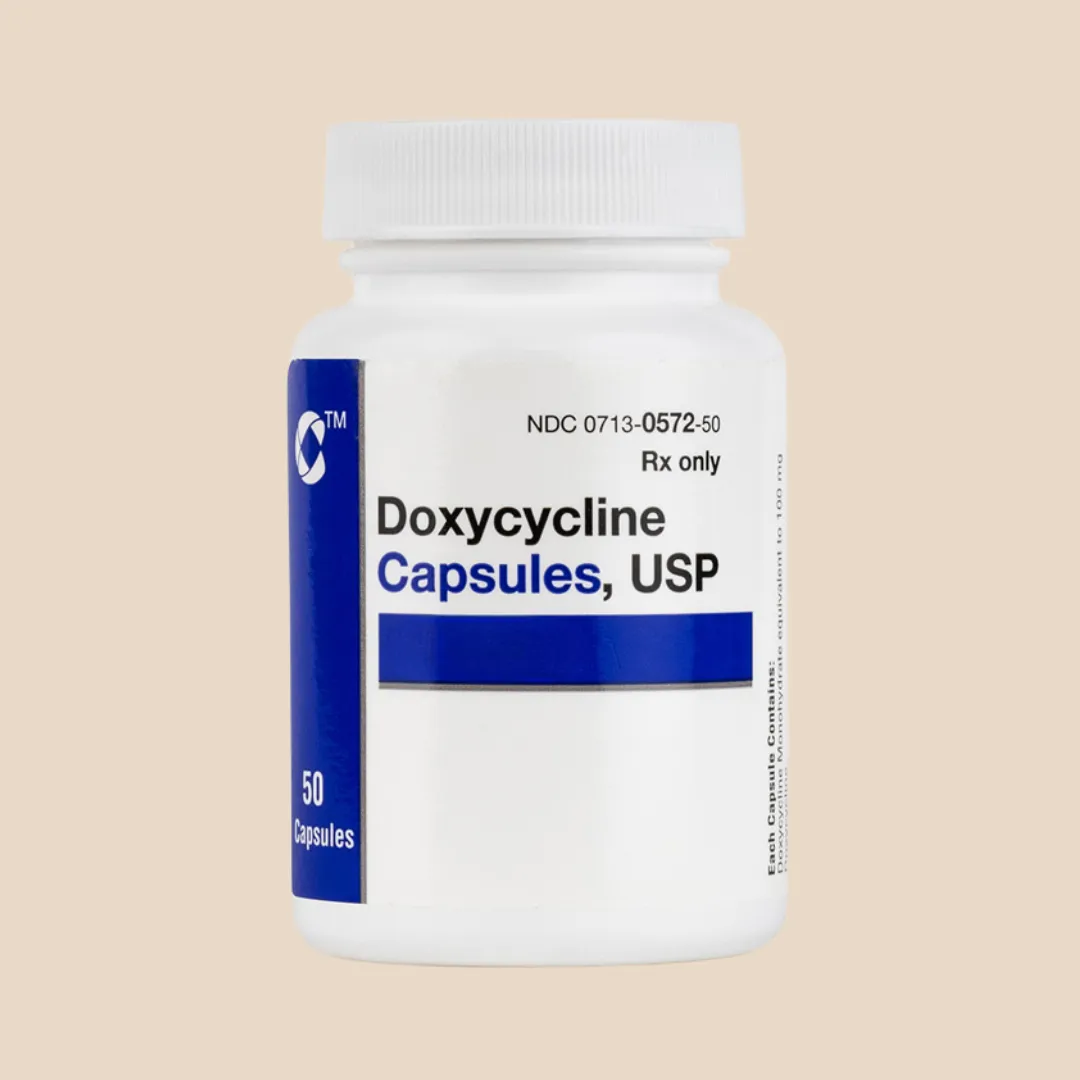
Use Doxycycline (oral antibiotic) as prescribed to help treat moderate to severe inflammatory acne by reducing acne-causing bacteria and calming skin inflammation.
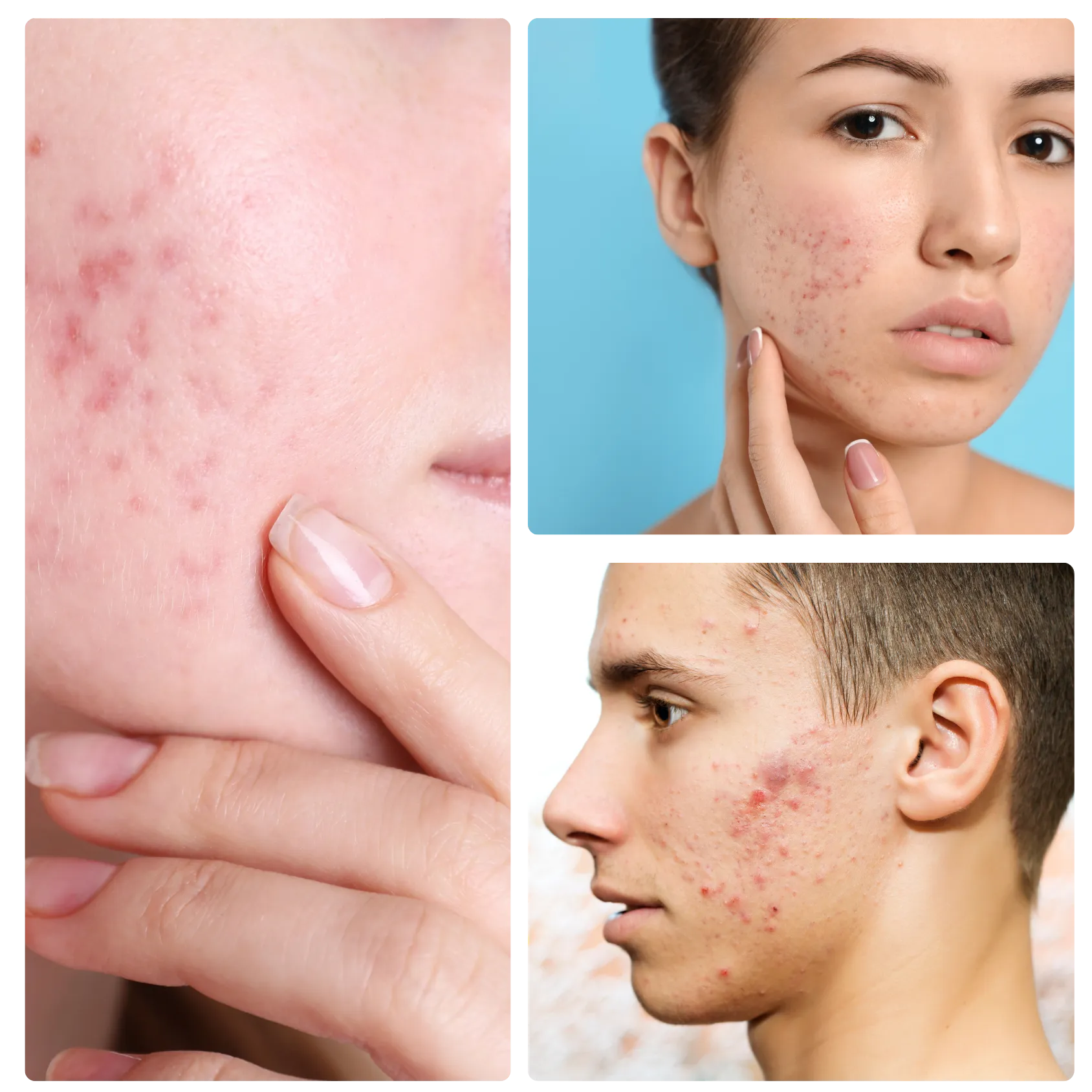
Doxycycline is an oral antibiotic that helps treat moderate to severe acne by reducing acne- causing bacteria (Propionibacterium acnes) and inflammation in the skin. It is particularly effective for inflamed lesions like pustules, nodules, and cysts.
Doxycycline is suitable for individuals with moderate to severe acne that has not responded to topical treatments alone. It is often prescribed as part of combination therapy with retinoids or benzoyl peroxide for optimal results.
Results typically begin to appear within 6–8 weeks of consistent use, but full benefits may take 3–6 months. Long-term control often requires transitioning to a maintenance regimen.
Doxycycline is prescribed for adolescents and adults with inflammatory acne and is typically used for short-term treatment. It is not recommended during pregnancy or for young children, and patients should follow clinician guidance to minimize side effects and antibiotic resistance. See pricing details here.

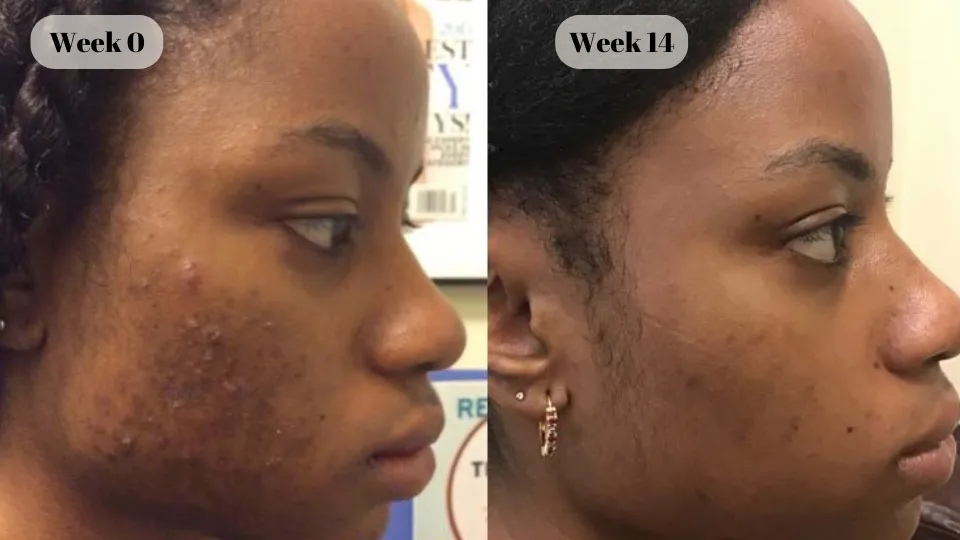
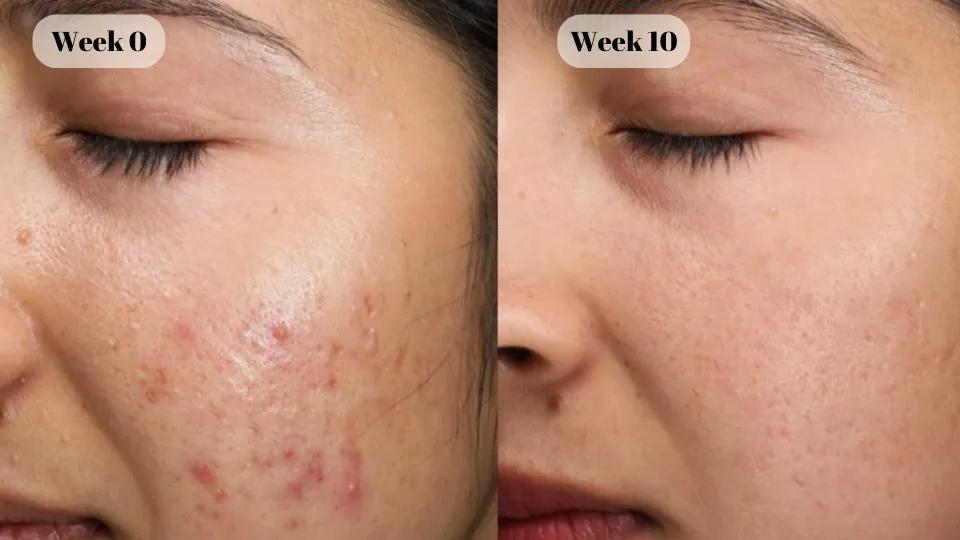
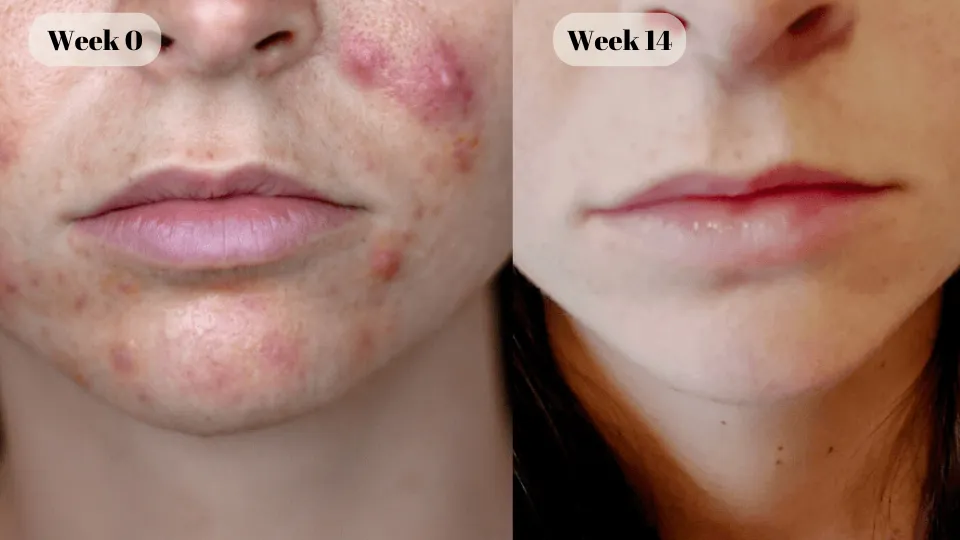
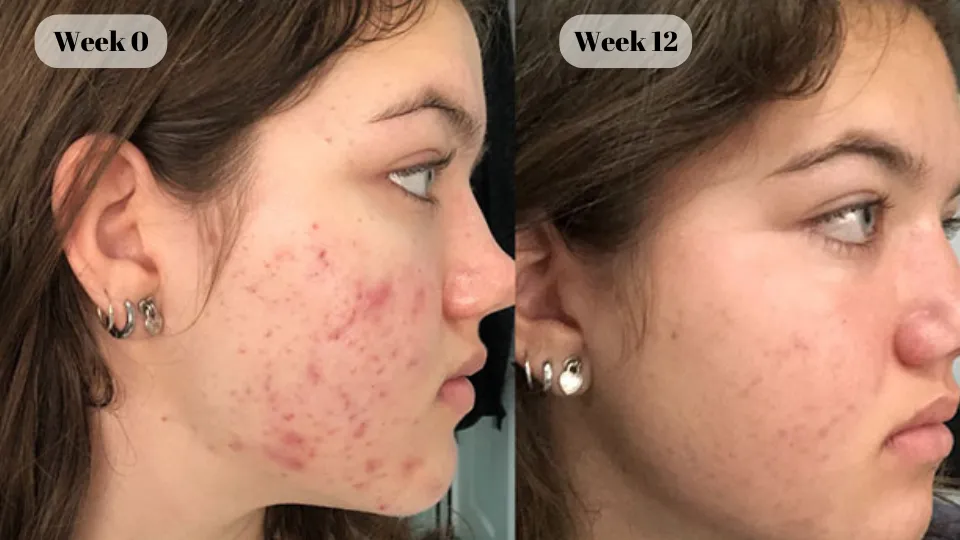
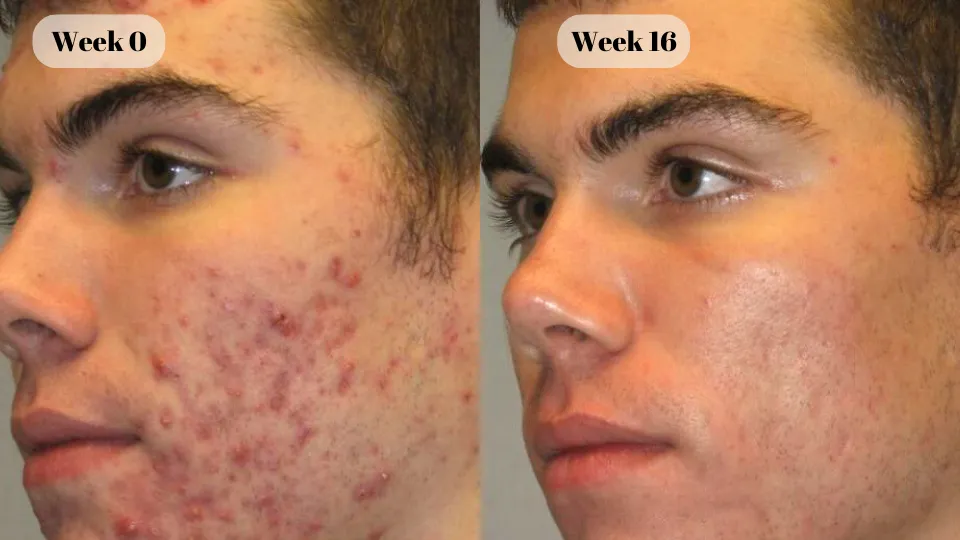
Real patients, real results

How effective is doxycycline

70–85%

reduction in inflammatory acne lesions has been reported when doxycycline is used as part of a supervised acne treatment plan.*
Clinical studies show that Doxycycline effectively reduces acne-causing bacteria and inflammation, leading to fewer breakouts and improved skin clarity, especially when combined with topical treatments.
*In clinical studies, patients treated with doxycycline saw significant improvement in acne severity within 6–12 weeks compared to placebo or topical therapy alone.
Doxycycline should be taken only as prescribed and for the recommended duration. For more details, see Important Safety Information.

How DermOnDemand Works

Common Question

Common side effects include stomach upset, nausea, and increased sensitivity to sunlight (photosensitivity). Taking the medication with food and avoiding excessive sun exposure can help minimize these effects.
Doxycycline is generally prescribed for short-term use (3–6 months) to manage active acne. Long-term use is avoided due to the risk of antibiotic resistance, with patients typically transitioning to topical treatments or oral retinoids for maintenance.
Yes, Doxycycline should not be taken with dairy products, calcium, or iron supplements, as these can interfere with its absorption. It is best taken with a full glass of water to reduce the risk of stomach irritation.
Yes, Doxycycline is often combined with topical treatments like benzoyl peroxide or retinoids to target acne from multiple angles and prevent antibiotic resistance.
Doxycycline is most effective for inflammatory acne, such as papules, pustules, and cysts. It is less effective for non-inflammatory acne, like blackheads and whiteheads, which are better treated with topical retinoids.

Yes, Doxycycline is frequently prescribed to teenagers with moderate to severe acne. Your doctor will ensure it is appropriate based on the patient’s age and medical history.

If Doxycycline is discontinued too early, acne may return. To maintain results, it is often followed by topical treatments or other maintenance therapies.
Severe side effects, such as esophageal irritation, allergic reactions, or photosensitivity rashes, are rare. Contact your doctor if you experience difficulty swallowing, severe headaches, or unusual skin reactions.
Yes, Doxycycline increases your skin’s sensitivity to the sun, making sunscreen, protective clothing, and avoiding peak sunlight hours essential during treatment.