Doxy
Rosacea treatment
Doxy
Rosacea treatment

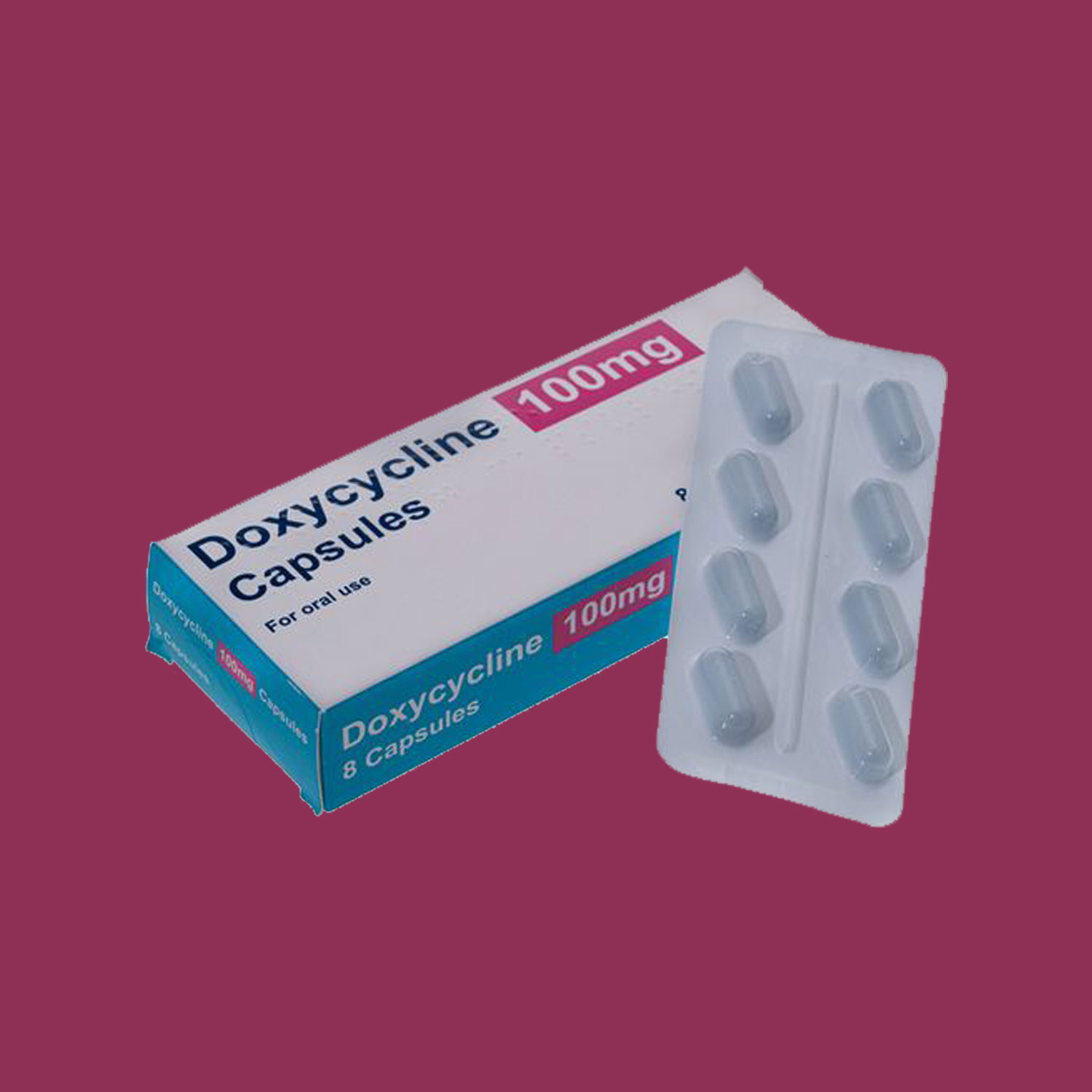
Doxycycline

Use Doxycycline (oral antibiotic with anti-inflammatory effects) as prescribed to help treat moderate to severe rosacea, particularly inflammatory bumps and pustules, by reducing inflammation and suppressing rosacea-related flare activity.
Doxycycline is an oral antibiotic that reduces inflammation and bacterial activity, helping to manage papules, pustules, and redness associated with rosacea. It is typically prescribed at low, anti-inflammatory doses for this condition.
Improvement is usually noticeable within 4–6 weeks, with more significant benefits after 12 weeks of treatment.
Doxycycline is prescribed for individuals with moderate to severe rosacea, particularly those with inflammatory lesions that are not adequately managed with topical treatments alone.
Doxycycline is prescribed for adults with moderate to severe rosacea, often when topical treatments alone are not sufficient. It is typically used at low or sub-antimicrobial doses for rosacea and should be taken under clinician supervision. See pricing details here.

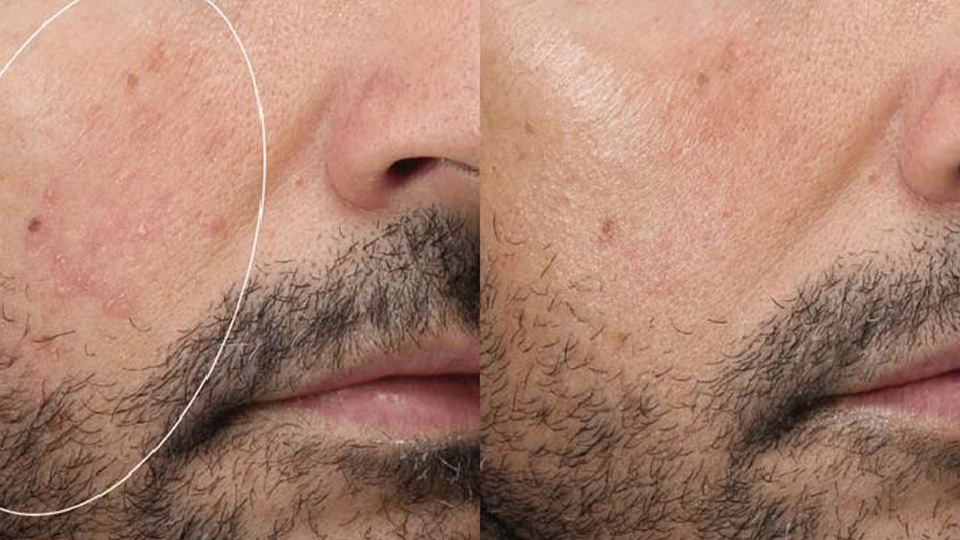
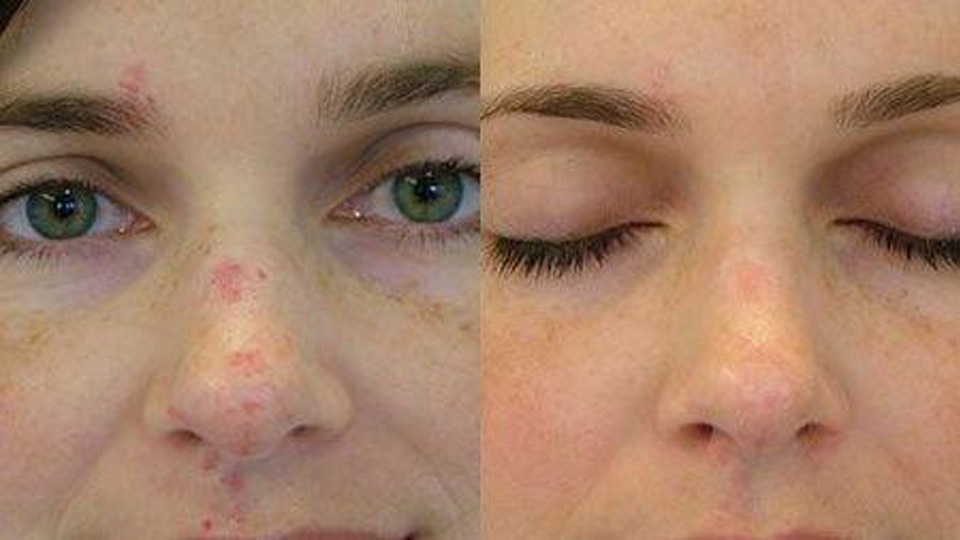
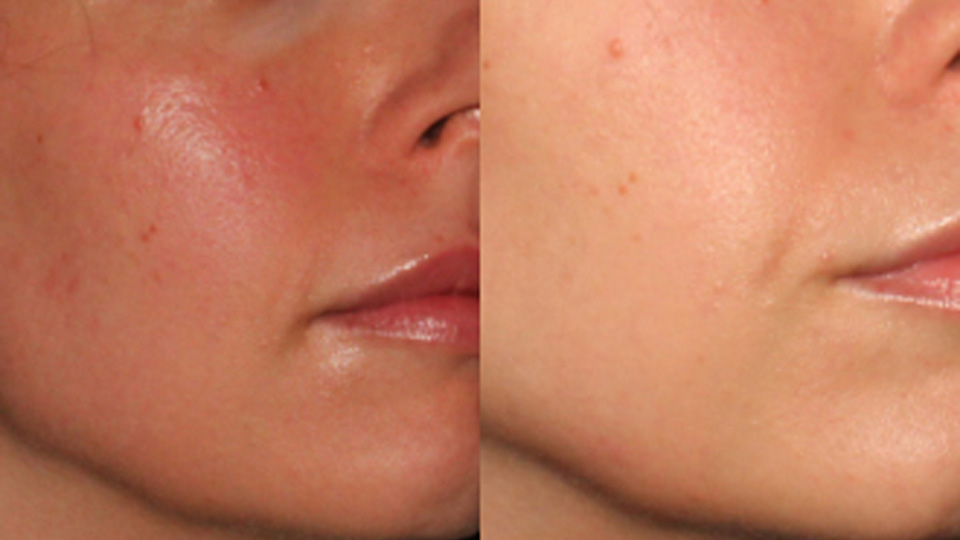
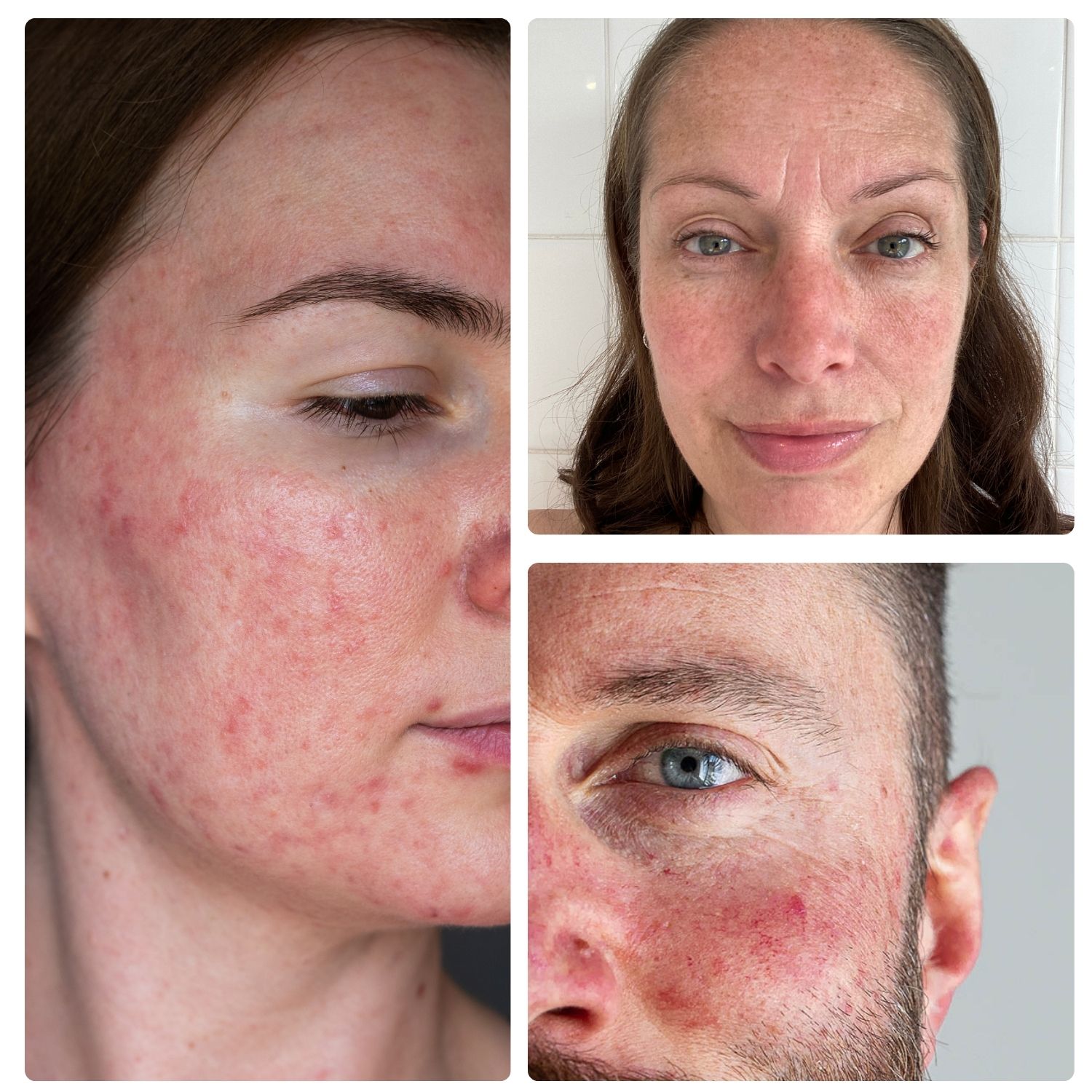
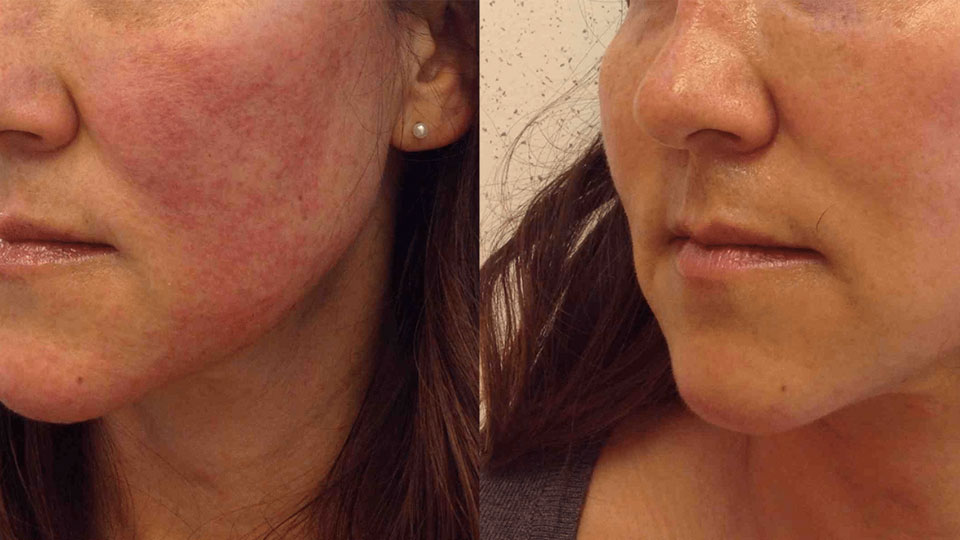
Real patients, real results

How effective is Doxycycline

Clinically proven results

Significant reduction in inflammatory rosacea lesions with improved symptom control over time.*
Clinical studies show that Doxycycline effectively reduces rosacea inflammation and flare frequency, helping calm redness and improve skin appearance when used as part of a comprehensive treatment plan.
*In clinical studies, patients using doxycycline for rosacea experienced noticeable improvement in inflammatory lesions within 6–12 weeks compared to placebo.
Doxycycline should be taken only as prescribed. For more details, see Important Safety Information.

How DermOnDemand Works

Common Question

Common side effects include stomach upset, nausea, and increased sensitivity to sunlight. Taking the medication with food and avoiding excessive sun exposure can help reduce these risks.
Yes, low-dose Doxycycline (sub-antimicrobial dose) is often used long-term to manage rosacea without the risks associated with prolonged antibiotic use.
Yes, it is commonly paired with topical medications like Metronidazole or Ivermectin for more comprehensive rosacea management.