minocycline
Acne Treatments
minocycline
Acne Treatments

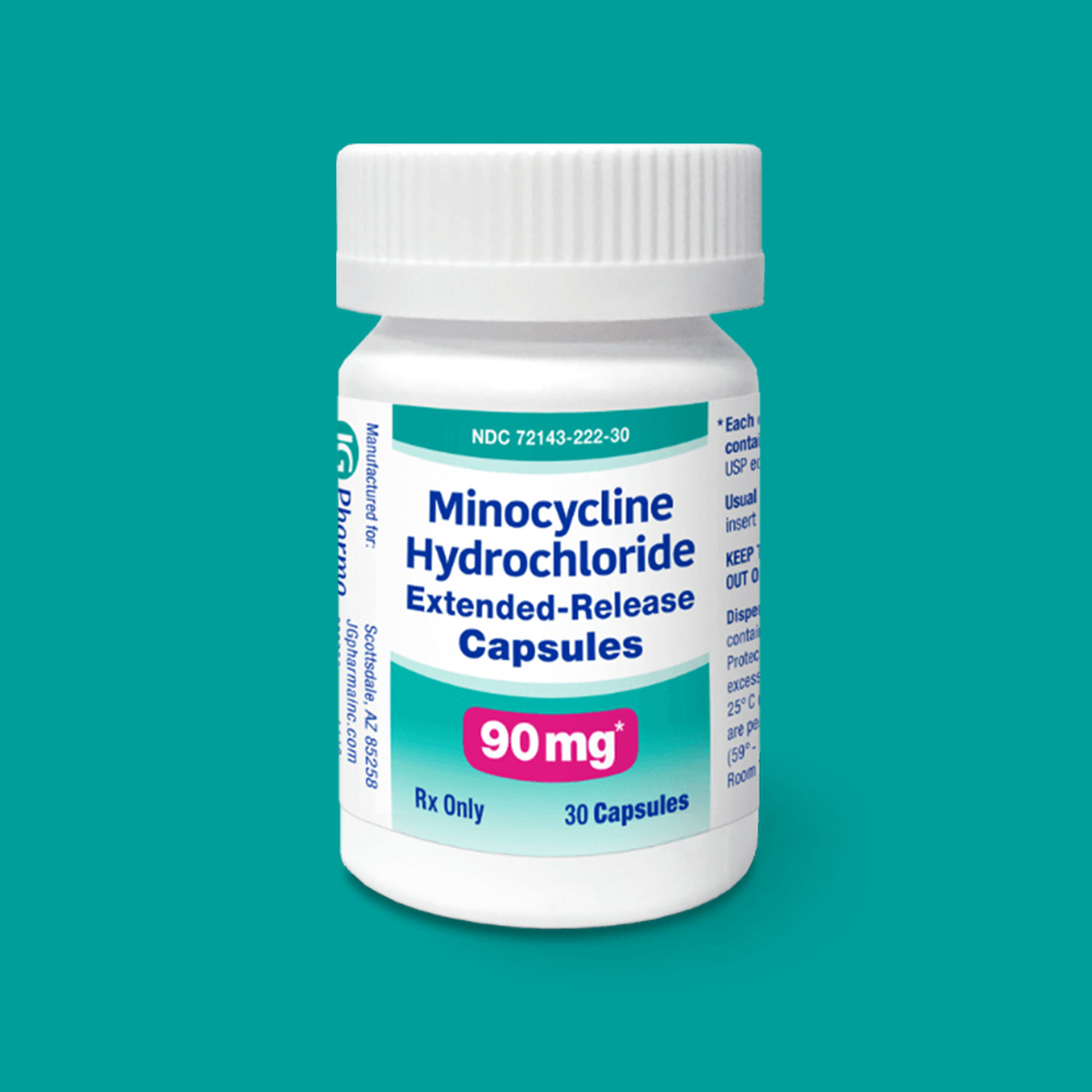
Minocycline

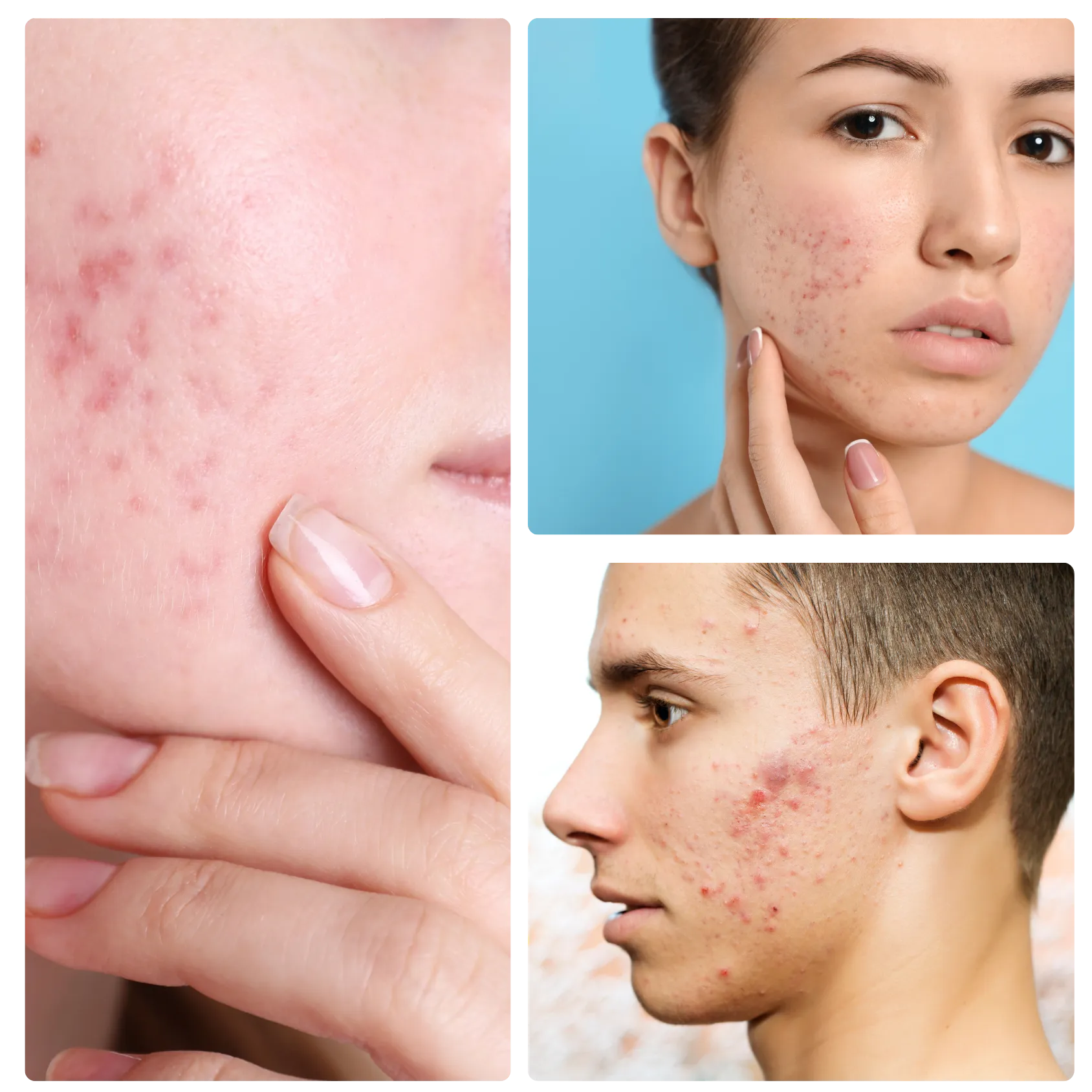
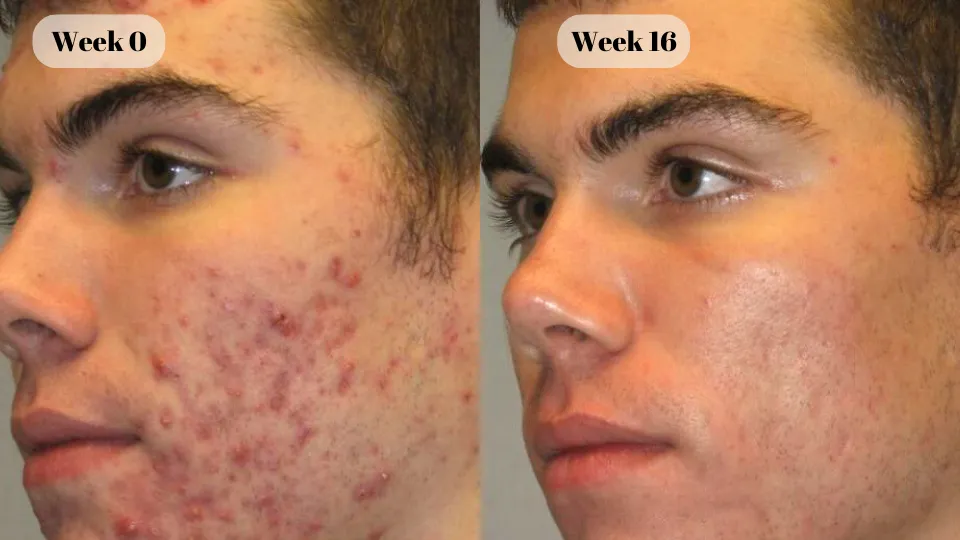
Use Minocycline (oral antibiotic) as prescribed to help treat moderate to severe inflammatory acne by reducing acne-causing bacteria and decreasing skin inflammation.
Minocycline is an oral antibiotic that reduces acne-causing bacteria and inflammation. It is especially effective for moderate to severe inflammatory acne, including nodules and cysts.
Minocycline is prescribed for individuals with moderate to severe acne that has not responded well to topical treatments or milder oral antibiotics like tetracycline. It is often used as part of a combination therapy with topical retinoids or benzoyl peroxide.
Improvement can be seen within 6–8 weeks of consistent use, but maximum results may take 3–6 months.
Minocycline is prescribed for adolescents and adults with inflammatory acne and is typically used for short-term treatment. It is not recommended during pregnancy or for young children, and patients should follow clinician guidance to reduce the risk of side effects and antibiotic resistance. See pricing details here.

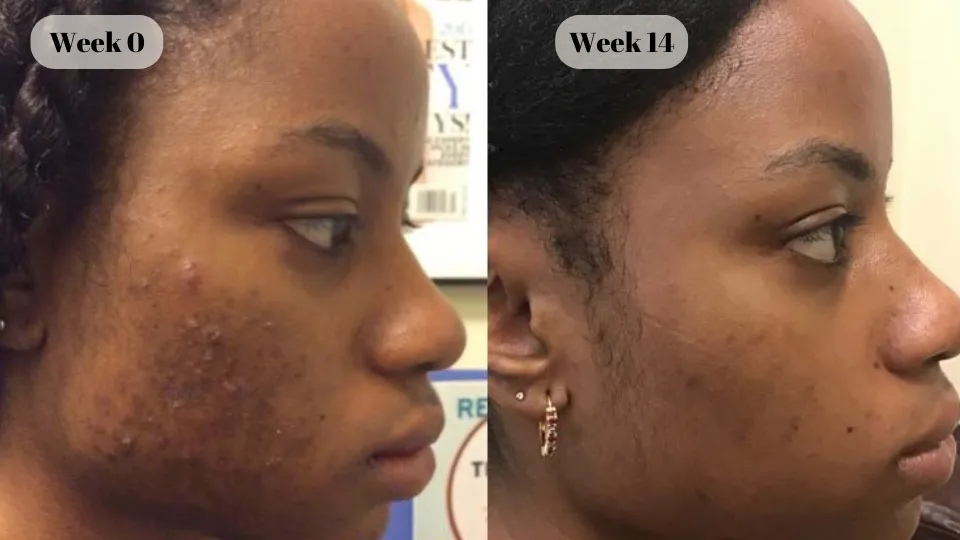
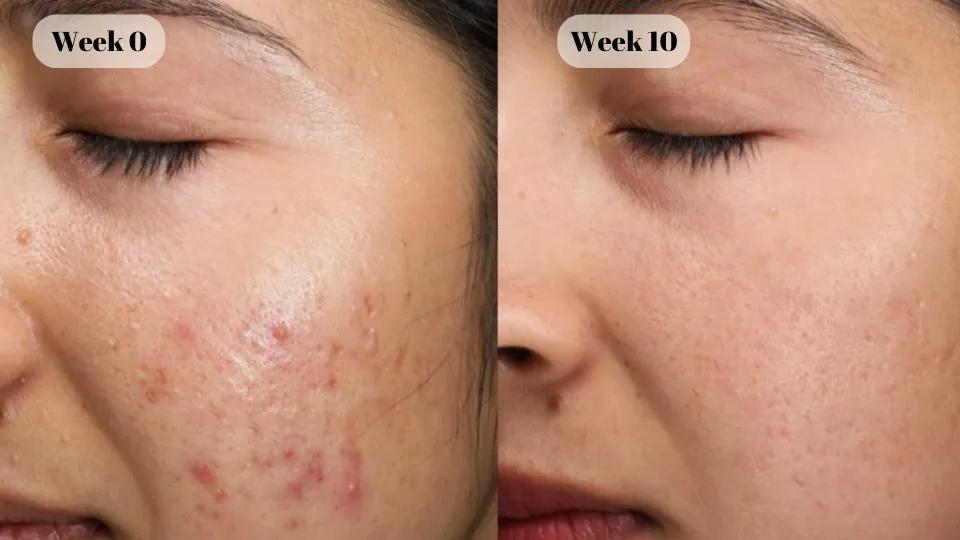
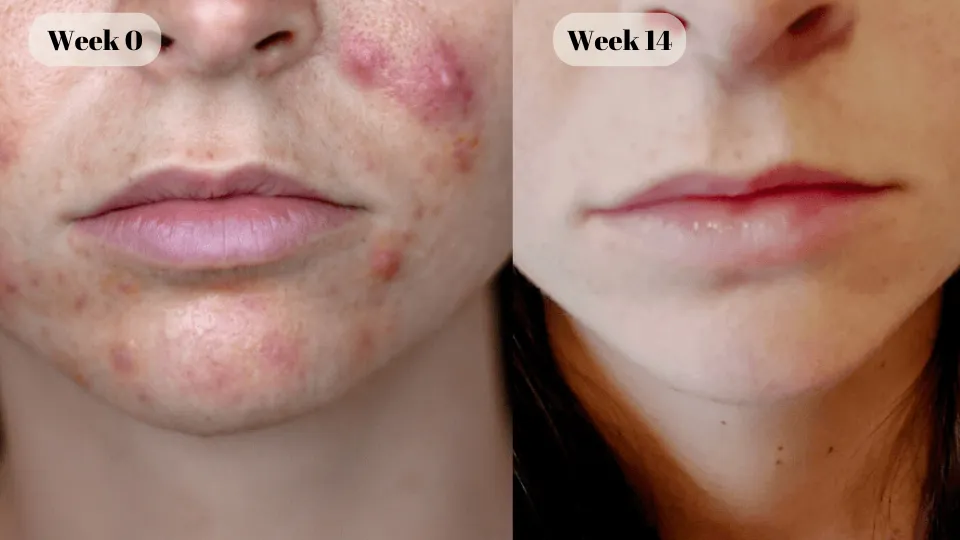
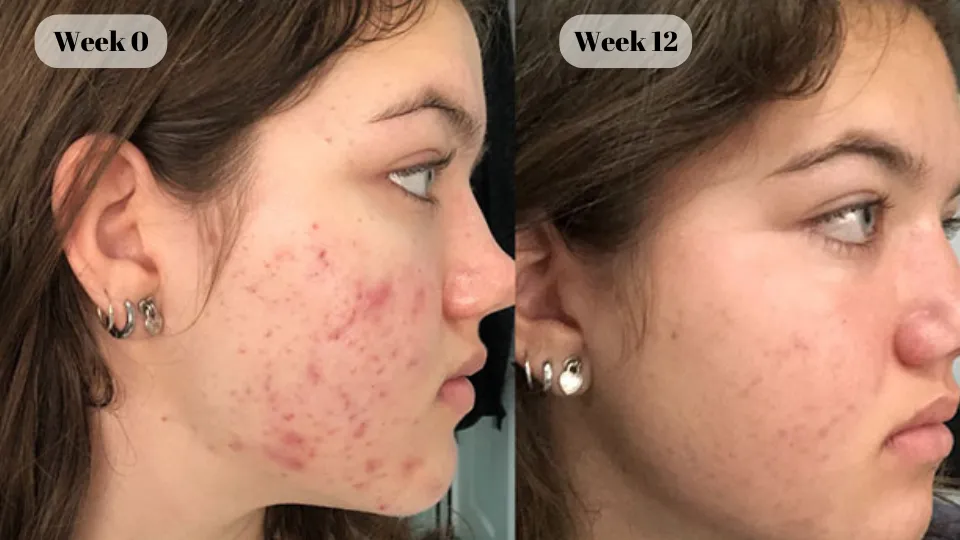
Real patients, real results

How effective is minocycline

70–85%

reduction in inflammatory acne lesions has been reported with consistent minocycline use as part of a supervised treatment plan.*
Clinical studies indicate that Minocycline effectively reduces acne inflammation and bacterial activity, helping improve skin clarity and reduce active breakouts, particularly in moderate to severe cases.
*In clinical studies, patients using minocycline experienced noticeable improvement in acne severity within 6–12 weeks compared to placebo or topical therapy alone.
Minocycline should be taken only as prescribed and for the recommended duration. For more information, see Important Safety Information.

How DermOnDemand Works

Common Question

Minocycline may cause dizziness, nausea, or skin discoloration in some individuals. Rarely, it can lead to more serious side effects, such as autoimmune reactions or hypersensitivity syndromes, which require immediate medical attention.
Minocycline is generally used short-term (3–6 months) to control active acne. Prolonged use can increase the risk of antibiotic resistance, so it is typically followed by maintenance treatments.
Yes, Minocycline is often paired with topical treatments like benzoyl peroxide or retinoids to enhance efficacy and reduce the risk of resistance.
Yes, Minocycline is commonly prescribed to teenagers with moderate to severe inflammatory acne. Your dermatologist will assess its suitability based on the individual’s medical history and skin condition.
Compared to Doxycycline, Minocycline has a lower risk of photosensitivity, but wearing sunscreen and avoiding prolonged sun exposure are still recommended.