Retanoid
melasma treatments
Retanoid
melasma treatments

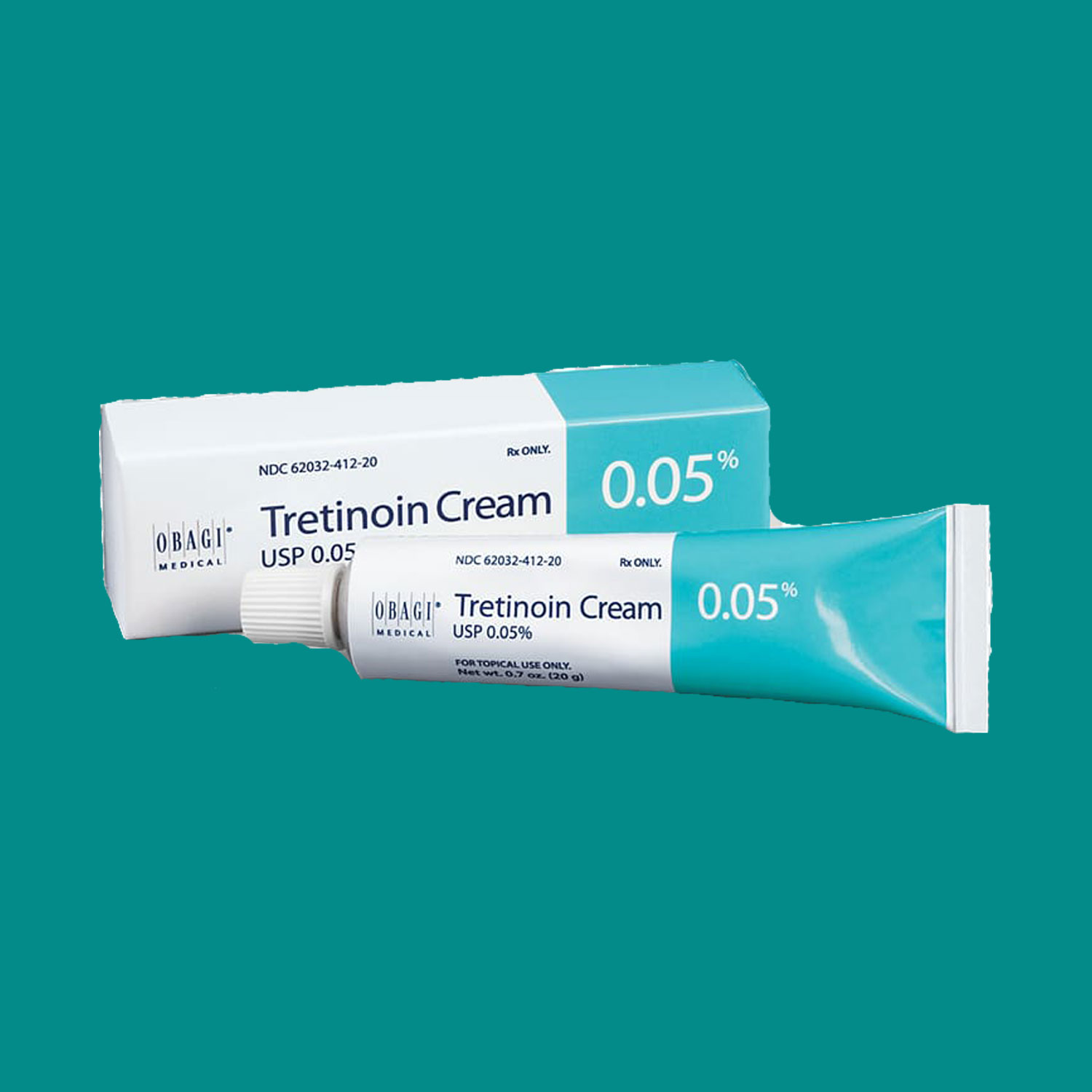
Retinoid (Tretinoin)

Use topical retinoids as prescribed to help treat melasma and uneven skin tone by increasing skin cell turnover, dispersing excess pigment, and improving overall skin texture.
Retinoids, such as Tretinoin, are vitamin A derivatives that increase skin cell turnover. This process helps fade dark spots, improve skin texture, and enhance the effectiveness of other pigmentation treatments like Hydroquinone.
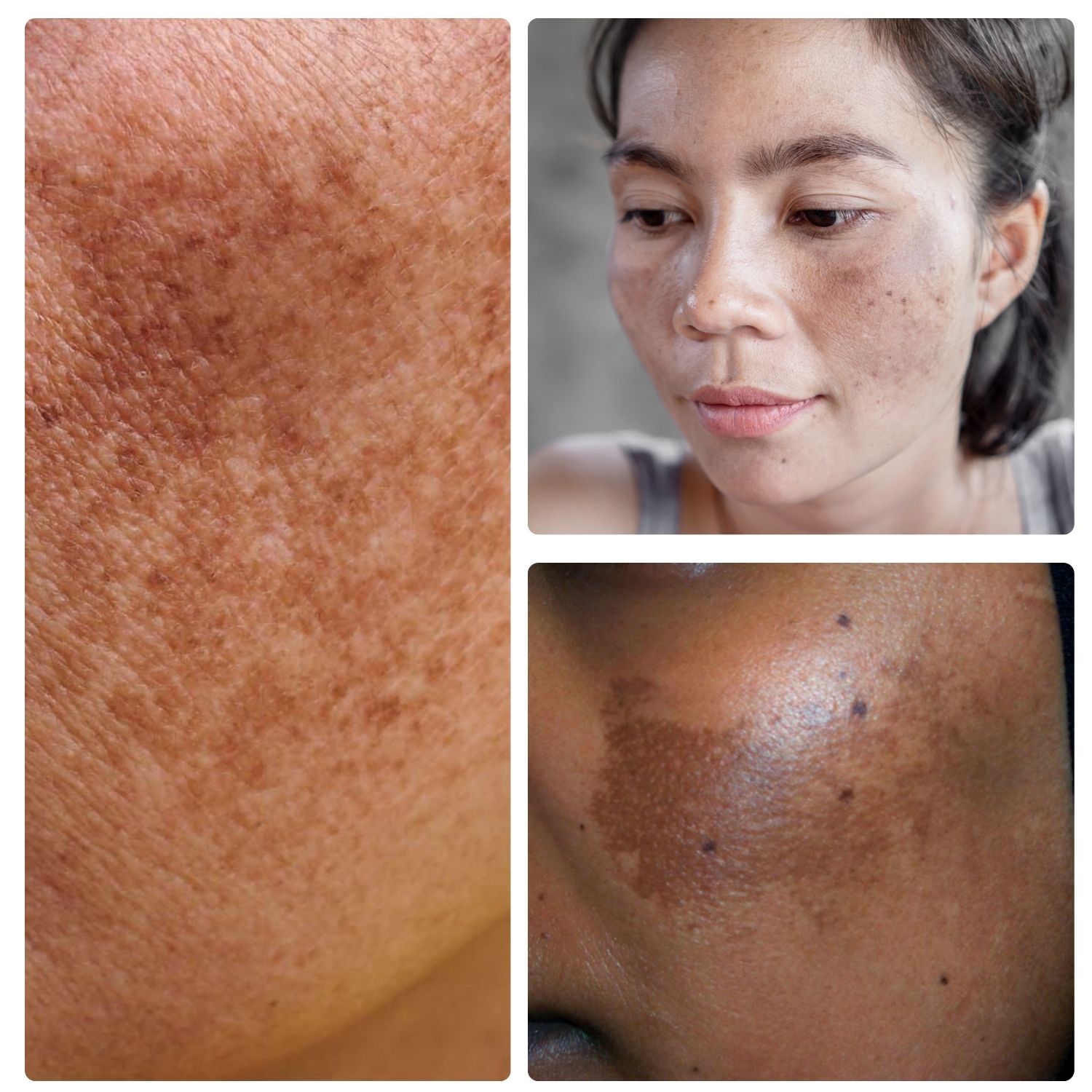
Retinoids are suitable for individuals with hyperpigmentation, melasma, or uneven skin tone. People with sensitive skin should start with a lower concentration and gradually increase.
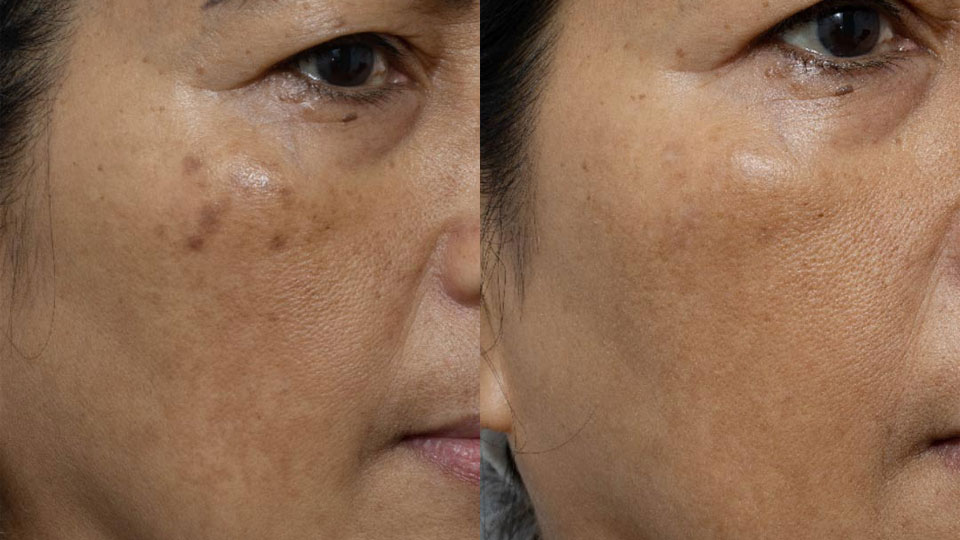
Improvements in pigmentation typically appear after 8–12 weeks, with more dramatic results after 3–6 months of consistent use.
Retinoids may be prescribed for adults with melasma or hyperpigmentation, often as part of a combination treatment plan. They should be used under clinician guidance, especially for individuals with sensitive skin or those new to retinoid therapy. Retinoids are not recommended during pregnancy. See pricing details here.

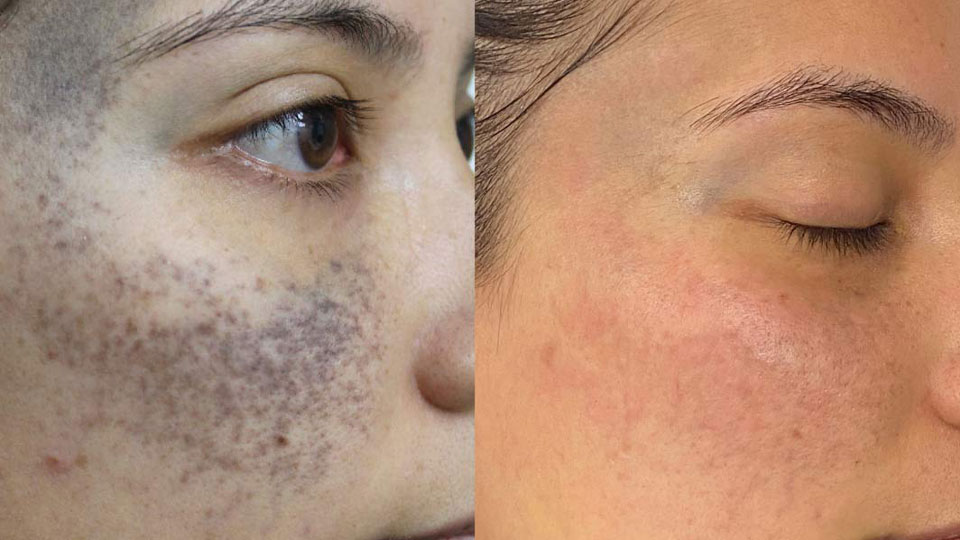
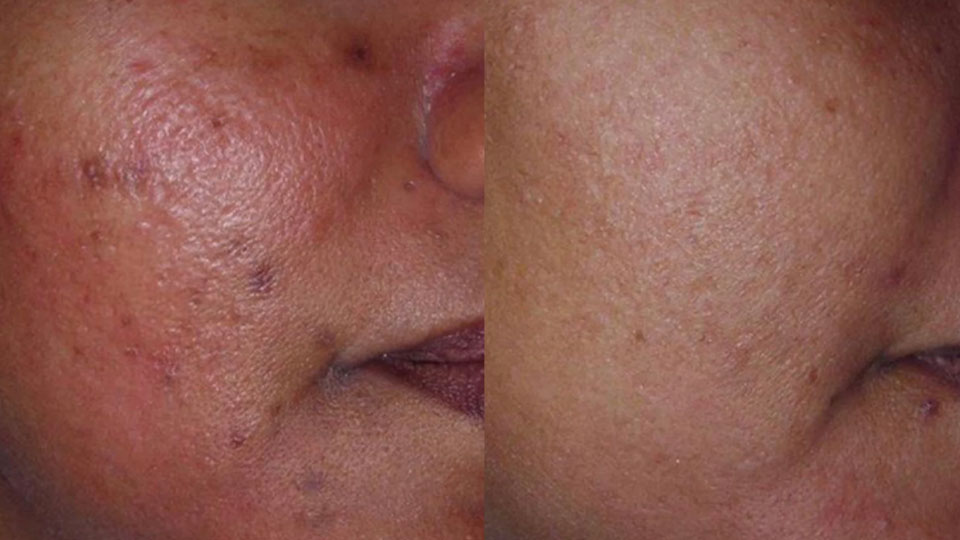
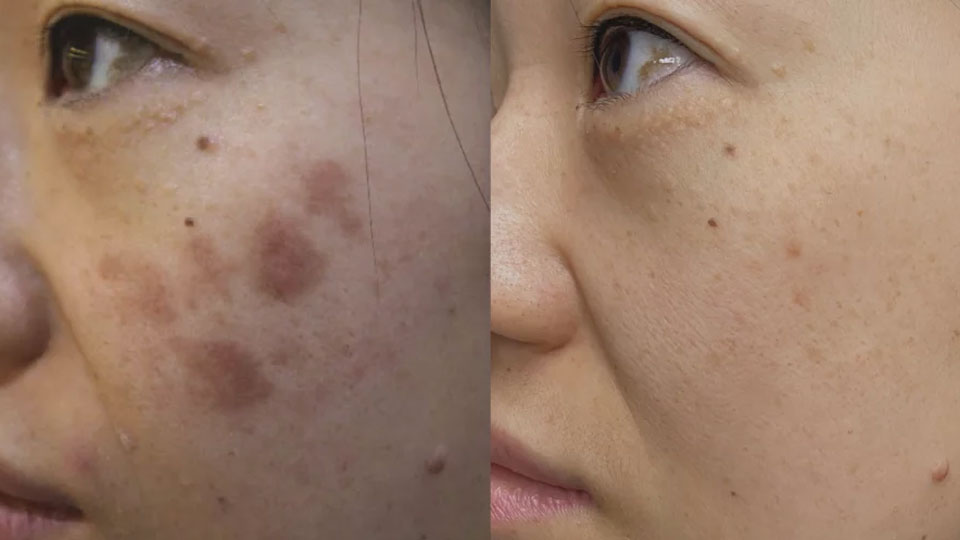
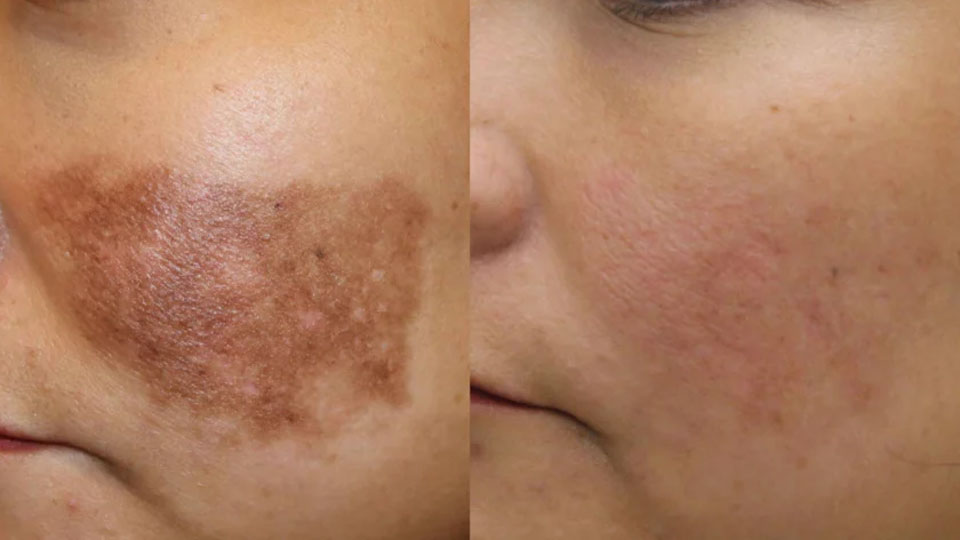
Real patients, real results

How effective are Retinoids

Clinically proven results

Gradual and sustained improvement in melasma and skin tone with consistent use.*
Clinical studies show that Retinoids enhance pigment fading and improve treatment response, particularly when combined with skin-lightening agents and daily sun protection.
*In clinical studies, patients using topical retinoids experienced visible improvement in melasma over 8–12 weeks, with continued benefits over time.
Retinoids should be used only as prescribed. For more details, see Important Safety Information.

How DermOnDemand Works

Common Question

Dryness, redness, and peeling are common during the first few weeks of use, but these symptoms usually resolve as the skin adjusts.

Retinoids are often started at 2–3 times per week and gradually increased to daily use as tolerated by the skin.
Yes, Retinoids increase photosensitivity, so sunscreen is essential to prevent further pigmentation or sun damage.