Tretinoin after Accutane
Acne Treatments
Tretinoin after Accutane
Acne Treatments

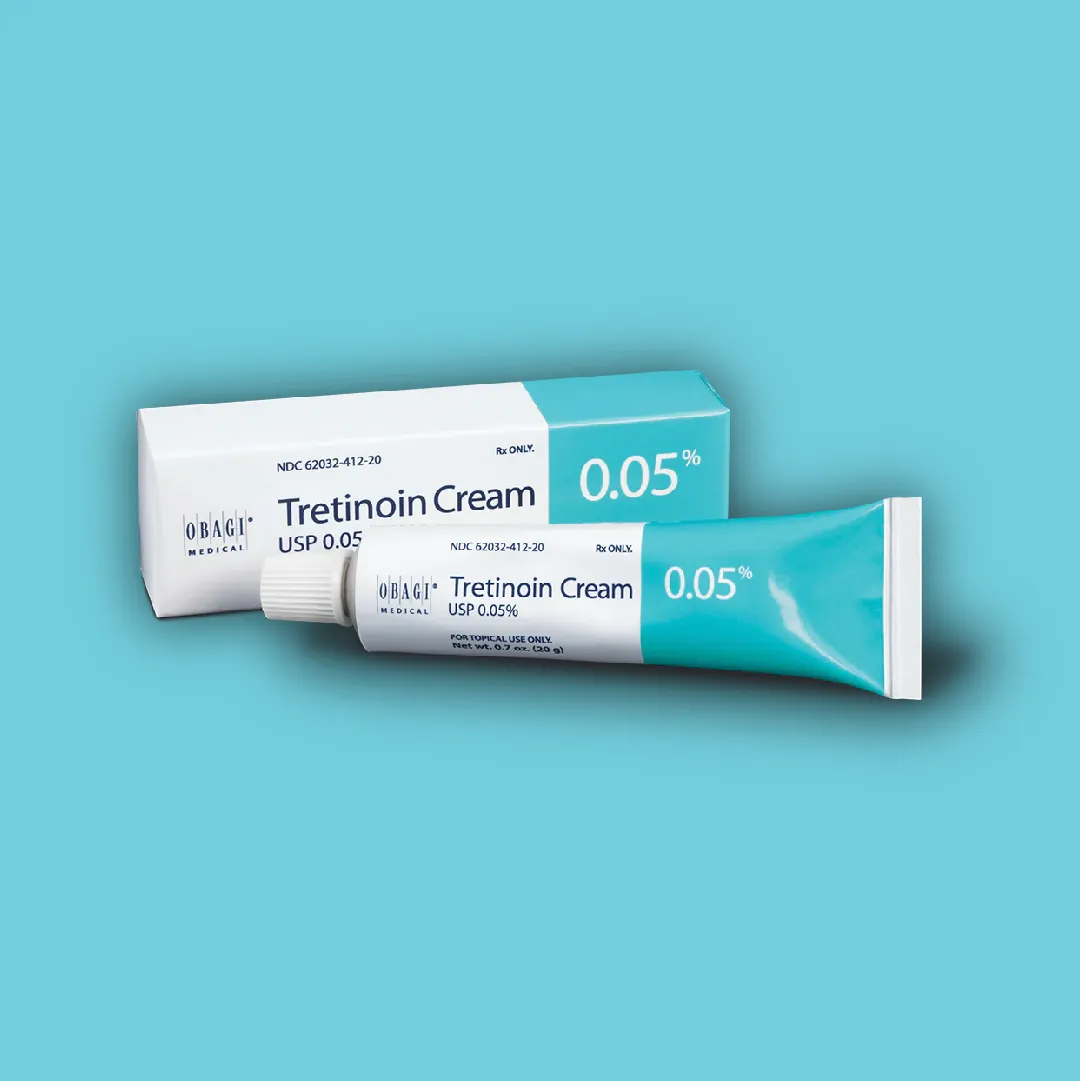
Tretinoin

Retin-A

Use Tretinoin (topical retinoid) as prescribed to increase skin cell turnover, help prevent clogged pores, and improve acne and overall skin texture.
Tretinoin is a topical retinoid derived from vitamin A. It works by increasing the turnover of skin cells, preventing the clogging of pores, and reducing inflammation. It also helps fade post-acne marks and improve overall skin texture, making it a cornerstone treatment for mild to moderate acne.
Visible improvements in acne typically appear after 6–12 weeks of consistent use. However, initial worsening of acne, known as "purging," is common as clogged pores are cleared. Continued use helps achieve and maintain clearer skin.
Yes, Tretinoin is often combined with benzoyl peroxide, topical antibiotics, or oral medications for comprehensive acne management. However, care must be taken to avoid irritation from excessive layering of active ingredients.
Tretinoin is for topical skin use only and not meant for oral intake. Avoid using it on broken or irritated skin, and consult your clinician if pregnant or planning pregnancy about risks and proper use. See pricing details here.

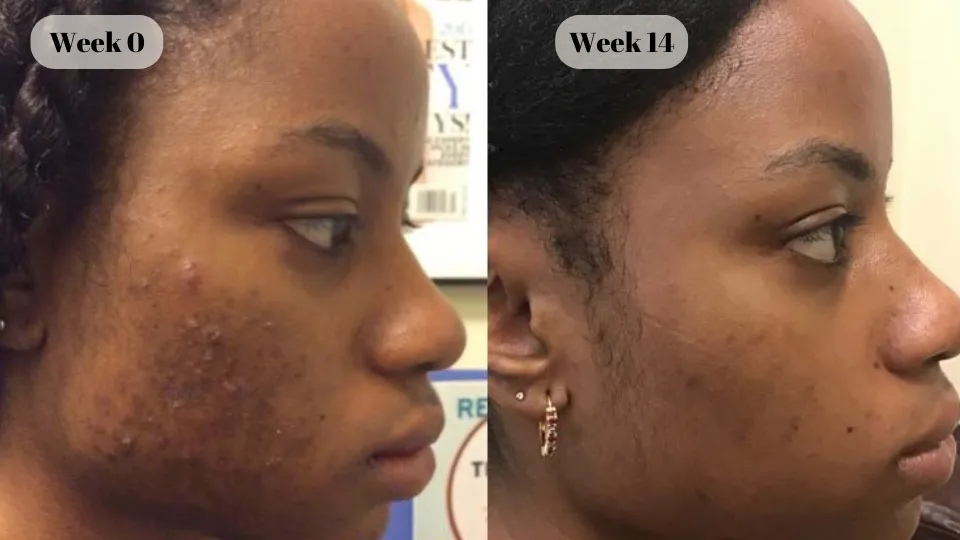
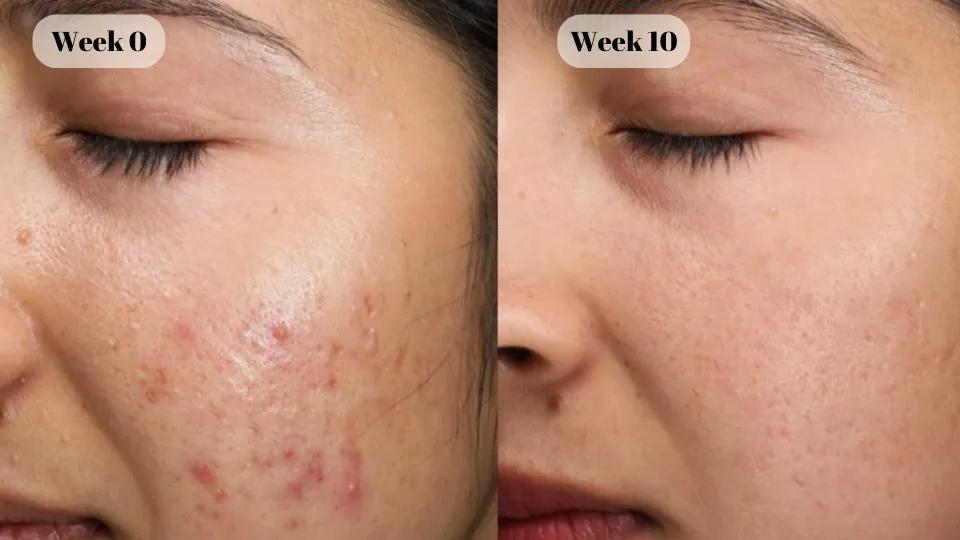
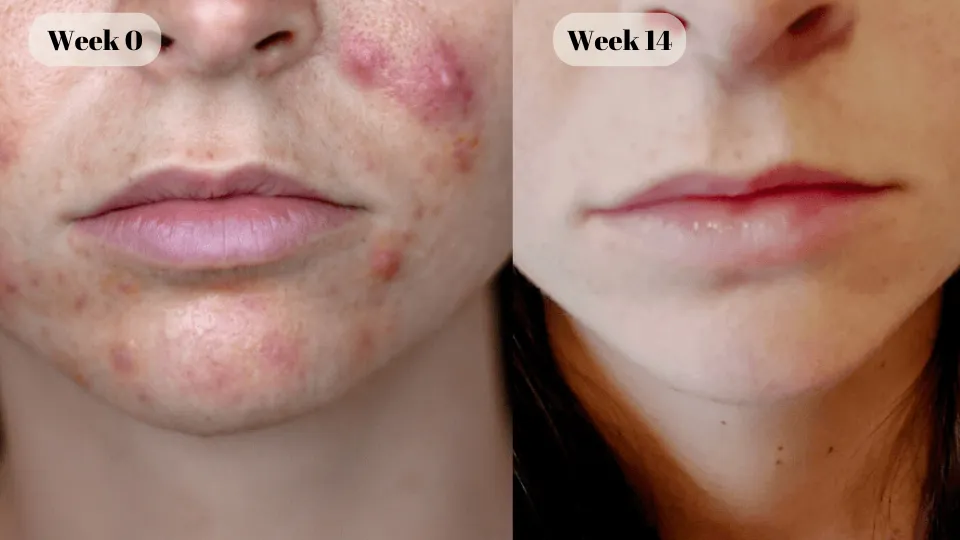
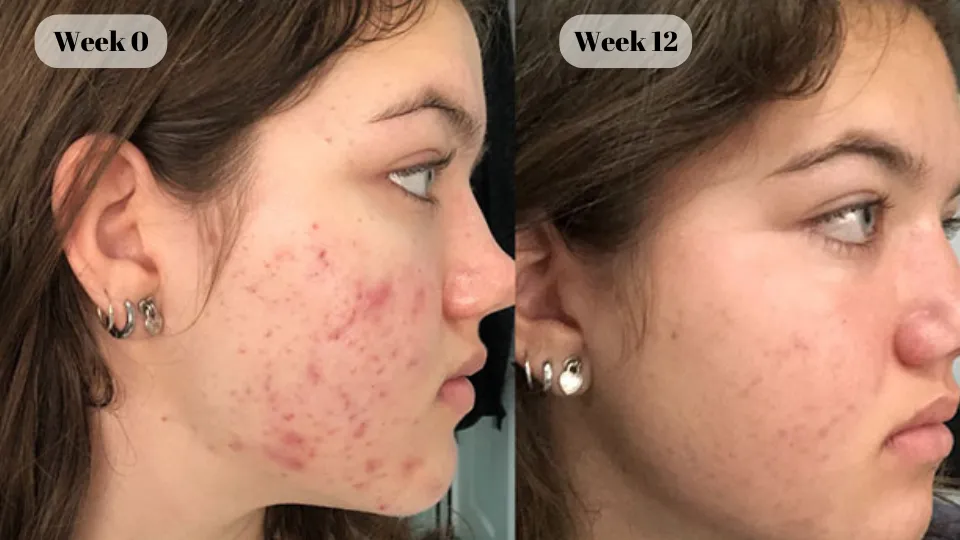
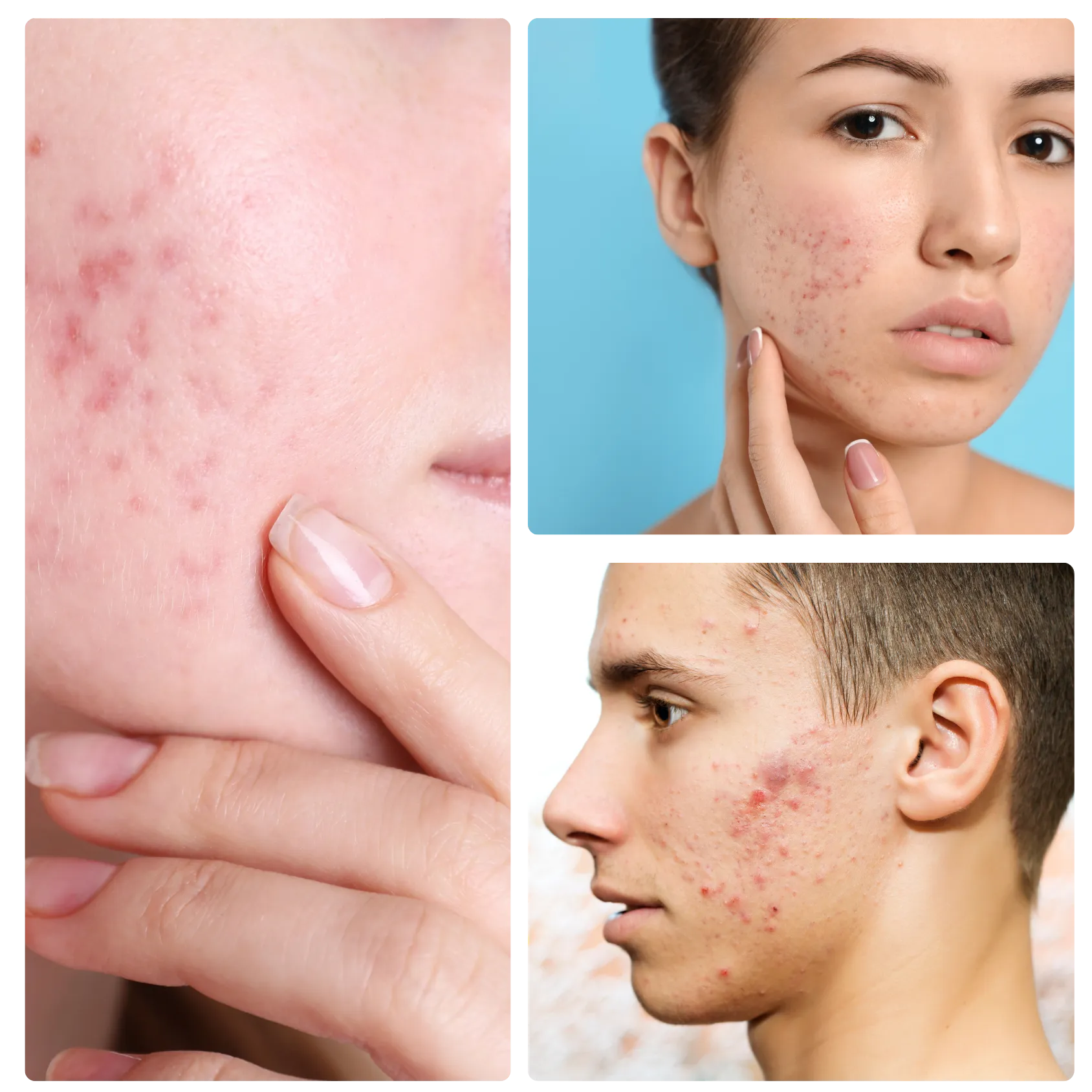
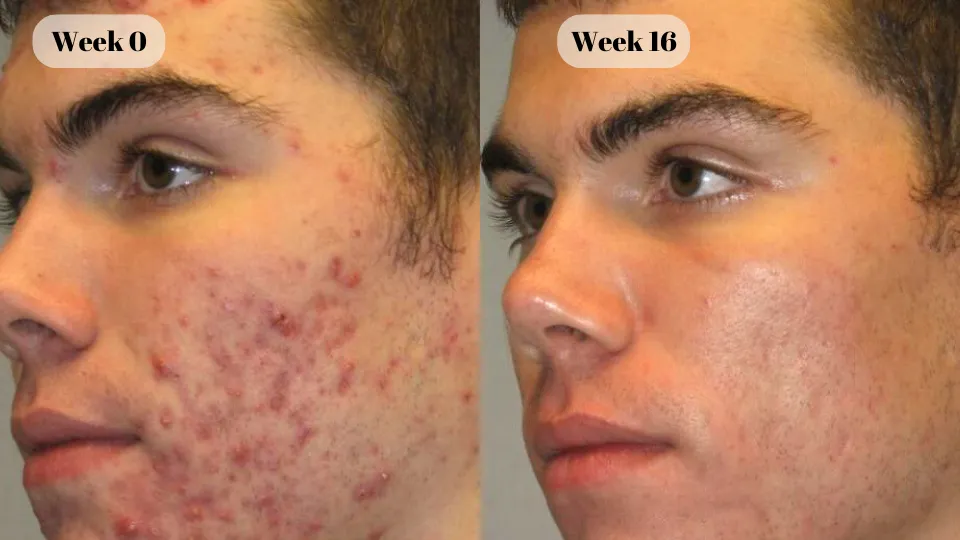
Real patients, real results

How effective is tretinoin

85%

of patients using tretinoin experience noticeable improvement in acne and skin texture with consistent use.*
The clinical results are clear: Tretinoin is a gold-standard topical retinoid shown to reduce acne lesions, unclog pores, and improve skin tone and fine lines over time by increasing skin cell turnover.
*In clinical studies, patients using tretinoin regularly saw significant reductions in acne severity within 8–12 weeks compared to placebo or non-retinoid treatments.
Tretinoin is for topical use only and should be used exactly as prescribed. It is not recommended during pregnancy unless specifically advised by a healthcare provider. For more details, see Important Safety Information.

How DermOnDemand Works

Common Question

Common side effects include redness, peeling, and dryness, particularly in the initial weeks of use. These symptoms typically subside as the skin adjusts to the medication. Using a gentle moisturizer and sunscreen can help minimize irritation.
Yes, Tretinoin is safe for long-term use when applied as directed by your dermatologist. Many patients continue using it as a maintenance therapy to prevent acne recurrence and improve skin texture.
Yes, Tretinoin increases photosensitivity, making sunscreen use essential to prevent sunburn and further skin damage.