No, doctors generally recommend limiting or avoiding alcohol while taking Accutane, also known as isotretinoin, because both can affect the liver. Drinking alcohol during treatment may increase the risk of elevated liver enzymes and higher triglyceride levels, especially with frequent or heavy use.
Some patients may tolerate a small amount of alcohol, but risk depends on lab results, dose, medical history, and other medications. For this reason, patients should follow their prescribing dermatologist’s guidance and complete regular bloodwork during treatment.
Key Takeaways
- Taking Accutane and drinking alcohol together can increase the risk of elevated liver enzymes and higher triglyceride levels because both substances are processed by the liver.
- Most doctors recommend limiting or avoiding alcohol during treatment, especially if you have abnormal lab results or existing liver concerns.
- Light, occasional drinking may carry less risk than heavy or frequent alcohol use, but repeated alcohol consumption increases the chance of adverse effects.
- If you drank alcohol while on Accutane, monitor for symptoms such as severe fatigue or abdominal pain and rely on liver function tests to assess safety.
- After finishing isotretinoin, alcohol use is generally considered safer once follow-up blood tests confirm normal liver function and triglyceride levels.
Is Safe Drinking Alcohol on Accutane?
Drinking alcohol while on Accutane is generally not considered safe, especially without medical guidance. Most doctors recommend limiting or avoiding alcohol because mixing Accutane and alcohol can increase the risk of liver strain and higher triglyceride levels.
While some healthy individuals may tolerate a small amount, taking Accutane and drinking alcohol does not carry the same level of safety for everyone. Risk depends on your liver health, your dose, and your lab results.
For many patients, abstaining from alcohol during treatment is the safest way to reduce the chance of abnormal blood tests and added liver stress.
Why Doctors Recommend Limiting Alcohol
Isotretinoin is a prescription medication used to treat severe acne, and you can learn more about how it works in this detailed overview of Accutane treatment. It lowers oil production in the oil glands and helps prevent clogged pores. Shrinking oil glands reduce inflammation and breakouts over time.
During treatment, doctors check liver function tests and triglyceride levels through routine blood work. These tests help monitor how the body is handling the medication. Mild changes are common, but significant elevations require attention.
Alcohol can raise triglyceride levels on its own. It can also affect liver function tests. When combined with alcohol, isotretinoin may increase the risk of elevated liver enzymes. For this reason, many doctors suggest avoiding or limiting alcohol during therapy.
What Happens If You Drink Alcohol on Accutane?
How the Liver Processes Isotretinoin
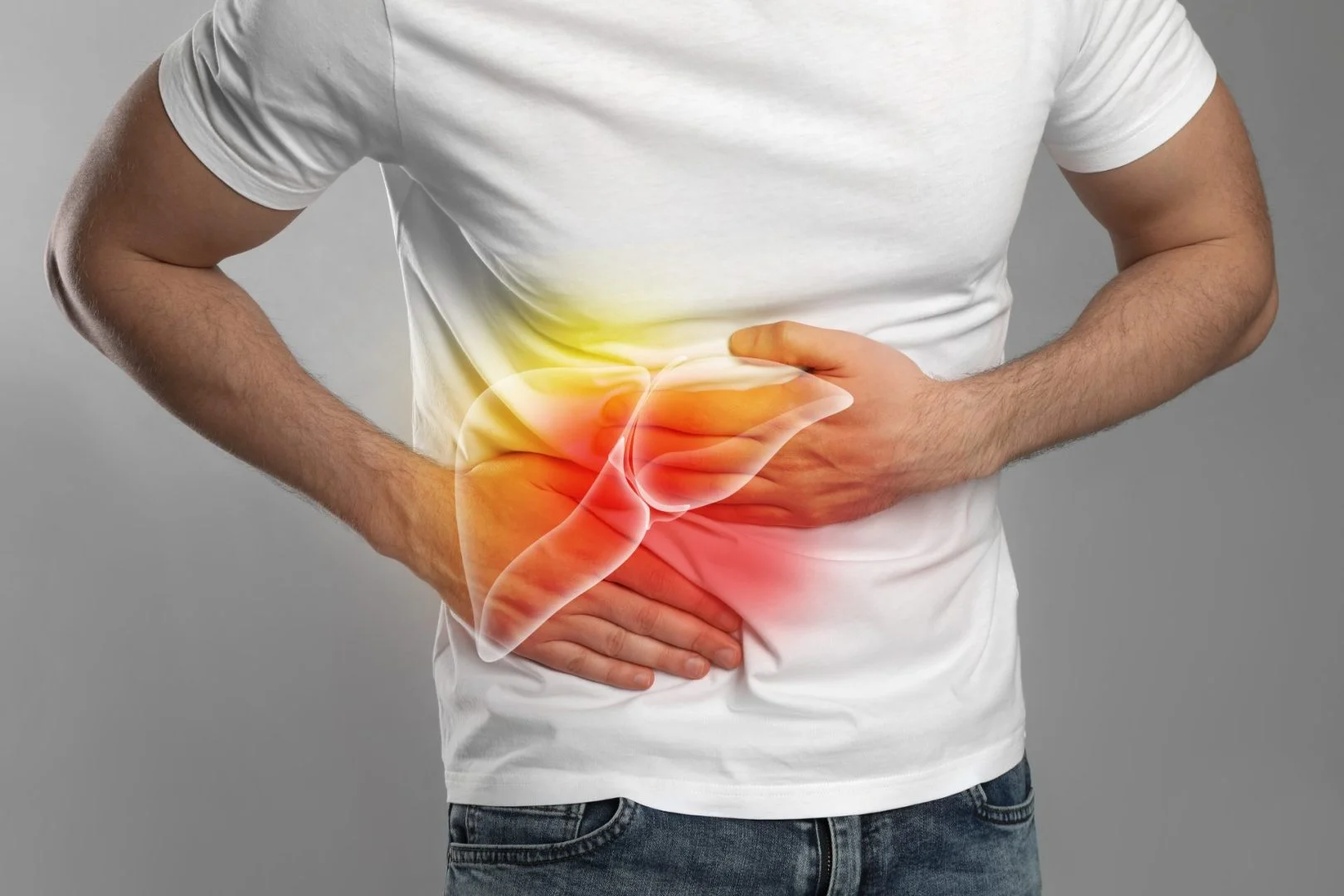
The liver breaks down isotretinoin. It also breaks down alcohol. When both substances are present, the liver must process them simultaneously.
What happens if you drink alcohol on Accutane depends on your overall health. In some people, this may increase the risk of liver damage, especially with repeated exposure, as discussed in this review of long-term liver concerns with Accutane. Most changes are mild and temporary, but repeated heavy drinking raises concern.
Elevated liver enzymes may appear on blood tests. These elevations often return to normal once alcohol is stopped or the medication is adjusted. However, continued strain increases the potential for adverse effects.
Accutane Alcohol Side Effects
Accutane alcohol side effects may include:
- Elevated liver enzymes
- Higher triglyceride levels
- Fatigue
- Nausea
- Headache
- Worsened dryness
These potential side effects vary by dose and by person. Some patients notice they feel more tired after drinking. Others report stronger dehydration.
Mixing Accutane and alcohol may increase the body’s overall strain. The risk becomes higher with frequent drinking or binge episodes. Occasional light drinking carries less risk than repeated heavy consumption.
Alcohol, while on Accutane, can also worsen dryness of the skin and lips. Since isotretinoin already reduces oil production, added dehydration may intensify these effects.
Risk Factors: When Drinking Becomes Dangerous
Low Dose Accutane and Alcohol
Low-dose Accutane may cause fewer lab changes for some patients, but alcohol is not automatically safe during treatment. Even 20 mg of Accutane can affect triglyceride levels or liver enzymes in certain individuals, especially when alcohol is used often or in larger amounts.
The risk depends on your bloodwork, dose, liver health, triglyceride history, other medications, and how much you drink. A lower dose may reduce the intensity of side effects, but it does not remove the need for caution or regular monitoring.
Frequency and Amount of Drinking
Light, occasional drinking carries less risk than heavy drinking. Binge drinking greatly increases the risk of liver damage. Regular alcohol use can steadily raise triglyceride levels over time.
The increased risk comes from repeated strain. Each episode of heavy drinking adds stress to the liver. Over weeks or months, this may lead to abnormal lab results.
Combining Accutane with alcohol frequently increases the chance of adverse effects. Moderation lowers risk but does not eliminate it.
Who Should Avoid Alcohol Completely?
Some people should avoid alcohol entirely during treatment:
- People with liver disease
- People with high triglyceride levels
- People with alcohol use disorder
- People with abnormal liver function tests
- People taking other medications that affect the liver
Isotretinoin also carries a strict warning about birth defects. Pregnancy must be avoided during treatment. Alcohol does not directly cause birth defects in this setting, but overall treatment safety requires careful adherence to medical instructions.
For high-risk individuals, abstaining from alcohol is the safest choice.
I Drank Alcohol on Accutane: What Should I Do?
When to Monitor Symptoms
If you drank alcohol while on Accutane, monitor your body. Symptoms that require attention include severe fatigue, stomach pain, nausea, vomiting, or yellowing of the skin or eyes.
Most people do not develop serious problems after one drink. Drinking alcohol on Accutane is a common concern. A single, isolated event usually does not cause permanent harm.
The risk increases with repeated or heavy drinking. Ongoing symptoms should be discussed with your doctor.
When Blood Tests Are Needed
Blood tests help doctors monitor how isotretinoin affects your liver enzymes and triglyceride levels. Doctors commonly check these labs during treatment, and elevated results may lead them to adjust your dose, repeat testing, or recommend avoiding alcohol.
Triglyceride levels also matter because alcohol can raise them quickly in some people. If triglycerides become very elevated, the risk of pancreatitis may increase.
Online stories about drinking on Accutane can be misleading because people respond differently. Some report no issues, while others describe abnormal lab results or side effects. Your blood tests provide objective information based on your body, dose, medical history, and treatment response.
How Long After Taking Isotretinoin Can I Drink Alcohol?
How Long Should You Wait After Finishing Accutane?
Many patients ask how long after taking isotretinoin I can drink alcohol? The medication leaves the bloodstream within several days. However, doctors often wait until follow-up blood tests confirm normal liver function.
If liver enzymes or triglyceride levels were elevated during treatment, more time may be needed. Waiting allows the liver to fully recover.
For most healthy adults with normal labs, moderate alcohol use after treatment may be reasonable. Individual advice should come from the prescribing physician.
Role of Follow-Up Lab Results
Follow-up liver function tests confirm recovery. When levels return to baseline, the risk of liver stress decreases.
Patients who had normal labs during treatment usually recover quickly. Those with prior elevations may require additional monitoring before consuming alcohol.
An open discussion with your doctor ensures safe timing.
What Should You Avoid While on Accutane?
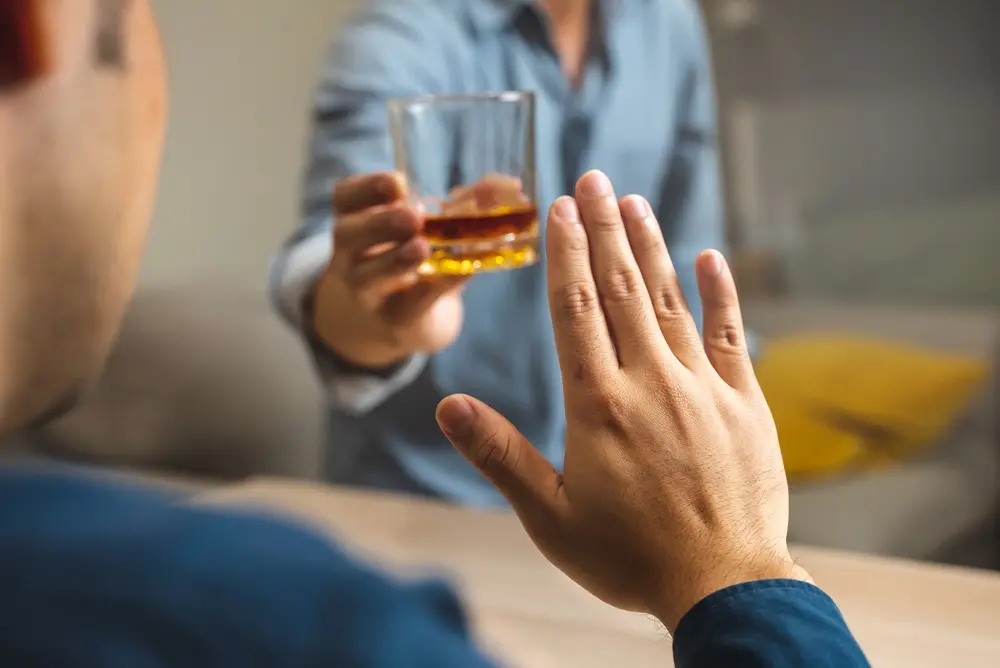
Alcohol
Doctors generally recommend avoiding or limiting alcohol while taking Accutane, also known as isotretinoin. Alcohol can increase the risk of elevated liver enzymes and higher triglyceride levels, especially with frequent or heavy use.
Avoiding alcohol helps reduce strain on the liver and supports more stable lab results during treatment. Patients should follow their prescribing dermatologist’s guidance, especially if prior bloodwork shows abnormal liver or triglyceride levels
Vitamin A Supplements
Isotretinoin is a vitamin A derivative. Taking additional vitamin A can increase toxicity and adverse effects. Avoid high-dose supplements during therapy.
Certain Medications
Some medications stress the liver. Examples include certain antibiotics and antifungal drugs. Always inform your doctor about any prescription or over-the-counter products.
Excess Sun Exposure
Isotretinoin increases skin sensitivity to sunlight. Sunburn risk rises during treatment. Use sun protection and limit prolonged sun exposure.
Accutane and drinking alcohol are important safety considerations during acne treatment. Taking Accutane and drinking alcohol increases the risk of elevated liver enzymes and higher triglyceride levels. Mixing Accutane and alcohol may increase potential side effects, especially with frequent or heavy use.
If you have questions about alcohol use during treatment, discuss them directly with your prescribing physician. Clear communication and regular monitoring help ensure that your acne treatment remains both safe and effective.
Patients considering isotretinoin can review the medical process for starting Accutane treatment to better understand monitoring and safety steps.