Yes, Accutane can effectively clear back acne in many people with moderate to severe inflammatory or cystic acne. Accutane is the brand name for isotretinoin, a strong oral medication used to treat severe acne that has not improved with other acne treatments.
When patients ask, Does Accutane get rid of back acne, the answer is often yes for those with deep, painful, or widespread breakouts. Results depend on the type of acne, total dose, and close medical supervision. Many patients see major improvement after one full course, although some may have acne return later.
 Isotretinoin is usually considered for people with moderate to severe acne that has not responded to other options. This includes back acne that forms deep nodules or cystic acne. It may also be appropriate when acne leaves permanent marks or early acne scars.
Some patients ask, “Does Accutane help back acne that mostly affects the trunk, not the face?” In many cases, it does. Truncal acne can be more stubborn because the skin is thicker and the oil glands are larger. This can make clogged pores more common.
Isotretinoin is usually considered for people with moderate to severe acne that has not responded to other options. This includes back acne that forms deep nodules or cystic acne. It may also be appropriate when acne leaves permanent marks or early acne scars.
Some patients ask, “Does Accutane help back acne that mostly affects the trunk, not the face?” In many cases, it does. Truncal acne can be more stubborn because the skin is thicker and the oil glands are larger. This can make clogged pores more common.
 Many patients experience long-term remission after completing isotretinoin therapy, though some may want to understand the possible long-term effects of Accutane before starting treatment. However, acne can return in some individuals. Relapse rates vary with age, acne severity, and total dose received.
When patients ask, Does Accutane get rid of acne on your back permanently, the honest answer is that it often provides long periods of clear skin but does not guarantee lifelong results. A minority of patients may need a second course of treatment.
Lower cumulative doses may increase the risk of relapse. Doctors balance the need for adequate dosing to minimize side effects. Careful planning helps improve long-term outcomes.
Maintenance After Treatment
After finishing treatment, some patients use a topical retinoid to maintain results. Early treatment of new breakouts can reduce the chance of acne scars.
Many patients experience long-term remission after completing isotretinoin therapy, though some may want to understand the possible long-term effects of Accutane before starting treatment. However, acne can return in some individuals. Relapse rates vary with age, acne severity, and total dose received.
When patients ask, Does Accutane get rid of acne on your back permanently, the honest answer is that it often provides long periods of clear skin but does not guarantee lifelong results. A minority of patients may need a second course of treatment.
Lower cumulative doses may increase the risk of relapse. Doctors balance the need for adequate dosing to minimize side effects. Careful planning helps improve long-term outcomes.
Maintenance After Treatment
After finishing treatment, some patients use a topical retinoid to maintain results. Early treatment of new breakouts can reduce the chance of acne scars.
Key Takeaways
- Accutane, also known as isotretinoin, can effectively clear moderate to severe back acne by reducing oil production, preventing clogged pores, and lowering inflammation.
- Treatment usually lasts four to six months, and improvement often begins within several weeks, but full clearing takes time and does not occur in a week.
- Accutane is typically reserved for severe, cystic, or scarring acne that has not responded to topical treatments, oral antibiotics, or other acne therapies.
- The medication requires strict medical supervision, including regular blood tests and pregnancy prevention measures, due to potential side effects and serious risks.
- Many patients achieve long-term remission after treatment, but acne can return in some cases, and maintenance therapy may help reduce relapse risk.
Who Should Consider Accutane
 Isotretinoin is usually considered for people with moderate to severe acne that has not responded to other options. This includes back acne that forms deep nodules or cystic acne. It may also be appropriate when acne leaves permanent marks or early acne scars.
Some patients ask, “Does Accutane help back acne that mostly affects the trunk, not the face?” In many cases, it does. Truncal acne can be more stubborn because the skin is thicker and the oil glands are larger. This can make clogged pores more common.
Isotretinoin is usually considered for people with moderate to severe acne that has not responded to other options. This includes back acne that forms deep nodules or cystic acne. It may also be appropriate when acne leaves permanent marks or early acne scars.
Some patients ask, “Does Accutane help back acne that mostly affects the trunk, not the face?” In many cases, it does. Truncal acne can be more stubborn because the skin is thicker and the oil glands are larger. This can make clogged pores more common.
When Other Treatments Are Tried First
Doctors often suggest trying other acne treatments before isotretinoin. These may include:- Benzoyl peroxide cleansers
- Salicylic acid washes
- A topical retinoid
- Oral antibiotics
How Long Treatment Takes and When Results Appear
Isotretinoin does not clear acne overnight. Most treatment courses last four to six months. The exact length depends on body weight and the total cumulative dose reached during therapy. Many people ask how long it takes for Accutane to clear up back-acne. Improvement often begins within six to eight weeks. However, full clearing can take several months. In the early weeks, acne may temporarily worsen. This early flare does not mean the medication is failing. Over time, oil production decreases, and inflammatory lesions become less frequent. Back acne does not clear in one week. Claims about clearing bacne in a week are not realistic for severe acne. Safe and effective treatment requires time and regular follow-up visits. Doctors aim to reach a target cumulative dose. This helps lower the chance that acne will return after treatment. Dose adjustments may be made if side effects occur.Side Effects, Risks, and Required Monitoring
Accutane is effective but has known risks. The most common side effects include dry skin, dry lips, and increased sensitivity to sunlight. These effects occur because the medication reduces oil production throughout the body.Common Side Effects
Other common side effects may include:- Dry eyes
- Mild muscle or joint discomfort
- Temporary changes in cholesterol levels
Serious Risks and Monitoring
Isotretinoin also carries serious risks. It can cause severe birth defects if taken during pregnancy. For this reason, strict pregnancy prevention programs are required for people who can become pregnant. Regular pregnancy testing is part of the treatment. Blood tests monitor liver function and lipid levels. These tests help detect problems early. Some patients may also discuss mood changes with their doctor, although serious mental health effects are uncommon. More details about potential risks are outlined in this guide on the side effects of Accutane Because of these risks, isotretinoin must be prescribed and monitored by a qualified medical professional. Regular visits ensure that treatment remains safe and effective.Can Back Acne Return? Long-Term Results and Relapse
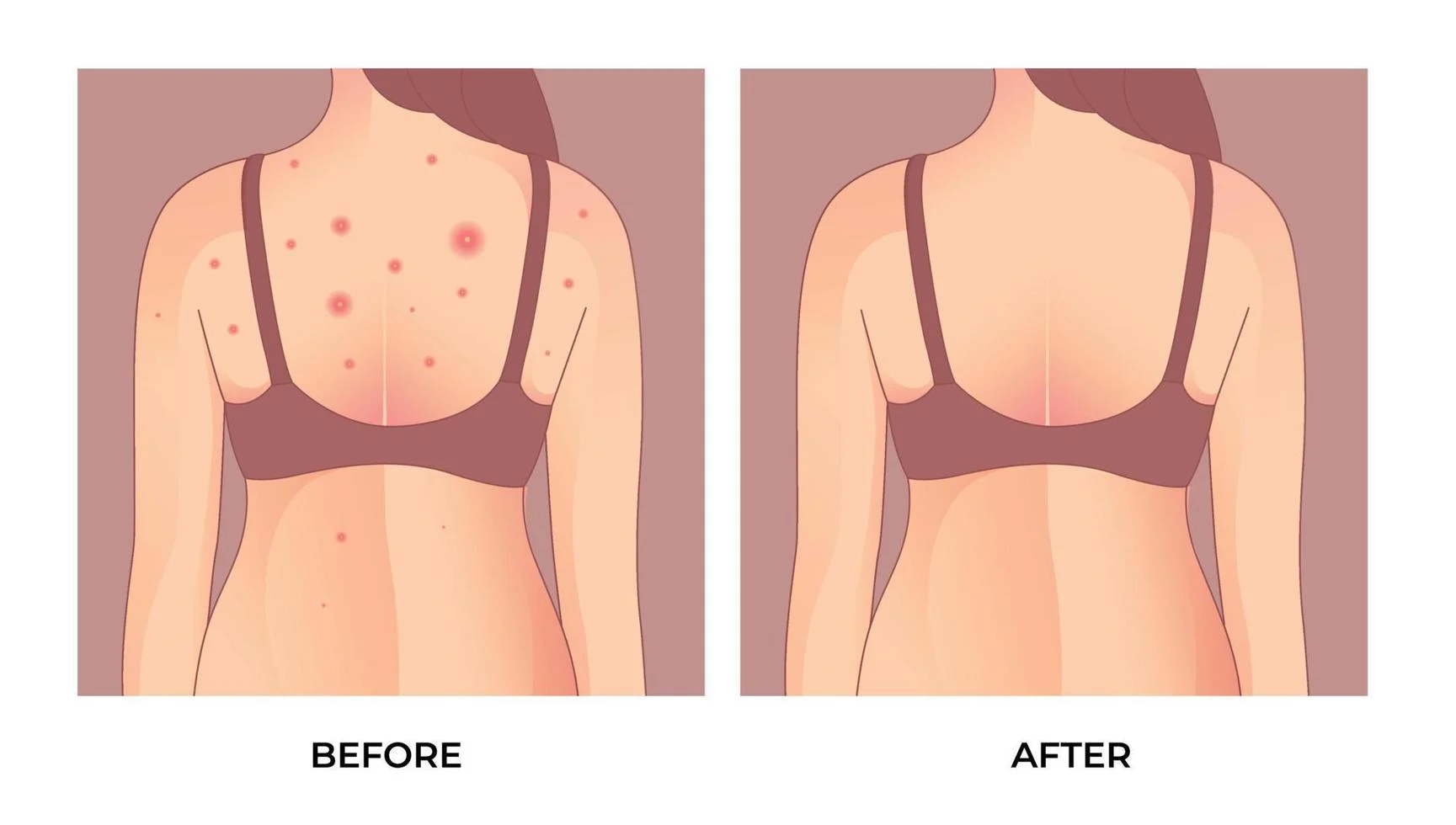 Many patients experience long-term remission after completing isotretinoin therapy, though some may want to understand the possible long-term effects of Accutane before starting treatment. However, acne can return in some individuals. Relapse rates vary with age, acne severity, and total dose received.
When patients ask, Does Accutane get rid of acne on your back permanently, the honest answer is that it often provides long periods of clear skin but does not guarantee lifelong results. A minority of patients may need a second course of treatment.
Lower cumulative doses may increase the risk of relapse. Doctors balance the need for adequate dosing to minimize side effects. Careful planning helps improve long-term outcomes.
Maintenance After Treatment
After finishing treatment, some patients use a topical retinoid to maintain results. Early treatment of new breakouts can reduce the chance of acne scars.
Many patients experience long-term remission after completing isotretinoin therapy, though some may want to understand the possible long-term effects of Accutane before starting treatment. However, acne can return in some individuals. Relapse rates vary with age, acne severity, and total dose received.
When patients ask, Does Accutane get rid of acne on your back permanently, the honest answer is that it often provides long periods of clear skin but does not guarantee lifelong results. A minority of patients may need a second course of treatment.
Lower cumulative doses may increase the risk of relapse. Doctors balance the need for adequate dosing to minimize side effects. Careful planning helps improve long-term outcomes.
Maintenance After Treatment
After finishing treatment, some patients use a topical retinoid to maintain results. Early treatment of new breakouts can reduce the chance of acne scars.
When Accutane Is Not Recommended
Accutane is not suitable for everyone. Pregnancy is an absolute contraindication because of the risk of severe birth defects. Individuals with certain liver conditions or uncontrolled high cholesterol may not be candidates.Screening and Monitoring Requirements
Before starting treatment, doctors review:- Medical history
- Current medications
- Blood test results