
Oral isotretinoin is a medicine used to treat severe acne when other acne treatments do not work. Some patients notice stomach symptoms during treatment and begin to wonder about stomach pain accutane and whether the drug may be the cause.
DermOnDemand shares dermatology education to help patients understand how treatments work. Dermatologist Dr. Alicia Atkins explains that people should know both the benefits and the risks of medicines used to treat severe acne.
Key Takeaways
- Accutane, also known as isotretinoin, can cause stomach pain in some patients, although digestive symptoms are less common than dryness-related side effects such as dry skin, dry eyes, and sensitivity to sunlight.
- Mild abdominal pain during treatment often results from temporary digestive irritation, but persistent or severe pain may signal complications such as pancreatitis or liver inflammation that require medical evaluation.
- Doctors monitor patients taking isotretinoin with regular blood tests to check liver function and lipid levels, helping detect problems early and maintain treatment safety.
- Most side effects improve after treatment ends, but patients must follow strict safety rules, including avoiding pregnancy due to the risk of birth defects and avoiding donating blood during therapy.
- If stomach pain develops during treatment, patients should report it to their doctor so the cause can be evaluated and treatment adjusted as needed.
Can Accutane Cause Stomach Pain
Many patients ask the same question – can accutane cause stomach pain? Medical studies show that abdominal pain can occur during isotretinoin treatment, but it is not one of the most common side effects. When it happens, symptoms are usually mild.
Isotretinoin treats acne by lowering oil production in the skin, although some patients later consider Accutane alternatives if side effects become difficult.. It also helps prevent clogged pores, which can cause breakouts. Because the drug works throughout the body, some people notice symptoms outside the skin.
Doctors take stomach pain seriously but do not always consider it a sign of danger. In many cases, the discomfort is temporary. If abdominal pain becomes strong or lasts a long time, a doctor should evaluate it.
How Isotretinoin Affects the Digestive System
Isotretinoin is related to vitamin A and affects how skin cells grow and renew. Its main action occurs in oil glands, but other organs can also respond to the medicine. The digestive system may react as the body processes the drug.
Some patients report nausea, mild stomach discomfort, or changes in appetite. These symptoms often appear during the early weeks of treatment. Many improve as the body adjusts.
How Common Is Stomach Pain During Treatment
Most people taking isotretinoin notice dryness rather than digestive symptoms. Common side effects include dry skin, dry eyes, and lips that become sensitive to the sun. These happen because the drug reduces oil in the skin and mucous tissue.
Stomach pain appears less often. When it occurs, it is usually mild and short. Doctors still advise patients to report new abdominal pain so serious causes can be ruled out.
Why Accutane May Cause Stomach Pain
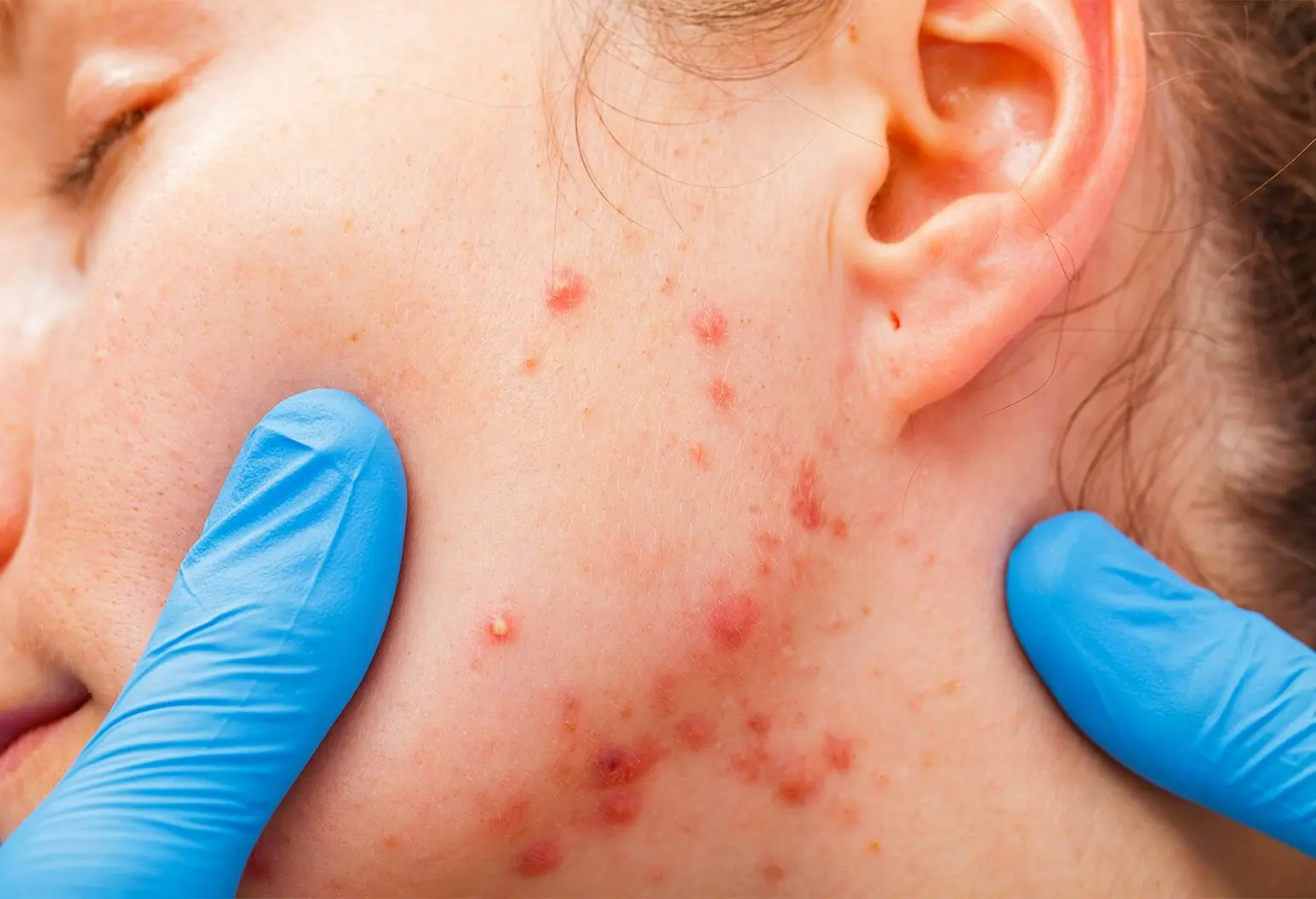
Understanding Accutane and stomach pain requires looking at how the medicine moves through the body. After swallowing the capsule, the drug travels through the bloodstream. It interacts with organs that process fats and nutrients.
These organs include the liver, pancreas, and digestive tract. Some patients feel mild stomach irritation while the body breaks down the medication. The feeling may resemble indigestion.
In many cases, symptoms improve as treatment continues. The body adapts to the medicine over time. Monitoring helps ensure the reaction remains mild.
Digestive Irritation During Treatment
Doctors often advise patients to take isotretinoin with food. Food helps the body absorb the medicine and may reduce stomach irritation. Taking capsules on an empty stomach may increase nausea or abdominal discomfort.
Patients should also avoid alcohol and extra vitamin A supplements during treatment. Both can increase stress on the liver. Following medical instructions helps reduce digestive irritation.
Liver Irritation and Digestive Symptoms
The liver processes isotretinoin and helps break it down. Because of this role, doctors check liver enzymes with blood tests during treatment. Small changes in these tests can occur, but usually return to normal later.
Some patients fear that stomach pain means liver damage. Most of the time, this is not the case. Doctors still monitor symptoms carefully because liver inflammation is possible, though rare.
Serious Digestive Risks Linked to Accutane
Serious digestive problems from isotretinoin are uncommon. One risk doctors watch for is pancreatitis, inflammation of the pancreas. This condition can cause sudden and strong abdominal pain.
High levels of certain fats in the blood can increase this risk. Doctors check lipid levels during treatment to watch for changes. Monitoring helps identify problems early.
Can Accutane Cause Pancreatitis
Pancreatitis is rare but important to understand. It may cause severe abdominal pain that spreads toward the back. Nausea and vomiting can also occur.
If these symptoms appear, medical care is needed right away. Blood tests and imaging help doctors confirm the diagnosis. Most patients never experience pancreatitis, but awareness is important.
Liver Inflammation Symptoms
Liver inflammation may cause upper abdominal pain or fatigue. Other signs can include dark urine or nausea. Some patients also notice unusual skin reactions.
Doctors perform blood tests during treatment to monitor liver function. These tests help detect problems before they become serious. Regular monitoring improves treatment safety.
Symptoms That Require Medical Attention
Certain symptoms during isotretinoin treatment should not be ignored. Severe stomach pain, repeated vomiting, or vision problems require medical review. Sudden allergic reactions also need urgent attention.
Patients should also report mood changes or suicidal thoughts. Mental health effects are rare but have been described in medical reports. Monitoring helps protect patient safety.
What Are the Worst Side Effects of Accutane
Most isotretinoin side effects involve dryness rather than whole-body illness. Dry skin, dry eyes, and sensitivity to sunlight are among the most common reactions. Many patients manage these symptoms with moisturizers and eye drops.
Rare complications may affect different organs. Doctors use blood tests to monitor cholesterol and liver enzymes. This monitoring helps prevent serious health problems.
Neurological and Vision Symptoms
Some people report headaches or changes in vision during treatment. In rare cases, the medicine may increase pressure inside the skull. This can cause a severe headache or blurred vision.
Doctors evaluate these symptoms quickly if they appear. Treatment may be adjusted if needed.
Severe Skin Reactions
Isotretinoin changes how skin cells grow and shed. In rare cases, it may cause stronger skin reactions such as redness or peeling. These symptoms go beyond the typical dryness.
Patients should report unusual skin reactions to their dermatologist. Avoiding tanning beds and strong sun exposure can also reduce irritation.
Why Doctors Monitor Blood Tests
Blood tests are an important safety step during treatment. Doctors check liver enzymes and lipid levels at regular visits. These tests help detect changes that may affect the pancreas or liver.
Monitoring also helps doctors decide whether dosage adjustments are needed. This approach keeps treatment effective while protecting patient health.
Accutane Side Effects Teenage Male Patients Should Know
Teenage males often receive isotretinoin when acne is severe and persistent, and other acne treatments have not worked. The medicine helps reduce oil production and prevent clogged pores. Many patients see long-term improvement in acne.
Teenagers may notice muscle or joint discomfort during treatment. These symptoms usually improve after therapy ends. Doctors review symptoms to ensure the medicine remains safe.
Hormonal Acne and Treatment Patterns
Hormones during adolescence increase oil production in the skin. This process contributes to acne that may not respond to other acne treatments. Isotretinoin reduces oil gland activity and helps break this cycle.
Treatment usually lasts several months. Dermatologists monitor progress and adjust dosage when needed.
Muscle, Joint, and Skin Changes
Muscle soreness sometimes appears during intense exercise while taking isotretinoin. Skin dryness remains the most common symptom. Gentle skin care and moisturizers help reduce discomfort.
Sun protection is also important. The medication can make skin more sensitive to sunlight.
Long-Term Side Effects of Accutane in Females
Many women research the long-term side effects of Accutane in females before starting treatment. Most side effects improve after therapy ends. Dryness and mild irritation usually disappear over time.
The most serious risk involves pregnancy. Isotretinoin can cause severe birth defects if taken during pregnancy. Strict safety programs help prevent exposure.
Hormonal and Skin Changes
Some women notice temporary changes in hormones or skin texture. Oil production may shift during treatment. These changes usually stabilize after therapy finishes.
Dermatologists review medical history before prescribing isotretinoin. This helps identify patients who may need closer monitoring.
Pregnancy Safety Risks
Patients who can become pregnant must follow strict safety rules. Pregnancy tests are required before and during treatment. These precautions protect against birth defects.
Patients must also avoid donating blood during therapy. Blood donation could expose a pregnant recipient to the medication.
How to Treat Stomach Pain Caused by Accutane

Learning how to treat stomach pain caused by Accutane starts with understanding the cause. Mild discomfort may improve when patients take the medication with food. Drinking enough water and maintaining balanced nutrition can also help.
Doctors evaluate persistent pain carefully. Blood tests may check liver enzymes or lipid levels. Sometimes doctors adjust the dosage to reduce symptoms.
Steps That May Reduce Digestive Discomfort
Several simple steps can help reduce stomach irritation:
- Take the medication with food
- Avoid alcohol during treatment
- Attend regular medical checkups
These steps support digestive health while the medication continues to treat severe acne.
When Doctors Adjust Treatment
Doctors may lower the dose if symptoms continue. A lower dose may still control acne while reducing side effects. Medical supervision ensures treatment remains safe.
In rare situations, doctors pause treatment for a short time. The decision depends on symptoms and test results.
When to Seek Medical Evaluation
Patients should seek medical care if abdominal pain becomes severe or persistent. Fever, vomiting, or sharp abdominal pain require prompt evaluation.
Most digestive symptoms improve with monitoring and small adjustments. Many patients complete treatment without serious problems.
Other Digestive Side Effects of Accutane
Some digestive symptoms occur without stomach pain. Mild nausea or stomach upset may appear during early treatment. These symptoms often improve over time.
Research has also discussed inflammatory bowel disease and isotretinoin. Current evidence remains mixed and does not prove a direct cause. Patients with digestive conditions should discuss risks with their doctor.
Nausea and Digestive Upset
Nausea may happen if capsules are taken without food. Taking isotretinoin with meals often reduces stomach irritation. Many patients find this adjustment helpful.
Persistent nausea should be discussed with a doctor.
Changes in Appetite
Some people notice temporary changes in appetite during therapy. These changes may be related to digestive sensitivity as the body adjusts to the medication.
Stay consistent with balanced meals and good hydration during treatment. If you notice new symptoms or have concerns, speak with your doctor so your acne care plan remains safe and well monitored.
Balanced meals and hydration help support health during treatment, and educational resources from DermOnDemand help patients better understand their care.