
Key Takeaways
- Accutane may be worth it for adult acne when breakouts are severe, painful, scarring, or resistant to other treatments.
- Adults can take isotretinoin, but candidacy depends on acne type, medical history, pregnancy risk, and prior treatment response.
- Treatment requires medical supervision, blood tests, side-effect monitoring, and strict pregnancy-prevention measures when relevant.
- Common side effects include dry lips, dry skin, dry eyes, and sun sensitivity, while serious symptoms need prompt medical review.
- Results vary, and some adults may need maintenance care if acne returns after treatment.
What Is a Good Age for Accutane?
There is no single best age for isotretinoin. Adults can take it when their acne and health profile fit the treatment criteria. Age alone does not decide whether someone is a good candidate.
Adults may have different concerns than teens, and this guide to Accutane and teenagers explains how treatment questions can differ by age. They may take more medicines, plan pregnancy, wear contact lenses, or already have dry eyes. These factors can affect the dose, follow-up plan, and side-effect management.
Why Adults Still Get Acne
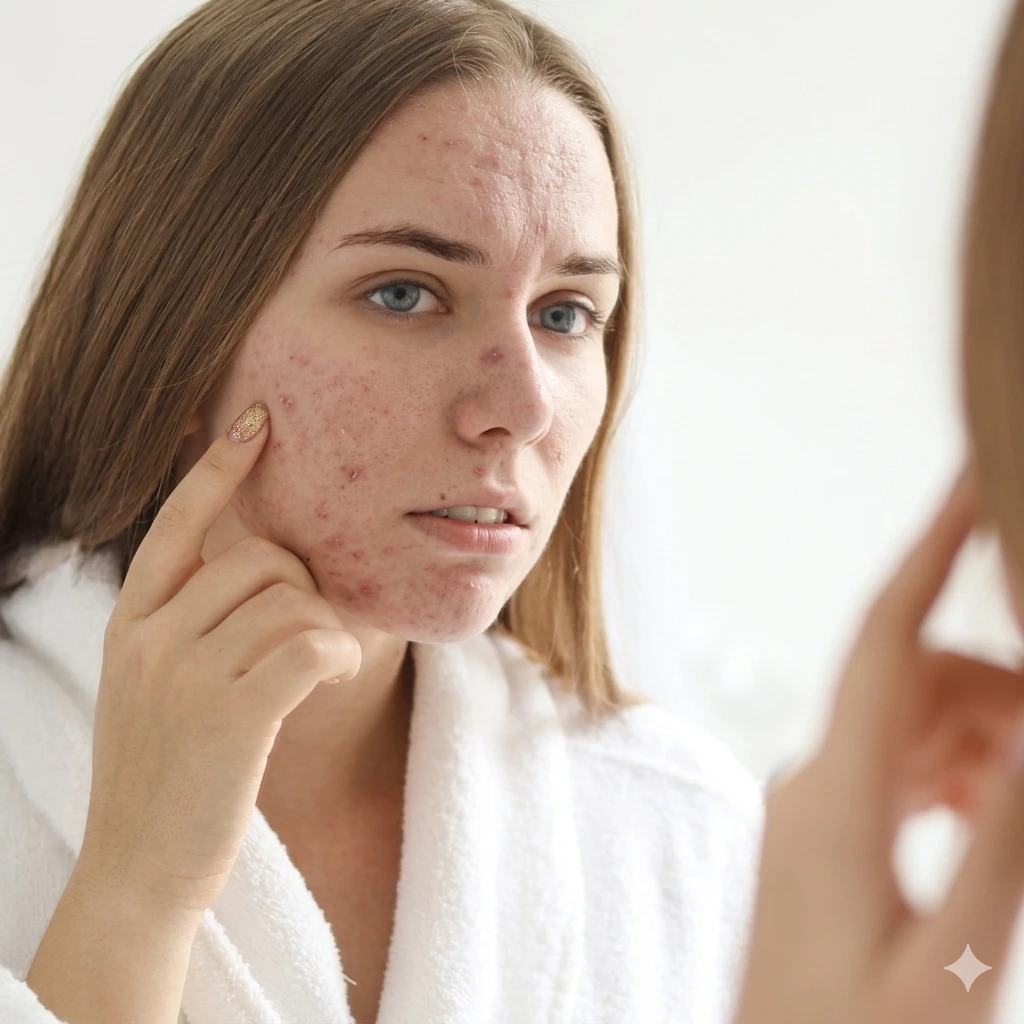
Adult acne can happen for several reasons. Oil, dead skin cells, bacteria, and swelling can clog pores. This can lead to blackheads, whiteheads, red bumps, pustules, nodules, or cysts.
Hormones, Stress, and Genetics
Hormones can keep acne active after the teen years. Some adults flare before their period, after stopping birth control, during stress, or during hormone shifts. Family history can also raise the chance of long-term acne.
Stress does not cause acne on its own. But it can make swelling worse and may trigger habits that irritate the skin. Heavy makeup, friction, poor sleep, and some medicines can also play a role.
Acne That Resists Treatment
Some adults try creams, gels, antibiotics, birth control, or other acne treatments without steady results. Acne may improve for a short time and then come back. Deep cysts can also leave scars even when you do not pick.
This is when isotretinoin may be discussed. It works on several causes of acne at once. It can lower oil, reduce clogged pores, and calm swelling.
When Adults May Need Accutane
Adults may need isotretinoin when acne is severe, painful, or likely to scar. Doctors usually do not use it first for mild acne. It has stricter safety rules than many other acne medicines.
Severe or Painful Acne
Deep cysts and nodules are more likely to cause pain and scarring. They can last for weeks and return in the same areas. Common areas include the jawline, cheeks, chin, chest, and back.
Severe acne may need stronger care. Waiting too long can increase the risk of lasting marks or scars. This is one reason a dermatologist may discuss isotretinoin.
Scarring or Recurring Breakouts
Scarring is a key reason to consider stronger treatment. Once scars form, they can be hard to treat. Preventing new scars is often a main goal in adult acne care.
Recurring acne also matters. If acne clears only while you take antibiotics and returns after stopping, that may not be a good long-term plan. Isotretinoin may be considered when repeated treatments fail to achieve stable control.
Failed Standard Treatments
Many adults try other options before isotretinoin. These may include prescription creams, oral antibiotics, spironolactone, or hormonal birth control when appropriate. If these do not work well, isotretinoin may become an option.
The choice should match the acne pattern. It should also match the patient’s health risks and goals. This keeps treatment safer and more realistic.
Who May Not Be a Candidate
Not every adult with acne should take isotretinoin. Some people need another plan because of pregnancy risk, medical history, medicine use, or side effects. A careful review helps lower risk.
Pregnancy and iPLEDGE Rules
Isotretinoin can cause severe birth defects. It must not be used during pregnancy. This is why strict safety rules exist for people who can become pregnant.
Patients may need pregnancy tests and effective birth control. The exact steps depend on the current iPLEDGE rules and the patient’s category. These rules are part of safe care.
Health Conditions and Medication Risks
A dermatologist may ask about liver disease, high cholesterol, mood history, inflammatory bowel disease, and other health issues. These details help show whether isotretinoin may increase the risk of problems.
Patients should also share all medicines and supplements. Some products can raise the risk. Vitamin A supplements are often avoided because isotretinoin is related to vitamin A.
What Adult Accutane Treatment Involves
Taking isotretinoin is different from using an acne cream. It requires diagnosis, lab tests, follow-up visits, and dose adjustments as needed. The plan usually lasts several months.
Evaluation, Testing, and Monitoring

Before treatment, the clinician confirms that isotretinoin is appropriate for the type of acne. They may review past acne treatments, scarring, pregnancy risk, mood history, and other health issues. A blood test may check liver function and blood fats.
The dose of Accutane or another isotretinoin product can vary. It may depend on body weight, acne severity, and side effects. Some adults start with a lower dose to reduce dryness or irritation.
Monthly Follow-Up Visits
Many patients have monthly visits during treatment. These visits track acne response, side effects, lab results, pregnancy testing, and dose changes. They also give patients time to report symptoms.
Common symptoms include dry skin, dry lips, dry eyes, headaches, mood changes, or body aches. Some side effects are easier to manage when caught early. Patients should not change the dose without medical guidance.
Online and In-Person Care
Some parts of acne care can happen online, including an initial start treatment pathway when a medical review is appropriate. This may include a history review, a photo review, side-effect checks, and routine questions. DermOnDemand may be referenced as a dermatology platform that supports care discussions when appropriate.
Some care still needs in-person review. This may include urgent symptoms, complex exams, lab work, or pregnancy tests. Online care does not replace emergency care for serious symptoms.
Accutane Side Effects in Adults
Accutane side effects can be mild, moderate, or serious. Many people have dryness, while fewer people have major problems. Monitoring helps reduce risk and guide dose changes.
Common Accutane Side Effects
Common side effects include dry lips, skin, eyes, and nose, as well as sun sensitivity. Skin may also become more fragile. Some adults notice muscle aches, joint pain, fatigue, or product sensitivity.
Dry lips are one of the most common issues. Dry eyes can also be a concern for people who wear contact lenses. Some patients may need eye drops or may need to wear glasses more often.
What Are the Worst Side Effects of Accutane?
The most serious risk is pregnancy exposure because isotretinoin can cause birth defects. Other serious risks can include severe mood symptoms, strong headaches, vision changes, liver changes, and high triglycerides.
Patients should report suicidal thoughts, severe depression, severe stomach pain, yellow skin or eyes, bad headaches, or vision changes. These symptoms do not happen to everyone. But they need a quick medical review.
Dryness, Mood, and Lab Changes
Dryness happens because isotretinoin lowers oil production. Mood changes are more complex because acne itself can affect mental health. This is why clinicians often ask about mood before and during treatment.
Lab changes can affect liver function or cholesterol levels. A blood test helps check for these issues. A side effect of isotretinoin can also change based on dose, health history, and other medicines.
Daily Life on Accutane
Daily life may need small changes during treatment. Most changes focus on moisture, sun care, and avoiding irritation. A simple skin routine is often best.
Skin Care and Sun Sensitivity
Skin can become more sensitive to the sun. Patients often need gentle cleanser, moisturizer, lip balm, and broad-spectrum sunscreen. Sun protective habits can also include hats, shade, and protective clothing.
Harsh scrubs, waxing, strong acids, and many acne actives may irritate the skin. Ask your dermatologist before adding products for acne, dark spots, texture, or aging. Simple care can help protect the skin barrier.
Alcohol, Exercise, and Dryness
Isotretinoin can affect liver function tests and blood lipids. Some clinicians may advise limiting or avoiding alcohol.
Exercise can often continue. But joint or muscle pain may require changes. Dry skin may also need more moisturizer, especially after bathing or shaving.
Adult Accutane Results
Results vary from person to person, and some adults may want to understand the possible long-term effects of Accutane before starting treatment. Some adults improve early, while others need more time. Some may flare before their skin starts to clear.
When Skin May Improve
Improvement often happens over months. Painful bumps may improve before redness, marks, or texture. Dermatologists usually judge progress over the full course, not after a few days.
Why Results Can Vary
Results depend on acne severity, dose, treatment duration, hormones, and diagnosis. Some skin conditions can look like acne but need different care. These include rosacea, folliculitis, and perioral dermatitis.
This is why diagnosis matters. Treating the wrong condition with isotretinoin may not help. A medical review helps match the treatment to the real cause.
Can Acne Return?
Acne can return after isotretinoin. Many people still have long-term improvement, but relapse is possible. Hormonal acne, severe starting acne, or shorter treatment courses may raise relapse risk.
Adults need maintenance care after treatment. This may include a topical retinoid, gentle skin care, or hormonal therapy when appropriate. Your dermatologist can help decide what makes sense after isotretinoin.