Accutane and tretinoin are both retinoid acne medications, but they differ in form, strength, and clinical use. In discussions about Accutane vs tretinoin, the main distinction is that tretinoin is a topical treatment applied to the skin, while isotretinoin (Accutane) is an oral medication used for severe acne.
Tretinoin helps regulate the skin cell cycle and prevent clogged pores, making it useful for mild-to-moderate acne and long-term maintenance. Accutane works throughout the body to reduce oil production and inflammation, which is why doctors prescribe it for severe or scarring acne. Understanding these differences helps patients and dermatologists choose the treatment that best matches the severity and pattern of acne.
Key Takeaways
- Accutane (isotretinoin) and tretinoin are both retinoid acne medications, but they differ in their forms and uses. Tretinoin is a topical treatment for mild to moderate acne, while isotretinoin is an oral medication used for severe or scarring acne.
- Tretinoin works by increasing skin cell turnover and keeping pores clear, which helps prevent clogged follicles. Isotretinoin reduces oil production and inflammation throughout the body, targeting deeper causes of severe acne.
- Dermatologists often begin acne treatment with topical therapies such as tretinoin before considering oral isotretinoin. Treatment choice depends on acne severity, treatment response, and the patient’s medical history.
- Isotretinoin requires careful medical monitoring because it can cause systemic side effects and serious risks during pregnancy. Patients typically undergo regular follow-up visits and laboratory tests during treatment.
- Topical tretinoin may also be used after isotretinoin therapy to maintain clearer pores and reduce future breakouts. This step-down approach helps support long-term acne management in many patients.
Key Differences Between Accutane and Tretinoin
Dermatologists compare several factors before choosing a retinoid treatment. These include acne severity, past treatments, and safety concerns. Looking at these points helps explain how the two medicines differ.
Topical vs Oral Retinoids
Tretinoin is a topical retinoid that comes as a cream or gel. Patients apply it directly to the skin. It works mainly in the outer layers of skin and inside the pore lining. This helps control severe breakouts and deep inflammation. A detailed comparison of these medications is available in this guide on isotretinoin vs tretinoin. Over time, fewer pores become blocked.
Isotretinoin is taken by mouth. It affects the whole body rather than just the skin’s surface. The drug reduces the size and activity of the skin’s oil glands. Less oil means fewer conditions that lead to acne. This helps control severe breakouts and deep inflammation.
Acne Severity: Each Medication Treats
Doctors often prescribe tretinoin for mild to moderate acne. This includes early inflammatory acne or comedonal acne with clogged pores. It can also help maintain results after other treatments.
Tretinoin is useful for long-term acne care. Because it works on the skin surface, many patients use it for extended periods.
Isotretinoin treats severe acne that may cause scars. This includes nodular or cystic acne that does not respond to antibiotics or topical drugs. In these cases, oral therapy targets the underlying causes of inflammation and excess oil production.
Types of Acne and Why Treatment Choice Matters
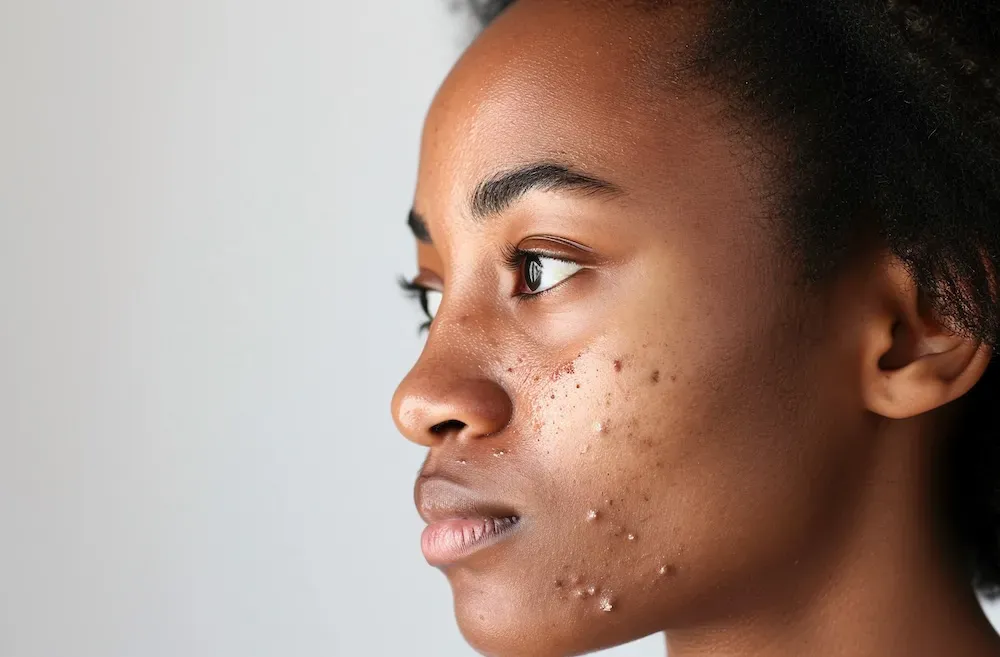
Not all acne forms develop in the same way. Dermatologists classify acne by lesion type and severity before choosing a treatment plan.
Common acne types include:
- Comedonal acne – blackheads and whiteheads caused by clogged pores
- Inflammatory acne – red pimples caused by inflammation in the follicle
- Nodular acne – deeper, painful lumps beneath the skin
- Cystic acne – severe inflammation that may lead to scarring
Topical medicines such as tretinoin are often effective for mild to moderate acne. These treatments help keep pores clear and prevent early lesions from forming.
Severe acne types, such as nodular or cystic acne, may require oral treatment. In these cases, isotretinoin targets oil production and inflammation that topical medicines cannot fully control.
Understanding acne type helps explain why doctors choose different acne treatments for different patients.
Treatment Expected Results
Tretinoin works slowly because it changes how skin cells renew. Most patients see improvement after several weeks of regular use. Continued use helps prevent new breakouts.
Isotretinoin treatment usually lasts several months. Doctors monitor patients during treatment to check progress and safety. Many people see significant improvement after completing a full course of treatment.
Accutane vs Tretinoin Cream
The phrase “Accutane vs. tretinoin cream” highlights the difference between oral and topical therapies. Tretinoin cream works directly on the skin surface. It regulates the skin cell cycle and keeps pores clear.
Isotretinoin changes oil production throughout the body. Because of this, doctors often use it only for severe acne.
For mild to moderate acne, dermatologists often start with topical acne treatments such as tretinoin.
What Are Retinoids and How They Work
Retinoids are drugs related to vitamin A. They affect how skin cells grow, mature, and shed. These actions help prevent clogged pores and inflammation. Also affects oil production and inflammation. When pores stay open and oil levels drop, acne lesions form less often.
Researchers have studied retinoids in dermatology for many years. The medicines target several steps that lead to acne.
Because they address many causes of acne, retinoids remain important acne treatments in dermatology.
Vitamin A – Based Acne Treatments
Vitamin A drugs change how skin cells develop. They help the skin renew in a steady pattern. This keeps the skin surface smoother and reduces clogged pores.
Doctors have used these medicines for decades to treat acne. Their ability to address multiple causes of acne makes them useful in many treatment plans.
Retinoids come in topical and oral forms. Topical drugs work on the skin surface. Oral drugs act throughout the body.
How Retinoids Affect Skin Cells and Oil Production
A skin cell normally sheds from the pore lining in a steady cycle. When this process slows, dead cells build up inside the pore.
Oil and dead cells can form plugs that block pores. These plugs often lead to acne.
Retinoids speed up the renewal of the skin cell layer. This helps pores stay open and reduces clogged follicles.
Oral isotretinoin also lowers oil production. Less oil means fewer conditions that support acne bacteria.
What Is Tretinoin
Tretinoin is a prescription retinoid placed directly on the skin. More information about this medication is available in this overview of tretinoin treatment. Dermatologists often recommend it as an early treatment for acne.
Because it acts on the skin’s surface, patients can use it for extended periods under medical guidance.
Tretinoin may also help improve signs of anti-aging. Faster skin renewal can soften fine lines and uneven skin tone.
How Tretinoin Cream Works in the Skin
Tretinoin works inside the hair follicle where acne begins. It speeds up the turnover of the skin cell layer. This prevents dead cells from building up inside pores. Clear pores mean fewer whiteheads and blackheads. As the skin cell cycle improves, new acne lesions appear less often.
Doctors sometimes combine tretinoin with other acne medicines. These may include benzoyl peroxide or topical antibiotics.
Skin Conditions Tretinoin Treats
Doctors use tretinoin for several skin concerns. These include:
- mild to moderate acne
- clogged pores such as whiteheads and blackheads
- uneven skin texture
- early signs of photoaging
Because tretinoin supports steady skin renewal, it may improve skin tone in some cases.
Common Side Effects of Tretinoin
Some people notice mild irritation when they begin tretinoin. These effects often improve as the skin adjusts to the medication.
Common side effects include:
- Redness
- Dryness
- Peeling or flaking skin
- Mild burning or stinging
- Increased sun sensitivity
Dermatologists often suggest starting slowly to help the skin adjust. Many patients also use sunscreen and moisturizer to protect the skin barrier. In rare cases, irritation may require changes in how often the medicine is used.
Tretinoin vs Isotretinoin Gel
Some patients wonder whether isotretinoin is also available as a gel or other topical product. In clinical practice, tretinoin is the retinoid most commonly used in topical creams or gels for acne treatment. These formulations are designed to act directly in the skin and help regulate the skin cell cycle within the pore.
Isotretinoin is primarily prescribed as an oral medication rather than a topical gel. Researchers have studied topical isotretinoin, but it is not widely used because it does not provide the same benefits as oral treatment. This difference in formulation explains why dermatologists choose tretinoin for topical care and isotretinoin for systemic treatment of severe acne.
What Is Accutane (Isotretinoin)
Isotretinoin is a strong retinoid taken by mouth. It treats severe acne that has not improved with other therapies.
The medicine works throughout the body. It reduces oil production and inflammation in the skin.
Dermatologists usually prescribe it for advanced acne. These cases may involve nodules, cysts, or acne that leaves scars.
Careful monitoring helps ensure the medicine is used safely.
How Oral Isotretinoin Works in the Body
Isotretinoin targets sebaceous glands that produce oil. The medicine shrinks these glands and lowers sebum levels.
Lower oil production makes it harder for acne bacteria to grow. This reduces inflammation and acne lesions.
These combined effects explain why isotretinoin helps control severe acne.
When Dermatologists Prescribe Accutane
Doctors often consider isotretinoin when other acne treatments do not work. Patients with nodular or scarring acne may benefit from oral therapy.
Dermatologists review medical history and current medicines before prescribing isotretinoin. This careful review helps determine if the drug is appropriate.
Treatment decisions also depend on acne severity and past response to therapy.
Common Side Effects of Isotretinoin
Isotretinoin can cause side effects that require monitoring. Many effects happen because the medicine lowers oil production in the skin and mucous membranes.
Common side effects include:
- Dry lips
- Dry skin
- Dry eyes or eye irritation
- Nose dryness or occasional nosebleeds
- Skin sensitivity
Doctors monitor patients during treatment to watch for changes. Most side effects improve after treatment ends.
Using Tretinoin Before or After Accutane
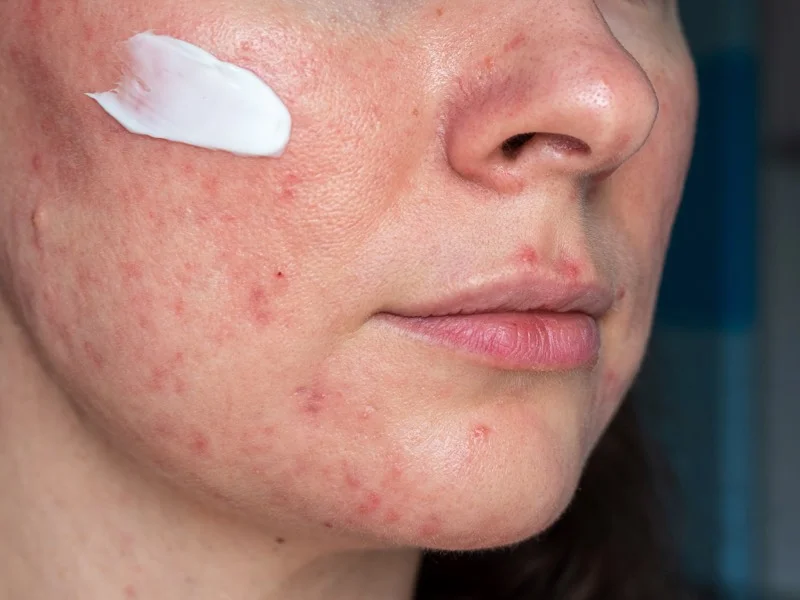
Some treatment plans use topical retinoids before or after oral therapy. Dermatologists adjust medications as acne improves or changes.
This step-by-step approach helps maintain results and prevent new breakouts.
Why Dermatologists Use Tretinoin After Accutane
Doctors sometimes prescribe tretinoin after isotretinoin therapy ends, especially as part of long-term acne maintenance after oral therapy. More details about this approach are explained in this guide on tretinoin after Accutane. The goal is to keep pores clear and reduce new acne lesions.
Because tretinoin keeps the skin cell cycle active, it can help prevent clogged pores from returning.
Can You Use Isotretinoin and Tretinoin Together
Dermatologists usually avoid using both drugs at the same time. Each medicine affects the skin cell cycle.
Using them together may increase irritation. Doctors decide treatment plans based on each patient’s needs.
Safety and Medical Monitoring
Retinoid medicines require medical supervision. Doctors evaluate risks before prescribing them. Follow-up visits help monitor progress and detect side effects early.
Pregnancy Risks With Retinoids
Retinoids can cause serious birth defects if used during pregnancy. For this reason, isotretinoin treatment requires strict safety programs and medical supervision. Patients must avoid pregnancy while taking isotretinoin and for a period after treatment ends. Doctors provide clear guidelines and monitoring to reduce this risk and protect patient safety.
When Tretinoin or Isotretinoin May Not Be Recommended
Doctors evaluate several factors before prescribing retinoid medications. Some situations require caution or alternative treatments.
Tretinoin may not be recommended if the skin barrier is severely irritated or damaged. Conditions such as eczema, severe rosacea, or open wounds may require stabilization before topical retinoids are introduced.
Isotretinoin requires more careful evaluation because it affects the entire body. Patients with certain medical conditions or those taking specific medications may require alternative treatment options.
Understanding the differences between tretinoin and isotretinoin helps patients see why doctors choose different treatments for different types of acne. Each medication works in a distinct way and may be appropriate depending on acne severity and medical history.
If you have questions about acne treatments or retinoids, a licensed dermatologist can review your condition and explain possible care options through DermOnDemand.