
Yes, you can have sex while on Accutane, but safety depends on whether pregnancy is possible and whether strict pregnancy prevention rules are being followed. For most patients, the main concern is not sex itself but the serious risk of birth defects if pregnancy happens during treatment.
That is why the answer to Can you have sex on Accutane is tied to contraception, pregnancy testing, and what to do if unprotected sex occurs. Accutane can also cause side effects such as dryness or sexual discomfort in some people, so those symptoms matter too.
The sections below explain who needs the strictest precautions, what counts as protected sex, and when to contact a doctor.
Key Takeaways
- You can have sex while taking Accutane, but the main safety issue is pregnancy prevention, not sex itself.
- If pregnancy is possible, strict rules apply during treatment and for 30 days after the last dose, including approved contraception and regular pregnancy testing.
- Unprotected sex while on isotretinoin is a serious concern because the medication can cause severe birth defects, and prompt medical advice is needed if it happens.
- Accutane may be linked to sexual side effects such as low libido, vaginal dryness, or erectile problems in some patients, but the evidence is still limited.
- Patients should also avoid donating blood, waxing, and certain skin procedures during treatment, and should report severe symptoms or possible pregnancy right away.
Can You Have Protected Sex on Accutane?
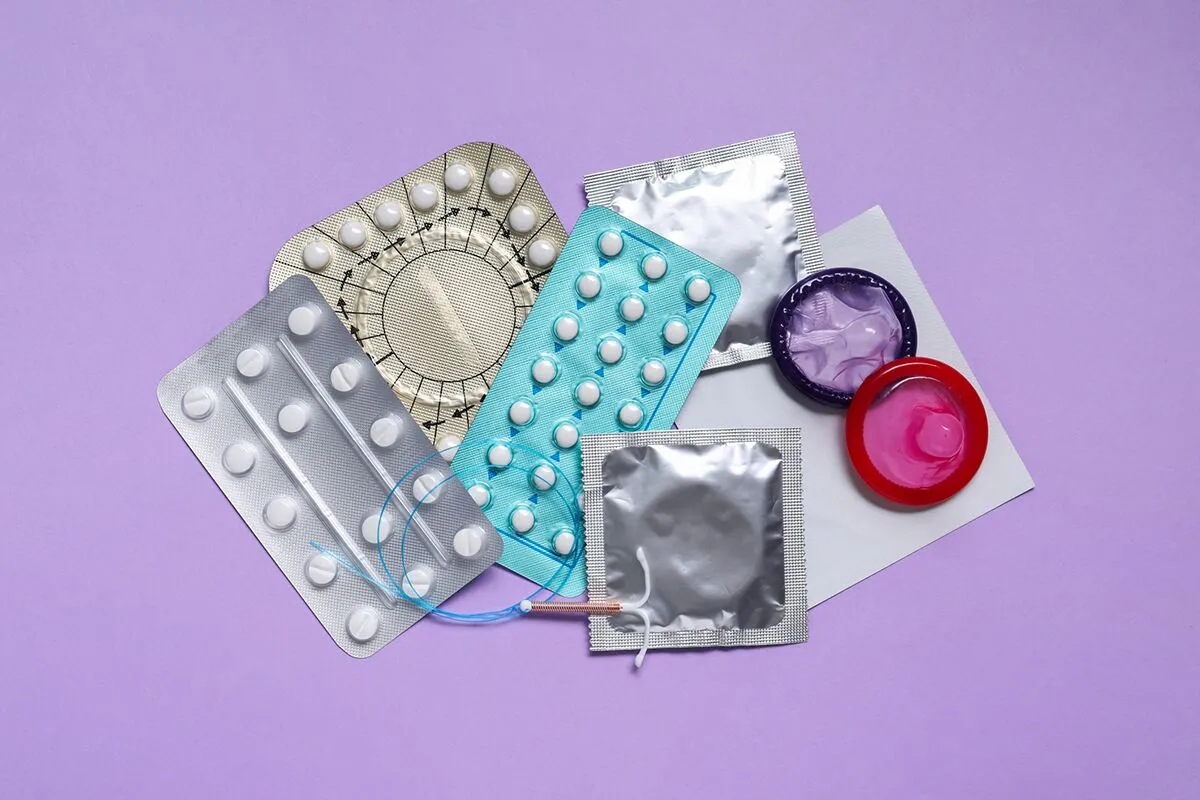
In general, sex itself is not universally banned during isotretinoin treatment. The main issue is pregnancy prevention because isotretinoin can cause severe fetal harm and increase the risk of miscarriage, so patients who can become pregnant need strict precautions before, during, and for 30 days after treatment, including understanding the risk of Accutane birth defects years later.
That is why the answer to can you have protected sex on Accutane depends on whether pregnancy is possible and whether reliable protection is in place. In the United States, the FDA requires a risk management program, and patients who can get pregnant must follow pregnancy prevention steps that include negative pregnancy tests and ongoing monitoring.
Can You Take Accutane and Birth Control Together
Yes, many patients take isotretinoin with contraception, and that is often part of the standard safety plan.
Common options may include two forms of birth control used together, such as a barrier method plus a hormonal method. Depending on the person, one of those methods may be a patch, ring, shot, implant, or intrauterine device, but the exact plan should match the iPLEDGE rules and the patient’s medical history.
iPLEDGE is a U.S. safety program for isotretinoin that helps prevent pregnancy during treatment because the drug can cause severe birth defects.
If you are wondering, can you have protected sex while on Accutane, the key point is that protection must meet the required standard, not just feel “safe enough.” A survey summarized by Healio found that some women on isotretinoin did not strictly follow abstinence or contraception guidance, which helps explain why this topic causes so much confusion online.
Who Needs Pregnancy Prevention
- Pregnancy prevention applies to patients with child-bearing potential, which usually means having a uterus and at least one ovary unless menopause or surgical sterilization has been confirmed.
- The BAD guide also notes that long-term abstinence or sexual intercourse only with a partner who cannot cause pregnancy may fit the safety framework in some cases.
- This helps explain why the answer is not the same for every person.
- A patient who cannot become pregnant does not face the same pregnancy rules.
- A patient who can become pregnant usually needs lab-based pregnancy testing before starting isotretinoin, during treatment, and after the last dose.
Can You Have Unprotected Sex on Accutane?
For patients who can become pregnant, unprotected sex is the highest-risk situation during isotretinoin treatment.
This is why the question can you have unprotected sex on Accutane should be answered very directly. If pregnancy is biologically possible, unprotected sex can expose an embryo or fetus to a drug known to cause severe birth defects, so this is not a minor rule or a flexible recommendation.
Why Unprotected Sex Is Risky
The risk is not that isotretinoin makes sex dangerous by itself. The real risk is becoming pregnant while taking isotretinoin, because the medication can cause serious harm to a developing baby, and official guidance says pregnancy must be avoided during treatment and for one month after stopping.
That one-month window matters because the drug safety rules extend beyond the final capsule. In practical terms, 30 days after the last dose is still part of the restricted period for pregnancy prevention, pregnancy testing, and other safety steps tied to reproductive risk.
What to Do After Unprotected Sex
If unprotected sex happens and pregnancy is possible, do not wait for the next appointment. MedlinePlus says to stop taking isotretinoin and contact your doctor right away, and it also notes that if pregnancy occurs during treatment or within 30 days after treatment, the case is reported to the iPLEDGE program, the manufacturer, and the Food and Drug Administration.
The next steps may include urgent pregnancy testing, review of contraception use, and instructions about whether to stop treatment, especially if there is concern about being pregnant while taking isotretinoin. This is a situation for prompt medical advice, not internet guessing, because the decision affects both medication safety and pregnancy risk.
Why the Rules Are Strict
Isotretinoin is used for severe acne in patients over 12 years old when other treatments have not worked well enough or when the risk is high. Because the medicine is highly effective but also carries major fetal risk, the safety system around pregnancy prevention is unusually strict compared with many other dermatology drugs.
The U.S. system also uses repeated blood tests and pregnancy testing to lower the chance of preventable harm. AAD notes that patients who can get pregnant need two pregnancy tests before the first prescription and a pregnancy test every 30 days for refills, while routine follow-up also reviews other monitored tests and side effects.
Does Accutane Affect Your Sexuality?
This is a separate question from pregnancy prevention, and the answer is less certain. The BAD guide says there are rare reports of sexual function problems with isotretinoin, including low libido, vaginal dryness, erection difficulty, and reduced genital sensation, but it also says we do not know how often these problems occur.
That uncertainty is important because isotretinoin is often taken during a time when acne itself, stress, relationship concerns, and mental illnesses such as anxiety or depression may also affect sexual function. The BAD guide notes that sexual symptoms may relate to mental health issues or other medicines as well, which means a symptom during treatment is real and worth discussing, but not always clearly caused by isotretinoin alone.
Low Libido, ED, and Dryness
Some patients report less interest in sex, erectile dysfunction, vaginal dryness, or discomfort with sex during a course of isotretinoin. Dryness is biologically plausible because the drug commonly causes dry skin, dry eyes, and dry lips, and mucosal dryness may also affect comfort in some patients.
These symptoms should not be ignored or treated as embarrassing side notes, especially when patients have questions about Accutane erectile dysfunction recovery. If libido drops sharply, pain develops with sex, or erections become difficult to get or maintain, bring that up with the prescribing clinician because treatment, supportive care, or review of other causes may be needed.
What Is Proven and Unclear
What is firmly established is the pregnancy risk, the need for pregnancy prevention in the right patients, and the value of regular monitoring. What is not firmly established is exactly how often sexual side effects occur or how often isotretinoin is the direct cause rather than one factor among several.
That makes this a good topic for careful discussion, not panic. Patients deserve a clear explanation that serious reproductive safety rules are proven and mandatory, while sexual side effects are reported and worth attention, but the evidence is still more limited and less precise.
What Should You Avoid on Accutane
This treatment comes with practical restrictions beyond sex and pregnancy prevention. MedlinePlus says patients should not donate blood while taking isotretinoin and for one month after treatment, because that blood could be given to a pregnant person.
The BAD guide and MedlinePlus also warn against waxing, dermabrasion, laser procedures, and other skin procedures during treatment, with continued caution advised for months after the course ends due to the risk of scarring. Patients should also avoid vitamin A supplements and tetracycline antibiotics unless a clinician specifically reviews the plan.
Blood Donation, Waxing, and Procedures
Blood donation is restricted because isotretinoin exposure during pregnancy can harm a developing fetus. That is why the no-donation rule continues for at least one month after the medication ends, even if the patient feels well and has already seen acne improve.
Waxing and aggressive cosmetic procedures are also problematic because isotretinoin can make skin more fragile and prone to scarring. In simpler terms, the skin barrier is drier, more sensitive, and slower to recover, so routine beauty treatments may pose a higher risk than usual.
Other Restrictions to Know
Patients should use caution with sun exposure, hard physical activity, and any new medicine or supplement. MedlinePlus also advises avoiding breastfeeding during treatment and for one month after, while the BAD guide advises limiting alcohol because both alcohol and isotretinoin can affect the liver.
Starting isotretinoin also means preparing for regular follow-up and understanding the limits of self-management. If your clinician orders blood tests, keep those appointments, because changes in liver enzymes and blood fats are part of the routine safety review during treatment.
When to Contact a Doctor

Contact a doctor promptly if pregnancy is suspected, a period is missed, unprotected sex occurs when pregnancy is possible, or severe side effects appear. Official guidance also supports urgent review for mood changes, suicidal thoughts, severe headache with vision change, yellowing of the skin or eyes, or major allergic symptoms.
This also includes new sexual symptoms that are distressing or persistent. Even when the evidence is not definitive, it is still appropriate to raise concerns early so the clinician can review the timeline, other medications, mental health factors, and whether to stop treatment or change the plan.
Symptoms That Need Prompt Review
Some symptoms deserve faster attention than a routine refill visit. These include severe depression, thoughts of self-harm, persistent vomiting, major abdominal pain, vision changes, and signs of pregnancy, especially in someone who could become pregnant.
A patient who develops serious symptoms may be told to stop treatment immediately while the cause is reviewed. That is different from common, expected effects such as chapped lips or mild dry skin, which are often managed with skin care and close follow-up.
When In-Person Care Matters
Remote care can help with education, skin care tips, and questions about common side effects, but some situations need an in-person assessment. Pregnancy concerns, severe side effects, abnormal lab findings, and symptoms that suggest liver, neurologic, psychiatric, or vision problems need direct clinical review.
Know your risk, follow pregnancy prevention rules carefully, use approved contraception correctly, and seek medical care right away after unprotected sex, missed tests, or severe symptoms.
Patients who are still learning about the process can review the usual steps to start treatment as part of understanding monitoring, testing, and follow-up requirements.