
No, and that is the key point that many patients need explained clearly before they start treatment. This article reviews how isotretinoin works, why results vary, what “long-term improvement” really means, and what doctors consider when acne does not fully clear or recurs later.
Still, “very effective” does not mean “always effective.” Many patients want to know whether isotretinoin is a permanent cure, which is why questions about whether Accutane is permanent come up so often.
Isotretinoin, formerly known as Accutane, is an oral medication used to treat severe acne, especially nodular or cystic acne that has not improved with other treatments. It works by shrinking the oil glands, lowering sebum production, reducing inflammation, and helping to prevent clogged pores.
Key Takeaways
- Accutane can be very effective for severe acne, but it does not work the same way for every patient and does not guarantee permanent clearance.
- Results vary based on factors such as acne type, hormonal influences, total dose, and whether the full course of treatment is completed.
- Many patients improve after one course, but some need more time, a second course, or another treatment plan if acne returns or does not fully clear.
- Early worsening can happen after starting treatment, so doctors usually assess progress over months rather than judging the medication too soon.
- Isotretinoin requires careful monitoring because it can cause side effects and serious pregnancy risks, including severe birth defects.
Why Accutane Works and Why It Fails
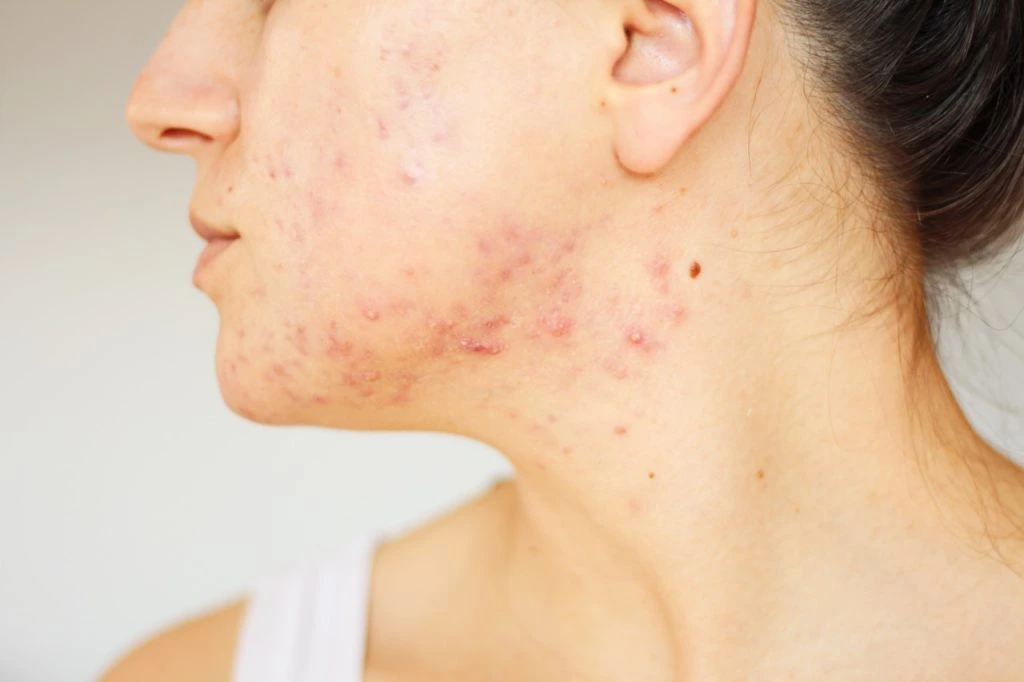
How Isotretinoin Treats Acne
To understand why results vary, it helps to know why isotretinoin works in the first place.
Acne forms when follicles become blocked by oil and dead skin cells, bacteria multiply, and inflammation builds. Isotretinoin changes several parts of that process at once, which is why it can help many types of acne, including severe inflammatory and cystic acne.
Why Results Vary
Why does Accutane not always work, then, even though the effectiveness of Accutane is well established for many patients with severe acne? In real practice, response depends on the type of acne, the total dose taken over time, whether the patient completed the full course of treatment, and whether another issue, such as hormonal activity, is still driving breakouts.
A person may also think the medicine has failed when they are still early in treatment, before visible inflammation has had enough time to settle.
Does Accutane Cure Acne Forever
Long-Term Improvement Versus Cure
Many patients want to know whether isotretinoin is a permanent cure. The most accurate answer is that it can lead to long periods of remission, but it does not cure acne forever in every patient.
Long-term improvement is common, but relapse remains possible, which is why doctors usually describe expected results in terms of durable control rather than a guaranteed lifelong cure.
What “Cure” Can Mean
That distinction matters because people often use the word “cure” in two different ways. Some mean their skin stays clear for years after treatment, while others mean they never get another pimple again. In clinical practice, those are not the same thing, and a patient can still view the course as successful even if occasional lesions return later.
Does Accutane Work for Hormonal Acne
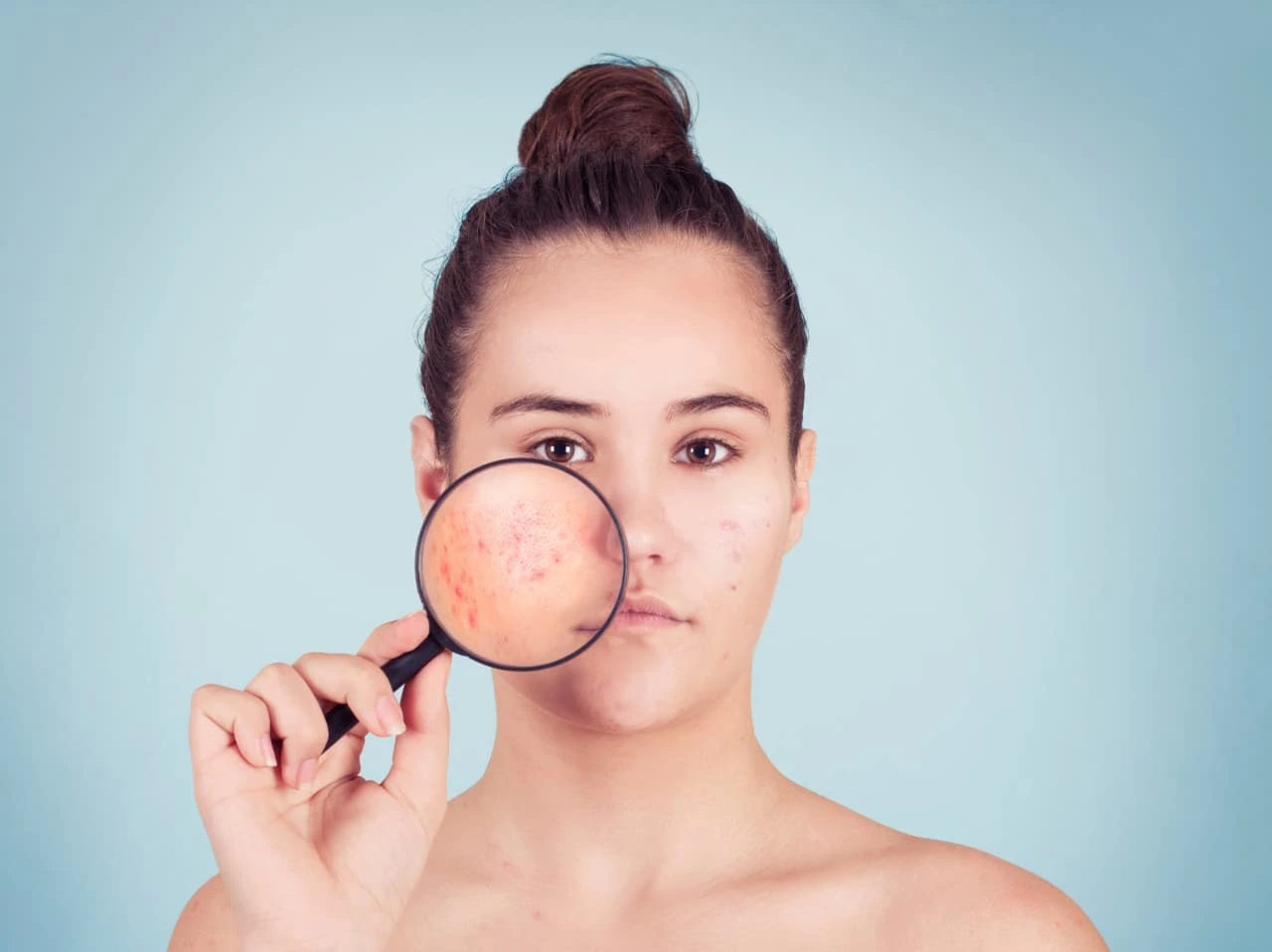
Hormonal acne can respond to isotretinoin, but it can also make long-term control less predictable. The American Academy of Dermatology explains that hormonal therapy can help women with stubborn acne, which shows that hormones may continue to drive lesions even after isotretinoin has reduced oil production and inflammation.
Put simply, isotretinoin may calm the skin, but it may not fully eliminate the underlying biological trigger for future flares.
That does not mean isotretinoin was the wrong choice, only that acne can have more than one driver.
Does Acne Get Worse Before It Improves
Some patients notice an early flare after they begin treatment. Online, this is often called a purge, though the term is used loosely and not every patient experiences it. Early worsening can occur while existing blockages and inflammation are still coming to the surface, so a short-term flare does not, by itself, prove that the medication will fail.
This is one reason follow-up matters. A dermatologist looks at the timing, severity, and overall trend rather than reacting to a single bad week. For many patients, the more useful question is not whether the skin is perfect in the first month, but whether the overall course is moving toward fewer inflamed lesions over time.
Side Effects and Treatment Limits
Common Side Effects
- Dry skin
- Dry lips
- Dry eyes
- Pregnancy-related safety risk
These side effects do not mean isotretinoin is unsafe when used correctly. They do show why the medication requires careful structure, follow-up, and monitoring.
Monitoring During Treatment
People taking isotretinoin usually need regular visits and may need blood tests during treatment. All patients receiving isotretinoin need regular follow-up to watch for side effects, and clinicians monitor for important adverse effects during therapy. This process helps doctors decide whether the Accutane dose should stay the same, be adjusted, or be stopped.
Pregnancy Risk and Birth Control
The most serious safety issue is pregnancy exposure. Patients who can become pregnant generally must use two forms of birth control, unless they meet an allowed exception such as continuous abstinence, before, during, and after treatment for the required period. This is because isotretinoin can cause severe birth defects.
What Happens if Accutane Does Not Work
Reviewing the First Course
If a patient does not improve enough, the next step is usually a structured review rather than a quick assumption that the medication “just does not work.”
A doctor may revisit the diagnosis, check how much medication was taken in total, review whether the course was completed, and look for factors such as hormonal acne or other skin conditions. This kind of review often reveals why results were limited.
When a Second Course May Be Needed
Some patients may need a second course. The American Academy of Dermatology notes that some people may require a second round and advises waiting at least 8 weeks after treatment ends, as the skin can continue to improve even after the last pill.
That point is important because judging the result too soon can make a successful course look incomplete.
What Results Can You Expect
A realistic expectation is strong improvement for many patients, not a guarantee of perfection or lifelong clearance. For severe acne, isotretinoin remains one of the most effective treatments available, and long-term improvement is common after a full course.
Still, some people need more than one course, and some continue to need treatment for hormonal or recurrent acne later on. The most helpful mindset is to think in terms of disease control, relapse risk, and careful monitoring.
Acne can improve because the medicine reduces oil production, limits pore clogging, and lowers inflammation, but each patient has a different pattern of triggers and biology. That is why two people can both receive isotretinoin and still have different results at the end of treatment.
If you are researching isotretinoin, focus on getting clear answers about your acne type, your treatment options, and the risks and benefits that apply to you, especially before you start treatment. A thoughtful discussion with a qualified dermatology clinician can help you decide whether Accutane is the right fit for your skin and your long-term care plan.