Key Takeaways
- Accutane in this time is still early, so ongoing breakouts or slow progress do not always mean treatment is failing.
- Purging can occur in the second month as clogged pores move toward the surface, but severe, painful, or rapidly spreading breakouts require medical review.
- Common side effects include dry lips, dry skin, dry eyes, nosebleeds, sun sensitivity, and muscle or joint aches.
- Dermatologists monitor dose tolerance, bloodwork, pregnancy prevention requirements, mood changes, and symptoms that may require in-person care.
- Skin often shows clearer improvement after month 2, but timelines vary based on acne severity, dose, side effects, and the individual treatment plan.
What to Expect in Month 2 of Accutane?
Month 2 is still early in Accutane treatment, even when side effects are obvious. Some patients see less oil and fewer painful lesions, while others still have active acne vulgaris. The American Academy of Dermatology notes that acne can worsen for 1 to 2 months after starting isotretinoin before it begins to clear.
Why Progress Can Still Look Slow
Isotretinoin treatment works inside the skin before changes appear on the surface. It affects the sebaceous gland, which is the oil gland that can clog pores and cause inflammation. Because older clogged pores may still rise, the second month may not look clear yet.
What Early Improvement May Look Like
Early improvement can look subtle. Your skin may feel less oily, new cysts may form less often, or existing bumps may heal faster. These signs can still matter even when your face is still red or has active breakouts.
Why Results Vary by Patient
Results vary because factors such as dose, body weight, acne type, and treatment history affect the timeline. Low-dose plans may work more slowly than higher-dose plans. A dermatologist may also adjust treatment based on side effects and lab results.
Still Breaking Out on Accutane Month 2
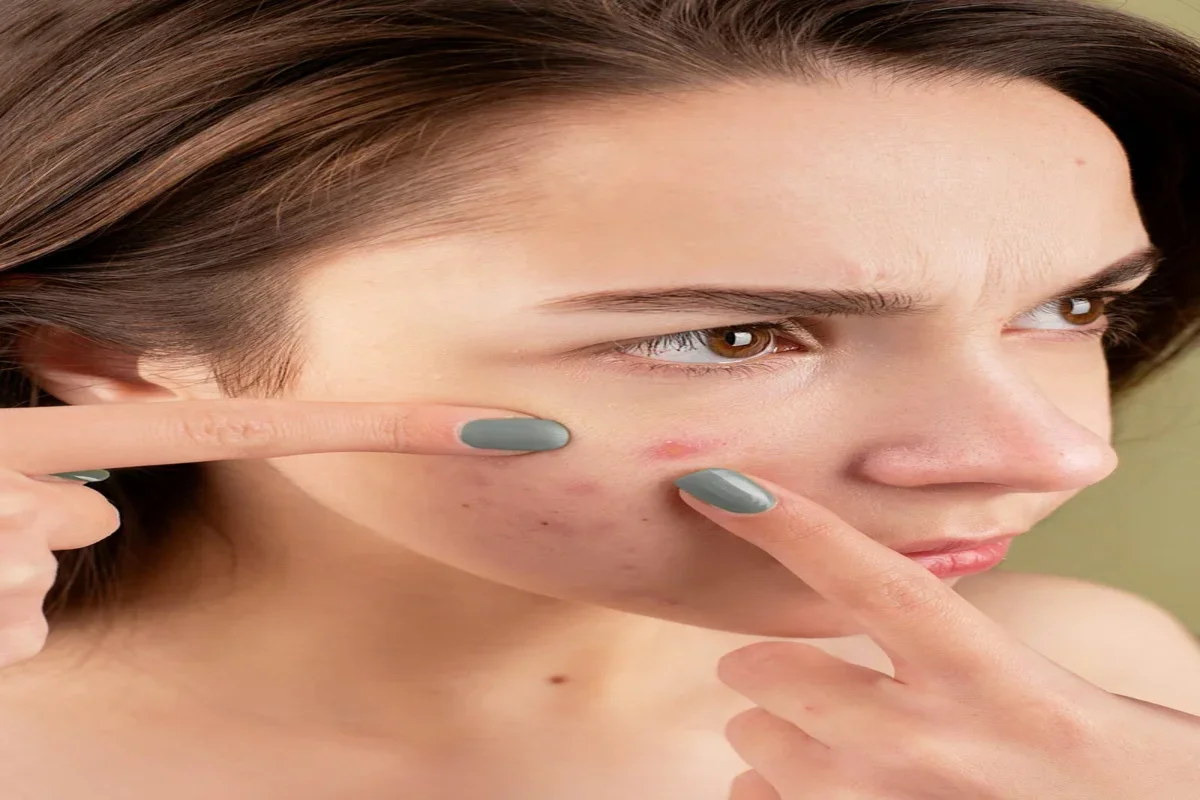
Still breaking out on Accutane in month 2 does not always mean the medicine has failed. Some people purge during this stage because clogged pores move toward the surface. This can create new whiteheads, inflamed pimples, or cyst-like bumps before acne starts to settle.
Can Accutane Purge Happen?
Yes, purging can happen in the second month. The effect of Accutane can change how pores shed cells and oil, which may reveal existing blockages. This process can present as worsening acne, but it should be reviewed if it is severe, painful, or spreading quickly.
When Breakouts May Improve
Many patients see clearer change after the second or third month, but there is no single timeline. Some improve early, while others need more time for the inflammation to decrease. This is why photos, symptom notes, and follow-up visits can help show patterns.
When Breakouts Need Medical Review
Breakouts require medical review if acne becomes very painful, swollen, crusted, or accompanied by fever. Severe mood changes, vision symptoms, bad headaches, or major stomach symptoms also need prompt attention. The Food and Drug Administration lists serious symptoms such as severe headaches, blurred vision, seizures, diarrhea, muscle weakness, and reported serious mental health problems with isotretinoin use.
Accutane Not Working After Second Month

It can be a common concern, but two months is often too early to judge the full course. The goal is not only short-term clearing. Dermatologists also consider cumulative dose, safety, and long-term acne control.
Does 2 Months of Accutane Work?
Accutane can work for some patients, but many still do not look clear. The medicine may already reduce inflammation and oil production even if breakouts continue. Visible results usually take longer than side effects.
Signs It May Still Be Working
Signs that Accutane is working can include reduced facial oil, fewer deep lesions, shorter healing time, and less tenderness. You may also notice that new pimples feel smaller or resolve faster. These changes can be hard to see without photos.
Ask your dermatologist before changing any dose, stopping treatment, or reviewing how to get an Accutane prescription safely.
Common Accutane Second Month Side Effects
A common side effect of isotretinoin is dryness, especially dry lips. Other potential side effects include dry eyes, nosebleeds, sun sensitivity, muscle aches, and mood changes. The American Academy of Dermatology says dermatologists should closely monitor patients because isotretinoin is a strong medication with potentially serious side effects.
Dry Lips, Skin, and Eyes
Dry lips often need frequent application of a bland lip balm. Dry skin may need a gentle moisturizer and less frequent use of irritating products. Dry eyes may need review if they affect contact lens use or vision comfort.
Nosebleeds and Sun Sensitivity
Nosebleeds can happen when the nasal passages become dry. A bland nasal moisturizer may help, but repeated bleeding should be discussed with a clinician. Sun sensitivity also matters because irritated skin can burn or sting more easily.
Muscle and Joint Aches
Some patients notice muscle or joint aches during isotretinoin treatment. Mayo Clinic also warns that severe diarrhea, rectal bleeding, or stomach pain may suggest inflammatory bowel disease symptoms that need medical review. Do not ignore new severe pain, weakness, or bowel changes.
How to Care for Your Skin
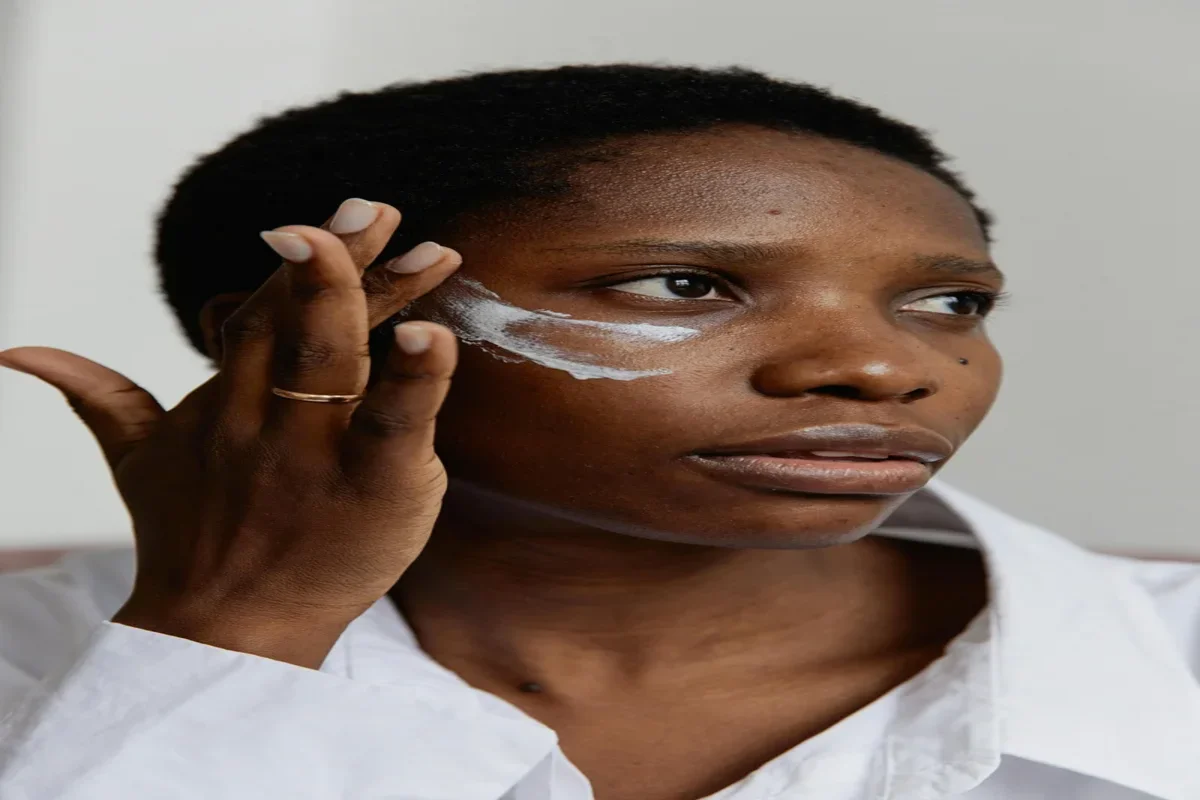 Skin care should protect the barrier, not strip it. Use the best products for skincare like mild cleanser, a plain moisturizer, and sunscreen to support the skin barrier during isotretinoin treatment. Avoid using strong acne products unless your dermatologist tells you to.
Gentle Cleansing and Moisturizing
Wash with lukewarm water and a non-scrubbing cleanser. Apply moisturizer while the skin still feels slightly damp. This can reduce tightness, flaking, and irritation.
Sunscreen and Barrier Support
Use broad-spectrum sunscreen every morning. Reapply when outdoors, especially during longer sun exposure. Barrier support matters because isotretinoin can make skin more fragile.
Products to Avoid
Avoid harsh scrubs, waxing, peeling acids, and strong retinoids unless your dermatologist approves them. These products can increase dryness and irritation. Simple routines often work better during this stage.
Safety Monitoring
Safety monitoring is part of isotretinoin care. Dermatologists may review symptoms, dose tolerance, liver-related blood tests, cholesterol or triglyceride levels, and pregnancy-prevention guidelines. MedlinePlus states that patients need monthly doctor visits during treatment and may receive up to a 30-day supply at each visit.
Blood Tests and Liver Levels
Blood tests help clinicians check how your body responds. Your dermatologist may adjust testing based on your history and dose. Do not skip labs if your care plan requires them.
Pregnancy Prevention Requirements
Isotretinoin can cause severe birth defects, so pregnancy prevention rules are strict. Some patients must use two forms of birth control, which may include oral contraceptives, depending on their medical plan. MedlinePlus states that continuing treatment can require a negative pregnancy test and monthly iPLEDGE steps.
Mental Health and Mood Changes
Mood changes should be taken seriously. Acne itself can affect stress and self-image, but isotretinoin has also been linked to reports of serious mental health problems. Tell your dermatologist about depression, severe anxiety, self-harm thoughts, or major mood shifts.
Remote Accutane Follow-Ups
Remote follow-ups may support aspects of isotretinoin care when permitted by state regulations and clinical judgment.
DermOnDemand may review photos, symptoms, medication tolerance, and follow-up questions through an online intake process in an educational care context. Some situations still need in-person evaluation, lab testing, or urgent care.
What Can Be Reviewed Remotely
A remote visit may help review breakouts, dryness, side effects, and progress photos. It can also help determine whether a symptom requires further evaluation. Remote care should not replace emergency care for severe symptoms.
What Needs In-Person Care
Severe headaches, vision changes, chest pain, severe stomach pain, bloody diarrhea, fainting, or suicidal thoughts need urgent review. Pregnancy testing and bloodwork may also require specific approved steps. Your clinician should explain which parts of care apply to you.
Common Myths About Month 2
- No progress in month 2 does not always mean failure. Some patients improve later in the course. The better question is whether your acne pattern, side effects, and lab results align with your treatment plan.
- Dryness Does Not Always Mean Better Results. It shows that the medicine is affecting oil production, but severe dryness can harm comfort and skin barrier function. Report dryness that cracks, bleeds, or affects daily activities.
- Higher Doses Do Not Always Work Faster: Higher doses do not always yield a better experience. They may increase side effects and may not be right for every patient. Dermatologists balance dose, acne severity, lab results, and tolerance.
What to Expect After Month 2
After month 2, many patients continue to watch for gradual improvement. Breakouts may become less frequent, less painful, or heal faster. Redness and post-acne marks may persist after active lesions have settled.
Red Marks After Active Acne
Red marks are not always active acne. They can remain after inflammation fades and often need time, sun protection, and targeted care after breakouts are under control.
If you’re unsure whether you’re dealing with active acne or post-acne marks, a dermatologist can help you choose the right treatment before the marks become harder to fade.